

We may earn a commission when you buy through links on this page, at no extra cost to you. Learn more.
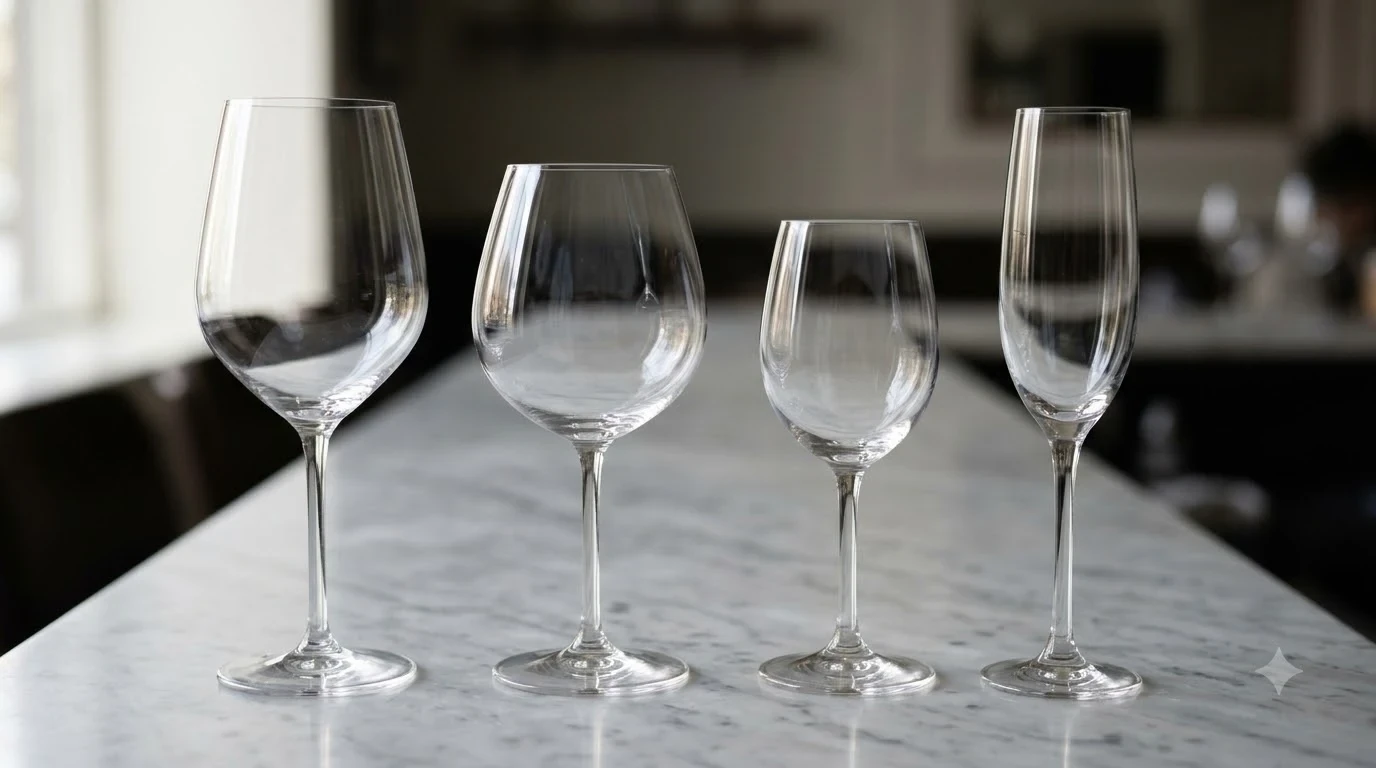
The bormioli rocco wine glasses set of 8 is a practical choice for households that want coordinated, attractive glassware for everyday wine drinking and entertaining. Bormioli Rocco offers several collections and glass styles, including options with lead-free crystal, laser-cut rims, pulled stems, and durability-focused XLT treatment. The important buying consideration is identifying the exact collection and capacity because an eight-piece set does not automatically mean eight identical all-purpose wine glasses.
Bormioli Rocco is a recognizable name in Italian glassware, with a catalog covering wine glasses, sparkling wine flutes, tumblers, and other drinkware. Its selection includes straightforward restaurant-style glasses as well as more refined designs intended for a carefully arranged dinner table. That variety makes the brand worth considering, but it also means buyers should look beyond the brand name and examine the specifications of the particular set.
This review examines the construction, glass sizes, everyday usability, potential drawbacks, and alternatives available within the brand’s collections. It also explains what to verify before purchasing an eight-piece package, particularly when product listings use similar descriptions for different glass styles.
Specs and Key Features of Bormioli Rocco Wine Glasses
Bormioli Rocco’s eight-piece wine glass offerings vary by collection, so material, capacity, and construction deserve attention before choosing a set. The Restaurant white wine glasses and Tre Sensi collection illustrate the range between practical everyday stemware and more refined crystal designs.
One clearly documented eight-piece option is the Restaurant white wine glass set listed by Best Buy. Each glass has a stated capacity of 14.75 ounces, equivalent to approximately 436 ml, making it a reasonably versatile size for white wines and lighter-bodied reds. The listing describes a clear glass construction, a stemmed silhouette, dishwasher compatibility, and an Italian-made design.
Another documented eight-piece option is the Tre Sensi collection, listed by Costco with a considerably larger 632 ml capacity per glass. These glasses use lead-free crystal and feature laser-cut rims, pulled stems, and thin, flat feet. That combination creates a different proposition from the Restaurant white wine glasses: Tre Sensi emphasizes crystal construction and a generous bowl, while the Restaurant design prioritizes straightforward service and everyday versatility.
The brand also offers the Electra collection, which includes several bowl sizes. Its medium wine glass has a listed capacity of 14.75 ounces, while the large red wine glass is 18.25 ounces and the extra-large version is 22.5 ounces. Those sizes demonstrate why buyers should not assume that every Bormioli Rocco eight-piece listing describes the same product.
| Feature | Restaurant white wine set | Tre Sensi set |
|---|---|---|
| Set quantity | 8 glasses | 8 glasses |
| Capacity per glass | 14.75 oz / 436 ml | 21.4 oz / 632 ml |
| Material description | Glass | Lead-free crystal |
| Rim | Laser-cut thin rim | Laser-cut rim |
| Stem construction | Stemmed design | Pulled stem |
| Base | 3.2 inches | Thin, flat foot |
| Care | Dishwasher safe | Dishwasher safe |
| Country of manufacture | Italy | Italy |
These specifications come from separate retailer listings and should not be treated as interchangeable specifications for every Bormioli Rocco set. The Restaurant white wine model has an 8.25-inch height according to Best Buy, while the Tre Sensi listing identifies its capacity but does not provide a corresponding height in the product details. A buyer comparing two listings should avoid transferring dimensions or material descriptions from one collection to another.
Material terminology is particularly important. Lead-free crystal is not the same product description as ordinary glass, even though both materials can produce clear, attractive drinkware. Bormioli Rocco’s professional catalog identifies Star Glass as lead-free crystal glass, but that does not establish that every wine glass sold under the brand uses Star Glass.
The same distinction applies to XLT treatment. It is a stem-protection technology, not a universal guarantee that every glass in every collection is unbreakable. Buyers should confirm whether the specific model includes the treatment rather than assuming it comes with the brand name.
For a wider overview of bowl shapes, rim styles, and materials, the wine glasses comparison provides useful context before settling on a particular collection.
What Owners Like About the Design and Construction
The strongest appeal of Bormioli Rocco wine glasses is the combination of functional shapes, clear glass presentation, and practical construction details. The range includes options for casual meals, larger gatherings, and more formal wine service.
One attractive feature is the availability of several bowl capacities. A 14.75 oz glass is a sensible general-purpose size for people who regularly drink Sauvignon Blanc, Chardonnay, Pinot Grigio, Merlot, or Pinot Noir. Its capacity leaves room above a normal wine pour, allowing the wine to move inside the bowl without requiring an oversized glass.
Larger glasses offer another advantage. The Electra 18.25 oz and 22.5 oz options provide more room for swirling and releasing aromas, particularly with fuller-bodied reds. A larger bowl can make Cabernet Sauvignon or Syrah easier to examine, although bowl capacity alone does not guarantee superior wine performance.
The stemmed design is another practical benefit. Holding a glass by the stem instead of the bowl reduces direct hand contact with the wine and helps prevent unnecessary warming. This is particularly useful when serving chilled whites and rosé wines, where maintaining a cool serving temperature contributes to the intended drinking experience.
Thin rims and pulled stems
Rim construction affects the way a glass feels against the lips. Bormioli Rocco’s documented Restaurant white wine set features a laser-cut thin rim, while the Tre Sensi listing also identifies laser-cut rims. A thinner edge can create a more refined drinking experience than a visibly thick, heavy rim.
Tre Sensi also uses pulled stems. According to the manufacturer’s professional catalog, pulled stemware is formed through a hot-pulling process that creates an integrated connection between the bowl and stem. This construction can produce an elegant silhouette without a visually prominent joint.
These details matter because wine glasses are handled repeatedly. A comfortable stem, balanced foot, and smooth rim can make an ordinary dinner feel more considered without requiring expensive or elaborate tableware.
Durability-focused construction
Bormioli Rocco’s XLT treatment is one of the brand’s notable technical features. The manufacturer’s professional catalog describes XLT as a surface treatment applied to glass stems to improve resistance to common sources of breakage, including washing, twisting, and abrasion.
The manufacturer also discusses tempered glass separately. Its catalog states that tempered products can resist mechanical impacts up to 2.5 times better than non-tempered glass and tolerate thermal shock up to a 110°C temperature difference. These figures describe the manufacturer’s tempered-glass technology, not every Bormioli Rocco wine glass.
This distinction is useful for buyers who want durable glassware. A product featuring XLT treatment may have additional stem protection, while a tempered glass product has different resistance characteristics. Neither feature means the glass cannot break if dropped or subjected to inappropriate handling.
The official Bormioli Rocco professional glassware catalog provides additional information about XLT, tempered glass, pulled stems, and other construction features.
Common Complaints and Potential Drawbacks
The main concern with shopping for Bormioli Rocco wine glasses is product variation rather than one universal design flaw. Different listings may describe different capacities, materials, and construction methods, making it easy to purchase a set that does not match expectations.
The first potential drawback is glass fragility. Even glasses promoted with durability-focused features remain glassware, and thin rims and stems require sensible handling. XLT treatment is intended to improve stem resistance, but it should not be interpreted as protection against every impact or accident.
This matters especially in households where glasses are frequently moved between the dining table, sink, and dishwasher. A glass can be damaged by striking another glass, contacting a hard utensil, or being squeezed against the dishwasher rack. The stem is particularly vulnerable if someone grips the bowl while twisting the base during cleaning.
Another consideration is the difference between a large capacity and a genuinely practical drinking size. The Tre Sensi glass holds 632 ml, or approximately 21.4 ounces. That is generous for a wine glass, and it may be more substantial than some buyers want for compact cabinets, small dining tables, or everyday use.
Large bowls can also be awkward in dishwashers with limited vertical clearance. Their size makes storage more demanding, especially when a household already has champagne flutes, water glasses, and other stemware competing for shelf space.
Product descriptions can create confusion
Retailer listings are another source of possible disappointment. Some products use broad descriptions such as Italian wine glasses, restaurant glassware, or crystal-clear construction. Those phrases do not necessarily identify the exact material or technical treatment.
For example, Best Buy’s Restaurant white wine set is described as glass, while Costco identifies Tre Sensi as lead-free crystal. Both are Bormioli Rocco products, but the material descriptions differ. A customer expecting crystal construction should not assume that a standard Restaurant set offers the same specification.
Set quantities also deserve attention. Bormioli Rocco’s US collection includes many six-piece products, while specific retailer listings feature eight-piece sets. The brand’s general product assortment is not evidence that a particular model is available in every package size.
There is also a distinction between a product’s advertised resistance and its actual care requirements. Dishwasher-safe does not mean dishwasher-proof. Frequent contact with other dishes, crowded racks, or rough handling can still cause damage.
Buyers who want a simpler silhouette may prefer to compare the brand’s offerings with stemless wine glasses. These eliminate the traditional stem, although they also transfer hand warmth directly to the bowl and do not provide the same grip.
Who Should Buy and Who Should Skip This Set
Bormioli Rocco’s eight-piece wine glass options make the most sense for people who want coordinated tableware with a practical combination of appearance and everyday function. The ideal choice depends on serving habits, available storage, and whether a standard glass or lead-free crystal construction is the priority.
Households that regularly entertain six to eight guests may appreciate an eight-piece package because it provides matching glasses for a complete dining table. Having eight identical pieces also makes it easier to replace or rotate individual glasses without creating an obviously mismatched collection.
The Restaurant white wine option is particularly appropriate for buyers who want a moderate 14.75 oz capacity. Its dimensions and stemmed shape make it a sensible candidate for general dining, casual wine service, and occasional gatherings. The dishwasher-safe description is another useful advantage for people who prefer convenient cleanup.
Tre Sensi is more appropriate for someone who values lead-free crystal, a laser-cut rim, and a large bowl. Its 632 ml capacity provides generous room for swirling and aroma development. However, that size is not necessary for every wine or every household.
Who will appreciate the glasses?
- Frequent entertainers: Eight matching glasses create a coordinated presentation for dinner parties and family gatherings.
- Everyday wine drinkers: A moderate-capacity Restaurant glass can serve several wine styles without requiring separate glasses for every grape.
- Buyers who value clear presentation: Transparent glass makes it easier to observe wine color and clarity.
- People who prefer dishwasher-compatible glassware: Several documented options are listed as dishwasher safe.
- Shoppers interested in Italian glassware: The documented Restaurant and Tre Sensi options are identified as made in Italy.
Who should consider another option?
People who frequently break stemware may prefer sturdy tumblers or stemless glasses. Although Bormioli Rocco offers durability-oriented features, a traditional stem remains a vulnerable point in any wine glass.
Those with small kitchen cabinets should also think carefully before choosing a large-bowl set. A 21.4 oz glass takes up more storage space than a compact wine glass, and its bowl may not fit comfortably into every dishwasher rack.
Finally, shoppers who want specialized glasses for individual grapes may prefer a mixed collection. A single eight-piece set of identical glasses is convenient, but it may not provide the most suitable shape for every wine style.
For example, someone who frequently serves Cabernet Sauvignon, Pinot Noir, and Sauvignon Blanc may benefit from comparing the available red wine glasses before choosing one universal design.
How It Compares to Alternatives
Bormioli Rocco offers several different approaches to wine glass design, so the most useful comparison is between its own documented collections. Electra, Exclusiva, Restaurant, and Tre Sensi illustrate different priorities in capacity, appearance, and construction.
Electra is a useful choice for people who want a selection of bowl sizes. Its medium wine glass holds 14.75 ounces, the large red wine version holds 18.25 ounces, and the extra-large red wine glass holds 22.5 ounces. This range makes it easier to select a bowl suited to a particular style of wine rather than buying one very large glass for every occasion.
Exclusiva provides another design direction. The manufacturer’s professional glassware material describes this collection with vertically detailed styling and XLT treatment, emphasizing stem resistance. The collection includes different glassware formats, including wine glasses and sparkling wine flutes.
Restaurant-style glasses prioritize straightforward service. The eight-piece white wine listing has a 14.75 oz capacity, a 3.2-inch base, and an 8.25-inch height. This is a more moderate format than the 632 ml Tre Sensi bowl and may be easier to accommodate in everyday kitchen storage.
Tre Sensi is the more substantial option among these documented examples. Its lead-free crystal material, laser-cut rim, and pulled stem give it a more refined specification. The generous 21.4 oz capacity may appeal to people who prefer larger bowls, but it is not automatically more practical for daily dining.
Tip: Compare capacity in both milliliters and ounces before ordering. A 436 ml glass and a 632 ml glass can look similar in a product photograph while feeling very different in actual use. Also confirm the package contains eight individual wine glasses rather than a mixed assortment of drinkware.
For a general-purpose household set, a moderate bowl around 14 to 15 ounces is often easier to store and use than an oversized design. A larger glass is more appropriate when aroma presentation and swirling space are higher priorities than cabinet convenience.
Serving temperature is another reason to think about glass size and shape. Light whites and rosé are generally served around 45 to 50°F, while fuller-bodied whites are commonly served around 50 to 55°F. Light reds are typically served around 55 to 60°F, and fuller-bodied reds around 60 to 65°F.
A stemmed glass makes it easier to hold the vessel without warming the wine directly with the hand. The bowl should also leave enough room for a normal pour. A standard 5 oz serving in a 14.75 oz glass leaves considerable headspace, while the same pour in a 21.4 oz bowl leaves even more.
None of these collections is automatically the right choice for everyone. The most suitable alternative is the one that fits the wines served most often, the available storage space, and the amount of care the household is willing to give its glassware.
Care, Storage, and Long-Term Use
Proper handling is important for preserving the appearance and usability of Bormioli Rocco wine glasses. Even dishwasher-safe models benefit from careful loading, adequate spacing, and gentle handling around their stems and rims.
Start by separating glasses before placing them in the dishwasher. Each glass should have enough space to avoid touching nearby plates, cutlery, or other glassware during the wash cycle. A glass that repeatedly knocks against another object can develop chips or cracks even if its construction includes additional durability features.
Keep the bowls and stems from becoming trapped against the rack. The base should sit securely, and the stem should not be forced into a narrow gap. Large bowls such as the 632 ml Tre Sensi design may need more careful positioning than smaller Restaurant glasses.
Handwashing and drying
Handwashing is another option for people who prefer closer control over cleaning. Use warm water, a small amount of mild dish soap, and a soft sponge. Avoid abrasive pads that can scratch the glass or damage decorative finishes.
Do not grip the bowl in one hand and twist the stem with the other while cleaning. This movement puts unnecessary torsional stress on the narrowest part of the glass. Instead, support the bowl gently and wash the stem without applying force.
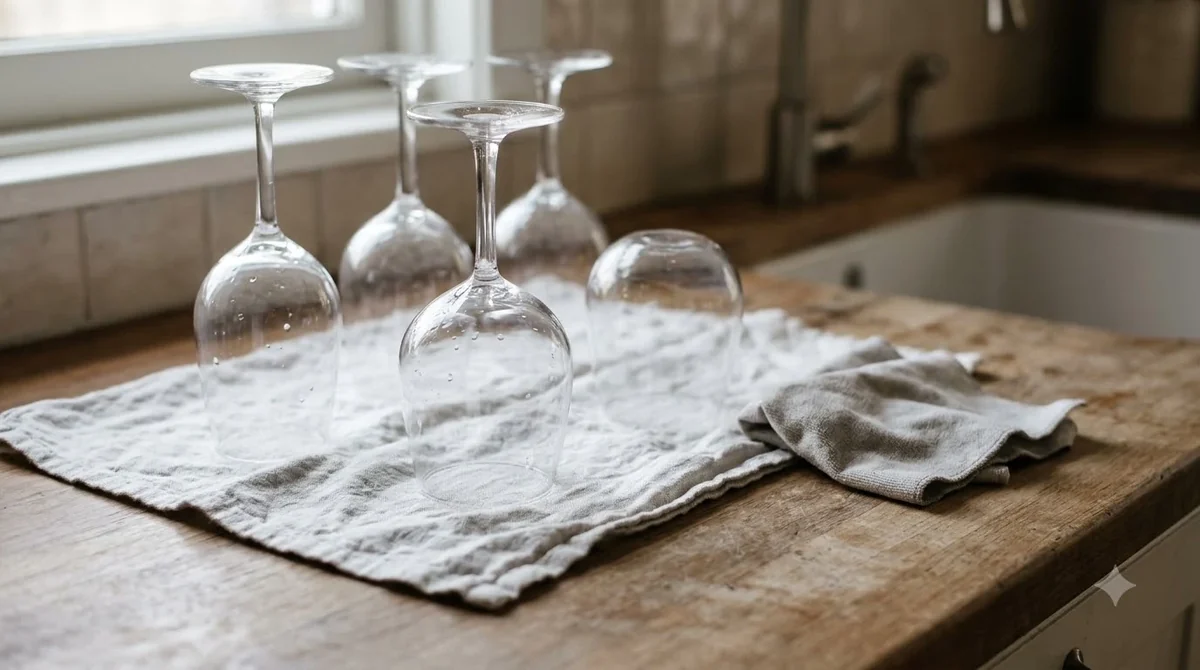
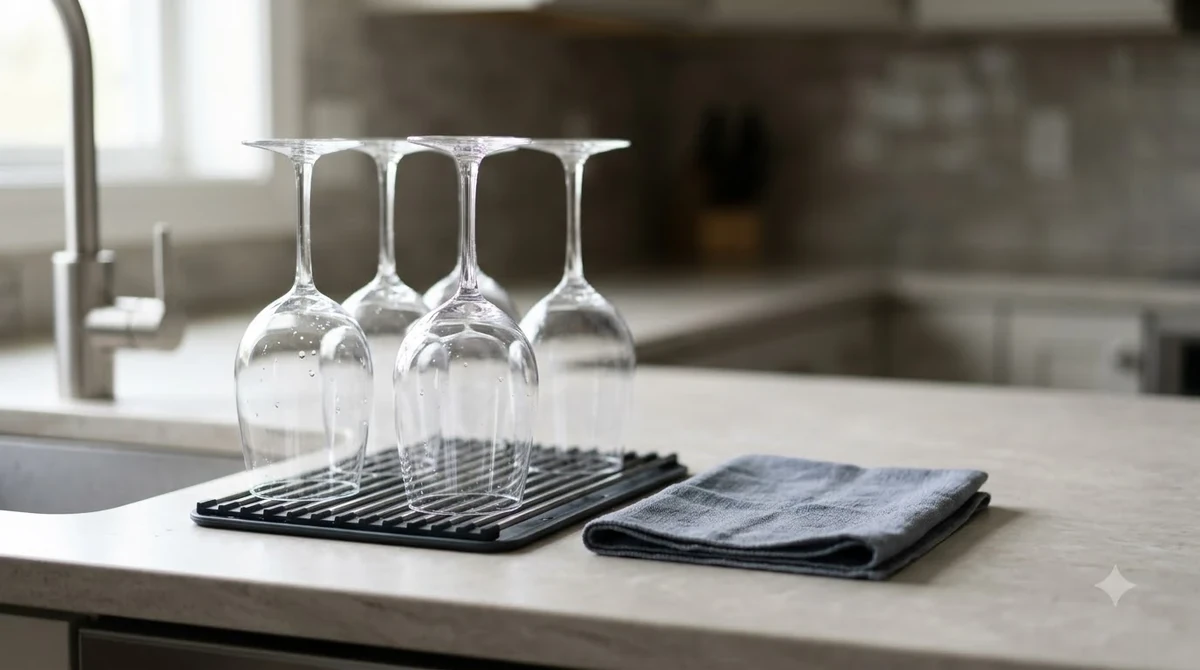
After washing, allow the glasses to dry in a secure position. If polishing is necessary, use a clean, lint-free microfiber cloth. Hold the glass by the bowl or base carefully, and avoid twisting the stem to remove water spots.
Storage considerations
Wine glasses should be stored in a location where their rims cannot strike one another. Upright storage is a straightforward option for most household cabinets, provided the shelves offer enough height and the glasses are not crowded together.
Stemware racks can be useful when cabinet space is limited, but the rack must fit the stem dimensions and support the glasses securely. Avoid storing heavy objects directly above delicate glassware.
It is also sensible to separate oversized bowls from smaller glasses. This reduces the risk of contact damage and makes it easier to retrieve a particular glass without moving several others.
Finally, inspect the rim, bowl, stem, and foot periodically. Small chips around the rim can become more noticeable with repeated handling, while hairline cracks may indicate that a glass should no longer be used. A careful storage routine can help keep an eight-piece collection looking consistent for longer.
Frequently Asked Questions
Are Bormioli Rocco wine glasses made in Italy?
Yes, the documented Restaurant white wine and Tre Sensi listings identify their respective glasses as made in Italy. However, buyers should distinguish the origin of a specific collection from the origin of every product carrying the Bormioli Rocco name. Different product lines and retail listings can have different specifications.
What does Star Glass mean in Bormioli Rocco products?
Star Glass is the manufacturer’s name for a lead-free crystal glass material. Bormioli Rocco’s professional catalog identifies it as lead-free crystal glass, distinguishing it from ordinary glass descriptions. The material name should be confirmed for the specific product rather than assumed across the entire range.
Does XLT treatment protect wine glasses against scratches?
XLT is primarily described as a stem-protection treatment that improves resistance to abrasion and common breakage causes. It is not a promise that the entire glass is scratch-proof. The bowl and rim still require protection from abrasive cleaning materials and contact with hard objects.
Can Bormioli Rocco wine glasses be used for sparkling wine?
Some Bormioli Rocco collections include dedicated sparkling wine flutes. The Electra collection, for example, includes an 8 oz sparkling wine flute, while its broader glassware assortment also includes other drinking formats. A dedicated flute is a more appropriate choice when preserving a narrow stream of bubbles is a priority.
How many wine glasses should a household keep beyond an eight-piece set?
That depends on how often the household entertains and whether it serves different wines simultaneously. A household that regularly hosts more than eight people may benefit from additional matching glasses, while people who serve sparkling wine frequently may want a separate set of flutes. Keeping a few spare matching glasses can also make accidental replacements easier.
Bormioli Rocco wine glasses offer a useful range of practical and more refined options, with documented features such as lead-free crystal, pulled stems, laser-cut rims, and XLT treatment in selected collections. The best eight-piece choice is the one whose material, bowl capacity, and construction match everyday drinking habits rather than simply the most impressive product description. Compare the exact specifications of the package before purchasing, and prioritize comfortable handling, suitable storage dimensions, and easy care.
More in Wine Glasses
 Bormioli Rocco Wine Glasses Set of 6 for Versatile Daily PouringUpdated Nov 21, 2026
 Govino Red Wine Glasses: Durable Drinkware for Red WineUpdated Nov 21, 2026
 Fitz And Floyd Champagne Glasses: Features, Fit And Buying AdviceUpdated Nov 21, 2026
 Eisch Champagne Glasses Review: Choosing the Right Crystal GlassUpdated Nov 21, 2026
 Fitz And Floyd Champagne Flutes: Features Worth KnowingUpdated Nov 21, 2026
 Eisch Champagne Flutes: Features, Quality, and Buying AdviceUpdated Nov 21, 2026