

We may earn a commission when you buy through links on this page, at no extra cost to you. Learn more.
Eisch champagne glasses are premium crystal glassware worth considering for Champagne lovers who value refined designs, delicate construction, and thoughtful details such as integrated bubble points. The brand offers several styles, from the generous UNITY SENSISPLUS bowl to the sculptural TIMEFORM collection and the more traditional SUPERIOR range. The main buying consideration is choosing between handmade and machine-blown construction, different bowl capacities, and decorative finishes that may require additional care.
EISCH takes a more design-conscious approach to sparkling wine glassware than manufacturers focused primarily on inexpensive everyday flutes. Its champagne collection includes glasses for formal celebrations, thoughtful gifts, and more frequent sparkling wine enjoyment. However, the different collections are not interchangeable: bowl dimensions, production methods, appearance, and cleaning requirements can vary considerably. This review examines the main options, explains their practical differences, and identifies which type of buyer is most likely to appreciate the investment.
Specs and Key Features of Eisch Champagne Glasses
EISCH offers several champagne glass designs, with the UNITY, TIMEFORM, and SUPERIOR SENSISPLUS collections providing particularly useful comparisons. Their specifications reveal meaningful differences in capacity, height, production method, and intended presentation.
One important distinction is that EISCH does not manufacture every champagne glass using the same process. UNITY and TIMEFORM are described as handmade, while SUPERIOR is machine-blown. This gives shoppers different construction and presentation options within the same brand rather than a single uniform product experience.
| Collection | Capacity | Height | Construction | Notable feature |
|---|---|---|---|---|
| UNITY SENSISPLUS | 400 ml | 250 mm | Handmade | Effervescence point |
| TIMEFORM SENSISPLUS | 391 ml | 240 mm | Handmade | Stepped bowl design |
| SUPERIOR SENSISPLUS | 278 ml | 235 mm | Machine-blown | Classic bulbous shape |
These measurements come from the manufacturer’s individual product specifications. They also demonstrate why it is important to compare individual models instead of assuming that every EISCH champagne glass has the same dimensions. UNITY has the largest stated capacity in this comparison, while SUPERIOR offers a more compact alternative.
All three collections feature a sparkling point, a small detail at the bottom of the bowl intended to encourage bubble formation. EISCH also associates SENSISPLUS with the perception of aromatic characteristics in wine. These are design features intended to influence the drinking experience, not guarantees that a particular Champagne will taste better in every person’s hands.
The manufacturer provides additional information on the EISCH champagne glass collection, including decorative options and different product families. Buyers should pay attention to whether a particular model is intended for individual purchase or comes in a coordinated set.
What Owners Like About the Design and Construction
EISCH receives positive attention for its delicate glass construction, distinctive appearance, and combination of traditional glassmaking and contemporary design. Owner feedback also suggests that some buyers appreciate the balance between visual refinement and practical use.
One particularly useful owner discussion appears in the Buy It For Life community on Reddit. A contributor described purchasing EISCH glassware from the factory outlet in Frauenau and reported that the champagne glasses were exceptionally thin. The same contributor said the household had used its collection through hundreds of dishwasher cycles without breaking a glass.
That experience is encouraging, but it should be interpreted carefully. It represents one owner’s account rather than a controlled comparison of glass durability. Another person’s dishwasher, loading arrangement, water quality, and handling habits may produce different results. Nevertheless, the discussion illustrates why EISCH appeals to people who want delicate-looking glassware without automatically assuming that every thin glass is unsuitable for regular use.
Delicate crystal appearance
Thin-walled crystal is a defining attraction of several EISCH collections. The lightweight feel can make a glass seem more refined during a formal Champagne service, particularly when compared with thick, heavy everyday tumblers or conventional barware.
UNITY SENSISPLUS is a good example. Its 400 ml capacity and 250 mm height create an elegant presentation, while the generous bowl gives Champagne and other sparkling wines more room than a narrow traditional flute. Its handmade construction also appeals to buyers who place importance on the character of the individual glass.
Distinctive visual details
TIMEFORM offers a more recognizable design statement through its stepped bowl. EISCH explains that the shape takes inspiration from traditional cut-glass aesthetics. The resulting contours refract light and give the glass a sculptural appearance, making it particularly suitable for a carefully arranged dining table.
The decorative CHAMPAGNER EXCLUSIVE collection offers another approach. Rather than relying primarily on bowl geometry, it uses precious-metal finishes on the stems. Depending on the version, buyers can find gold, platinum, or copper detailing. These designs are especially attractive for formal occasions where glassware contributes to the overall table presentation.
Suitable for more than Champagne
EISCH identifies Champagne, Cava, and sparkling wine as suitable beverages for UNITY SENSISPLUS. Its TIMEFORM champagne glass is also intended for a range of sparkling wines. That flexibility is useful for households that regularly alternate between traditional-method sparkling wine, Spanish Cava, Italian Prosecco, and other regional styles.
The generous bowls also provide a different presentation from narrow flutes. They allow more space above the wine for aromas to develop, which can be appealing with bottle-aged sparkling wines that show notes of citrus peel, baked apple, brioche, toasted nuts, and yeast.
For someone building a complete glassware collection, EISCH’s wider selection also makes it possible to coordinate sparkling wine service with wine glasses for still wines. That can produce a more consistent visual style across dinner parties and special occasions.
Common Complaints and Practical Limitations
The main drawbacks to consider are the delicate feel of some models, differences in cleaning requirements, and the possibility of buying a glass whose appearance matters more than its everyday practicality. EISCH offers several constructions, so these concerns do not apply equally to every collection.
Thin walls require sensible handling
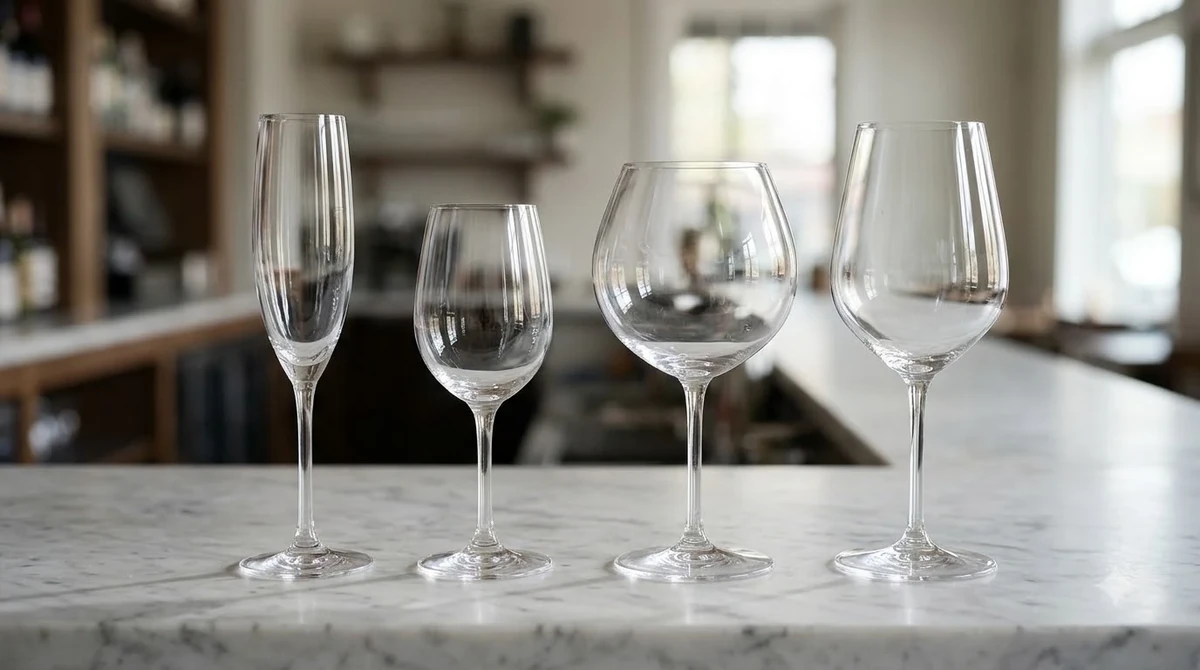
A thin-walled crystal glass can feel wonderful in the hand, but it also requires thoughtful handling. A narrow stem, fine rim, and lightweight bowl are not the features most people want to handle carelessly during a crowded party. Even if a manufacturer describes a glass as resistant to breakage, that does not make it unbreakable.
Buyers who regularly entertain large groups should consider how the glasses will be transported, washed, dried, and stored. A household with children, frequent outdoor gatherings, or limited cabinet space may find a more substantial champagne glass easier to manage.
Decorative finishes create additional maintenance
Gold, platinum, and copper detailing can make EISCH champagne glasses particularly attractive, but decorative finishes introduce a separate care consideration. EISCH advises handwashing its hand-finished glassware rather than putting those products through a dishwasher.
The manufacturer’s care guidance recommends warm water, mild dishwashing liquid, and a soft cloth. Abrasive products, harsh cleaners, and vigorous polishing should be avoided because they can damage the decorative surface. This is a meaningful limitation for people who prefer to put every item of glassware directly into the dishwasher after dinner.
Not every collection has identical care instructions
It would be inaccurate to describe all EISCH champagne glasses as either dishwasher-safe or handwash-only. TIMEFORM SENSISPLUS and UNITY SENSISPLUS are identified by the manufacturer as dishwasher-safe. SUPERIOR SENSISPLUS is also listed as dishwasher-safe.
However, the decorative CHAMPAGNER EXCLUSIVE glasses have a different maintenance profile because of their precious-metal finishes. The distinction matters more than the brand name alone. Someone buying a clear crystal glass for frequent use may have different priorities from someone choosing a gold-finished pair for anniversaries and holiday celebrations.
Limited suitability for rough everyday service
Premium crystal glassware is not necessarily the ideal choice for every occasion. A busy household might prefer sturdy everyday glasses for casual meals and reserve EISCH’s more delicate pieces for weekends, dinner parties, or special celebrations.
There is also a practical issue with replacing individual pieces. A coordinated set is easier to maintain if every glass is readily available, but a discontinued design or a particular decorative finish may become harder to match. Buyers planning a long-term collection should consider consistency and replacement availability before committing to a distinctive design.
Owner comments also show that glass clarity depends on more than the glass itself. Participants in the Reddit discussion mention water hardness, dishwasher salt, detergent, and rinse aid as potential contributors to cloudy glassware. This is useful context because a cloudy appearance does not automatically indicate a manufacturing defect.
Who Should Buy Eisch Champagne Glasses and Who Should Skip Them
EISCH is most appealing to buyers who appreciate fine crystal, thoughtful proportions, and a choice of distinctive designs. It is less suitable for people who prioritize low-maintenance glassware, inexpensive replacement, or a completely uniform everyday drinking set.
Who should consider buying
Champagne enthusiasts who regularly enjoy traditional-method sparkling wines are natural candidates. A larger bowl such as UNITY’s 400 ml design can be appealing when drinking vintage Champagne, Blanc de Blancs, or mature sparkling wine with more developed aromas.
Design-conscious hosts may prefer TIMEFORM or CHAMPAGNER EXCLUSIVE. TIMEFORM’s stepped bowl creates an interesting visual effect, while the precious-metal finishes of CHAMPAGNER EXCLUSIVE add a decorative element to formal table settings. Both collections have a stronger visual identity than a simple, conventional flute.
Gift buyers also have several options. UNITY is individually packaged in a protective gift tube, and the SUPERIOR collection is available in a four-glass gift-box set. These formats offer different advantages depending on whether the recipient needs a single special glass or enough pieces to serve several guests.
Collectors may appreciate the availability of different EISCH product families. Matching sparkling wine glasses with the brand’s other wine glass designs can create a coordinated collection rather than a mixture of unrelated shapes and finishes.
Who should skip them
People who want inexpensive, easily replaceable glasses may find EISCH unnecessarily elaborate. A household that frequently breaks glassware or uses glasses outdoors might benefit more from a simpler, sturdier design.
Similarly, buyers who dislike handwashing should avoid decorative models that require manual cleaning. Although several clear SENSISPLUS models are listed as dishwasher-safe, the decorative finish on CHAMPAGNER EXCLUSIVE creates a different maintenance requirement.
People who exclusively drink sparkling wine from very narrow flutes may also find UNITY’s generous bowl less familiar. The broader shape is a design choice intended to provide more room for aromatic expression, but personal preference remains important. A traditional flute can still be an appropriate choice for someone who prioritizes a slender presentation and a compact serving shape.
Tip: If you are buying your first EISCH champagne glass, begin with a clear crystal model rather than a precious-metal-finished version. This makes it easier to evaluate the bowl shape, stem balance, and cleaning routine before investing in a more decorative collection.
How Eisch Compares to Alternative Champagne Glass Styles
EISCH’s champagne glasses are best understood as premium design-led glassware rather than a single solution for every sparkling wine drinker. Their main alternatives are conventional flutes, broader sparkling wine tulips, and universal wine glasses that can also serve Champagne.
EISCH versus traditional champagne flutes
A traditional flute has a tall, narrow bowl that creates a recognizable champagne presentation. Its compact opening can make it convenient for receptions, formal toasts, and situations where several glasses need to fit on a serving tray.
By comparison, UNITY and TIMEFORM provide considerably more bowl space. That can be useful for appreciating the aromas of mature Champagne and complex bottle-aged sparkling wines. A narrow flute is not automatically inferior, however. It remains a practical choice for drinkers who prioritize a classic silhouette and a more restrained serving vessel.
Readers comparing the different shapes can also consult our guide to champagne flutes, which explains the practical differences between narrow and more generously proportioned sparkling wine glasses.
EISCH versus sparkling wine tulips
A tulip-shaped sparkling wine glass typically combines a narrower opening with a bowl that provides more room than a traditional flute. This compromise can work particularly well for drinkers who want to retain a recognizable sparkling wine silhouette while allowing aromas to develop.
EISCH’s larger UNITY bowl takes a more generous approach. Its 400 ml capacity offers considerable space for wine, although the amount poured should remain appropriate. A standard 5 oz serving leaves enough room in many glasses for swirling and aromatic development.
For vintage Champagne, aged Cava, and complex traditional-method sparkling wine, the broader bowl may be particularly appealing. For a quick celebratory toast with a simple sparkling wine, a more compact tulip may be equally practical.
EISCH versus universal wine glasses
Universal wine glasses offer flexibility because the same vessel can serve several wine styles. A well-proportioned all-purpose glass may be sufficient for households that do not want separate glassware for red wine, white wine, and sparkling wine.
EISCH also offers SENSISPLUS all-purpose wine glasses, but its dedicated champagne models provide a more specialized presentation. The integrated sparkling point and bowl proportions are specifically intended for sparkling beverages.
Buyers who entertain frequently and serve several wine styles may benefit from a combination of dedicated champagne glasses and versatile still-wine glasses. Those with limited storage may prefer a smaller collection of multipurpose pieces instead.
Choosing between EISCH’s own collections
The comparison within the brand is particularly useful because the three main SENSISPLUS examples have distinct characteristics. UNITY offers a generous handmade bowl, TIMEFORM adds a distinctive stepped design, and SUPERIOR provides a more compact machine-blown option.
The SUPERIOR glass has a 278 ml capacity, making it the smallest of these three examples. It may appeal to someone who prefers a more traditional serving format. UNITY and TIMEFORM are better suited to buyers who want additional space for aromatic development and a more expressive visual design.
For buyers assembling a wider collection, EISCH’s broader wine glass selection can also be compared with red wine glasses designed around different grape varieties and wine styles. Dedicated glassware can be useful, but a large collection is not essential for enjoying good wine.
Care, Storage, and Everyday Use
Correct cleaning and storage help preserve the appearance of premium glassware. EISCH’s care recommendations distinguish between unfinished crystal and hand-finished pieces, so the first step is understanding which type of glass is being handled.
Cleaning clear crystal models
For models that the manufacturer identifies as dishwasher-safe, follow the product’s individual cleaning instructions. Give each glass sufficient space so that stems and bowls do not strike neighboring items during the washing cycle.
Where the dishwasher manufacturer permits it, a suitable glassware cycle and appropriate rinse aid can help maintain clarity. Avoid placing fragile stems where they can move freely or collide with plates and cookware. After washing, remove glasses carefully rather than pulling them by the rim.
Cleaning hand-finished models
For decorative precious-metal-finished glasses, EISCH recommends handwashing. Use warm water, a small quantity of mild dishwashing liquid, and a soft cleaning cloth. Avoid abrasive pads, aggressive chemicals, and strong rubbing over the finished areas.
Dry the glass carefully using a soft, lint-free cloth. Hold the bowl and stem securely rather than twisting the stem while polishing the bowl. Excessive pressure on the connection between the stem and bowl is an avoidable source of stress.
Storing delicate champagne glasses
Store glasses upright in a cabinet with sufficient clearance above the rim. Avoid overcrowding shelves, where moving one glass can knock several neighboring pieces together. If the collection includes decorative or particularly delicate pieces, reserve a separate storage area for them.
Gift tubes and original packaging can also be useful for occasional-use glasses. They provide additional protection when transporting pieces for a celebration or storing a special pair that is not used every week.
Serving temperature and pouring
Glassware is only one part of a good sparkling wine experience. Temperature and serving size also matter. Champagne and other sparkling wines are generally best served around 40 to 50 degrees Fahrenheit, depending on their style and complexity.
Very cold wine can make aromas less expressive, while overly warm sparkling wine may seem less refreshing and lose its crisp presentation. A moderate pour of approximately 5 oz is a useful standard serving, although a smaller pour can be practical during a tasting or a multi-course dinner.
When opening a bottle, keep the bottle chilled and point it away from people. Hold the cork securely while turning the bottle rather than pulling aggressively on the cork. Pour slowly down the side of the glass to help control foam, particularly with freshly opened sparkling wine.
These simple habits help make the most of a premium glass without treating it as an ornament that should never be used. The best glassware is ultimately the glassware that fits the way its owner enjoys wine.
Frequently Asked Questions
Are Eisch champagne glasses made in Germany?
EISCH is a German glassware brand associated with the Bavarian Forest. Its manufacturer identifies its glassmaking tradition with Frauenau and the surrounding region. Individual product pages distinguish between handmade and machine-blown production methods, so the manufacturing description varies by collection.
What does the SENSISPLUS feature mean?
SENSISPLUS is EISCH’s named glass design feature intended to influence how wine aromas are perceived. The company associates it with greater expression of delicate fruit, floral, yeast, and mature notes. It is a manufacturer-described design concept rather than a standardized wine-tasting measurement.
Can Eisch champagne glasses be used for sparkling cocktails?
Clear crystal champagne glasses can also serve suitable sparkling cocktails, including a Mimosa or a French 75. However, avoid recipes involving hard garnishes, ice cubes that could strike the bowl, or vigorous mixing directly inside a delicate glass. Prepare cocktails separately and transfer them carefully.
How much Champagne should be poured into an Eisch glass?
A standard 5 oz serving is a useful starting point for a full-sized champagne glass. A 750 ml bottle contains approximately five standard servings of that size. Smaller pours are appropriate for tasting flights, particularly when comparing several sparkling wine styles at the same gathering.
Does Eisch offer champagne glasses as coordinated sets?
Yes. The SUPERIOR SENSISPLUS collection includes a four-piece champagne glass set, while UNITY is available in both individual and two-glass gift formats. Some decorative CHAMPAGNER EXCLUSIVE models are also offered as coordinated pairs, making it possible to choose a presentation that suits the occasion.
EISCH champagne glasses are a compelling option for people who appreciate refined crystal construction, distinctive bowl shapes, and carefully considered details. UNITY is a strong choice for a generous handmade glass, TIMEFORM suits buyers who appreciate sculptural design, and SUPERIOR offers a more compact alternative. Choose according to your preferred sparkling wine style, handling habits, and cleaning requirements, and the right EISCH collection can become a lasting part of your glassware selection.
More in Wine Glasses
 Spiegelau Crystal Wine Glasses That Bring Clarity to Every PourUpdated Nov 21, 2026
 Zalto Crystal Wine Glasses: Are They Worth the Investment?Updated Nov 21, 2026
 Villeroy And Boch White Wine Glasses for a More Cohesive TableUpdated Nov 21, 2026
 Zalto Wine Glasses On Sale: Find the Right Denk’Art GlassUpdated Nov 21, 2026
 Zwiesel Glas Champagne Glasses: Features, Quality and Buying AdviceUpdated Nov 21, 2026
 Zwiesel Glas Decanter Review: A Durable, Elegant Choice for Wine ServiceUpdated Nov 21, 2026