

We may earn a commission when you buy through links on this page, at no extra cost to you. Learn more.
bordeaux tasting notes help you identify a wine’s likely style by connecting its fruit, acidity, tannin, body, and finish with Bordeaux’s grapes and appellations. Cabernet Sauvignon often brings cassis and firm structure, while Merlot tends to add plum, roundness, and softer tannins. The region also makes fresh dry whites, sweet wines, rosé, clairet, and sparkling Crémant de Bordeaux, so the label and color matter as much as the name Bordeaux.
Bordeaux is not one fixed flavor profile. Its vineyards extend around the Gironde estuary and the Garonne and Dordogne rivers, and differences in grape variety, soil, climate, blending, and cellar choices shape what reaches the glass. The notes below offer a practical way to describe the wine without assuming every bottle tastes alike.
What Bordeaux Wine Usually Smells and Tastes Like
Classic red Bordeaux is usually dry, medium- to full-bodied, and built around dark or red fruit, savory detail, noticeable acidity, and tannin. The balance changes with the blend: Cabernet Sauvignon tends to make the structure firmer, while Merlot usually makes the middle of the palate rounder and more plush.
In a young red, start with blackcurrant, blackberry, black cherry, or plum. Look for secondary impressions such as cedar, pencil lead, tobacco, dried herbs, violet, or a touch of graphite. These are descriptive possibilities rather than a checklist; a simple Bordeaux AOC may be mainly fresh fruit, while a more concentrated wine from Pauillac or Saint-Émilion can show more layered savory notes.
Separate fruit ripeness from sweetness. Most red Bordeaux is dry even when the fruit smells ripe or almost jammy. Tannin creates a drying grip, acidity keeps the wine from feeling heavy, and alcohol contributes warmth. A balanced wine lets these elements support one another rather than allowing oak or tannin to dominate.
The finish is another useful clue. A straightforward red may end with cherry or blackcurrant, while a more structured wine can leave cedar, spice, or graphite after the fruit fades. Length alone does not establish quality, but a persistent finish that remains balanced is a positive sign.
Left Bank Cabernet: Cassis, Cedar, and Firm Tannin
Left Bank reds commonly show a Cabernet Sauvignon-led profile: blackcurrant, dark cherry, cedar, tobacco, and a firm tannic frame. The main reference appellations include Pauillac, Margaux, Saint-Julien, and Saint-Estèphe in the Médoc, with Graves and Pessac-Léognan farther south.
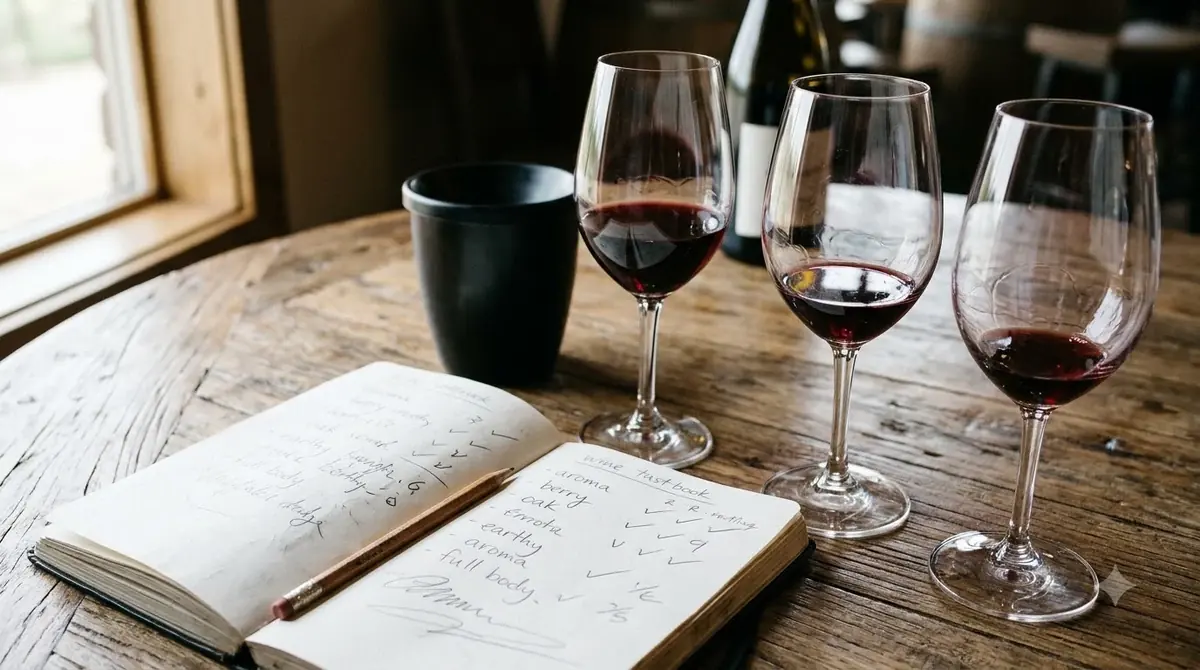
Cabernet Sauvignon is late-ripening and naturally high in tannin, so its wines often feel structured rather than immediately soft. The gravel-rich soils associated with much of the Left Bank drain readily and are well suited to Cabernet Sauvignon; Merlot and smaller amounts of Cabernet Franc, Petit Verdot, or Malbec can add flesh, perfume, color, or further structure. The blend varies by estate and vintage, so “Left Bank” is a useful clue, not a recipe.
In a young glass, look first for blackcurrant, blackberry, and sometimes cassis leaf or green herbs. Swirl and smell again for cedar, cigar box, graphite, mint, or dark spice. On the palate, the wine may feel broad but tightly held, with tannin drying the sides of the mouth and acidity giving lift. Pauillac is often associated with powerful, muscular structure; Margaux can present a more perfumed impression, although individual producers and growing conditions matter more than a simple appellation stereotype.
Not every Left Bank wine is a Cabernet-dominant heavyweight. Some Médoc blends use substantial Merlot, and approachable Bordeaux or Haut-Médoc bottlings can emphasize red fruit and freshness. When a wine seems firm, give it air and revisit the glass. Black fruit, fresh herbs, cedar, and a long dry finish are a useful starting description.
Right Bank Merlot: Plum, Floral Notes, and Rounder Texture
Right Bank reds are commonly Merlot-led, often supported by Cabernet Franc, and tend to show plum, black cherry, red berry, violet, and a rounder texture than many Cabernet-led Left Bank wines. Pomerol and Saint-Émilion are the best-known appellations, with Fronsac, Lalande-de-Pomerol, and Saint-Émilion’s satellite appellations offering other expressions.
Merlot ripens earlier than Cabernet Sauvignon and is generally softer in tannin, with a fuller impression of ripe fruit. In Bordeaux, clay and limestone are important parts of the Right Bank landscape, although the soils vary: Saint-Émilion includes a prominent limestone plateau and clay slopes, while Pomerol has gravel, sand, and more clay. One bottle may feel plush and generous while another is taut, mineral, and firmly structured.
Look for plum, black cherry, raspberry, and sometimes cocoa or baking spice. Cabernet Franc can contribute violet, fresh herbs, red-fruit lift, and a more aromatic edge. A Merlot-dominant blend should not automatically be called soft or low in acidity: better examples can carry firm tannin, freshness, and enough structure to age for many years. Compare the entry of the wine with its middle palate. A round, generous attack followed by a firm but fine finish is different from a wine that is simply low in structure.
For comparison, notice how different the same grape can seem outside Bordeaux. Reading Grenache tasting notes alongside a Merlot-led Saint-Émilion can help separate Grenache’s often red-fruited, spicy character from Merlot’s plum-driven weight. It is a useful exercise in describing the glass rather than relying on grape names alone.
White Bordeaux, Sweet Wines, Rosé, and Clairet
Bordeaux makes several distinct non-red styles, from citrusy dry whites to honeyed sweet wines, pale rosé, deeper clairet, and sparkling Crémant. Sauvignon Blanc and Sémillon form the central white-wine partnership, while Sémillon is especially important in many sweet wines from Sauternes and nearby appellations.
Dry white Bordeaux often combines Sauvignon Blanc’s freshness and citrus or grapefruit notes with Sémillon’s broader texture. You may find lemon, lime, green apple, white peach, grass, white flowers, or a faint smoky or toasty note when oak is used. A leaner Entre-Deux-Mers bottling emphasizes crisp fruit, while a barrel-fermented white from Pessac-Léognan can feel rounder and more layered. Sauvignon Blanc generally has high acidity; Sémillon adds body and texture. These whites work well with oysters, shrimp, grilled fish, goat cheese, and chicken with lemon.
Sweet Bordeaux is a different experience. In Sauternes and Barsac, ripe Sémillon is often joined by Sauvignon Blanc and Muscadelle, and the development of noble rot can concentrate the grapes. Aromas may include apricot, peach, orange peel, honey, quince, saffron, and candied fruit. The palate should balance its sweetness with enough acidity to avoid feeling flat. Serve it with a dessert at least as sweet as the wine, or pair it with blue cheese, fruit-based dishes, or savory foods that welcome a sweet contrast.
Bordeaux rosé is generally light, fresh, and fruit-driven, with red berry, citrus, and floral notes. Clairet is darker and more wine-like than a typical rosé, with deeper color, stronger red-fruit character, and a subtle tannic grip. Bordeaux’s regional body distinguishes the two by maceration: rosé may spend only a few hours on skins, while clairet can macerate for several days. Crémant de Bordeaux adds a sparkling option, made by the traditional method, with fine bubbles and citrus or floral character. Rosé and clairet suit picnic foods, salads, seafood, and grilled vegetables. For a deeper Sauvignon Blanc comparison, Sancerre tasting notes can show how a Loire Valley expression differs from a Bordeaux blend that may include Sémillon and oak.
How to Taste Bordeaux Step by Step
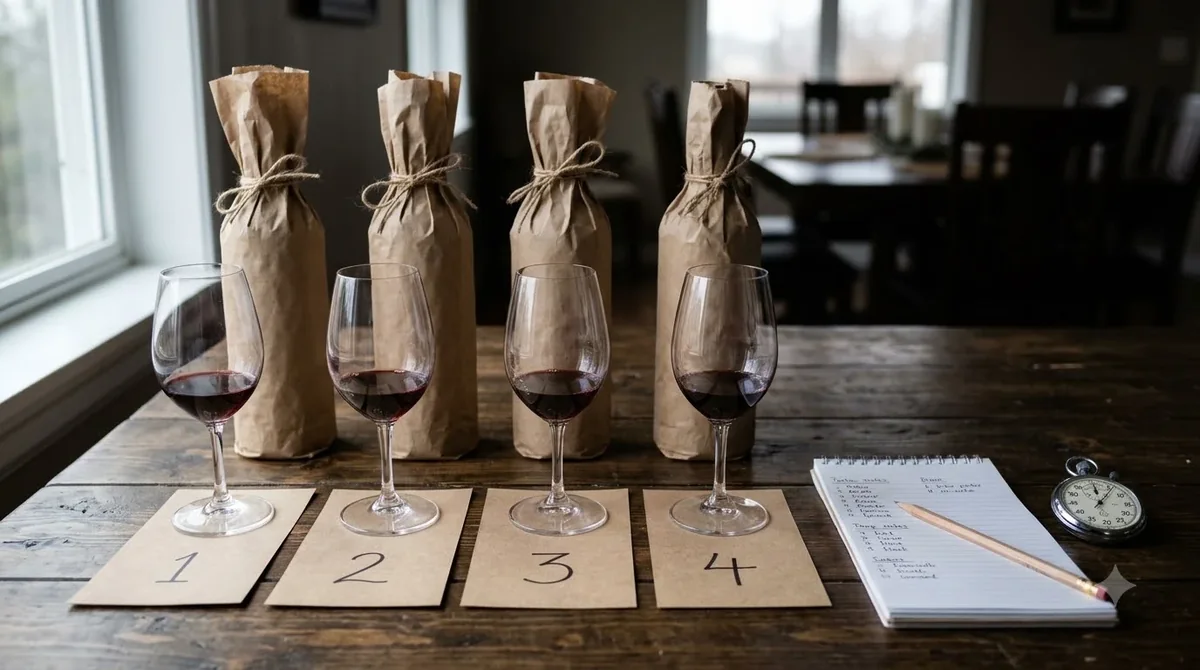
A useful tasting note follows this order: appearance, first aroma, second aroma, palate, and finish. This makes it easier to compare two Bordeaux wines without confusing fruit intensity with body or tannin with acidity.
Begin with the color against a white background. Young reds may appear ruby, purple, or deep garnet; older reds can move toward brick or garnet at the rim. Dry whites range from pale lemon to deeper gold, while sweet whites often show a richer golden hue. Color can suggest age or winemaking choices, but it cannot tell you the full story by itself.
Smell before swirling, then swirl gently and smell again. The first sniff can reveal fresh, volatile fruit; the second may bring out cedar, tobacco, spice, herbs, or oak. Choose the strongest family first: red fruit, black fruit, citrus, floral, herbal, spice, or toasted notes. Then narrow it to a specific impression such as blackcurrant, plum, violet, lemon peel, or vanilla. For a repeatable method, the Bordeaux region’s step-by-step wine tasting guide follows the same progression from sight to aroma to palate.
Take a small sip and assess the attack, mid-palate, and finish. Ask whether the wine feels light, medium, or full-bodied; whether acidity makes your mouth water; and whether tannin feels fine, grainy, or drying. In a sweet white, note whether acidity keeps the sweetness fresh. Record the finish as short, moderate, or long, then name the flavor that lingers. For example: “Dry, medium-full red with blackcurrant, cedar, and dried herbs; firm tannin, fresh acidity, and a long savory finish.” Decanter’s explanation of the Left and Right Banks also connects grape varieties and soils with the structural differences often found in the glass.
Serving, Cellaring, and Food Pairings
Serving temperature changes how Bordeaux feels: too warm can make alcohol stand out, while too cold can mute aroma and make tannin seem harder. Most full-bodied reds are best around 60–65°F, lighter reds suit 55–60°F, dry whites and rosé are expressive around 45–50°F, and sweet whites around 43–50°F. Use the table as a starting point: a fruit-forward red can be served cooler than a dense Pauillac, and a structured Pessac-Léognan white may benefit from more warmth than a crisp Sauvignon-led white.
| Style | Typical grapes | Common tasting notes | Serving temperature |
|---|---|---|---|
| Left Bank red | Cabernet Sauvignon, Merlot | Blackcurrant, cedar, tobacco | 60–65°F |
| Right Bank red | Merlot, Cabernet Franc | Plum, black cherry, violet | 60–65°F |
| Dry white | Sauvignon Blanc, Sémillon | Citrus, white peach, herbs | 45–50°F |
| Sweet white | Sémillon, Sauvignon Blanc, Muscadelle | Apricot, honey, candied citrus | 43–50°F |
| Rosé and clairet | Merlot, Cabernet varieties | Red berries, citrus, light spice | 45–50°F |
A 750 ml bottle gives about five 5-ounce pours. For a young, full-bodied red whose aromas seem closed, allow 30–60 minutes in a decanter; older bottles need more caution because prolonged aeration can fade delicate aromas. Store bottles on their side near 55°F, away from light and temperature swings. Once opened, keep still Bordeaux wines recorked in the refrigerator for 3–5 days; sparkling Crémant is best within 1–3 days when properly sealed. Return whites and reds to the refrigerator after serving, then allow them to approach their preferred temperature before the next glass.
Match the wine’s structure to the food. Cabernet-led Bordeaux has the tannin to work with grilled steak, lamb, short ribs, and other protein-rich dishes; salt and fat soften tannin, making the pairing feel less drying. Merlot-led reds suit roast pork, duck, mushroom dishes, and herb-roasted vegetables. Avoid pairing a strongly tannic red with oily fish, where the combination can taste metallic or harsh.
For dry white Bordeaux, try oysters, shrimp, grilled fish, goat cheese, or chicken with lemon. Acidic dishes need equal or higher acidity, so a crisp Sauvignon-led white works better with vinaigrette than a low-acid, heavily oaked wine. Sweet Sauternes can pair with fruit tart or blue cheese, but choose a dessert no sweeter than the wine. Chili heat is amplified by alcohol and tannin, so heavily spiced food is usually easier with a fresh white or lightly chilled rosé.
Tip: When a red Bordeaux tastes too firm, try it with a bite of salted, fatty food before deciding it is overly tannic. For a more structured comparison, explore Petit Verdot tasting notes to see how a small blending component can add color, spice, and tannin to a Bordeaux-style red.
Frequently Asked Questions
These quick answers address common questions that arise when reading a Bordeaux label or writing a tasting note. The best description still comes from the particular bottle, not the region name alone.
Is Bordeaux always a blend?
No. Blending is central to Bordeaux’s identity, but varietal bottlings also exist, including wines made primarily from Merlot or Sauvignon Blanc. The regional appellation permits multiple red and white grapes, and producers can choose a style that emphasizes one variety.
What does “Bordeaux Supérieur” mean on a red wine label?
Bordeaux Supérieur is a separate appellation category from basic Bordeaux AOC, with stricter production requirements. The regional growers’ association describes its red wines as requiring at least nine months of aging, often in oak, before release.
Can Bordeaux taste herbal or green?
Yes. Cabernet Sauvignon and Cabernet Franc can show leafy, minty, or bell-pepper-like notes, especially when fruit ripeness is less pronounced. A measured herbal character can add complexity; an aggressive green flavor may instead make the wine seem lean or underripe.
Is Bordeaux clairet sweet?
No, Bordeaux clairet is generally made as a dry wine, despite its vivid berry fruit and deeper color. Its fuller body and gentle tannin make it a useful chilled alternative to pale rosé or a light red.
Where does the name Entre-Deux-Mers come from?
The French name means “between two seas,” but the “seas” are the Garonne and Dordogne rivers rather than ocean coastlines. The area lies between those rivers and is especially associated with dry white Bordeaux.
Bordeaux tasting notes become more useful when they describe what is actually in the glass: fruit, savory aromas, acidity, tannin, body, and finish. Compare a Cabernet-led Pauillac with a Merlot-led Pomerol, then taste a dry white or Sauternes to appreciate the region’s range. With a little consistent practice, the label becomes a helpful clue rather than a substitute for tasting.
More in Wine Types & Grapes
 Zinfandel Sugar Content: Dry Red vs. White Zinfandel GramsUpdated Nov 21, 2026
 Best Zinfandel Substitute Options for Sipping and CookingUpdated Nov 21, 2026
 Zweigelt Food Pairing: Best Dishes, Cheeses, and Serving TipsUpdated Nov 21, 2026
 Zinfandel Tannins Explained: How Structure Shapes Every BottleUpdated Nov 21, 2026
 Zinfandel Sweetness Level: Dry Red vs. Sweet White Zin ExplainedUpdated Nov 21, 2026
 Xinomavro Food Pairing: Best Dishes, Styles, and Serving TipsUpdated Nov 21, 2026