

We may earn a commission when you buy through links on this page, at no extra cost to you. Learn more.
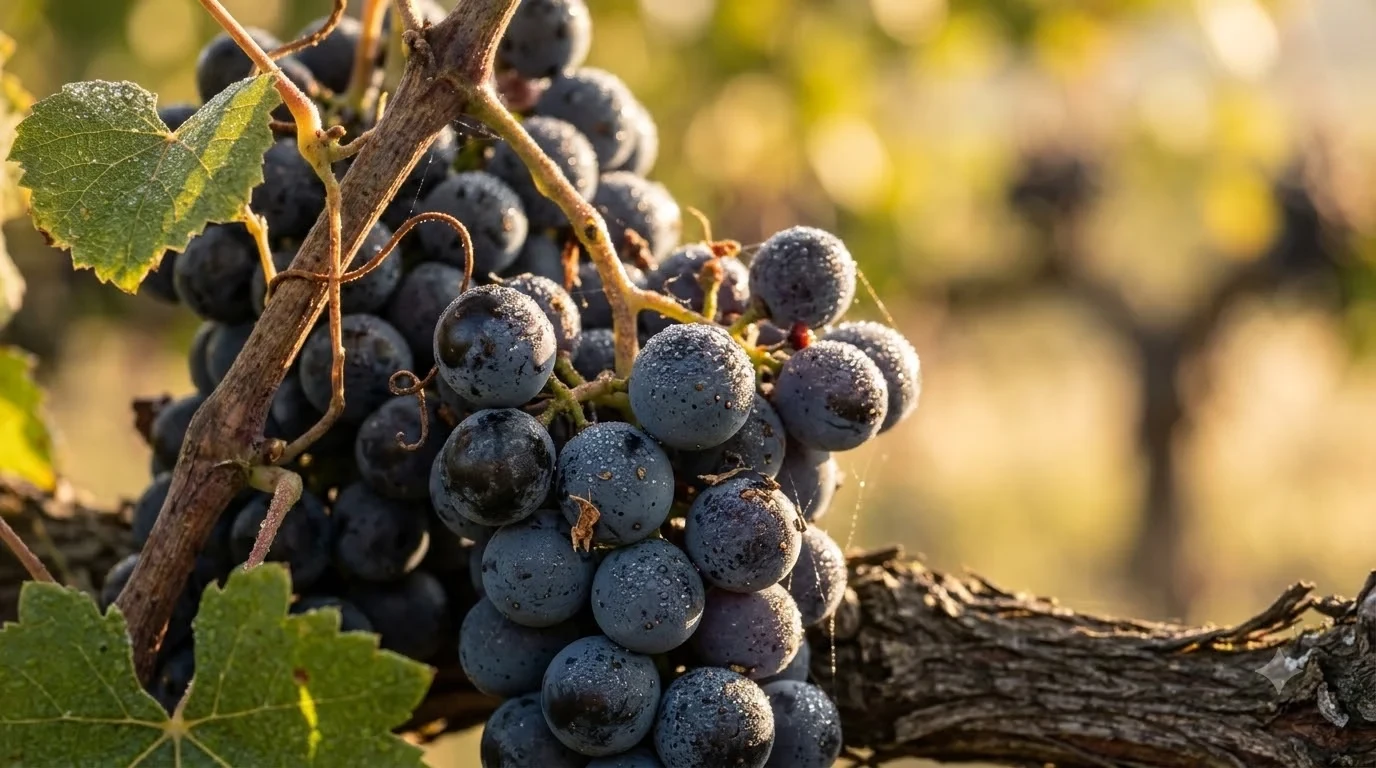
The bonarda grape is a dark red variety grown widely in Argentina, where it makes fruity, smooth reds that are often blended with Malbec. The wines are dry, with medium-full body, medium-high tannins, and plum and cherry flavors that pair well with bold, spiced food. Bonarda is not the same grape as the Italian Bonarda, so check the label or the producer’s notes to see which one is in the bottle.
This guide explains where Bonarda comes from, what its wines taste like, how to serve them, and which dishes match well. It is written for shoppers who see the name on a shelf and want to know what to expect before they buy.
What Bonarda Is and Where It Grows
Bonarda is a dark-skinned red grape. The name is used for more than one variety, which is a common source of confusion. According to Wine Folly’s Bonarda profile, the Argentine grape is “not the same grape as the Italian Bonarda” and is also known by the synonyms Charbono and Douce Noir, so the difference matters when you read a label.
In Argentina, the grape is widely grown, and its wines are generally approachable, with soft texture and fruit forward flavors. Many producers blend Bonarda with Malbec, which gives the blend more fruit and a lighter structure than Malbec alone.
Because the grape is grown in a warm, dry climate, the wines usually show ripe fruit and a rounded finish. Bonarda is less common in other wine countries, so most shoppers will meet it mainly as an Argentine wine. A bottle from another country labeled Bonarda may follow a different style, so read the back label.
If you see a bottle from a different country that uses the Bonarda name, treat it as a separate style to explore. The grape and the wine can differ in flavor, weight, and texture, so a tasting note from one bottle may not describe the next. Reading the producer’s website or the back label helps you set the right expectation before you open the bottle.
Flavor, Body and Style
The typical Bonarda profile centers on dark fruit. Wine Folly describes plum sauce, cherry, cardamom, fig paste, and graphite as the main flavors. The page describes the wines as bone-dry, which means there is no residual sweetness, even though the fruit can taste rich and ripe.
In body, Bonarda sits between a light red and a full red. The same source lists a medium-full body, medium-high tannins, and medium acidity. Tannins add grip and texture, so a Bonarda can feel firm enough to match grilled and braised meats without tasting heavy.
Alcohol is moderate for a red. Wine Folly lists 11.5 to 13.5% ABV, which is lower than many big reds from warm regions. That makes Bonarda a practical choice for a relaxed dinner where you want a full-flavored red without a very high alcohol level.
How to Serve Bonarda
Serving temperature matters for a red with this much fruit and tannin. Wine Folly suggests serving Bonarda at 15 to 20°C, which is 60 to 68°F. Cooler than room temperature lets the fruit stay bright, while a little warmth shows the spice and texture. Pour it into a universal wine glass, which gives enough room to swirl and smell the wine.
Decanting is a useful step for many Bonardas. The same source recommends decanting for about 30 minutes before serving. A short decant softens the tannins and lets the aromas open up, which is especially helpful for wines that are a few years old.
Bonarda can also age. The page suggests cellaring for five to ten years, although many everyday bottles are meant to be enjoyed within a few years of release. Check the producer’s notes on the label or website to see whether a bottle is built for aging or for drinking young.
| Serving factor | Suggested approach |
|---|---|
| Temperature | 15 to 20°C (60 to 68°F) |
| Glass | Universal wine glass |
| Decanting | About 30 minutes for younger bottles |
| Cellaring | Five to ten years for structured bottles |
| Alcohol level | 11.5 to 13.5% ABV |
Tip: If the bottle is young and tastes tight, decant it for half an hour and taste again before judging.
Food Pairings That Work With Bonarda
Bonarda pairs well with dishes that have spice, smoke, or rich sauce. Wine Folly suggests Latin American-inspired foods, including mole sauces, curried potatoes, empanadas, and tacos al pastor. The fruit in the wine balances chili heat, while the tannins hold up to fatty meat and savory fillings.
Simple grilled meats work too. Sausages, pork chops, and roasted chicken with herbs all match a medium-bodied red with firm texture. For a vegetarian meal, try roasted mushrooms, lentil stews, or charred peppers, since these dishes bring out the wine’s earthy notes.
Bonarda also suits a mixed plate, such as a platter of grilled vegetables with a spiced sausage. The wine’s fruit can link the different flavors, so you do not need a separate bottle for each course.
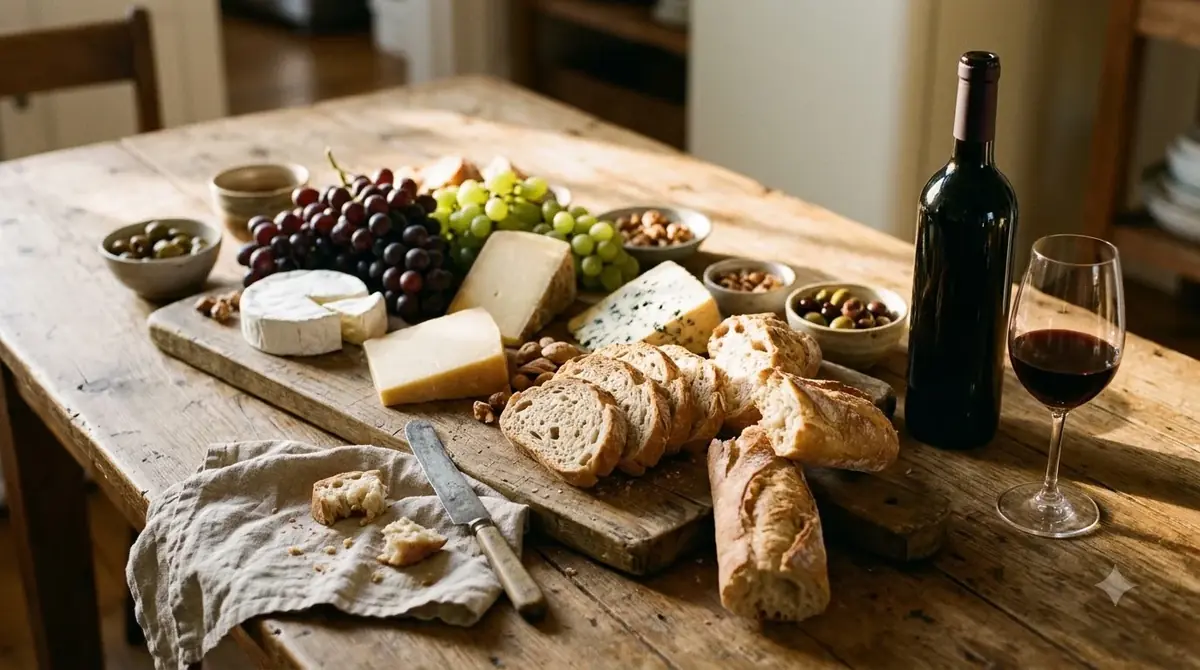
Avoid very delicate fish or light salads, which can make the wine taste heavier than it is. A simple cheese plate with aged cheddar or Manchego also works well, especially if you pair the cheese with a few slices of dried fruit.
Bonarda also works well as an everyday wine. Because it is fruit forward and not overly heavy, it suits a weeknight dinner as well as a weekend gathering. Many people like to open a bottle when they are cooking a long braise or grilling for a group, since the wine holds its own against strong flavors without overpowering the table.
How to Choose a Bonarda Bottle
Start by reading the label. Look for the grape name and the region, since Argentina is the main source. If you are new to the wine, choose a bottle from a producer that describes its style clearly, rather than one that relies only on a vague marketing word.
Compare the alcohol level and the aging notes. A lower alcohol bottle tends to feel fresher and lighter on the palate, while a bottle with more structure may suit a longer dinner or a cold-weather meal. If you like Malbec, a Bonarda-Malbec blend is a natural next step because the grapes share some of the same fruit character.
If you prefer a different style of red, you can compare Bonarda with other grapes. The Chambourcin grape guide covers a different red with its own flavor profile. If you are also curious about whites, the Cortese grape and Chablis grape guides show how other grape families taste. The Wine by Type hub lists the major grape families side by side.
Frequently Asked Questions
Is Bonarda the same as Italian Bonarda?
No. The Argentine Bonarda grape is a different variety from the Italian Bonarda. Check the label and the producer’s notes to confirm which grape you are buying.
Is Bonarda a sweet wine?
Usually not. Wine Folly describes Argentine Bonarda as bone-dry, with fruit flavors that can taste rich. Some producers may make lighter, softer styles, so read the back label if you prefer a sweeter red.
What does Bonarda taste like?
Expect plum, cherry, and dark fruit, with cardamom and fig notes in some bottles. The tannins are medium-high, so the wine has enough structure to pair with savory and spiced food.
Should I decant Bonarda?
For younger bottles, a short decant of about 30 minutes can soften the tannins and open the aromas. Older bottles may need a gentler approach, so pour slowly and taste as you go.
Bonarda rewards a little curiosity. Look for the Argentine label, serve it slightly cool, and pair it with spiced or grilled food. A single bottle can show you how a warm, dry climate shapes a red that is fruity but still structured.
More in Wine Types & Grapes
 Zinfandel Sugar Content: Dry Red vs. White Zinfandel GramsUpdated Nov 21, 2026
 Best Zinfandel Substitute Options for Sipping and CookingUpdated Nov 21, 2026
 Zweigelt Food Pairing: Best Dishes, Cheeses, and Serving TipsUpdated Nov 21, 2026
 Zinfandel Tannins Explained: How Structure Shapes Every BottleUpdated Nov 21, 2026
 Zinfandel Sweetness Level: Dry Red vs. Sweet White Zin ExplainedUpdated Nov 21, 2026
 Xinomavro Food Pairing: Best Dishes, Styles, and Serving TipsUpdated Nov 21, 2026