

We may earn a commission when you buy through links on this page, at no extra cost to you. Learn more.
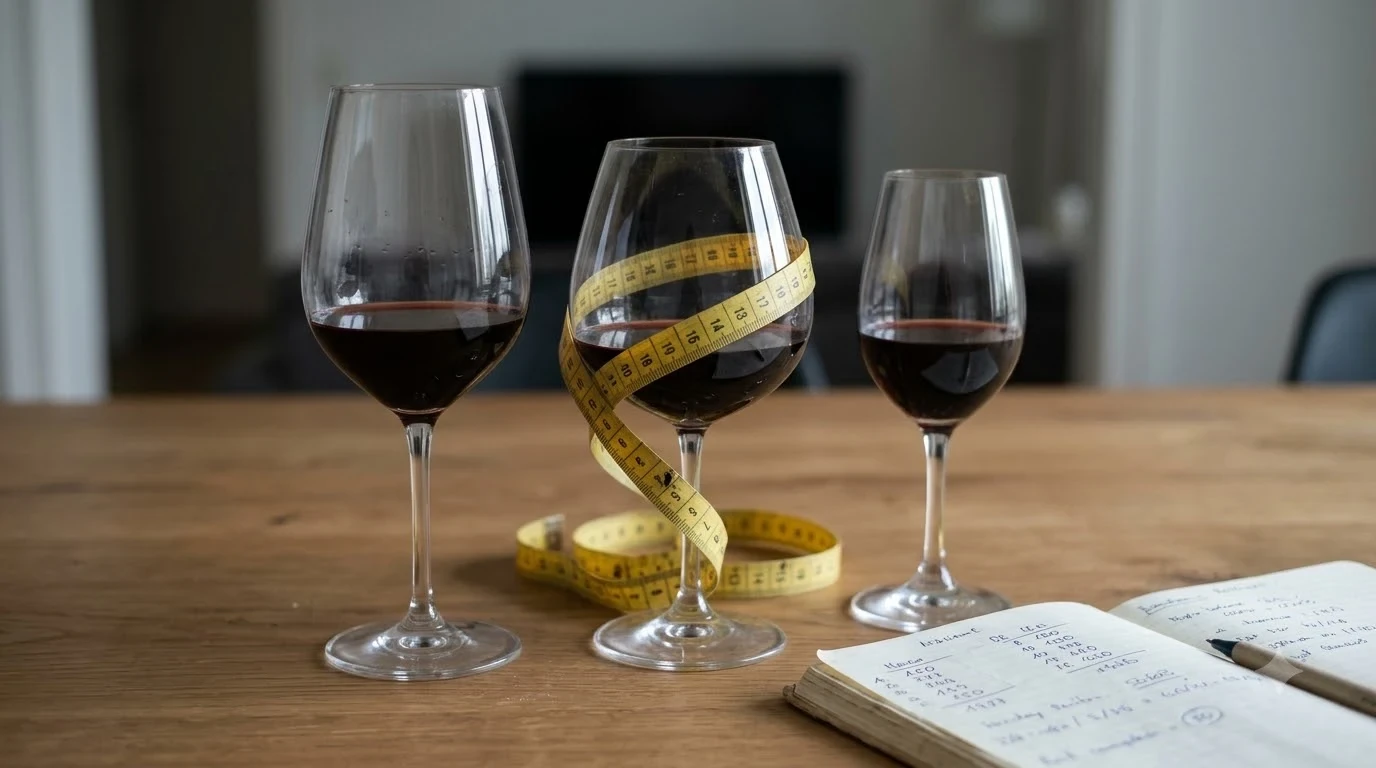
Bodum stemless wine glasses are an attractive choice for everyday wine drinking if you appreciate double-wall glass construction, comfortable handling, and modern presentation. The PAVINA collection is particularly interesting because its borosilicate glass walls create a floating appearance while helping maintain beverage temperature. However, these glasses are multipurpose tumblers rather than traditional wine-specific glassware, so buyers who prioritize wine aroma, generous swirling space, or delicate wine presentation should consider that distinction before purchasing.
Bodum is well known for functional glassware with distinctive designs, and its PAVINA collection brings that approach to stemless drinkware. The glasses work for red wine, white wine, cocktails, iced drinks, and coffee. This review examines the construction, available capacities, wine-drinking experience, cleaning requirements, and practical limitations to help determine whether they deserve a place in your glassware collection.
Specs and Key Features
Bodum PAVINA glasses combine mouth-blown borosilicate glass with a double-wall design and a small silicone pressure-equalizing vent. Their distinctive appearance and insulating construction make them different from conventional single-wall stemless wine glasses, although their multipurpose shape also introduces some compromises for dedicated wine service.
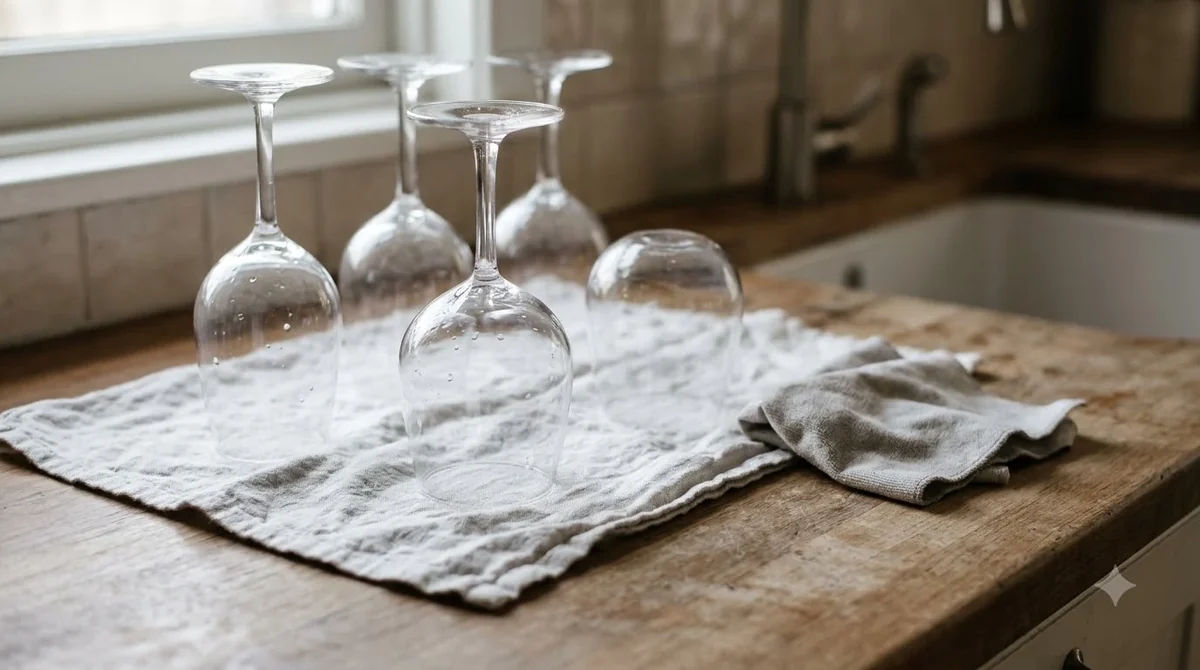
The double-wall construction is the defining feature. Instead of a single layer of glass surrounding the beverage, PAVINA uses an inner drinking vessel and an outer protective-looking layer separated by an air gap. This arrangement creates the floating appearance that makes the collection recognizable. The glass also feels different from an ordinary tumbler because the exterior does not directly follow the temperature of the liquid inside.
Bodum uses borosilicate glass, a material commonly selected for glassware that must handle changes in temperature. A silicone vent at the bottom helps equalize air pressure between the two layers when hot or cold beverages are added. The vent is an important functional component, not simply a decorative detail.
The standard PAVINA range is available in several capacities, giving buyers flexibility for different beverages. Sur La Table identifies 8-, 12-, and 15-ounce options, although the precise selection can vary by retailer and collection. The 12-ounce version is a practical middle ground for ordinary wine pours and mixed drinks.
| Specification | Bodum PAVINA details |
|---|---|
| Product category | Double-wall stemless tumbler |
| Primary material | Borosilicate glass |
| Additional material | Silicone pressure vent |
| Small capacity | 8 oz |
| Medium capacity | 12 oz |
| Large capacity | 15 oz |
| 12 oz width | 8.8 cm |
| 12 oz height | 11.6 cm |
| Construction | Double-wall |
| Dishwasher safe | Yes, according to Bodum |
| Microwave safe | Yes, according to Bodum |
| Oven safe | Up to 350°F for the specified US model |
| Shatterproof | No |
One important distinction is that capacity does not automatically determine wine suitability. An 8-ounce glass can work for a modest serving, while a 15-ounce glass offers more room for swirling. A 12-ounce tumbler provides a reasonable compromise, but the width and depth of the bowl still matter for how comfortably wine moves around the glass.
The 12-ounce specifications above come from Bodum’s US product information. Retailer listings may combine specifications for several sizes, so buyers should distinguish the dimensions of their selected glass from the dimensions of another PAVINA version.
Another detail worth understanding is that borosilicate does not mean unbreakable. Bodum explicitly classifies its PAVINA glasses as not shatterproof. The construction offers useful thermal characteristics, but the glass remains a fragile material that deserves ordinary care.
For the manufacturer’s full feature description, see the official Bodum PAVINA product specifications.
What Owners Like
The strongest appeal of Bodum PAVINA glassware is its combination of appearance and everyday versatility. The double-wall construction creates an unusual presentation, while the stemless shape makes the glasses convenient for casual meals, entertaining, and drinks beyond wine.
The floating effect is probably the most recognizable visual advantage. A pour of Pinot Noir, Sauvignon Blanc, or sparkling wine appears suspended inside the outer glass. This gives a simple table setting a more distinctive appearance without requiring elaborate decorative glassware.
For people who enjoy modern kitchen accessories, the design also works with different serving styles. Clear glass complements wooden dining tables, contemporary countertops, and neutral dinnerware. Unlike heavily decorated wine glasses, PAVINA does not compete visually with the color of the wine or the rest of the table.
Temperature comfort is another reason buyers consider this design. The air gap between the walls helps reduce direct heat transfer between the beverage and the exterior surface. With iced drinks, this also helps limit the condensation associated with conventional single-wall glassware.
That feature can be useful during a relaxed dinner when guests hold their glasses for longer periods. A chilled white wine or rosé can be served without the outside becoming as noticeably cold and wet as an ordinary tumbler. The glass remains comfortable to hold, although the liquid itself still needs appropriate serving temperatures.
Versatility is equally important. PAVINA is not restricted to wine. Bodum promotes the collection for coffee, tea, cold brew, hot chocolate, cocktails, and other beverages. This means buyers can use the same glassware throughout the day rather than keeping separate tumblers for every type of drink.
The 12-ounce capacity is particularly useful for this purpose. It offers room for a standard wine serving with some additional space, while also accommodating iced coffee or a simple cocktail. The 8-ounce version is more compact, and the 15-ounce option provides additional room for drinks with ice.
Cleaning convenience is another positive. Bodum lists the specified PAVINA models as dishwasher-safe, and Sur La Table also identifies dishwasher cleaning as an approved care option. This is helpful for households that use their glasses frequently and prefer not to wash every item by hand.
There is also an aesthetic advantage to using matching glasses for different beverages. A dinner party can have a consistent table appearance even when guests choose different drinks. Water, wine, and cocktails can all be presented in similar glassware, reducing the need for several separate collections.
For a household that values multipurpose kitchenware, these practical benefits can outweigh the limitations of a specialized wine glass. The PAVINA design is especially appealing when casual entertaining and visual presentation matter as much as traditional wine service.
Common Complaints
The main drawback is that PAVINA is not a conventional wine glass. Its rounded tumbler construction and double-wall appearance prioritize versatility and temperature comfort rather than the specific bowl geometry that experienced wine drinkers may prefer.
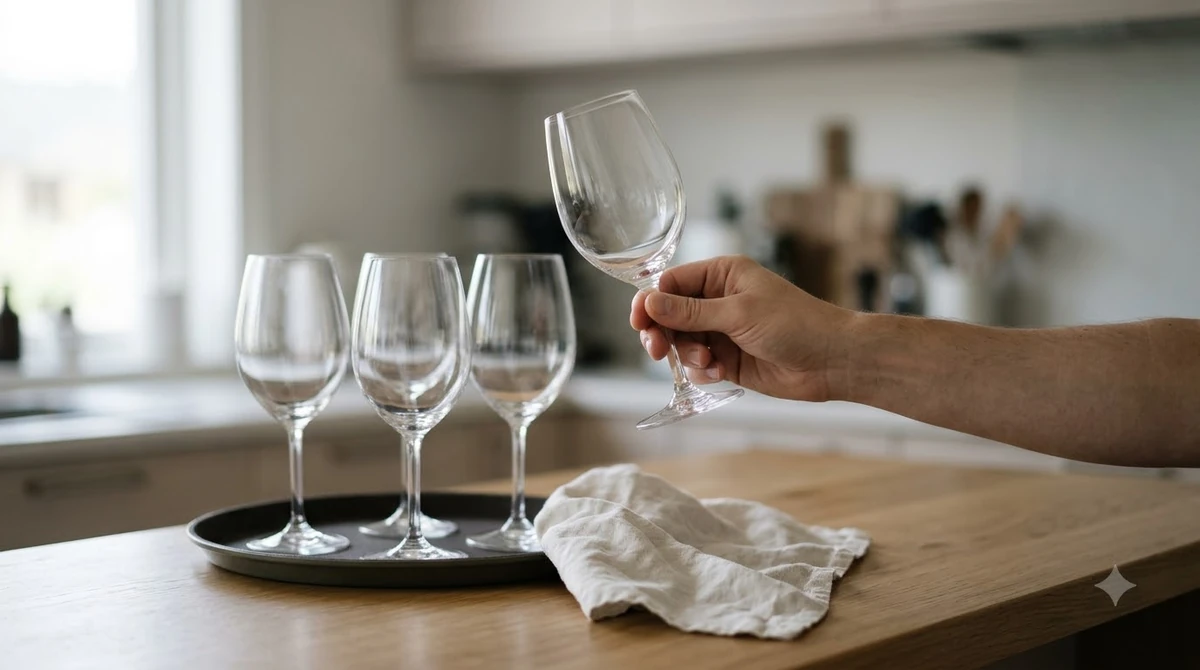
A traditional wine glass is designed around the relationship between bowl width, opening diameter, and headspace. These characteristics influence how aromas collect above the liquid and how easily a drinker can swirl the wine. PAVINA’s multipurpose shape does not necessarily provide the same experience as a dedicated Burgundy, Bordeaux, or universal wine glass.
This distinction becomes more apparent with aromatic wines. Pinot Noir, Nebbiolo, and Cabernet Sauvignon can benefit from appropriate bowl dimensions that allow their aromas to develop and concentrate. A simple tumbler can still serve these wines, but it may not provide the same focused aromatic presentation.
Swirling is another consideration. A stemless glass can be perfectly stable on a table, but a broad, relatively short tumbler may require more attention when swirling wine. The double-wall construction also changes the proportions and visual feel compared with a traditional wine bowl.
Temperature management is not entirely straightforward either. Although the double-wall design helps insulate the beverage from external temperature changes, the glass is still held directly in the hand. A wine drinker who frequently holds the bowl may find a stemmed glass more convenient for preserving the intended serving temperature.
Fragility is a separate concern. Borosilicate glass is not equivalent to plastic or stainless steel. Bodum does not describe PAVINA as shatterproof, and the double-wall structure does not eliminate the possibility of chips, cracks, or breakage.
The construction also means the glasses deserve attention during cleaning and storage. Although dishwasher use is listed as acceptable for the specified models, careless contact with other dishes can still damage glassware. Stacking them without protection can create unnecessary pressure and increase the chance of accidental damage.
Another possible disadvantage is the visual bulk. Some wine enthusiasts prefer a thin, lightweight rim that almost disappears during drinking. Double-wall tumblers have a different appearance and drinking profile, so they may not satisfy someone who values the delicate feel of fine wine glasses.
The interior shape also matters when washing by hand. Depending on the selected capacity and hand size, reaching the bottom with a sponge can be less convenient than washing a conventional wide-opening glass. A suitable soft bottle brush can make cleaning easier without placing unnecessary pressure on the glass.
Finally, the multipurpose character can be a disadvantage for buyers who want a clearly defined wine collection. PAVINA works well as general drinkware, but someone building a dedicated collection for Cabernet Sauvignon, Chardonnay, and sparkling wine may prefer separate glass shapes designed around those styles.
These limitations do not make the product unsuitable. They simply mean that the design is best evaluated as versatile double-wall drinkware rather than as a direct replacement for every traditional wine glass.
Who Should Buy and Who Should Skip
Bodum PAVINA is best suited to people who want modern, multipurpose glassware for casual wine drinking and everyday beverages. It is less suitable for buyers who prioritize traditional wine-tasting characteristics, delicate stemware, or a specialized glass for every grape variety.
Who should consider buying
Casual wine drinkers: If most wine drinking takes place at dinner, during movie nights, or with friends, a versatile tumbler may be more useful than a collection of specialized glasses. PAVINA can accommodate a moderate pour of Merlot, Pinot Noir, or Chardonnay without requiring a separate glass for each wine.
Modern kitchen enthusiasts: The floating appearance makes PAVINA visually distinctive. Buyers who appreciate contemporary tableware and minimalist interiors may prefer its clean appearance over conventional stemware.
People who enjoy several beverages: A household that drinks coffee in the morning, iced tea in the afternoon, and wine in the evening can make good use of a multipurpose design. The same 12-ounce glass can serve different drinks without requiring a separate dedicated tumbler for each occasion.
Hosts who prefer casual entertaining: PAVINA can create a coordinated table presentation without making the occasion feel overly formal. The stemless shape is convenient for relaxed gatherings, buffet-style meals, and informal dinner parties.
Buyers interested in double-wall glassware: People who appreciate the visual and functional benefits of insulated glass construction will find the PAVINA concept appealing. The silicone vent and borosilicate construction are meaningful design details rather than purely decorative features.
Who should skip it
Dedicated wine enthusiasts: Someone who regularly compares different wine varieties may prefer glasses with more specialized bowl shapes. A large Burgundy bowl and a narrower white wine glass offer different serving characteristics that a universal tumbler cannot fully reproduce.
People who prefer stemmed glassware: If avoiding direct hand contact with the wine is a priority, a traditional stemmed glass remains the more appropriate option. A stem also makes swirling easier for people accustomed to conventional wine service.
Households needing highly durable drinkware: PAVINA is still glass, and Bodum does not classify it as shatterproof. Homes where glasses frequently encounter rough handling may be better served by suitable durable alternatives.
Collectors of fine wine accessories: Buyers looking for delicate rims, specialized crystal bowls, or a complete collection for different grape varieties may find the PAVINA design too general-purpose.
There is also a useful distinction between everyday use and formal occasions. A casual glass for weekday dinners does not need to perform exactly like professional tasting glassware. However, a formal dinner featuring several premium wines may justify using dedicated stemmed glasses.
For a wider selection of designs, the guide to stemless wine glasses can help compare more traditional wine-focused shapes with multipurpose tumblers. Buyers who want a complete range of bowl styles can also explore the broader selection of wine glasses.
How It Compares to Alternatives
Bodum PAVINA occupies a particular position between everyday tumblers and specialized wine glasses. Its strongest selling point is the double-wall construction, while other stemless designs may place greater emphasis on wine aroma, swirling space, rim shape, or lightweight handling.
The most useful comparison is not simply which glass looks better. Instead, consider how each design supports the beverage, how frequently it will be used, and whether the additional insulation is more valuable than traditional wine-glass proportions.
Traditional single-wall stemless glasses
A conventional stemless wine glass generally has a bowl designed around wine service rather than multipurpose drinkware. Some models closely resemble stemmed wine glasses, with a rounded bowl and narrower opening that help concentrate aromas.
The primary advantage is familiarity. A single-wall glass usually offers a more direct connection between the drinker and the beverage, and its proportions may make swirling easier. The absence of a second glass layer can also make the vessel feel lighter and simpler.
PAVINA takes a different approach. Its double-wall construction gives it a more distinctive appearance and helps reduce temperature transfer to the exterior. However, it may not offer the same wine-focused bowl shape found in dedicated stemless designs.
Traditional stemmed wine glasses
Stemmed glasses remain the conventional choice for formal wine service. The stem gives the drinker a place to hold the glass without wrapping a hand around the bowl, which helps limit warming from direct hand contact.
They also offer more specialized shapes. A Bordeaux glass, for example, is designed with more room for fuller-bodied reds, while a smaller white wine glass can support the presentation of crisp, aromatic wines.
PAVINA is easier to use as general drinkware, but it cannot replace every advantage of stemmed glassware. Buyers who frequently serve Cabernet Sauvignon, Syrah, or aged Pinot Noir may prefer a dedicated wine glass for those occasions.
Riedel Wine Friendly tumblers
Riedel’s Wine Friendly range is another option for people who prefer stemless wine glasses but still want a shape associated with wine service. Good Housekeeping’s comparison of stemless glassware included the Riedel Wine Friendly tumbler and described its profile as similar to a traditional wine glass without the stem.
This makes it a useful point of comparison. Riedel’s wine-oriented approach may appeal to someone who wants a more recognizable wine bowl, while Bodum emphasizes double-wall construction and multipurpose use.
Neither approach is automatically better. A buyer choosing between them should decide whether wine presentation or insulation and everyday versatility are more important.
Choosing according to the wine
The beverage itself should influence the decision. A medium-bodied Merlot or a casual glass of Pinot Noir can work well in a general-purpose tumbler. A structured Cabernet Sauvignon, on the other hand, may benefit from a larger wine bowl that gives the aromas more room to develop.
White wines present another consideration. Sauvignon Blanc and Riesling are generally served cooler than full-bodied reds, so the insulating characteristics of PAVINA may be appealing during a relaxed meal. However, the size of the glass should still suit the serving rather than simply providing maximum capacity.
Sparkling wine is a particularly interesting case. A PAVINA tumbler can create an attractive presentation for sparkling wine, but it is not a replacement for a flute or tulip glass designed specifically for sparkling wine service.
For people who mainly drink Cabernet Sauvignon, a dedicated collection of red wine glasses may be more appropriate. Those who want to compare manufacturers and glassware styles can also browse Glassware Brands before choosing a complete set.
Tip: Think about your most frequently served beverage before choosing a capacity. For ordinary wine pours, a 12-ounce PAVINA offers a useful balance between serving space and everyday versatility. If you regularly swirl aromatic reds or serve wine during formal tastings, consider adding a dedicated wine glass rather than relying exclusively on multipurpose tumblers.
How to Care for Bodum PAVINA Glasses
Bodum lists the specified PAVINA models as dishwasher-safe, but careful handling remains important because the glasses are not shatterproof. Proper cleaning, sensible storage, and attention to sudden temperature changes help preserve their appearance and double-wall construction.
First-use cleaning
Bodum recommends washing the glasses in warm, soapy water before their first use and drying them thoroughly. This removes manufacturing and packaging residue and prepares the glassware for serving.
A soft sponge or nonabrasive cloth is appropriate for ordinary cleaning. Avoid aggressive scrubbing tools that could scratch the exterior or damage the glass through unnecessary pressure. The goal is to clean the surface without treating the glass like heavy-duty kitchen equipment.
Dishwasher use
Dishwasher compatibility is one of the more convenient features of PAVINA. Bodum lists the specified US model as dishwasher-safe, and the retailer Sur La Table also identifies dishwasher cleaning as acceptable for its PAVINA listings.
Even so, placement matters. Avoid forcing the glasses into crowded racks where they can knock against plates, cutlery, or other glassware during the wash cycle. Give each glass sufficient clearance and use a normal glassware-friendly cleaning routine.
Temperature changes
Borosilicate glass is selected partly for its thermal characteristics, and Bodum lists PAVINA as suitable for hot and cold drinks. Nevertheless, avoiding unnecessary temperature shocks is sensible for any glass product.
Do not assume that a glass taken directly from a very cold environment should immediately receive boiling liquid. Allowing the vessel to adjust to room temperature is a reasonable precaution, particularly when the glass has been stored in a refrigerator or freezer.
Storage and handling
Store the glasses in a cupboard where they will not be knocked against heavy cookware. Avoid placing objects inside them during storage, and do not force one glass into another unless the manufacturer specifically permits stacking.
When serving wine, use a stable, level surface. A stemless design eliminates the risk of a long stem snapping, but the glass can still tip if placed near the edge of a table or pushed by another object.
The silicone vent is an important part of the double-wall system. Avoid poking, scraping, or attempting to remove it. The pressure-equalizing feature is designed to function as part of the original construction, so modifying it is not appropriate.
Finally, remember that dishwasher-safe and shatterproof are two different properties. Dishwasher compatibility describes an approved cleaning method, not immunity to impact. Treating PAVINA as quality glassware rather than unbreakable drinkware is the sensible approach.
Frequently Asked Questions
Are Bodum PAVINA glasses suitable for red wine?
Yes. They can serve red wine, including Merlot, Pinot Noir, and Cabernet Sauvignon. However, their multipurpose tumbler proportions are not identical to dedicated Bordeaux or Burgundy glasses. The choice depends on whether casual convenience or specialized wine presentation matters more.
Do Bodum double-wall glasses have a completely sealed interior?
No. The design includes a silicone vent at the base to equalize pressure between the two glass layers. This component is part of the construction and should not be removed or altered. It distinguishes the design from an ordinary sealed glass container.
Can Bodum PAVINA glasses be used for hot wine drinks?
Bodum describes PAVINA as suitable for hot beverages, including coffee and tea, and lists the specified glassware as microwave and oven safe within its stated temperature limit. A warm spiced wine drink can therefore be considered as a serving use, provided the manufacturer’s temperature and usage instructions are followed.
Are all Bodum PAVINA glasses the same height?
No. Dimensions depend on the selected capacity and design. The specified US 12-ounce model measures 11.6 cm high, while other PAVINA versions and special collections can have different proportions. Compare the dimensions of the exact size before purchasing storage organizers or cupboard inserts.
Can the double-wall glass be repaired if moisture enters between the layers?
A glass showing moisture between its walls may have a problem with its construction or vent area. Do not attempt to drill, seal, or disassemble it at home. Contact Bodum customer support with the product details and purchase documentation to ask about the appropriate remedy.
Bodum PAVINA is a compelling choice for buyers who want attractive double-wall glassware that can move between wine, coffee, cocktails, and everyday drinks. Its main strengths are visual presentation, comfortable handling, and multipurpose functionality, while its main compromise is that it does not reproduce the specialized proportions of traditional wine glasses. Choose the 12-ounce version as a practical starting point for general use, and consider dedicated stemware alongside it if wine tasting and formal serving are important parts of your routine.
More in Wine Glasses
 Spiegelau Crystal Wine Glasses That Bring Clarity to Every PourUpdated Nov 21, 2026
 Zalto Crystal Wine Glasses: Are They Worth the Investment?Updated Nov 21, 2026
 Villeroy And Boch White Wine Glasses for a More Cohesive TableUpdated Nov 21, 2026
 Zalto Wine Glasses On Sale: Find the Right Denk’Art GlassUpdated Nov 21, 2026
 Zwiesel Glas Champagne Glasses: Features, Quality and Buying AdviceUpdated Nov 21, 2026
 Zwiesel Glas Decanter Review: A Durable, Elegant Choice for Wine ServiceUpdated Nov 21, 2026