

We may earn a commission when you buy through links on this page, at no extra cost to you. Learn more.
Blue Nun wine price typically ranges from about $10 to $15 for a standard 750 ml bottle of its everyday white and Riesling wines, while its 24K Gold sparkling wine generally costs about $15 to $22. Blue Nun is an established German wine brand with several styles, so the amount you pay depends on the bottle, retailer, location, and availability. For an affordable everyday white, start with Authentic White or Riesling; for celebrations, compare the 24K Gold sparkling range.
Blue Nun has a long history in the American wine market, where its recognizable label and approachable German wine styles have made it familiar to casual wine drinkers. Its lineup now extends beyond the traditional white wine to include Riesling, Gewürztraminer, red wines, alcohol-free options, and sparkling bottles. Understanding the differences helps shoppers decide whether a standard bottle or a more distinctive expression makes better sense for their budget. This guide compares typical US retail prices, bottle sizes, wine styles, and practical buying considerations.
Who This Is For: Blue Nun Shoppers and Everyday Wine Buyers
Blue Nun is worth considering for shoppers who want an approachable German wine without paying premium-wine prices. Its standard white and Riesling selections are particularly relevant for casual dinners, informal gatherings, and people who prefer fruit-forward wines with some softness.
The brand has a recognizable history. Blue Nun was established in 1921 by H. Sichel Söhne in Mainz, Germany, and became internationally popular during the decades following World War II. Its Liebfraumilch bottling helped introduce many international consumers to German wine. The producer identifies Langguth Erben as the company’s present owner, following its acquisition of the brand in the late 1990s. That background explains why Blue Nun remains a familiar name even among shoppers who do not regularly purchase German wines.
For a first-time buyer, the standard Blue Nun white wine is a sensible starting point. It offers a fruit-driven profile, refreshing acidity, and noticeable residual sweetness. The producer describes its Authentic White as aromatic, soft, balanced, and delicate, with apple and fruit aromas. Its listed alcohol content is 10% ABV, making it a relatively moderate-strength option compared with many full-bodied table wines.
Riesling buyers have another reason to consider the brand. Blue Nun Riesling combines aromatic fruit with lively acidity and a slight residual sweetness. The producer lists its alcohol content at 10.5% ABV. It is particularly suitable for people who enjoy a white wine that is refreshing rather than heavy.
Blue Nun is also relevant to shoppers who need an inexpensive bottle for a party. Its 24K Gold Edition is a sparkling wine containing genuine 24-karat gold flakes. It offers a more decorative presentation than the standard white wines and is aimed at celebrations and casual entertaining.
However, Blue Nun is not automatically the right purchase for every wine drinker. Someone looking for a highly mineral, bone-dry German Riesling or a complex bottle with extended aging potential may prefer a different producer. Blue Nun’s main appeal is accessibility, recognizable branding, and a selection of relatively approachable styles.
Key Factors to Compare: Bottle Prices, Sizes, and Wine Styles
The biggest differences in Blue Nun buying decisions are the wine style, bottle size, and retailer’s price. Comparing equivalent 750 ml bottles provides the clearest starting point because that is the standard format used for most of the brand’s everyday wines.
| Blue Nun wine | Typical US retail range | Common size | Buying consideration |
|---|---|---|---|
| Authentic White | About $10–$15 | 750 ml | Approachable everyday white |
| Riesling | About $10–$15 | 750 ml | Fruit-forward with lively acidity |
| Gewürztraminer | About $12–$18 | 750 ml | Aromatic and gently sweet |
| 24K Gold Edition | About $15–$22 | 750 ml | Decorative sparkling wine |
| Blue Nun Merlot | About $10–$16 | 750 ml | Accessible fruit-forward red |
These are practical shopping ranges rather than guaranteed nationwide prices. The standard Blue Nun and Riesling figures are consistent with listings at Total Wine, where the respective 750 ml bottles are listed at $11.99 and $10.99. The same retailer lists 24K Gold Sparkling at $19.99. Actual prices vary by state and retailer, and availability can change between stores. For current product listings and bottle comparisons, consult Total Wine’s Blue Nun selection.
Other retailer listings provide useful comparisons. H-E-B lists a 750 ml Blue Nun Riesling at $11.98, with a notice that prices can vary between in-store, curbside, and delivery purchases. Its listing illustrates why a shopper should compare the actual local bottle rather than assume a single nationwide price.
Retailer differences do not necessarily indicate a difference in wine quality. Some stores have different distribution arrangements, local taxes, bottle selections, and inventory levels. A bottle listed at one price in Texas may not have the same shelf price in California or another state.
Bottle size is another important consideration. A standard 750 ml bottle provides approximately five traditional 5 oz wine servings. A 1.5 L bottle contains twice as much wine, or approximately ten 5 oz servings, making it more practical for larger gatherings when available.
Blue Nun’s 24K Gold Edition has additional size options in the producer’s international range, including 200 ml, 750 ml, and 3 L formats. These formats serve different occasions, so comparing the cost per milliliter is more useful than looking only at the bottle’s total price.
For shoppers comparing the brand’s different expressions, the Blue Nun wine overview provides another useful starting point. It helps distinguish the traditional white from the wider range of bottles carrying the same recognizable name.
Tip: Compare bottles with the same volume before deciding which listing offers better value. A 1.5 L bottle may look more expensive than a 750 ml bottle, but it contains twice the wine. For a party, calculate the approximate number of 5 oz servings rather than comparing the shelf price alone.
Step-by-Step: How to Buy Blue Nun Wine at the Right Price
A good purchase starts with identifying the style you actually want. Once you know whether you prefer a slightly sweet white, aromatic Riesling, or sparkling wine, comparing retailers becomes much easier.
-
Choose the wine style.
Decide whether you want Authentic White, Riesling, Gewürztraminer, Merlot, or 24K Gold sparkling wine. For a straightforward introduction, start with the standard white. For brighter acidity and aromatic fruit, consider Riesling. -
Set a bottle-size requirement.
Choose 750 ml for a small dinner or a first purchase. Consider 1.5 L where a larger format is available and several guests will share the wine. Smaller sparkling formats can be convenient for individual servings. -
Check more than one retailer.
Compare the listings at national wine retailers and local grocery stores. Total Wine and H-E-B provide examples of retailers carrying Blue Nun products. Availability differs by state, so a product page does not guarantee that a particular store has stock. -
Compare equivalent bottles.
Make sure the grape variety, wine style, and bottle volume match. A standard white and a Riesling are not identical products, even if their shelf prices are close. A sparkling 24K Gold bottle should also be compared with other sparkling wines rather than ordinary still whites. -
Review the alcohol content.
The producer lists Authentic White at 10% ABV and Riesling at 10.5% ABV. Its Gewürztraminer is also listed at 10.5% ABV. These figures help distinguish the styles and provide a practical reference when selecting a bottle. -
Consider the occasion.
For weekday meals, a standard white or Riesling is usually the practical choice. For a birthday, holiday gathering, or toast, the sparkling 24K Gold Edition offers a more festive presentation. -
Check the final purchase cost.
Account for local taxes, applicable deposits, and delivery charges. A bottle’s displayed online price may not represent the final amount paid at checkout.
This process prevents a common shopping mistake: choosing the cheapest listing without checking what is actually inside the bottle. A lower price is useful only if the style, volume, and occasion match your requirements.
It is also helpful to establish a realistic spending limit before browsing. If you want a straightforward bottle for dinner, the standard Blue Nun white or Riesling range is a logical place to begin. If presentation is important, spending somewhat more on the sparkling version may make better sense.
For a broader comparison with other accessible supermarket wine brands, the Barefoot wine range provides a useful reference point. The two brands serve overlapping casual-wine occasions, although their grape varieties, origins, and individual expressions differ.
Types or Styles Explained: What Are You Paying For?
Blue Nun’s price differences become easier to understand once the wine styles are separated. The brand includes several white wines, a red selection, and sparkling expressions, each with a different flavor profile and intended occasion.
For the producer’s descriptions and specifications of its individual wines, see the official Blue Nun wine range.
Authentic White
Authentic White is the straightforward option for shoppers who want a fruity German white wine with a soft, approachable character. The producer describes aromas of apples and fruit, alongside mineral notes and refreshing acidity.
Its analytical information lists 10% ABV, 6.5 g/L acidity, and 30 g/L residual sugar. That residual sugar figure is important because it explains why the wine has a noticeably soft, slightly sweet character rather than tasting completely dry.
Its recommended serving temperature is 10–12°C, approximately 50–54°F. It works with chicken, light stews, vegetables, and fish dishes. For casual entertaining, it is an uncomplicated option that does not require an elaborate menu.
Blue Nun Riesling
Riesling is a useful choice for shoppers who want a little more aromatic character and lively acidity. Blue Nun’s producer describes it as aromatic, lively, and slightly sweet, with fruit acidity that helps balance its residual sugar.
The producer lists the wine at 10.5% ABV and recommends serving it at 9–11°C, approximately 48–52°F. Its US product sheet identifies Rheinhessen, Germany, as its growing region and specifies 27 g/L residual sugar and 6.0 g/L acidity.
That combination makes the wine suitable for people who enjoy ripe fruit character without wanting a heavy white wine. It pairs naturally with chicken, Asian dishes, vegetables, and fish.
Gewürztraminer
Blue Nun Gewürztraminer offers a more aromatic experience. The producer describes rose and vanilla aromas, a rich flavor profile, and mild acidity. It is a reasonable option for shoppers who enjoy floral wines and softer acidity.
Its listed specifications include 10.5% ABV, 5.0 g/L acidity, and 34 g/L residual sugar. The producer recommends a serving temperature of 10–12°C. White meat and spicy cheeses are suggested food matches.
Because its aromatic profile differs from the standard white and Riesling, Gewürztraminer is best purchased by people who already know they enjoy floral, expressive white wines.
Merlot and Cabernet Sauvignon
Blue Nun’s red selection gives shoppers an alternative to its more familiar white wines. Its Merlot is described as smooth and full-bodied, with blackcurrant and spicy plum characteristics. The producer lists 13% ABV and recommends serving it at 15–17°C, approximately 59–63°F.
The Cabernet Sauvignon is described as a smooth, full-bodied red with fruity and spicy notes. The producer identifies the Languedoc region of France as its growing region and lists 13.5% ABV.
These wines suit shoppers who prefer red wine with meals such as pasta, stews, and red meat. Merlot generally has softer tannins than Cabernet Sauvignon, making it a useful starting point for people who do not enjoy particularly firm red wines.
24K Gold Sparkling Wine
The 24K Gold Edition is the brand’s distinctive celebration-oriented bottle. The producer describes it as a light, elegant sparkling wine with fruitiness and genuine 24-karat gold flakes that highlight the bubbles.
Its listed alcohol content is 11% ABV, and the recommended serving temperature is 8–10°C, approximately 46–50°F. It is intended for celebrations, aperitifs, and light meals or hors d’oeuvres.
This bottle generally costs more than the standard Blue Nun white and Riesling. The difference is partly related to its sparkling presentation and distinctive gold-flake feature, so buyers should decide whether those features matter for their occasion.
For anyone comparing the alcohol strength of the white selections, the guide to Blue Nun wine alcohol content provides additional context for understanding the differences between individual bottles.
Common Mistakes When Comparing Blue Nun Prices
Price comparisons can become misleading if shoppers treat every Blue Nun bottle as the same product. The most common problems involve mixing bottle sizes, overlooking sweetness, and assuming that sparkling wine is directly comparable with still wine.
Comparing Different Bottle Sizes
A 1.5 L bottle contains twice as much wine as a 750 ml bottle. It will normally have a higher total shelf price, but that does not mean it offers worse value. Calculate the cost per 750 ml equivalent before deciding.
The same approach applies to smaller bottles. A 200 ml sparkling bottle may have a lower total price, but its cost per milliliter can be higher than that of a standard 750 ml bottle. Smaller packaging can still be convenient when only one or two people are drinking.
Assuming Every Blue Nun White Wine Tastes the Same
Authentic White, Riesling, and Gewürztraminer have different aromatic and structural characteristics. Authentic White emphasizes fruit, softness, and balanced acidity. Riesling brings more pronounced aromatic character and lively acidity, while Gewürztraminer offers floral aromas and a richer impression.
These differences matter more than a small price gap. A shopper who prefers refreshing acidity may be happier with Riesling, while someone who enjoys floral aromas may prefer Gewürztraminer.
Confusing Sweetness With Quality
Sweetness is a matter of style, not a simple measure of quality. Blue Nun’s Authentic White and Riesling have noticeable residual sweetness, which can make them more approachable for people who do not enjoy very dry wines.
However, a shopper who expects a bone-dry white wine may find the style different from what they wanted. Understanding the difference between dry, off-dry, and sweet wine is more useful than relying on the brand name alone.
Ignoring the Difference Between Still and Sparkling Wine
Blue Nun 24K Gold is a sparkling product, not simply another version of its regular white wine. Its bubbles and gold flakes make it visually different and more appropriate for certain occasions.
Comparing it directly with an everyday still white can produce an unfair value judgment. Compare sparkling wines with other sparkling options, considering presentation, serving occasion, and flavor.
Expecting the Same Price Everywhere
Wine prices vary between retailers and states. Local alcohol regulations, distribution costs, taxes, inventory, and shipping restrictions can all affect the final purchase amount.
A retailer’s displayed price should therefore be treated as a reference rather than a guaranteed nationwide figure. It is particularly important to distinguish an online listing from a local store’s actual shelf price.
Care or Storage Tips: Getting the Most From Your Bottle
Proper storage and serving temperatures help preserve Blue Nun’s freshness and make its different styles more enjoyable. White and sparkling wines generally benefit from chilling, while red wines should not be served excessively warm.
Store Unopened Bottles Correctly
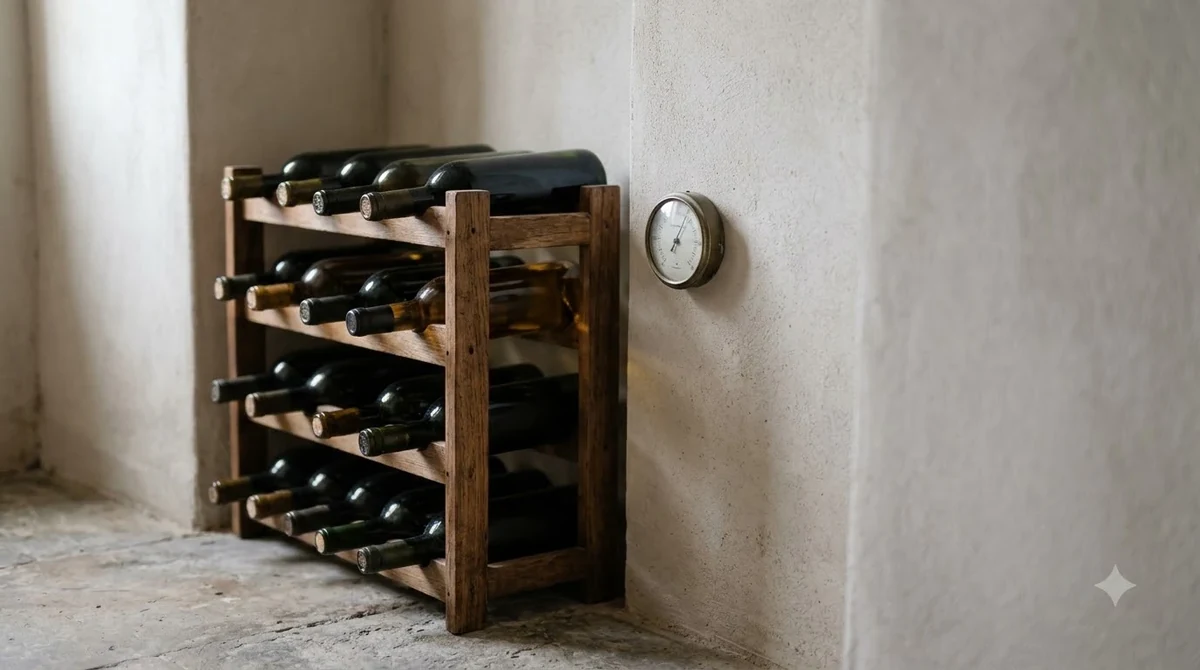
Store unopened bottles in a cool, dark location with a relatively consistent temperature. A temperature near 55°F is a useful general target for wine storage. Keep bottles away from direct sunlight, radiators, ovens, and other sources of heat.
For bottles with cork closures, horizontal storage helps keep the cork from drying out. Avoid repeated temperature changes, especially if a bottle will be stored for an extended period.
Blue Nun’s everyday white wines are generally intended for accessible, relatively early drinking rather than long-term cellaring. There is little reason to purchase an ordinary bottle with the expectation that several years of storage will transform it into a premium-aged wine.
Serve Each Style at the Appropriate Temperature
Serving temperature has a noticeable effect on the wine’s aroma and balance. Blue Nun’s Authentic White is recommended at 10–12°C, while the Riesling is recommended at 9–11°C. The Gewürztraminer also benefits from a cool serving temperature of 10–12°C.
For the 24K Gold Edition, the producer recommends 8–10°C. This helps preserve the refreshing sparkling character. Chilling a bottle before guests arrive also makes serving easier.
For Blue Nun Merlot and Cabernet Sauvignon, the producer recommends 15–17°C. That is cooler than many warm indoor environments, so a brief period in a cool room or refrigerator can be helpful before serving.
Use Appropriate Glassware
A standard white wine glass works well for Authentic White, Riesling, and Gewürztraminer. A narrower sparkling wine glass can help retain bubbles in the 24K Gold Edition, although a white wine glass can also be used when aroma is the priority.
For red wines, use a glass with enough room to allow aromas to develop. There is no need to purchase expensive specialist glassware just to enjoy an accessible everyday bottle.
Preserve Opened Wine
Once opened, still white wines should be resealed and refrigerated. A practical general guideline is to consume them within three to five days, depending on how they are stored and how much air enters the bottle.
For sparkling wine, a suitable sparkling-wine stopper helps preserve carbonation. Opened sparkling wine generally keeps for approximately one to three days in the refrigerator, although its bubbles gradually diminish.
Pouring approximately 5 oz per serving makes it easier to estimate how many glasses remain. A standard 750 ml bottle provides about five servings, which is useful when planning a dinner or small gathering.
These storage practices help protect the wine’s freshness and fruit character. They also make it easier to enjoy a bottle over more than one meal without wasting the remaining wine.
Frequently Asked Questions
Is Blue Nun considered a German wine?
Yes, Blue Nun originated in Germany and was established in Mainz in 1921. Its traditional white and Riesling selections are associated with German wine production, although the brand also offers wines from other European regions. Its Cabernet Sauvignon, for example, is identified by the producer as coming from France’s Languedoc region.
Does Blue Nun make alcohol-free wine?
Yes. The producer lists both Alcohol-Free White and Alcohol-Free Red in its wider wine selection. Its published product information lists the white at 0.2% ABV and the red at 0.1% ABV. These are separate products from the regular alcoholic Blue Nun white and red wines.
What grape is used in Blue Nun Riesling?
Blue Nun Riesling is made from the Riesling grape. The producer’s US product sheet identifies Rheinhessen in Germany as its growing region and F.W. Langguth Erben as the producer. This is a varietal wine rather than simply a generic white blend.
Does Blue Nun offer larger sparkling wine bottles?
Yes. The producer lists the 24K Gold Edition in 200 ml, 750 ml, and 3 L formats. The larger 3 L bottle is designed for occasions where a standard bottle may not provide enough servings. Availability of individual formats depends on the market and retailer.
Who imports Blue Nun wine into the United States?
The producer’s US Riesling product sheet identifies Shaw-Ross International as the US importer. The document lists its importer location in Miramar, Florida. Importer information can be useful for shoppers or retailers seeking distribution details and product identification.
Blue Nun remains a practical choice for shoppers looking for accessible German-style whites, aromatic Riesling, and a distinctive sparkling option. The standard 750 ml bottles are the most straightforward starting point, while the 24K Gold Edition is better suited to celebrations. Compare the same wine style and bottle size across local retailers to find a suitable option for your budget and occasion.
More in Wine Brands
 Underwood Wine Price: Compare Bottles, Cans, and Pack SizesUpdated Nov 21, 2026
 Zenato Wine Price: Compare Styles and Choose the Right BottleUpdated Nov 21, 2026
 Zuccardi Wine Price: Compare Bottles and Find the Right RangeUpdated Nov 21, 2026
 Yellow Tail Moscato Review: Taste, Sweetness and Serving TipsUpdated Nov 21, 2026
 Wolf Blass Yellow Label Review: Choose Your Best StyleUpdated Nov 21, 2026
 Wolffer Estate Rose Review: Choose the Right Bottle for Your TableUpdated Nov 21, 2026