

We may earn a commission when you buy through links on this page, at no extra cost to you. Learn more.
This black box pinot grigio review finds that Black Box is a practical choice for drinkers who want a crisp, dry, fruit-forward white wine in convenient packaging. Its typical flavor profile includes pear, honeydew, citrus, green apple, and refreshing acidity, making it suitable for casual meals and everyday entertaining. The 3-liter format holds approximately four standard 750-milliliter wine bottles, while its resealable bag-in-box packaging is designed to keep the remaining wine fresh for up to six weeks after opening.
Black Box Pinot Grigio occupies a useful position in the American boxed-wine market: it offers familiar white-wine flavors without requiring a full bottle to be opened every time someone wants a glass. Its appeal is less about complexity or age-worthy character and more about dependable freshness, approachable fruit, and convenient storage. Understanding its flavor, alcohol content, packaging, and serving requirements makes it easier to decide whether this wine suits your household.
Who This Wine Is For
Black Box Pinot Grigio is best suited to people who prefer uncomplicated, dry white wine and want the flexibility to pour one or two glasses without finishing an entire bottle. Its light-bodied character and citrus-driven profile work particularly well for casual lunches, outdoor meals, and informal gatherings.
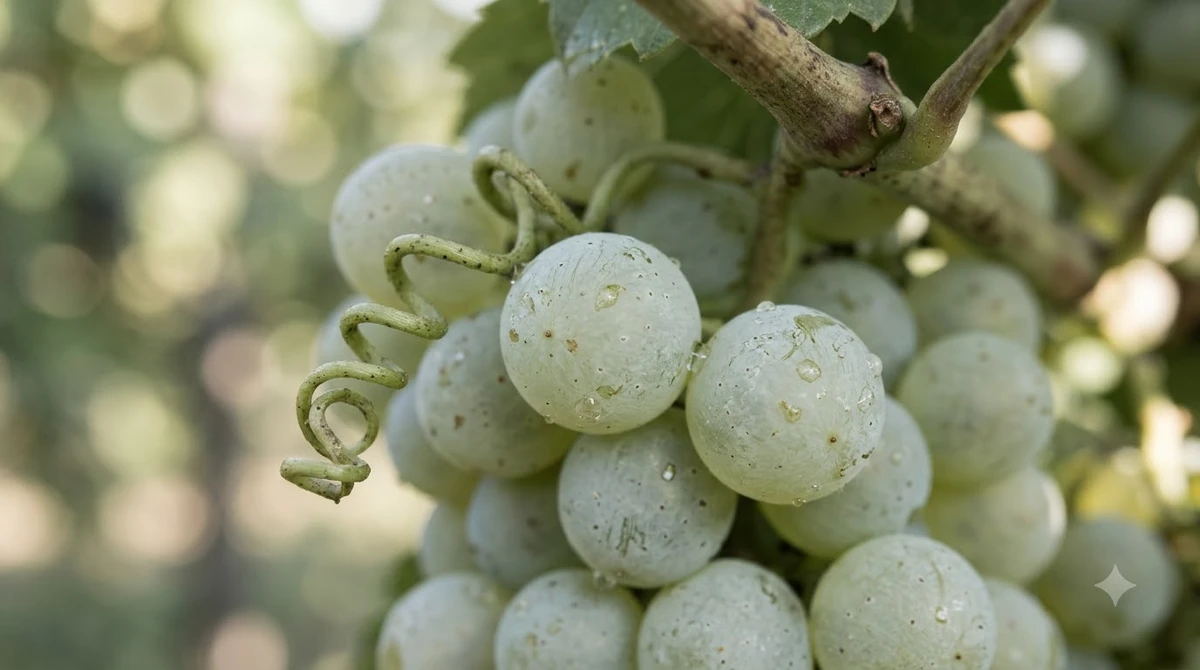
Drinkers who enjoy refreshing white wines with recognizable fruit flavors should find the style approachable. Wine Enthusiast describes its reviewed California bottling with aromas of kiwi, guava, orange peel, and apple, followed by peach, apricot, pear, and lime zest on the palate. That combination creates a fruit-forward profile without making the wine taste like a sweet dessert beverage. The finish is described as very dry, an important distinction for shoppers who enjoy ripe fruit aromas but prefer little apparent sweetness.
The wine also makes sense for households where several people enjoy white wine at different times. A 3-liter box contains the equivalent of four 750-milliliter bottles, providing considerably more flexibility than purchasing four separate bottles. Rather than opening a new bottle every evening, the dispensing system allows a glass to be poured while the remaining wine stays inside its sealed bag.
Entertainers may find the format particularly practical. For a backyard barbecue, a family gathering, or a relaxed dinner with friends, a single box can serve multiple guests without requiring several bottles and additional corkscrews. Its shatter-resistant outer packaging is also convenient around patios and outdoor dining areas where glass bottles can be less practical.
However, Black Box Pinot Grigio is not necessarily the right selection for someone looking for a highly distinctive regional wine, intricate mineral character, or a white wine with substantial oak influence. Those preferences generally call for exploring different producers and more specific vineyard or appellation expressions.
It is also important to distinguish convenience from universal suitability. A household that drinks only an occasional glass over several months may not need a large package, even with its extended freshness claim. A smaller carton or traditional bottle may be more appropriate for infrequent consumption.
Key Factors to Compare Before Buying
The most useful buying considerations are the wine’s dryness, fruit profile, alcohol level, package capacity, and freshness after opening. Comparing these five characteristics helps establish whether Black Box fits your drinking habits rather than relying on the packaging alone.
First, consider flavor. The published descriptions consistently identify pear, honeydew, and citrus as recognizable characteristics. Wine Enthusiast and Tastings.com provide more detailed tasting descriptions, including peach, apricot, lemon zest, grapefruit, and floral notes. These are useful reference points for understanding the style, although individual bottlings can vary.
Second, consider dryness. Retail listings describe the wine as dry, and Tastings.com also characterizes its reviewed bottling as dry. Fruit aromas should not be confused with residual sweetness: ripe pear and peach flavors can appear in a wine that finishes clean rather than sugary.
Third, examine alcohol content. Published listings are not completely consistent, with reviewed and retail-listed examples showing 12%, 12.0%, and 12.5% ABV. This makes the distinction between a particular reviewed bottling and a current retail package important. For a closer explanation of the figures and their implications, see our guide to Black Box Pinot Grigio alcohol content.
The package size is another major consideration. A 3-liter box equals four 750-milliliter bottles, or approximately 20 standard 5-ounce pours. That capacity is useful for frequent drinkers and groups, but it may be excessive for someone who rarely drinks white wine.
Finally, examine the freshness claim. Target and BevMo describe the resealable package as capable of keeping the wine fresh for up to six weeks after opening. This is a product claim rather than a guarantee that every glass will taste identical throughout that period. Refrigeration, clean dispensing, and careful handling still matter.
| Buying factor | Black Box Pinot Grigio | What it means |
|---|---|---|
| Wine style | Dry white | Suitable for drinkers who prefer little sweetness |
| Body | Light to medium | Approachable rather than heavy |
| Alcohol content | 12% to 12.5% in published listings | Varies between reported bottlings and listings |
| Large package | 3 liters | Equivalent to four 750 ml bottles |
| Standard serving | 5 ounces | Approximately 20 servings per 3-liter box |
| Storage claim | Up to 6 weeks after opening | Follow proper refrigeration and dispensing practices |
| Typical flavor profile | Pear, honeydew, citrus, peach | Fresh, fruit-forward character |
| Suggested serving temperature | 45–50°F | Preserves freshness and acidity |
One useful point of comparison is the difference between the standard Black Box Pinot Grigio and other boxed Pinot Grigio offerings. For example, Bota Box Pinot Grigio provides another recognizable option in the same general category. Comparing the two by flavor preference, package size, and available alcohol information is more helpful than assuming all boxed Pinot Grigio tastes alike.
For additional information about this producer and other wines in its range, the Wine Brands section provides a broader starting point for comparing familiar labels.
For an independent tasting perspective, Wine Enthusiast’s Black Box Pinot Grigio review provides additional details about the fruit aromas, palate, and finish of its reviewed California bottling.
Step-by-Step: How to Choose and Serve Black Box Pinot Grigio
Choosing this wine is straightforward when the decision is broken into a few practical steps. Start with the package size, confirm the wine style, and then prepare the wine at an appropriate temperature before serving.
-
Decide how much wine you need.
A 3-liter box provides approximately 20 standard 5-ounce servings. That is a substantial amount for one person drinking occasionally, but it can be convenient for a household or a gathering where several guests enjoy white wine.
-
Confirm the style you prefer.
Black Box Pinot Grigio is generally presented as a dry white wine with pear, honeydew, and citrus characteristics. If you prefer Moscato-style sweetness or a richer, buttery Chardonnay, this is unlikely to match your expectations.
-
Compare the alcohol information.
Published descriptions show figures ranging from 12% to 12.5% ABV. Look at the particular package you are considering rather than assuming that every listing refers to an identical formulation or bottling.
-
Chill the wine before opening.
For a crisp white wine such as Pinot Grigio, aim for approximately 45–50°F. Refrigerate the box sufficiently before serving, allowing the wine to reach a refreshing temperature without becoming excessively cold.
-
Prepare the dispensing system.
Position the box on a stable counter or refrigerator shelf. Follow the package instructions for opening the dispensing tap and avoid pulling or twisting the bag unnecessarily. Keep the tap clean between uses.
-
Pour an appropriate serving.
A standard wine serving is approximately 5 ounces. Using a consistent pour makes it easier to estimate how many servings remain and helps avoid unintentionally oversized glasses.
-
Match the wine with food.
Serve it alongside grilled chicken, white fish, vegetable dishes, or lighter pasta preparations. Its citrus-driven acidity is particularly useful with foods that have lemon-based sauces or fresh herb seasoning.
-
Refrigerate the remaining wine.
After pouring, return the wine to cold storage and make sure the dispensing system is properly closed. Keeping the wine cool helps preserve its freshness over subsequent servings.
Tip: Chill Black Box Pinot Grigio to approximately 45–50°F before serving. If the wine seems muted because it is too cold, allow the glass to sit for several minutes. Slight warming can make its pear, peach, and citrus characteristics easier to recognize.
These steps are particularly useful when purchasing boxed wine for an event. Chilling the package ahead of time, setting up the tap correctly, and arranging suitable food pairings can make service considerably easier.
Types and Styles Explained
Pinot Grigio is a grape variety rather than a single fixed flavor profile, so wines made from it can differ considerably depending on growing conditions, winemaking decisions, and regional traditions. Black Box belongs to the accessible, fruit-forward category, with an emphasis on freshness and easy food pairing.
Dry and Fruit-Forward Pinot Grigio
This is the most useful description of the Black Box style. Pear, green apple, citrus, and melon are familiar Pinot Grigio characteristics, while peach and apricot can add a softer fruit impression. These aromas and flavors do not necessarily indicate a sweet wine.
Wine Enthusiast describes its reviewed Black Box bottling as having a very dry finish, while Tastings.com also identifies its reviewed wine as dry. The descriptions suggest a style that balances approachable fruit with refreshing acidity rather than relying on pronounced sweetness.
Light-Bodied Versus Medium-Bodied Expressions
Pinot Grigio is frequently associated with light-bodied wines, especially those intended for refreshing service. Black Box is described as light-bodied by Target, while Tastings.com calls its reviewed California example medium-bodied. This difference illustrates why tasting descriptions should be understood as evaluations of individual bottlings rather than universal specifications.
In practical terms, the wine should be approachable alongside lighter dishes without feeling as substantial as a full-bodied Chardonnay. It is more naturally suited to fresh vegetables, simple seafood, and chicken than to heavy cream sauces or strongly flavored red-meat dishes.
California and Italian Pinot Grigio
Origin is another factor that can influence expectations. California Pinot Grigio can offer ripe fruit characteristics, including peach, pear, melon, and citrus. Italian examples, particularly those from cooler northern areas, are often associated with a leaner impression and pronounced freshness.
Published listings for Black Box do not all identify the same origin. Wine Enthusiast and Tastings.com describe reviewed California examples, whereas BevMo lists an Italian product from Trentino-Alto Adige. These records should not be combined into a single assumed origin. The particular package and bottling being purchased determine which description is relevant.
Traditional Bottles and Boxed Wine
The difference between a conventional bottle and a bag-in-box package is primarily one of storage and service. Traditional bottles are convenient for smaller quantities, gifting, and formal dinners. Boxed wine provides a larger quantity in a package designed to dispense individual glasses while limiting contact between the remaining wine and outside air.
For someone who drinks Pinot Grigio regularly, the 3-liter format can be particularly practical. Someone who wants to explore different regions, producers, or specific vintages may prefer smaller bottles that allow more frequent changes in selection.
Common Mistakes When Buying and Drinking Boxed Pinot Grigio
Several misconceptions can lead to disappointment with Black Box Pinot Grigio. The most common involve sweetness, alcohol content, serving temperature, and expectations about how long an opened package will remain fresh.
Assuming Fruity Means Sweet
Pear, honeydew, peach, and apricot are recognizable fruit characteristics, but they do not automatically mean that a wine contains substantial residual sugar. Black Box Pinot Grigio is described as dry by Target, and Tastings.com also describes its reviewed example as dry.
This distinction matters when choosing wine for people who prefer a crisp finish. A drinker who likes fruit aromas but dislikes sugary white wines may find the style more suitable than the fruit descriptions initially suggest.
Assuming Every Box Has Identical Alcohol Content
Another mistake is treating every published ABV figure as interchangeable. The reviewed California examples from Wine Enthusiast and Tastings.com show 12%, while Target lists 12.5% and BevMo lists 12.0%.
These differences are reasons to distinguish individual listings and packages, not reasons to assume that one figure applies to every product sold under the name. Anyone comparing wines based on alcohol content should use the information associated with the actual package.
Serving the Wine Too Warm
Pinot Grigio generally benefits from cooler serving temperatures. Serving it at 45–50°F helps preserve its refreshing character and keeps the citrus and pear profile lively.
Serving the wine considerably warmer can make it seem less refreshing, particularly during hot weather. Conversely, extremely cold wine can make its aromas and flavors harder to perceive. The goal is a cool glass rather than an icy one.
Expecting Premium-Wine Complexity
Black Box is designed around accessibility and convenience. Its appeal lies in a recognizable fruit profile, a practical dispensing system, and a relatively uncomplicated drinking experience.
It should not automatically be judged by the same criteria as a carefully selected single-vineyard Pinot Grigio or a distinctive Italian appellation wine. Those bottles may offer more pronounced mineral, floral, or regional characteristics, but they serve a different purchasing purpose.
Ignoring Food Pairing
Pinot Grigio works particularly well with dishes that complement its acidity and relatively light structure. Grilled chicken, white fish, shrimp, and vegetables are sensible choices.
Very spicy dishes can be more difficult because alcohol and tannin can amplify chili heat, while highly tannic red wines are particularly challenging with oily fish. Pinot Grigio avoids the high tannin associated with Cabernet Sauvignon and is generally a more natural match for delicate seafood.
Leaving the Dispensing Tap Dirty
The tap is an important part of the boxed-wine experience. Residue around the opening can create an unpleasant dispensing experience and make the package less convenient to use.
Keep the tap clean, avoid touching the dispensing opening unnecessarily, and follow the manufacturer’s instructions for closing and storing the package. Small habits make a difference when a box is used over several weeks.
Care and Storage Tips for Better Freshness
Proper storage is essential to getting the most out of a 3-liter box. Black Box describes its resealable packaging as capable of preserving wine for up to six weeks after opening, but good refrigeration and careful dispensing remain important.
Store the Wine in a Cool Environment
Before opening, keep the package away from direct sunlight, excessive heat, and significant temperature fluctuations. A cool, dark storage area is preferable to a warm kitchen counter or a location beside an oven.
Once opened, refrigeration is the practical choice for Pinot Grigio. The wine should remain cold between servings, particularly if the package is used over several days or weeks. A refrigerator also makes it easier to serve the wine at the recommended 45–50°F temperature.
Understand the Six-Week Freshness Claim
The six-week figure appears in both Target and BevMo’s product descriptions. It is a useful indication of the packaging’s intended convenience, but it should not be interpreted as a guarantee that the wine will maintain precisely the same flavor throughout that entire period under every storage condition.
Heat exposure, poor handling, and an improperly closed tap can affect freshness. A wine that develops unusual odors, an unexpectedly dull flavor, or other obvious signs of deterioration should not be treated as fresh simply because the package is within the advertised period.
Keep Track of Opening and Usage
Writing the opening date on the package is a simple way to keep track of its age. This is especially helpful when several wines are stored in the refrigerator or when more than one person uses the same box.
For households that drink one or two glasses every few days, the large format can be convenient. However, consumption patterns matter. Someone who opens a box and then leaves it untouched for extended periods should pay closer attention to the wine’s aroma and flavor rather than relying entirely on the advertised storage window.
Serve with Appropriate Glassware
A standard white-wine glass is suitable for Black Box Pinot Grigio. A moderately sized bowl provides enough room to appreciate the pear, citrus, and floral aromas without requiring a particularly elaborate glass.
Pour approximately 5 ounces per serving. A 3-liter package contains 3,000 milliliters, which works out to approximately 20 servings of 150 milliliters each. That makes planning for a gathering easier and helps estimate how much wine is available.
For a relaxed dinner, serve the wine alongside grilled vegetables, lemon-seasoned chicken, or white fish. Keep the package refrigerated between pours and avoid leaving it in direct sunlight during outdoor entertaining.
Frequently Asked Questions
Does Pinot Grigio have the same grape name as Pinot Gris?
Yes. Pinot Grigio and Pinot Gris are names used for the same grape variety. Pinot Grigio is the Italian name, while Pinot Gris is commonly used in French-speaking wine regions. The resulting wines can have different flavor profiles depending on climate, ripeness, and winemaking choices.
Can Black Box Pinot Grigio be used for cooking?
Yes. A dry Pinot Grigio can be used in recipes calling for dry white wine, including seafood sauces, risotto, and light chicken preparations. Its citrus character works particularly well in recipes that also include lemon, garlic, or fresh herbs. Avoid recipes that require a strongly oaked or particularly aromatic wine if you want the wine flavor to remain subtle.
Does boxed Pinot Grigio need to breathe before drinking?
No extended decanting is generally necessary for a fresh, light-bodied Pinot Grigio. Unlike young, full-bodied red wines that can benefit from 30–60 minutes of decanting, this style is usually ready to serve after chilling. Pouring it into a glass for a few minutes can help its aromas become more apparent.
Can Black Box Pinot Grigio be frozen into wine ice cubes?
Yes. Dry white wine can be frozen in small portions for later cooking applications. Wine expands as it freezes, so use a freezer-safe container and leave room at the top. Frozen wine cubes are better suited to sauces and cooking than to serving as ordinary drinking wine because freezing changes the experience of the beverage.
Does Pinot Grigio have tannins like red wine?
Pinot Grigio generally has very little perceptible tannin compared with red wines. Its structure comes primarily from acidity, fruit character, and alcohol rather than the pronounced drying sensation associated with Cabernet Sauvignon or Syrah. This is one reason it works well with delicate seafood and lighter meals.
Black Box Pinot Grigio is a sensible option for people who want dry, fruit-forward white wine with convenient storage and enough capacity for regular drinking or entertaining. Its pear, honeydew, citrus, and peach characteristics make it approachable, while the resealable 3-liter format provides a practical alternative to purchasing several individual bottles. For shoppers who prioritize convenience and refreshing everyday wine over premium regional complexity, it is a worthwhile boxed Pinot Grigio to consider.
More in Wine Brands
 Underwood Wine Price: Compare Bottles, Cans, and Pack SizesUpdated Nov 21, 2026
 Zenato Wine Price: Compare Styles and Choose the Right BottleUpdated Nov 21, 2026
 Zuccardi Wine Price: Compare Bottles and Find the Right RangeUpdated Nov 21, 2026
 Yellow Tail Moscato Review: Taste, Sweetness and Serving TipsUpdated Nov 21, 2026
 Wolf Blass Yellow Label Review: Choose Your Best StyleUpdated Nov 21, 2026
 Wolffer Estate Rose Review: Choose the Right Bottle for Your TableUpdated Nov 21, 2026