

We may earn a commission when you buy through links on this page, at no extra cost to you. Learn more.
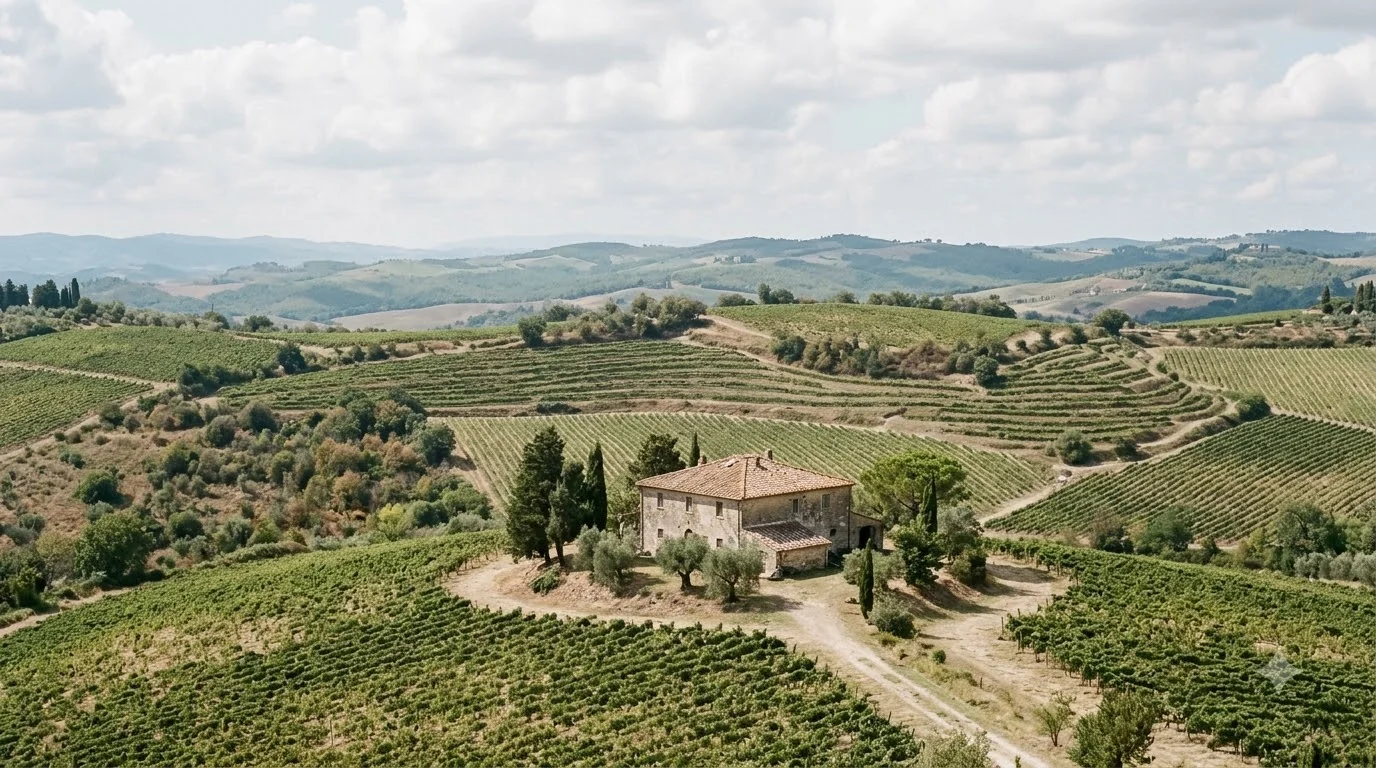
The bio bio wine region is a cool-climate winegrowing area in southern Chile, known for historic País vineyards, traditional Muscat wines, and increasingly recognized Pinot Noir and Chardonnay. Located approximately 500 kilometers south of Santiago, this distinctive region combines centuries-old farming traditions with modern winemaking. Its cool, windy conditions, substantial rainfall, and varied river-influenced soils create wines that often emphasize freshness, acidity, and a strong sense of place.
Chile is internationally recognized for Cabernet Sauvignon, Carménère, and Sauvignon Blanc, but its southern vineyards offer a different perspective on the country’s wine identity. The Bío-Bío Valley brings together small family producers, traditional grape varieties, and newer plantings suited to cooler growing conditions. Understanding its geography, grapes, and winemaking traditions helps explain why this southern destination deserves attention from anyone interested in distinctive Chilean wines.
Where the Bio Bio Wine Region Is Located
The Bio Bio wine region lies in south-central Chile, approximately 500 kilometers south of Santiago, following the extensive basin of the Bío-Bío River. Its vineyards represent an important transition between Chile’s established central wine districts and the cooler winegrowing territories farther south.
The Bío-Bío River is central to the region’s identity. Its basin historically marked the southern boundary of traditional Chilean viticulture, and the surrounding countryside retains a strong agricultural character. Winegrowing is spread across several communities rather than concentrated in one large, internationally recognized wine destination. This makes the region particularly interesting for understanding the relationship between local farming, historical grape varieties, and modern wine production.
According to ProChile’s regional wine catalog, the valley includes two principal winegrowing areas: Yumbel and Mulchén. Other important localities include Hualqui, San Rosendo, Cabrero, and Negrete. These places contribute different vineyard conditions and historical traditions to the broader regional identity.
The wider Biobío administrative region also contains other agricultural and wine-producing areas. It is important not to confuse the Bío-Bío Valley with the neighboring Itata Valley, which has its own established viticultural identity and extensive traditional vineyards. Both belong to Chile’s southern wine landscape, but their individual growing areas and wine histories are distinct.
For a broader geographical comparison, the Wine Regions overview provides useful context for understanding how Chile’s southern districts fit into the country’s wider wine map. The region also offers an interesting contrast with the Savoie wine region, another cool-climate wine territory where geography and local grape traditions strongly influence wine styles.
Climate, Rainfall, and Vineyard Soils
The Bio Bio wine region has a cool, relatively wet, and windy growing environment compared with Chile’s warmer central wine valleys. Its combination of warm days, cold nights, and substantial annual rainfall creates a longer and more demanding ripening season.
According to Wines of Chile’s overview of the country’s winegrowing regions, rainfall in the vicinity of the Bío-Bío River can reach approximately 1,100 millimeters per year. Strong winds can occur even during summer, while cooler conditions slow grape development. These factors distinguish the valley from regions farther north, where dry summers and more predictable warmth allow many red varieties to reach maturity more easily.
The Ministry of Agriculture’s regional agricultural report describes the valley’s warm daytime temperatures and cold nights as important influences on its extended ripening cycle. Grapes have time to develop gradually, although growers must pay close attention to weather conditions, vineyard exposure, and harvest timing.
Soil composition adds another layer of regional variation. Sandy and stony soils are characteristic of the valley, while organic deposits left by the river contribute fertility. These conditions influence water movement, root development, and vineyard management. Individual vineyard sites can differ considerably depending on their elevation, slope, drainage, and proximity to waterways.
The wetter climate also creates practical challenges. Excess moisture can increase disease pressure, particularly during sensitive periods of grape development. Strong winds may affect flowering and fruit development, while changing seasonal conditions can make harvest decisions more complicated.
Tip: When comparing Bío-Bío wines, pay attention to the individual vineyard location and grape variety. Two wines from the same broad valley can show noticeably different characteristics because of differences in exposure, soil drainage, and growing conditions.
Cool nights are particularly relevant for white grapes and delicate red varieties. They help preserve natural acidity and support aromatic development, characteristics that make Sauvignon Blanc, Riesling, Chardonnay, and Pinot Noir attractive choices for southern Chilean vineyards.
Traditional Grapes and Historic País Vineyards
Traditional grape varieties are a defining feature of the Bio Bio wine region, particularly País, Muscat, Cinsault, and Malbec. These grapes connect contemporary producers with centuries of agricultural history and help distinguish the valley from Chile’s more commercially established wine districts.
País is especially important. The grape arrived in Chile with Spanish missionaries during the 16th century and became widely established throughout the country’s central and southern agricultural communities. It adapted to local growing conditions and became a foundation of traditional wine production.
In the Bío-Bío area, historic País vineyards remain an important part of the landscape. Some old vines have survived through generations of family farming, preserving planting material and agricultural practices that would otherwise have disappeared as commercial viticulture changed.
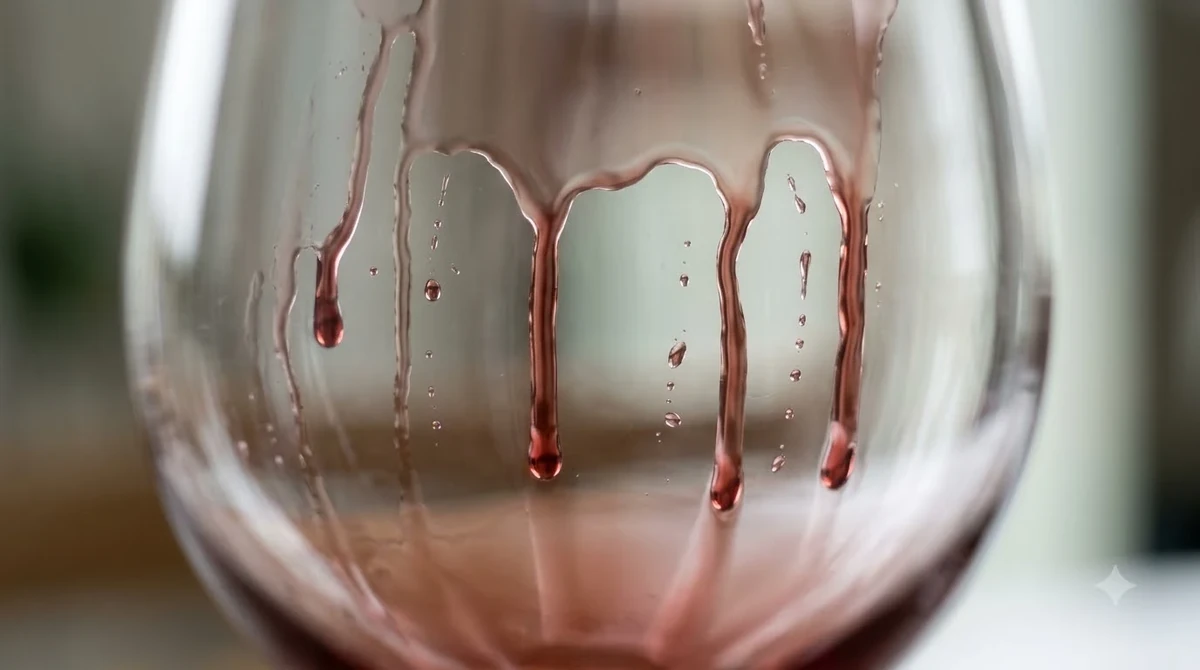
País generally produces lighter-bodied red wines with approachable tannins and fresh fruit character. Depending on the vineyard and winemaking approach, flavors can include red cherry, raspberry, cranberry, and other bright berry notes. Traditional examples may be relatively modest in alcohol and have a rustic, uncomplicated character, while carefully made modern bottlings can show greater definition and complexity.
Muscat is another important part of the region’s historical identity. Muscat grapes are valued for their aromatic character, often displaying floral, citrus, and ripe-fruit notes. The traditional varieties also include Italia, a grape associated with aromatic white wines, and Cinsault, which can produce fresh, approachable reds.
Malbec adds another dimension to the valley’s red-wine identity. While Argentina is the most internationally recognized South American source of Malbec, southern Chile also preserves distinctive old-vine examples. San Rosendo is particularly interesting because historic Malbec vineyards have attracted attention from producers exploring the region’s heritage.
These traditional grapes are not simply historical curiosities. They demonstrate how Chilean viticulture developed outside the country’s best-known commercial districts and why small producers remain important to the preservation of regional identity.
Modern Grape Varieties and Recognized Wine Styles
Modern producers have expanded the Bio Bio wine region’s reputation by planting varieties that benefit from cooler temperatures and longer ripening conditions. Pinot Noir, Chardonnay, Sauvignon Blanc, and Riesling are particularly relevant to this development.
Pinot Noir is one of the region’s most promising red varieties. It is naturally suited to cooler growing environments, where gradual ripening can help maintain acidity and develop delicate aromas. Bío-Bío examples can offer red cherry, raspberry, cranberry, and earthy notes, with a lighter structure than many warmer-climate Chilean reds.
Chardonnay is another important variety. Cooler vineyard conditions can help produce wines with citrus, green apple, pear, and mineral characteristics. Depending on fermentation and aging choices, a producer may emphasize crisp fruit and freshness or introduce additional texture through lees contact and oak maturation.
Sauvignon Blanc benefits from the region’s ability to preserve acidity. Typical flavor characteristics include lemon, grapefruit, green apple, and fresh herbal notes. These wines can provide an alternative to the more widely recognized Sauvignon Blanc bottlings from Casablanca and other Chilean coastal districts.
Riesling and Gewürztraminer also suit the cool southern environment. Riesling can develop citrus, apple, floral, and mineral characteristics, while Gewürztraminer tends toward more expressive aromas of flowers, lychee, and spice. The balance between ripeness and acidity depends on vineyard conditions and harvest timing.
The following table summarizes the region’s principal grape varieties and the wine styles they commonly produce. These are general stylistic expectations rather than fixed rules for every producer.
| Grape variety | Wine style | Typical characteristics | Serving temperature |
|---|---|---|---|
| País | Light red | Red berries, fresh acidity, gentle tannins | 55–60°F |
| Pinot Noir | Light to medium red | Cherry, raspberry, earthy notes | 55–60°F |
| Cinsault | Light to medium red | Fresh red fruit and approachable tannins | 55–60°F |
| Malbec | Medium to full red | Dark berries, plum, moderate structure | 60–65°F |
| Chardonnay | Dry white | Apple, citrus, pear, possible oak notes | 45–55°F |
| Sauvignon Blanc | Dry white | Citrus, green apple, herbal freshness | 45–50°F |
| Riesling | Dry or off-dry white | Citrus, apple, floral aromas | 45–50°F |
| Muscat | Aromatic white | Floral, citrus, ripe fruit | 45–50°F |
These varieties illustrate the region’s range, from traditional rustic reds to more contemporary cool-climate bottlings. Producers can also use different fermentation vessels and aging methods to influence texture, aromatic intensity, and structure.
Traditional Winemaking and the New Generation of Producers
The Bio Bio wine region has developed through a combination of small family vineyards, traditional farming communities, and newer winemaking projects. Its contemporary identity is not a replacement for its historical practices but an extension of them.
Traditional Pipeño is an important part of the area’s agricultural wine culture. This style is associated with everyday drinking wines made from established local varieties, including País and Muscat. Its production has historically been connected to family farms and rural communities rather than large export-focused wineries.
Some traditional growers continue to preserve older vineyard practices and local winemaking knowledge. These producers are important because historic vines represent a connection to earlier generations of Chilean agriculture. Their wines can offer a different experience from internationally styled bottlings made with more familiar grape varieties.
At the same time, modern producers are exploring the potential of cooler sites through Pinot Noir, Chardonnay, and Sauvignon Blanc. These varieties provide opportunities to create wines with more restrained fruit profiles, natural freshness, and regional distinction.
One documented example is Viña Doña Luisa, located in the commune of Nacimiento. The producer has historical connections to the area’s País vineyards and offers visitors an opportunity to learn about regional viticulture, winemaking, and local gastronomy.
Its featured Ladrón de Uvas wine is a 100% País bottling made from historic vines. The documented 2018 vintage has an alcohol content of 11.5% ABV and was described as a light red with cherry, blackberry, and blueberry characteristics. The producer’s profile also records its first wine export destination as Australia.
Another interesting project documented in ProChile’s Vinos de Nicho de Chile regional wine catalog is Viñas Inéditas-Terroir Sonoro, which works with vineyards in both Itata and Bío-Bío. Its Malbec project uses grapes from old vineyards in San Rosendo, with some vines described as at least 150 years old. The documented winemaking approach includes hand destemming, traditional foot treading, and aging in previously used Vosges oak barrels.
These examples demonstrate the diversity of the region. Some producers focus on preserving historical grapes and techniques, while others use contemporary winemaking to explore the potential of southern Chile’s climate and vineyard sites.
For readers interested in comparing other cool-climate wine territories, the Switzerland wine region offers another useful perspective on how smaller winegrowing areas maintain distinctive local identities.
Food Pairings and Serving Bio Bio Wines
Bio Bio wines are particularly versatile at the table because the region produces both fresh, lighter-bodied wines and more structured reds. The best pairing depends on the grape, acidity, tannin level, and weight of the dish.
País is a natural choice for casual meals and traditional Chilean cooking. Its lighter body and fresh red-fruit profile work well with roasted chicken, grilled pork, empanadas, and vegetable dishes. It can also complement mild sausages and charcuterie without overwhelming their flavors.
Pinot Noir pairs well with roasted poultry, duck, mushroom dishes, and grilled salmon. Its relatively low-to-medium tannin level and high acidity make it more flexible with food than heavily structured reds. Mushroom risotto is another suitable choice because its earthy flavors complement Pinot Noir’s savory characteristics.
Malbec is better suited to dishes with greater richness and intensity. Grilled beef, lamb, sausages, and roasted vegetables can work particularly well. Its fruit concentration and moderate-to-firm structure provide enough presence for savory foods without requiring extremely heavy sauces.
Chardonnay is a good match for roasted chicken, creamy pasta, seafood, and dishes involving butter-based sauces. An unoaked or lightly oaked version is especially suitable for delicate white fish, while a richer style can complement grilled poultry and more substantial dishes.
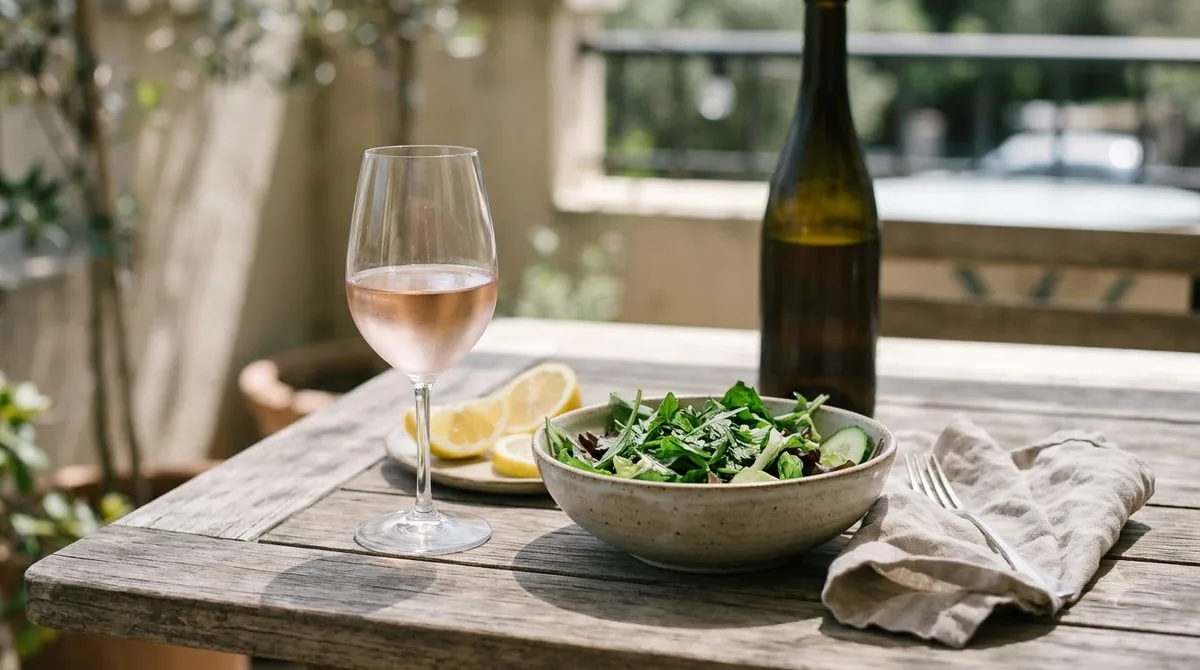
Sauvignon Blanc is an excellent partner for seafood, shellfish, salads, and fresh goat cheese. Its high acidity helps balance oily or rich ingredients, while its citrus and herbal notes complement fresh vegetables and coastal cooking.
Riesling works with spicy Asian dishes, pork, aromatic vegetables, and lightly sweet sauces. Its acidity helps balance richness, and an off-dry version can provide a useful contrast to moderate chili heat. Avoid pairing high-alcohol or heavily tannic reds with especially spicy dishes because alcohol and tannin can make chili heat feel stronger.
Choosing the Right Serving Temperature
Serving temperature has a significant influence on how these wines express their aromas and structure. Light reds should generally be served slightly cooler than full-bodied reds, while white wines benefit from enough chilling to preserve freshness without suppressing their aromas.
- País and light Pinot Noir: 55–60°F.
- More structured Malbec: 60–65°F.
- Sauvignon Blanc and Riesling: 45–50°F.
- Chardonnay: 45–55°F, depending on body and oak influence.
- Aromatic Muscat: 45–50°F.
For a standard tasting, a 5-ounce pour is a practical serving size. A 750-milliliter bottle provides approximately five glasses. If a bottle is not finished, reseal it and store it in the refrigerator. Most opened still wines retain their best qualities for approximately three to five days, depending on the wine and storage conditions.
How Bio Bio Compares With Itata and Other Southern Chilean Regions
The Bio Bio wine region belongs to a broader southern Chilean wine landscape that includes Itata and Malleco. Although these areas share cooler growing conditions and a strong agricultural heritage, their grape varieties, vineyard traditions, and modern wine styles differ.
Itata is particularly associated with old País and Muscat vineyards, along with Cinsault and a growing number of contemporary wines. Its established viticultural history and extensive traditional plantings make it an important reference point for understanding the revival of southern Chilean wine.
Bío-Bío shares some of these historical varieties but also has a strong identity around its river basin, Yumbel and Mulchén winegrowing areas, and the development of newer cool-climate plantings. Its modern potential for Chardonnay and Pinot Noir is an important part of its appeal.
Malleco lies farther south and is particularly associated with cool-climate Chardonnay and Pinot Noir. Its smaller winegrowing footprint and demanding growing conditions make it an interesting destination for producers interested in exploring Chile’s southern limits.
Other cool-climate territories offer useful comparisons. Tasmania, for example, is internationally recognized for sparkling wine and Pinot Noir, while Switzerland has a diverse collection of smaller winegrowing areas and distinctive local varieties. The Tasmania wine region provides another perspective on how cooler climates can shape aromatic development and acidity.
The table below summarizes the principal distinctions among these southern Chilean areas. The descriptions represent broad regional tendencies rather than guarantees about individual bottles.
| Wine region | Important grapes | Regional identity |
|---|---|---|
| Bío-Bío | País, Malbec, Pinot Noir, Chardonnay | River-influenced vineyards, historic vines, cool-climate experimentation |
| Itata | País, Muscat, Cinsault | Old vineyards, traditional farming, distinctive heritage wines |
| Malleco | Chardonnay, Pinot Noir | Far-southern cool-climate viticulture |
| Osorno | Pinot Noir, Chardonnay, Riesling, Sauvignon Blanc | Very cool conditions and substantial precipitation |
One important distinction is that regional boundaries and wine appellations do not always correspond exactly to modern administrative boundaries. The wider Biobío administrative region and the Bío-Bío wine valley are related geographical concepts, but they should not be treated as interchangeable descriptions of every vineyard area.
For consumers, the most useful approach is to focus on the named valley, the producer, and the grape variety. A traditional País from an old vineyard in San Rosendo offers a very different experience from a modern Chardonnay or Pinot Noir produced in a cooler southern site.
Frequently Asked Questions
What does the name Bío-Bío mean?
The Bío-Bío River takes its name from an Indigenous Mapuche-language tradition, although interpretations of the precise meaning vary. The river is also one of Chile’s major geographical features and has played an important role in the history of settlement, agriculture, and regional development.
Is Bío-Bío an official Chilean wine appellation?
Yes. Bío-Bío is recognized within Chile’s wine denomination framework. Its geographical identity distinguishes it from neighboring southern wine areas, including Itata and Malleco, even though the wider administrative and viticultural maps can overlap in regional discussions.
Can Bío-Bío wines age in the bottle?
Some can. Well-made Chardonnay, Pinot Noir, and selected Malbec bottlings may develop additional complexity with suitable bottle aging. However, many traditional País wines are intended to emphasize freshness and approachable fruit rather than extended cellaring.
What is Pipeño wine traditionally made from?
Pipeño is a traditional Chilean wine style associated with small-scale rural production rather than one single grape variety. País and Muscat are particularly relevant to its history, and the style can reflect local grapes, harvest conditions, and traditional cellar practices.
Are Bío-Bío wines available in international markets?
Yes. Some regional producers have exported their wines beyond Chile. ProChile’s documented profile of Viña Doña Luisa identifies Australia as the destination for its first exported wine, while the Viñas Inéditas-Terroir Sonoro profile identifies the United States, United Kingdom, and Brazil among its commercial markets.
The Bio Bio wine region offers a distinctive combination of historic vineyards, traditional Chilean grapes, and modern cool-climate winemaking. Its País, Muscat, Malbec, Pinot Noir, and Chardonnay wines provide a fascinating alternative to the country’s more familiar commercial styles. For anyone exploring Chile beyond its established central valleys, Bío-Bío is an important southern wine destination to discover.
More in Wine Regions
 Willcox Wine Trail: Discover Arizona’s High-Elevation Wine CountryUpdated Nov 20, 2026
 Yakima Valley Wine Region: Find the Best Styles to TryUpdated Nov 20, 2026
 Vosne Romanee Wine Tasting: Identify Aromas and Choose Better PairingsUpdated Nov 20, 2026
 Yakima Valley Wine Festival: Find the Best Seasonal Wine EventsUpdated Nov 20, 2026
 Wales Vineyards: Discover Cool-Climate Wines and Where to VisitUpdated Nov 20, 2026
 Yountville Wine Festival: Discover Napa Wines and Local FoodUpdated Nov 20, 2026