

We may earn a commission when you buy through links on this page, at no extra cost to you. Learn more.
Biltmore wine review: Biltmore offers a broad selection of approachable American wines, including Cabernet Sauvignon, Chardonnay, Merlot, Pinot Noir, rosé, and sparkling wine, making it a worthwhile brand to explore for everyday drinking, entertaining, and gifts. Produced at Biltmore Winery in Asheville, North Carolina, the collection combines grapes from the estate with fruit sourced from established growing regions in California, Washington, and North Carolina. Its different collections offer options ranging from accessible varietal wines to more distinctive Reserve and Limited Release bottlings.
Biltmore wine has a recognizable connection to one of America’s best-known historic estates, but its appeal extends beyond the name on the label. The winery produces a substantial portfolio with different grape varieties, regional origins, and styles. Understanding those differences is the key to choosing a bottle that suits your taste rather than buying solely because of the Biltmore association. This guide examines the brand’s collections, wine styles, grape sourcing, food pairings, and practical buying considerations.
Who Should Consider Biltmore Wine?
Biltmore wine is a good option for drinkers who want familiar grape varieties, accessible American wine styles, and a selection broad enough to cover different occasions. Its portfolio includes approachable everyday bottles alongside Reserve and Limited Release wines for people who want something more distinctive.
The winery is located on the historic Biltmore Estate in Asheville, North Carolina, within the Blue Ridge Mountains. The estate’s winemaking operation celebrated its 40th anniversary in 2025. Its history is connected to the Vanderbilt family’s agricultural heritage and its tradition of entertaining guests.
However, the winery should not be confused with a producer that exclusively makes wine from grapes grown in North Carolina. Biltmore uses fruit from several American growing regions, allowing it to offer varieties that are difficult to cultivate consistently in the western North Carolina climate. That sourcing strategy is important because it explains the range of wines available under the Biltmore name.
The collection is particularly suitable for several types of wine drinkers:
- Beginners: Familiar varieties such as Chardonnay, Cabernet Sauvignon, Merlot, and Riesling make it easier to choose a bottle based on established preferences.
- Casual wine drinkers: The American Series provides recognizable varietal styles for weeknight dinners, informal gatherings, and relaxed entertaining.
- North Carolina wine enthusiasts: Reserve bottlings made with North Carolina grapes offer an opportunity to explore the state’s wine-growing character.
- Wine explorers: Limited Release selections provide opportunities to discover less familiar grapes and blends.
- Gift shoppers: The connection with the Biltmore Estate gives the wines an interesting story for people who appreciate American wine and historic destinations.
Biltmore may be less suitable for someone specifically seeking a small-production winery with a single vineyard identity or wines exclusively made from estate-grown grapes. Its portfolio is intentionally diverse, and its American appellation wines can incorporate grapes from several states.
That distinction matters when comparing Biltmore with other American wine producers. A bottle carrying the Biltmore name does not automatically indicate that its grapes were grown on the Asheville property. Buyers interested in local North Carolina fruit should pay particular attention to the Reserve collection and its regional designations.
For additional background on the producer and its wine selection, the Biltmore wine overview provides another useful starting point.
Key Factors to Compare Before Buying Biltmore Wine
The most useful way to evaluate Biltmore wine is to compare grape variety, collection tier, growing region, sweetness, and intended occasion. These factors provide a clearer picture of what a bottle offers than the estate name alone.
Biltmore organizes its portfolio into several collections, with each serving a different purpose. The American Series emphasizes approachable varietal character, while Reserve and Limited Release selections provide more specific regional or stylistic choices. The winery’s official portfolio overview explains its collection structure and grape-sourcing approach.
| Buying factor | What to look for | Why it matters |
|---|---|---|
| Collection | American Series, Reserve, Limited Release, Antler Hill | Identifies the intended style and positioning. |
| Grape variety | Cabernet Sauvignon, Merlot, Chardonnay, Riesling | Helps predict body, acidity, and tannin. |
| Grape origin | North Carolina, California, Washington, American | Clarifies the wine’s geographic identity. |
| Wine category | Red, white, rosé, sparkling | Determines serving temperature and food compatibility. |
| Sweetness | Dry, off-dry, sweet | Helps match personal preference and food. |
| Serving temperature | 40–65°F depending on style | Helps preserve the wine’s intended balance. |
| Occasion | Everyday meals, celebrations, gifts | Helps determine the appropriate collection. |
Collection and regional designation
The collection name is one of the first details worth checking. Biltmore’s American Series draws grapes from multiple growing regions around the country. The winery produces these wines in Asheville, but the fruit is not necessarily North Carolina-grown.
Reserve wines deserve particular attention if geographic origin matters to you. Biltmore offers North Carolina-designated Reserve bottlings, including Chardonnay, Cabernet Sauvignon, and Merlot. These selections provide a more direct connection to the local growing region than a multi-state American appellation wine.
Limited Release wines offer another reason to explore the portfolio. They allow the winery to present varieties and blends beyond its more familiar core offerings. Availability can differ between releases, so a particular wine may not remain in the collection indefinitely.
Grape variety and wine structure
The grape is usually the best starting point for predicting how a bottle will taste. Cabernet Sauvignon typically has substantial tannin and a fuller structure, making it suitable for drinkers who enjoy more assertive reds. Merlot generally has medium tannin and a softer character, while Pinot Noir usually offers lighter tannin and relatively high acidity.
For white wine, Chardonnay typically has medium acidity and can work with poultry, seafood, and creamy dishes. Riesling and Sauvignon Blanc generally have higher acidity, making them useful choices for fresh seafood, salads, and dishes with citrus-based sauces.
Sweetness and food compatibility
Sweetness is another important distinction. A dry Cabernet Sauvignon and a sweeter Riesling provide very different drinking experiences, even though both belong to the same producer’s portfolio. If you prefer sweeter wines, do not assume that every white or rosé will suit your preference.
Food pairing also influences the choice. High-acidity whites can complement acidic dishes, while tannic reds generally work better with protein-rich foods and dishes containing fat. A wine should ideally have enough sweetness to match the dessert it accompanies.
For a broader comparison with another widely available American wine label, see this guide to Barefoot wine.
Step-by-Step: How to Choose a Biltmore Bottle
Choosing a Biltmore wine becomes easier when you start with the occasion and work toward the grape variety and collection. The following steps help narrow the options without requiring advanced wine knowledge.
-
Decide what type of wine you want.
Start by choosing red, white, rosé, or sparkling wine. For a hearty dinner, consider Cabernet Sauvignon or Merlot. For seafood or lighter meals, Chardonnay, Riesling, or another crisp white may be more appropriate. Sparkling wine works particularly well for celebrations and appetizers.
-
Identify your preferred sweetness level.
Decide whether you enjoy dry, off-dry, or sweet wine. Riesling can be a useful starting point for someone who enjoys aromatic white wines, while Cabernet Sauvignon is a more appropriate starting point for someone who prefers dry, structured reds.
-
Choose the collection.
Look at the American Series for familiar varietal wines, Reserve for more region-specific choices, and Limited Release for distinctive selections. Antler Hill is another collection worth exploring if you want to discover additional styles in the winery’s portfolio.
-
Check where the grapes originated.
If you want a wine connected specifically to North Carolina, prioritize regional Reserve bottlings. If you are comfortable with grapes sourced from different American growing areas, the American Series offers a wider selection of familiar varieties.
-
Match the bottle to the meal.
Choose a wine that complements the strongest flavors in the food. Cabernet Sauvignon can work with grilled beef, Merlot with roasted poultry or meat dishes, and Chardonnay with chicken or seafood. Riesling is a useful option for dishes with spice or noticeable acidity.
-
Consider the occasion and serving needs.
A casual dinner may call for a straightforward varietal wine, while a special gathering might justify exploring a Reserve or sparkling selection. Also consider how many guests will be drinking. A standard 750 ml bottle provides approximately five servings when poured at 5 ounces each.
-
Compare the available bottles before purchasing.
Review the collection, grape, region, vintage, and style descriptions. If you are choosing between two wines, compare the characteristics you actually enjoy rather than assuming that a higher collection tier automatically means a better personal match.
This approach is especially useful when shopping online because the available selection may differ from what appears in the winery’s tasting room. A clear understanding of your preferred grape and style makes it easier to recognize suitable alternatives if a particular bottle is unavailable.
Tip: If you are unfamiliar with Biltmore wines, begin with a familiar grape variety rather than selecting solely by collection name. Someone who already enjoys Merlot, for example, will have a more reliable starting point with a Merlot bottling than with an unfamiliar experimental blend.
Biltmore Wine Types and Collections Explained
Biltmore offers several distinct collections, along with red, white, rosé, and sparkling styles. Understanding their differences helps buyers identify the right balance between familiar varietal character, regional identity, and experimentation.

American Series
The American Series is the winery’s approachable collection of classic varietal wines. Grapes are selected from leading growing regions across the United States and made at the Biltmore winery in Asheville.
This collection is a sensible starting point for everyday drinking because its familiar grape varieties make selection relatively straightforward. Cabernet Sauvignon is a natural choice for someone who enjoys fuller-bodied reds, while Merlot is appropriate for drinkers who prefer a softer tannin structure.
The label has identifiable visual details, including a burgundy-colored capsule and a line drawing of Biltmore House. These features help distinguish the collection when shopping among several Biltmore bottles.
Reserve Collection
The Reserve collection is particularly interesting for wine drinkers who want to explore regional expression. Biltmore offers Reserve wines made with North Carolina grapes, including Chardonnay, Cabernet Sauvignon, and Merlot.
North Carolina’s growing environment differs from the conditions found in many western American wine regions. Biltmore describes its Asheville-area vineyards as experiencing warm, humid days, cooler evenings, substantial rainfall, and a greater risk of late-season frost.
These conditions influence which grape varieties can grow reliably. Cabernet Franc, Cabernet Sauvignon, Chardonnay, and Merlot are among the varieties Biltmore identifies as well suited to its Blue Ridge Mountain vineyards.
A North Carolina Reserve bottling is therefore a logical choice for buyers who specifically want to explore wine associated with the region rather than simply purchase a wine produced at a North Carolina winery.
Limited Release Collection
Limited Release selections provide additional variety beyond the regular core offerings. The winery’s portfolio includes examples such as Grenache Blanc and Mourvèdre, demonstrating that the selection is not restricted to the most familiar American grape varieties.
These wines can be appealing to experienced drinkers who enjoy exploring grapes that are less commonly encountered in mainstream supermarket selections. They also provide an opportunity to discover different expressions of red and white wine without leaving the Biltmore portfolio.
Because these selections are released in limited quantities or specific offerings, their availability may change. Buyers interested in a particular variety should investigate the current selection rather than assume it will remain available.
Antler Hill Collection
Antler Hill is another part of the Biltmore wine range. The collection includes wines associated with the estate’s Antler Hill identity, including selections such as Zinfandel and Carneros Chardonnay listed in the wider portfolio.
This collection is worth exploring if you want to move beyond the basic Cabernet Sauvignon and Chardonnay choices. Its range provides another way to discover how Biltmore approaches different grapes and wine styles.
Red, white, rosé, and sparkling styles
Beyond collection names, the wine category itself should guide your decision. Biltmore produces several styles, allowing buyers to select wines for different meals and occasions.
- Red wines: Cabernet Sauvignon, Merlot, Pinot Noir, and red blends provide options ranging from lighter and more acidic to fuller and more tannic.
- White wines: Chardonnay, Riesling, Sauvignon Blanc, and Albariño offer different combinations of fruit character and acidity.
- Rosé wines: These are useful for casual entertaining, warm-weather meals, and lighter dishes.
- Sparkling wines: These are appropriate for celebrations, aperitifs, and food pairings involving salty or fried appetizers.
One important distinction is that sparkling wine sweetness terminology can be confusing. Brut generally indicates a dry style, while Extra Dry is actually somewhat sweeter. Demi-Sec and Doux indicate progressively sweeter categories.
For sparkling wine enthusiasts, comparing Biltmore’s offerings with La Marca Prosecco can also help clarify the differences between American sparkling selections and Italian Prosecco. Prosecco is made primarily from Glera grapes using the tank method, while traditional Champagne and Cava production involves a second fermentation in the bottle.
Common Mistakes When Buying Biltmore Wine
The most common buying mistakes involve confusing production location with grape origin, assuming collection names guarantee a particular taste, and overlooking sweetness or serving requirements. A few simple checks can prevent disappointing purchases.
Assuming every bottle uses North Carolina grapes
This is probably the most important distinction to understand. Biltmore is based in Asheville, but its wine portfolio includes fruit from North Carolina, California, and Washington.
The American Series uses grapes from multiple regions across the country. Consequently, the location of the winery does not establish the agricultural origin of every bottle. Buyers who specifically want North Carolina-grown fruit should focus on wines carrying the appropriate regional designation.
Choosing only by the Biltmore name
The association with the historic estate can make a bottle attractive as a gift, but the producer’s reputation does not eliminate the need to consider grape variety and wine style.
A person who enjoys light-bodied Pinot Noir may not appreciate a heavily structured Cabernet Sauvignon simply because both bottles carry the same winery name. The grape and style should remain central to the purchasing decision.
Confusing collection tiers with personal quality
A Reserve or Limited Release wine may offer a different production focus, but that does not mean it will automatically taste better to every buyer. Someone who prefers uncomplicated, fruit-forward wines might enjoy an American Series selection more than a more complex regional bottling.
Consider the intended drinking experience. If you want a straightforward bottle for pizza night, a familiar varietal wine may be a more practical choice than a distinctive release intended for a more focused tasting occasion.
Ignoring acidity and tannin
Food pairing mistakes can make an otherwise enjoyable wine seem unbalanced. Cabernet Sauvignon has relatively high tannin, which can work with fatty foods such as grilled beef but may overwhelm delicate seafood.
Similarly, acidic dishes generally need wines with equal or higher acidity. Sauvignon Blanc and Riesling are useful options for meals with citrus, vinegar, or tomato-based ingredients.
Spicy foods require additional consideration. Alcohol and tannin can intensify chili heat, so a softer white or slightly sweeter wine may be more comfortable with particularly spicy dishes.
Serving every wine at room temperature
Room temperature is not an ideal serving temperature for every wine. A full-bodied red can become more alcoholic and heavy when served too warm, while a very cold white may lose much of its aromatic character.
Use the style-specific temperatures in the following section instead of applying the same approach to every bottle.
Buying sparkling wine without considering sweetness
Sparkling wine labels can create confusion, especially for people who assume Extra Dry means less sweet than Brut. In sparkling wine terminology, the reverse is true.
Brut is generally dry, while Extra Dry contains more residual sugar. Demi-Sec is noticeably sweeter, making it a more appropriate option for people who enjoy sweeter sparkling wines or want to pair wine with dessert.
Biltmore Wine Serving, Care, and Storage Tips
Proper serving and storage help preserve the characteristics of Biltmore wines after purchase. The most important details are temperature, bottle position, light exposure, and how quickly an opened bottle is consumed.
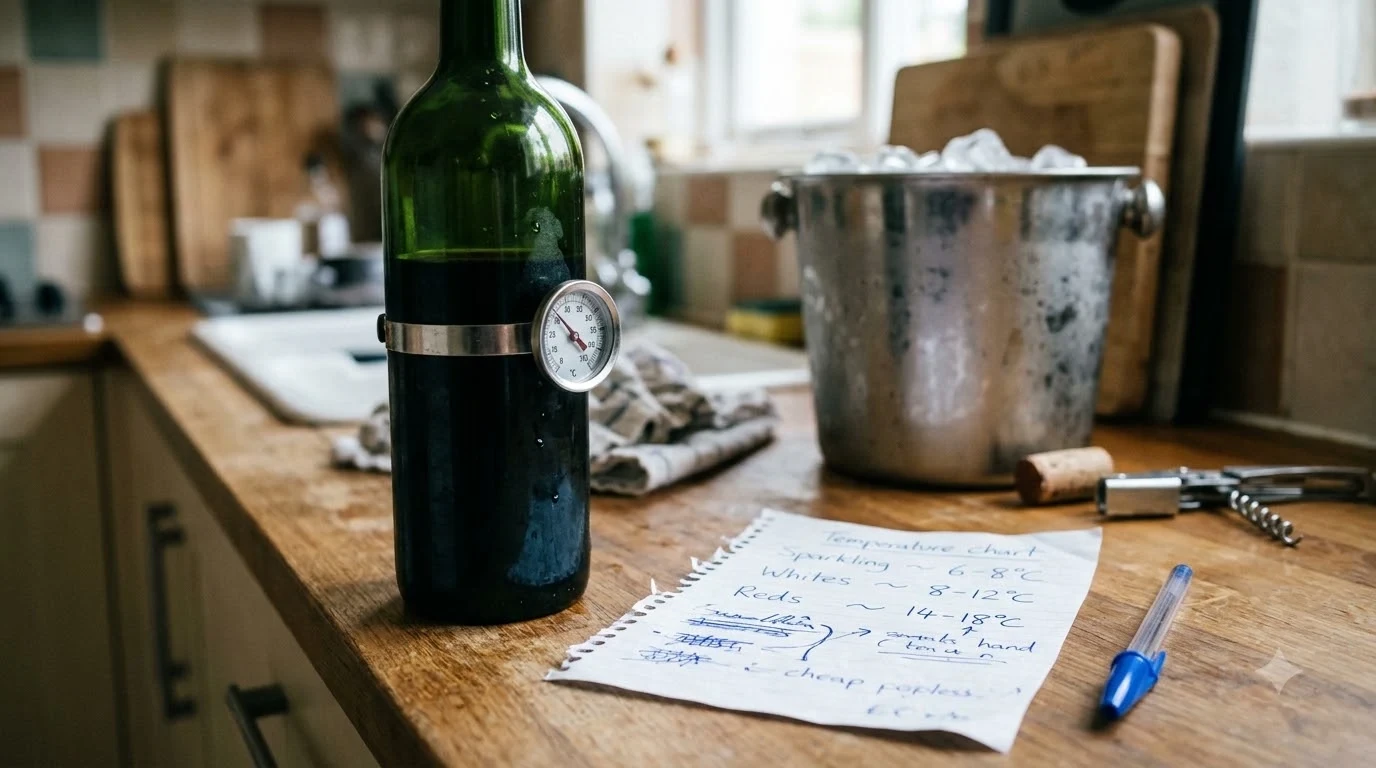
Recommended serving temperatures
Different wine styles benefit from different temperatures. A little preparation before serving can improve the balance between acidity, fruit, tannin, and aroma.
| Wine style | Serving temperature | Practical guidance |
|---|---|---|
| Sparkling wine | 40–50°F | Chill before opening. |
| Light white and rosé | 45–50°F | Serve chilled but not icy. |
| Full-bodied white | 50–55°F | Allow some warming after refrigeration. |
| Light-bodied red | 55–60°F | Serve slightly cooler than typical room temperature. |
| Full-bodied red | 60–65°F | Avoid serving excessively warm. |
| Sweet white | 43–50°F | Keep well chilled. |
These temperatures are useful starting points for Biltmore’s different styles. For example, a lighter Pinot Noir benefits from a cooler serving temperature than a fuller Cabernet Sauvignon. A Chardonnay can be served slightly warmer than a light Sauvignon Blanc, particularly if it has a richer texture.
Storing unopened bottles
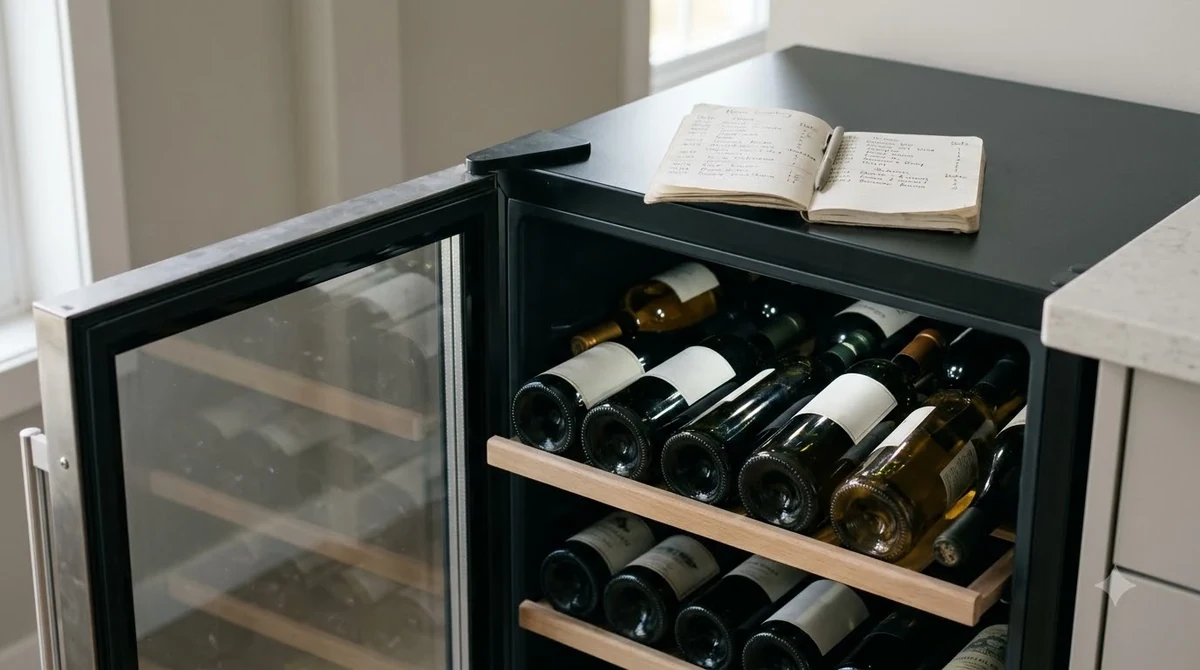
For bottles intended for future drinking, a cool and stable environment is more important than frequent temperature adjustments. Around 55°F is a useful storage target for wine, provided the temperature remains reasonably consistent.
Store cork-finished bottles on their sides so the wine remains in contact with the cork. Keep bottles away from direct sunlight, strong vibrations, and areas with substantial temperature fluctuations.
Not every Biltmore wine needs extended cellaring. Many approachable varietal wines are best enjoyed while their fruit character is fresh. Unless a specific bottle is intended for aging, there is little reason to hold it for years simply because it belongs to a Reserve or Limited Release collection.
Preserving opened wine
Once a bottle is opened, oxygen gradually changes its aromas and flavors. Refrigeration slows this process and is useful for both red and white wine, even if the red will eventually be served at a warmer temperature.
As a general guideline, opened still wines can remain enjoyable for approximately three to five days when properly resealed and refrigerated. Sparkling wines usually retain their best character for around one to three days with a suitable sparkling-wine stopper.
When serving a previously refrigerated red wine, allow it to warm slightly before pouring. This helps bring out its aromas without exposing the bottle to unnecessary heat.
Decanting and pouring
Decanting is not necessary for every Biltmore wine. Young, full-bodied reds may benefit from approximately 30 to 60 minutes of aeration, particularly when their tannins seem firm immediately after opening.
Lighter reds and most fresh white wines generally do not require lengthy decanting. Pouring them directly into an appropriate glass is usually sufficient.
A standard 5-ounce serving is a practical measure for everyday wine service. A 750 ml bottle provides approximately five such glasses, making it easier to plan the number of bottles required for a dinner or small gathering.
Matching Biltmore wines with food
Food pairing should be based on the wine’s structure rather than the label alone. Cabernet Sauvignon’s substantial tannin makes it a natural companion for grilled beef, lamb, and other protein-rich dishes.
Merlot offers a softer alternative for roasted chicken, pork, and mushroom-based meals. Pinot Noir’s lighter tannin and higher acidity make it more flexible with roasted poultry, salmon, and mushroom dishes, although preparation and sauce still matter.
For white wines, Chardonnay works well with roasted chicken, creamy pasta, and richer seafood preparations. Sauvignon Blanc can complement salads, goat cheese, and seafood with lemon-based sauces. Riesling is particularly useful when a dish includes noticeable spice or sweetness.
Rosé can be a versatile choice for grilled vegetables, chicken salads, charcuterie, and summer meals. Sparkling wine is especially useful with salty appetizers, fried foods, and celebratory snacks because its acidity and carbonation refresh the palate.
For dessert, select a wine that is at least as sweet as the dish. Otherwise, the wine may seem unusually sharp or sour alongside the food.
Frequently Asked Questions
Is Biltmore Winery independently owned?
Biltmore is a family-owned estate and working winery associated with the Vanderbilt family’s legacy. Its winemaking operation is part of the broader Biltmore Estate enterprise rather than an unrelated commercial winery using the same name. The estate’s agricultural history is an important part of its identity.
Who is Biltmore’s winemaker?
Sharon Fenchak is Biltmore’s head winemaker. She joined the winery as an assistant winemaker in 1999 and was promoted to winemaker in 2003. Her background includes food science education and previous work with Georgia wineries.
Can visitors tour the Biltmore Winery without visiting Biltmore House?
Access to the winery requires a qualifying Biltmore Estate admission ticket, an annual pass, or an eligible overnight stay. The winery is located in Antler Hill Village rather than inside Biltmore House itself. Visitors can explore the tasting room and wine bar as part of their estate experience.
Visitors can find current access details and tasting information on the official Biltmore Winery visitor page.
Does Biltmore offer a wine club?
Yes. Biltmore offers the Vanderbilt Wine Club, which provides curated wine shipments. It is an option for people who want to receive selections from the winery without choosing every bottle individually. Membership details and shipment arrangements are available through the winery’s official website.
Does Biltmore make wine from grapes other than traditional European varieties?
Yes. The winery’s portfolio extends beyond familiar varieties such as Cabernet Sauvignon and Chardonnay. Its broader selection includes grapes such as Petit Manseng, Mourvèdre, and Grenache Blanc. These varieties provide opportunities to explore wine styles that are less common in many mainstream American retail selections.
Biltmore wine is a worthwhile choice for people who appreciate familiar American grape varieties, multiple wine styles, and a winery with a distinctive North Carolina connection. Its broad portfolio makes it possible to find bottles for everyday meals, entertaining, and more special occasions, although buyers should distinguish between American-sourced wines and North Carolina-designated selections. Start with a grape variety you already enjoy, compare the collections, and explore the Reserve or Limited Release offerings when you want something different.
More in Wine Brands
 Louis Latour Wine Price: Compare Bottles by Style and TierUpdated Nov 20, 2026
 Yellow Tail Moscato Price: What to Expect Before You BuyUpdated Nov 20, 2026
 Sutter Home Sweet Red Review: Find the Right Food PairingsUpdated Nov 20, 2026
 Franzia Chillable Red Review: Find the Right Serving StyleUpdated Nov 20, 2026
 Veuve Clicquot Rose Review: Flavor, Food Pairings and Buying AdviceUpdated Nov 20, 2026
 Rombauer Wine Price: Compare Bottles Before You BuyUpdated Nov 20, 2026