

We may earn a commission when you buy through links on this page, at no extra cost to you. Learn more.
The biltmore wine price typically ranges from about $12 to $22 for standard bottles, with Reserve and Limited Release wines generally costing $25 to $30 and premium sparkling selections reaching approximately $65. Biltmore offers approachable Cabernet Sauvignon, Chardonnay, Pinot Noir, Riesling, and other familiar varieties alongside more specialized wines. The right bottle depends on your preferred style, the occasion, and whether you want an everyday wine or a more distinctive selection for entertaining.
Biltmore wine comes from the winery associated with the historic Biltmore Estate in Asheville, North Carolina. Its selection covers several familiar grape varieties, sweeter wines, rosé, sparkling options, and higher-tier releases. That range makes it useful to compare prices by wine category rather than assuming every bottle carrying the Biltmore name belongs to the same price bracket.
Who This Is For
Biltmore wine is worth considering for shoppers who want recognizable grape varieties, approachable styles, and several price levels within one winery portfolio. Its standard selections suit casual dinners and everyday entertaining, while Reserve and Limited Release bottles provide additional choices for celebrations and more formal meals.
The entry-level collection is particularly relevant to people who enjoy familiar wines without wanting to spend on a premium bottle every time. Chardonnay, Cabernet Sauvignon, Merlot, Pinot Noir, Sauvignon Blanc, and Riesling provide a starting point for shoppers who already know which general wine styles they prefer. These varieties also make it easier to select a bottle for a particular meal without needing extensive knowledge of unfamiliar grapes.
Biltmore can also appeal to visitors who have experienced the winery in person and want to purchase a bottle afterward. Its winery is located at Antler Hill Village on the Biltmore Estate in Asheville. The estate offers an indoor tasting room and an indoor-outdoor wine bar, giving visitors an opportunity to explore different styles before choosing what to take home.
There are several practical reasons to compare Biltmore bottles:
- Everyday wine drinkers: Standard Chardonnay, Merlot, Pinot Noir, and Sauvignon Blanc offer familiar starting points.
- Red wine enthusiasts: Cabernet Sauvignon, Malbec, Tempranillo, and red blends provide different levels of structure and flavor.
- White wine drinkers: Pinot Grigio, Riesling, Gewürztraminer, and Sauvignon Blanc cover a range of fruit and acidity profiles.
- Sweet wine enthusiasts: Biltmore’s Century Sweet selections provide an alternative to conventional dry table wines.
- Celebration shoppers: Sparkling wines and Reserve selections offer options for holidays, anniversaries, and special dinners.
Shoppers who are comparing winery collections can also explore our broader guide to Wine Brands for additional context about different producers and their portfolios.
One important distinction is that a higher bottle price does not automatically mean a wine will be more enjoyable. Someone who prefers a light, refreshing white may be happier with a standard Pinot Grigio than with a more expensive Reserve Chardonnay. Matching the bottle to personal taste is usually more useful than choosing by price alone.
Key Factors to Compare
The most useful way to compare Biltmore wines is by category, style, and intended occasion. Standard bottles generally occupy the lower price brackets, while Reserve, Limited Release, and sparkling selections can cost more because they belong to different parts of the portfolio.
The following table summarizes representative US retail price ranges using listings from Biltmore’s official wine shop and Total Wine. These are approximate comparisons rather than guaranteed prices for every retailer or location.
| Wine or category | Typical price range | Style | Good occasion |
|---|---|---|---|
| Biltmore Estate Chardonnay | About $15–$18 | Dry white | Weeknight dinners |
| Biltmore Estate Sauvignon Blanc | About $12–$18 | Fresh white | Seafood and light meals |
| Biltmore Estate Pinot Grigio | About $12–$19 | Light white | Casual entertaining |
| Biltmore Estate Riesling | About $12–$18 | White, potentially off-dry | Spicy food and appetizers |
| Biltmore Estate Cabernet Sauvignon | About $12–$22 | Medium-bodied red | Beef and grilled dishes |
| Biltmore Estate Pinot Noir | About $12–$22 | Light-to-medium red | Roasted poultry and salmon |
| Biltmore Estate Merlot | About $13–$18 | Softer red | Pasta and grilled meats |
| Reserve selections | About $25–$30 | Higher-tier wines | Special dinners |
| Limited Release selections | About $19–$30 | Specialty varietals | Exploring different grapes |
| Standard sparkling wines | About $30–$39 | Sparkling | Celebrations |
| Château Reserve sparkling | About $60–$65 | Premium sparkling | Milestone occasions |
These ranges are based on Biltmore’s official shop, Total Wine listings, and the winery’s published wine menu. For example, the official shop lists its standard Chardonnay in the mid-teens, while Total Wine lists several standard varieties in a similar general bracket. Biltmore’s Reserve North Carolina Chardonnay is listed around the mid-twenties, and the winery menu places its Château Reserve Blanc de Blancs in a substantially higher category. Prices vary by state and retailer, and availability can change.
Three factors matter particularly when comparing bottles.
1. The wine category
Red, white, rosé, and sparkling wines are not directly interchangeable. A Cabernet Sauvignon may be the right choice for a beef dinner, while Sauvignon Blanc is more suitable for someone seeking a crisp white wine. A sweet Riesling or Century Sweet wine serves a different preference from a dry Chardonnay.
2. The portfolio tier
Standard Estate wines are generally the sensible starting point for everyday drinking. Reserve selections and Limited Release wines provide more specialized options. The price difference is a useful indicator of the collection tier, but it should not replace consideration of grape variety, sweetness, and food pairing.
3. Bottle availability
Not every wine is stocked by every retailer. Some bottles appear in Biltmore’s online shop but may be unavailable at a local store. The winery also has different distribution arrangements depending on the state. Its official website states that wines are available for in-store purchase in 19 states and direct shipment to more than 40 states.
For a current comparison, start with the official Biltmore wine collection and then check a retailer serving your location. This helps distinguish the winery’s listed retail pricing from the actual selection available nearby.
Step-by-Step: How to Choose a Biltmore Bottle
Choosing a suitable Biltmore wine does not require starting with the most expensive bottle. A few simple decisions about sweetness, grape variety, food, and occasion will narrow the selection considerably.
-
Decide whether you prefer red, white, rosé, or sparkling wine.
Begin with the broad category you normally enjoy. Cabernet Sauvignon and Merlot are sensible red wine starting points. Chardonnay and Sauvignon Blanc offer contrasting white wine styles, while rosé and sparkling wines are useful for lighter occasions.
-
Choose your preferred sweetness level.
People who enjoy dry wines can begin with Cabernet Sauvignon, Pinot Noir, Chardonnay, or Sauvignon Blanc. Someone who prefers a sweeter profile may want to explore Riesling, Gewürztraminer, or the Century Sweet collection. Sweetness preferences are important because a wine that is too dry or too sweet can disappoint even when its quality is otherwise appealing.
-
Set a realistic bottle budget.
For everyday drinking, the standard Estate collection provides several options in the general $12 to $22 range according to Biltmore and major retailer listings. Shoppers with a larger budget can consider Reserve and Limited Release bottles in approximately the $19 to $30 range. These prices are illustrative US retail ranges, vary by state and retailer, and are not guaranteed at every store.
-
Match the grape variety to the meal.
Cabernet Sauvignon works well with beef, lamb, and aged cheese. Merlot is a softer red option for pasta and roasted meats. Sauvignon Blanc suits seafood, salads, and goat cheese, while Chardonnay is a flexible choice for poultry and creamy dishes.
-
Consider whether the occasion justifies a specialty bottle.
A standard Chardonnay may be entirely suitable for a family dinner. A Reserve Chardonnay, Limited Release Malbec, or sparkling wine may be more appropriate for a celebration or a meal where the wine itself is part of the experience.
-
Compare availability before purchasing.
Check the winery’s online collection and a retailer’s local inventory. This is especially useful for Limited Release bottles, which may not be as widely distributed as standard varieties. Shipping eligibility and delivery charges can also affect the total purchase cost.
-
Consider trying a tasting before buying several bottles.
Visitors to Biltmore can explore the winery’s tasting room and wine bar at Antler Hill Village. Tasting different styles helps identify whether a particular grape, sweetness level, or Reserve tier is worth purchasing for home enjoyment.
Tip: If you are unfamiliar with Biltmore wines, begin with one standard white and one standard red rather than buying several bottles of the same variety. Comparing Chardonnay with Cabernet Sauvignon, for example, helps establish which general style better suits your preferences before spending more on Reserve selections.
For shoppers who already know they prefer lighter, fruit-forward wines, it may be useful to compare the standard collection with other approachable labels. Our Barefoot wine guide offers another perspective on familiar, everyday wine styles and their typical characteristics.
Types and Styles Explained
Biltmore’s collection includes a broad selection of familiar varietals as well as specialty wines. Understanding the differences between these styles is more useful than treating the portfolio as one uniform category.
Cabernet Sauvignon
Cabernet Sauvignon is a natural starting point for shoppers who prefer structured red wines. It typically has relatively high tannin, which gives it a firmer mouthfeel than Merlot or Pinot Noir. Biltmore’s Estate Cabernet Sauvignon is described by Target as medium-bodied, with cranberry and pomegranate aromas and cherry, raspberry, and vanilla flavors.
Target also describes this Cabernet as receiving 8–12 months of oak aging. Its suggested food pairings include beef, lamb, smoked cheddar, Gouda, and chocolate cake. These characteristics make it a practical option for a traditional dinner featuring grilled meat or a substantial cheese selection.
Merlot
Merlot generally offers softer tannins than Cabernet Sauvignon. Its medium tannin level and approachable fruit character can make it easier to enjoy with a variety of foods, particularly roasted meats, tomato-based pasta, and moderately aged cheeses.
Biltmore Estate Merlot is a useful option for shoppers who enjoy red wine but do not want the firmer structure commonly associated with Cabernet Sauvignon. It also makes sense as an everyday alternative when a lighter meal does not require a particularly powerful red wine.
Pinot Noir
Pinot Noir usually has low-to-medium tannin and relatively high acidity. This combination gives it a lighter structure than Cabernet Sauvignon and makes it a versatile choice for food pairing.
It can work well with roasted chicken, mushroom dishes, grilled salmon, and tomato-based pasta. The Biltmore Estate Pinot Noir is also available through the winery’s standard collection, making it a reasonable starting point for someone who prefers red fruit character over heavy tannins.
Chardonnay
Chardonnay is one of the most flexible white wine varieties. Its acidity is generally medium, and its flavor can range from fresh apple and citrus to richer fruit and creamy notes depending on production choices.
Biltmore offers both a standard Estate Chardonnay and Reserve Chardonnay selections. The standard bottle is a sensible introduction, while a Reserve version may be more appealing to someone who wants to explore a different expression of the grape. Chardonnay pairs naturally with roasted poultry, grilled fish, buttery sauces, and creamy pasta.
Sauvignon Blanc and Pinot Grigio
These two whites are useful choices for shoppers who prefer fresh, lighter wines. Sauvignon Blanc typically has high acidity, often with citrus, herbal, or green-fruit characteristics. Pinot Grigio is also generally refreshing, but its flavor profile can be more restrained and delicate.
Sauvignon Blanc is a particularly useful choice for seafood, salads, and goat cheese. Pinot Grigio works well as an aperitif or alongside simple dishes featuring vegetables, shellfish, and grilled white fish. Both offer alternatives to the richer profile that some Chardonnay drinkers prefer.
Riesling and Gewürztraminer
Riesling is especially useful for people who want a white wine with pronounced acidity. It can be made in dry, off-dry, or sweet styles, so the grape name alone does not establish how sweet a particular bottle will taste.
Gewürztraminer is another aromatic white variety, often associated with floral, spice, and tropical fruit characteristics. Both grapes can be good choices with dishes that include aromatic spices. Riesling is particularly useful with spicy Asian cuisine because its acidity and potential sweetness can complement the dish.
Sweet, Rosé, and Sparkling Wines
Biltmore’s Century Sweet range provides alternatives for shoppers who prefer sweeter wines. Sweet wines are especially useful with fruit desserts, mild cheeses, and dishes where a dry wine would seem too austere. The basic pairing rule is that the wine should be at least as sweet as the dessert.
Rosé provides another flexible category, especially for warm-weather entertaining and casual lunches. Biltmore also offers sparkling selections, including Brut, Blanc de Blancs, and Blanc de Noir. Standard sparkling options suit celebrations and appetizers, while the Château Reserve range provides a more premium alternative.
For shoppers interested in sparkling wine comparisons, our La Marca Prosecco guide explains another popular category of celebratory wine and how its style differs from other sparkling options.

Common Mistakes When Comparing Biltmore Wine Prices
The biggest mistake is assuming that every Biltmore bottle has the same purpose or represents the same level of quality. The collection includes standard wines, Reserve bottles, specialty varietals, sweet wines, and sparkling selections, so a fair comparison requires looking at the category first.
Comparing different wine styles solely by price
A standard Sauvignon Blanc and a Reserve Cabernet Sauvignon are not equivalent products. They differ in grape variety, wine style, intended use, and portfolio position. Comparing them only by their bottle prices ignores the reasons someone might prefer one over the other.
Instead, compare wines within the same category. For example, consider standard Chardonnay against another standard Chardonnay, or compare different sparkling wines with similar sweetness and production styles. This gives a more meaningful indication of relative value.
Assuming all Biltmore wines are sweet
Not every bottle from Biltmore is sweet or fruit-forward in the same way. The winery produces dry red and white wines alongside sweeter selections. Cabernet Sauvignon, Sauvignon Blanc, and many conventional Chardonnay styles are generally intended for drinkers who prefer dry wines.
Someone who wants a sweeter wine should focus on the appropriate product category instead of assuming that all wines from one producer have a common sweetness profile.
Ignoring the difference between standard and Reserve selections
Reserve bottles occupy a different tier from standard Estate wines. For example, Biltmore’s standard Chardonnay appears in a lower price bracket than its Reserve North Carolina Chardonnay. The difference is a reason to investigate the individual wine rather than assume that the more expensive selection will necessarily suit every drinker.
Limited Release bottles also deserve separate consideration. Varieties such as Malbec, Tempranillo, and Grenache Blanc can provide opportunities to explore grapes that are less familiar to casual wine shoppers.
Confusing tasting-room prices with retail prices
A winery menu may show both a glass price and a bottle price. These figures serve different purposes and should not be used interchangeably when comparing retail bottles.
Biltmore’s published wine bar menu, for example, lists several Estate wines by the glass and by the bottle. These prices are useful for understanding the winery’s hospitality offering, but they do not establish the exact retail price at a supermarket or independent wine shop.
Overlooking state restrictions and availability
Wine distribution rules vary across the United States. A bottle that appears in the official online shop may not be available for direct shipment to every address, and a local retailer may have a different selection.
Before choosing a specific bottle, check whether it is available for delivery or local pickup. This matters particularly for Limited Release and Reserve selections, which may have more restricted availability than the core collection.
Buying a wine without considering the meal
Even a reasonably priced wine can feel like the wrong purchase if it clashes with the food. Cabernet Sauvignon’s higher tannin is generally more comfortable with rich meat dishes than with delicate white fish. Sauvignon Blanc’s high acidity makes it a more natural partner for citrus-seasoned seafood and fresh salads.
Chili heat can also become more noticeable alongside alcoholic, tannic wines. For spicy dishes, a fresh, lower-tannin white or an appropriately sweet Riesling may be a better choice.
Care and Storage Tips
Proper storage and serving temperatures help preserve the flavors of Biltmore wines after purchase. You do not need a professional wine cellar, but avoiding excessive heat, sunlight, and temperature changes makes a meaningful difference.
Store unopened bottles properly
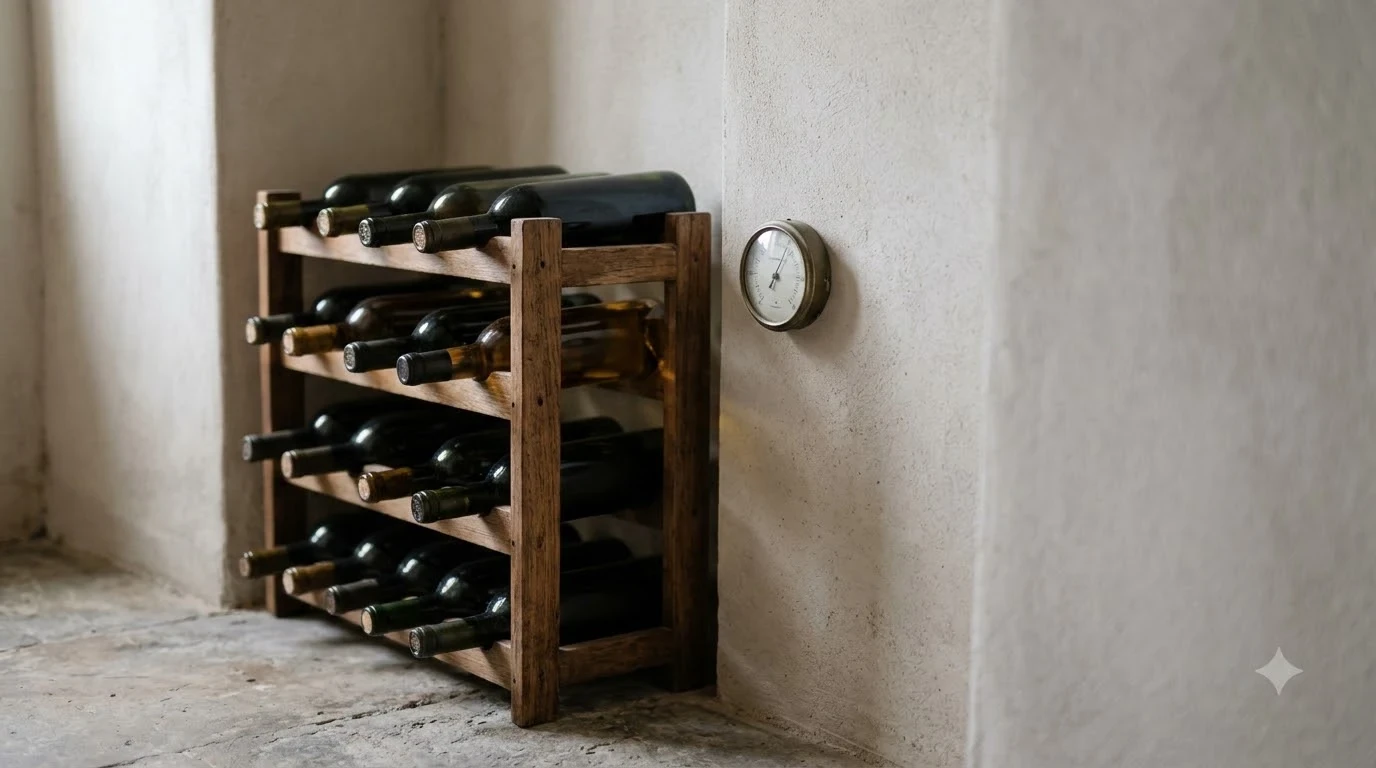
For bottles with traditional cork closures, horizontal storage helps keep the cork in contact with the wine. A cool, dark location near 55°F is a useful general target for longer-term storage.
Keep bottles away from direct sunlight, kitchen appliances, and locations where temperatures fluctuate significantly. A cupboard in a consistently cool room is preferable to a sunny countertop or a shelf above an oven.
Serve each style at the right temperature
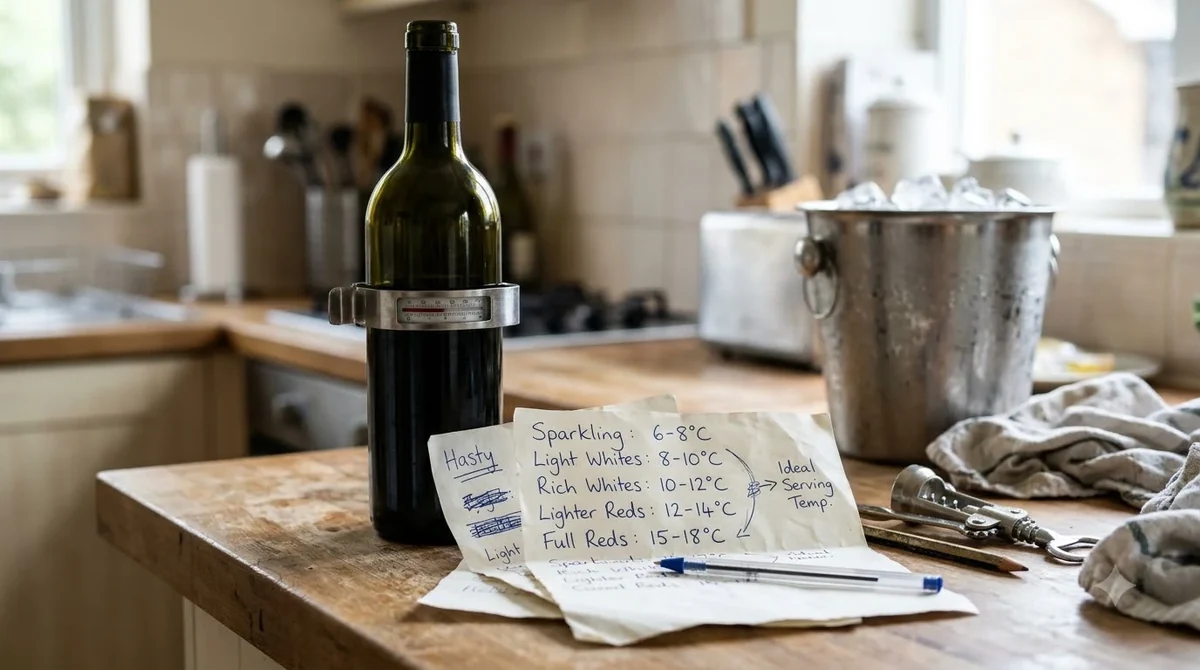
Serving temperature influences how wine aromas, acidity, and alcohol are perceived. Very cold wine can seem muted, while excessively warm wine may taste less balanced.
- Sparkling wines: Serve around 40–50°F.
- Light whites and rosé: Serve around 45–50°F.
- Fuller-bodied whites: Serve around 50–55°F.
- Light reds: Serve around 55–60°F.
- Full-bodied reds: Serve around 60–65°F.
- Sweet whites: Serve around 43–50°F.
These ranges are useful for Biltmore Chardonnay, Sauvignon Blanc, Pinot Grigio, Cabernet Sauvignon, Pinot Noir, rosé, and sparkling wines. A short period in the refrigerator can bring a bottle closer to its preferred serving temperature.
Use appropriate glassware and portions
A standard wine pour is approximately 5 ounces. A conventional 750 ml bottle therefore provides about five glasses, making it relatively easy to estimate how many bottles are needed for a dinner or gathering.
Red wines generally benefit from glasses with a larger bowl, while sparkling wines are often served in narrower sparkling glasses. White wines can be served in smaller bowls that help preserve their cooler serving temperature.
Preserve opened bottles
After opening, reseal still wines and store them in the refrigerator. Most opened still wines remain in reasonable drinking condition for approximately three to five days, depending on the style, storage conditions, and exposure to oxygen.
Opened sparkling wines generally retain their best characteristics for approximately one to three days when properly sealed and refrigerated. A dedicated sparkling-wine stopper is useful because an ordinary cork may not provide an effective seal.
For a full-bodied young red, decanting for approximately 30–60 minutes can help soften its initial presentation and allow its aromas to develop. This is more relevant to structured wines than to lighter, uncomplicated bottles intended for immediate enjoyment.
Storage matters even when buying an everyday bottle. A moderately priced wine that has been stored carefully will generally provide a more enjoyable experience than one left in a hot car or exposed to direct sunlight.
Frequently Asked Questions
Is Biltmore wine made entirely from North Carolina grapes?
Not necessarily. Biltmore’s portfolio includes wines associated with different grape-growing regions, and the winery identifies certain selections with locations such as Sonoma County, Dry Creek Valley, and Alexander Valley. The geographic origin can differ between individual bottles, so the wine’s stated region is important when comparing selections.
Can you visit Biltmore Winery without purchasing a wine bottle?
Yes, the winery offers tasting and hospitality experiences separate from buying bottles. Access to the winery requires a daytime Biltmore ticket, an annual pass, or a stay at one of the estate’s overnight properties. Visitors can explore the Tasting Room and Wine Bar without making a bottle purchase.
Does Biltmore have a wine club?
Yes. Biltmore offers several wine club options, including red, white, mixed, and sweet wine categories. These memberships are designed for people interested in receiving selections from the winery on a recurring basis rather than purchasing individual bottles only.
What size are most standard Biltmore wine bottles?
Many standard Biltmore retail selections are sold in 750 ml bottles, the conventional size for table wine. This is approximately 25.4 US fluid ounces and provides roughly five standard 5-ounce servings. Specialty formats, when offered, may differ.
Does Biltmore offer wines suitable for wine gifts?
Yes. Its portfolio includes sparkling wines, Reserve selections, and specialty releases that can work well as gifts. A bottle connected to a particular grape preference or special occasion is generally more thoughtful than choosing a wine simply because it occupies the highest price category.
Biltmore offers a broad selection for shoppers who want approachable everyday wines as well as more distinctive Reserve and sparkling bottles. Start with the grape variety and sweetness level you enjoy, then compare the relevant price tier and local availability. That approach makes it easier to choose a bottle that fits both your budget and the occasion.
More in Wine Brands
 Louis Latour Wine Price: Compare Bottles by Style and TierUpdated Nov 20, 2026
 Yellow Tail Moscato Price: What to Expect Before You BuyUpdated Nov 20, 2026
 Sutter Home Sweet Red Review: Find the Right Food PairingsUpdated Nov 20, 2026
 Franzia Chillable Red Review: Find the Right Serving StyleUpdated Nov 20, 2026
 Veuve Clicquot Rose Review: Flavor, Food Pairings and Buying AdviceUpdated Nov 20, 2026
 Rombauer Wine Price: Compare Bottles Before You BuyUpdated Nov 20, 2026