

We may earn a commission when you buy through links on this page, at no extra cost to you. Learn more.
The best wine pourer depends on what you need it to do: a simple spout stops drips at the table, a pour-through aerator adds air as you serve, and a stopper-style pourer doubles as a seal for the leftovers. Pourers are small, inexpensive tools, so most people choose by how they will use them rather than by brand. This guide groups the main styles by everyday need and explains what to check before you buy.
A wine pourer sits on the bottle and controls the flow as you pour. Some are plain spouts, some are stoppers with a built-in spout, and some add a second function by aerating the wine. Knowing which job matters most to you will narrow the choice quickly, and the rest of this guide shows how the main categories compare.
Quick Comparison
Pourers differ mainly in how they control flow and whether they change the wine as it passes through. Plain spouts are the simplest and work well for everyday drinking. Stopper-style pourers help when you want to reseal a bottle. Aerating pourers add a step that the Wikipedia entry on wine accessories describes as mixing air into the wine as it flows, which increases oxygen exposure.
| Style | How it works | Main benefit | Main trade-off |
|---|---|---|---|
| Plain spout pourer | Fits the bottle neck and guides the flow | Fewer drips and spills | Does not reseal the bottle |
| Stopper-style pourer | Combines a spout with a stopper | Handles pouring and resealing | May fit only some bottle necks |
| Pour-through aerator | Mixes air into wine as it passes through | Softens the wine as you serve | Adds one more part to clean |
| Decanter-top aerator | Sits in the decanter neck | Aerates a larger volume | Needs a decanter |
Best for Everyday Pour Control
If you mostly want a cleaner pour at home, a plain spout is the simplest tool. It guides the wine from the bottle into the glass, which cuts down on the dribble that runs down the label and onto the tablecloth. Most simple spouts are easy to rinse and need no special care.
The main limit is that a plain spout does nothing to keep the wine fresh. It is a serving aid, not a seal, so pair it with a stopper for any bottle you plan to finish later in the week. For a single glass with dinner, though, a spout is often all you need.
Best for Drip-Free Serving at the Table
Drips are most noticeable with heavier wines and when a bottle is nearly empty, because the wine loses momentum at the lip. A pourer with a well-shaped spout reduces that problem. Look for a spout that sits flush with the bottle and does not wobble when you tilt it.
Check the fit before you buy. Bottle necks vary in diameter, and a loose pourer will slide or leak. Many people find that a snug, slightly tapered design works across a range of bottles, including the screw caps and corks common in home drinking.
Drip control also depends on how you tilt the bottle. Pour in a steady motion and lift the bottle smoothly at the end instead of snapping it upright. A pourer helps with the mechanics, but the habit does most of the work. Keep a folded cloth nearby for the first sip of each pour, because a small amount of wine always runs down the outside of the neck.
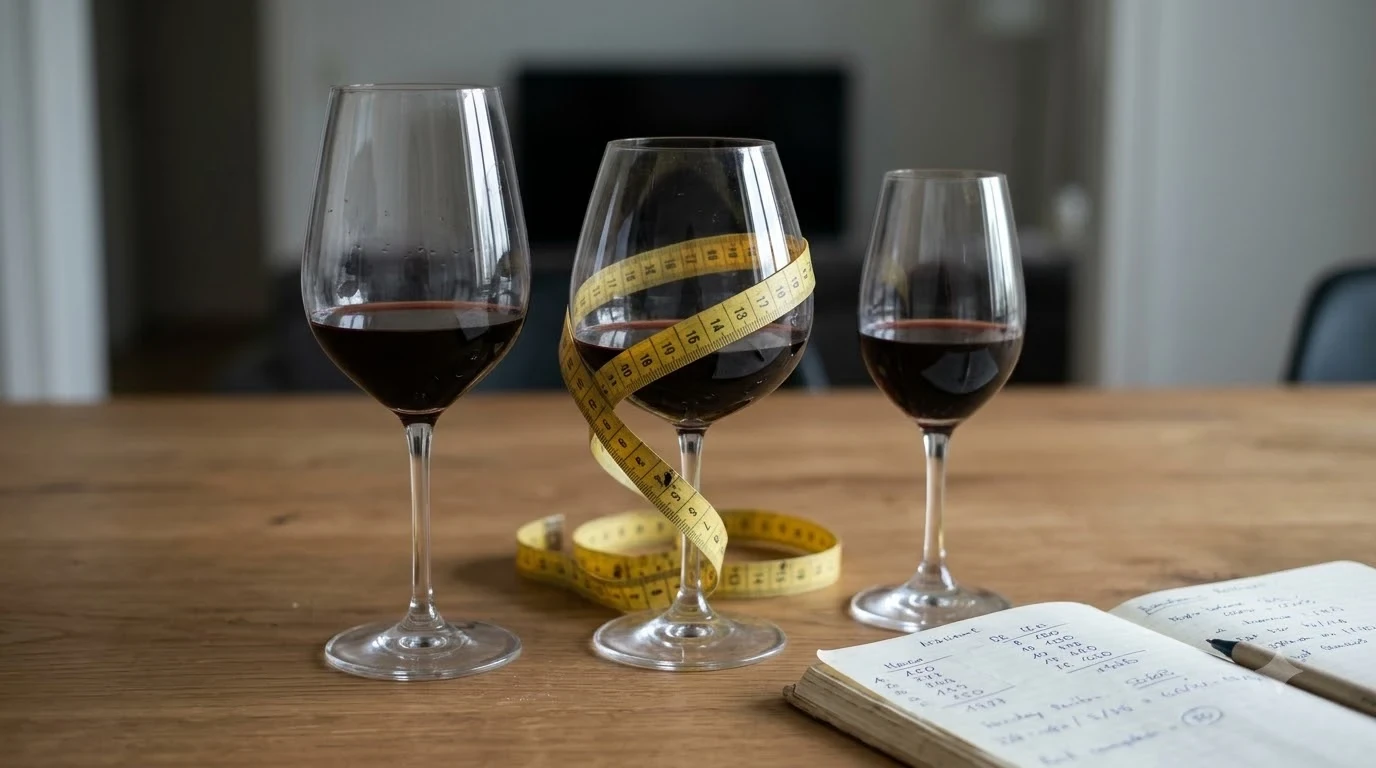
Think about the glass too. A wide, short glass makes a splash more likely when you pour quickly, while a narrower tulip-style glass gives the wine less room to slop. The Wikipedia article on wine tasting describes glass shape as one factor in how a wine is perceived, which is a useful reminder that serving tools and glasses work best as a pair.
Best for Aerating While You Pour
Some pourers aerate the wine as it passes through the spout. The Wikipedia entry on wine accessories describes the hand-held, pour-through style as an alternative to swirling, to traditional decanting, and to simply letting a bottle breathe. The Wikipedia article on wine accessories also notes that some aerators can be too harsh for thin-skinned red grapes such as Pinot noir or Gamay, so an aerating pourer may suit fuller reds better than delicate ones.
If you want aeration without a second vessel, a pour-through model is the most direct option. Expect a noticeable change in aroma and texture with bolder reds, and a smaller change with whites and lighter reds. Taste a glass with and without the pourer to judge whether the effect suits your palate.
Best for Gifts and Bar Carts
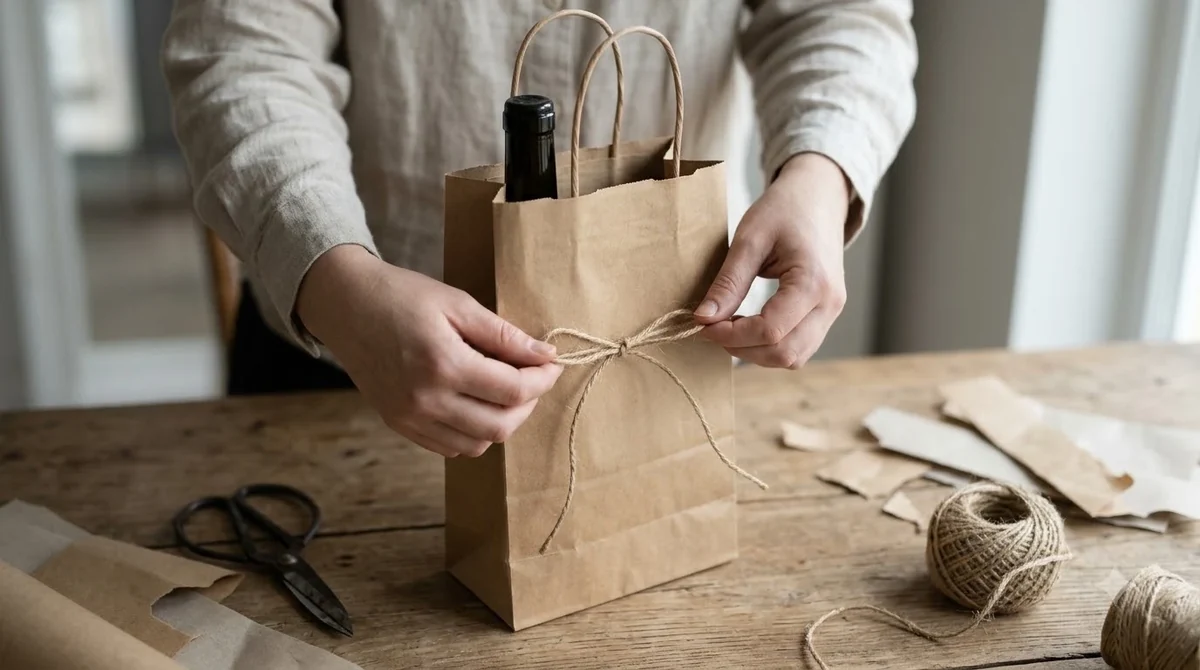
A pourer is an easy gift for someone who keeps a bar cart or entertains often. The best gift options are simple to use, attractive on the shelf, and clearly useful the first time someone opens a bottle. Pourers suit a bar cart because they stay out and cost little space, while still getting used often.
When choosing a gift, match the style to the recipient. A plain spout suits someone who opens a bottle most nights. A stopper-style pourer suits someone who likes to finish bottles over several days. An aerating pourer suits a curious drinker who enjoys trying different serving methods.
Best for Parties and Batch Pouring
At a gathering, a pourer speeds up service and keeps the table tidy. When several people pour from the same bottle, a spout that stays on the neck and does not need re-seating saves time. Keep a few spare pourers on hand, because they are easy to misplace in a crowded kitchen. Set a small tray near the bottles for used pourers, so guests and helpers can return them without hunting for a place to put them down.
Plan the order of pours too. Serve lighter wines first, then move to fuller reds, and keep the pourers on the bottles you plan to finish. If you are working out how much to open for a group, the guide on how many glasses in a bottle of wine gives a quick estimate before the party starts.
How to Choose a Wine Pourer
Start with the main job you want the tool to do, then check fit and cleaning. A pourer that fits your usual bottles and rinses easily will get used. One that is awkward to clean tends to end up in a drawer.
Tip: Test a pourer on a bottle you already own before you commit to a set. Note whether it fits snugly, whether it drips on the last inch, and whether it is easy to rinse under warm water.
If you plan to pair pourers with other tools, the Accessories Library lists the common companions, such as stoppers and aerators, so you can build a small kit around the way you actually drink.
Think about storage as well. A pourer that lives on the bar cart needs to be easy to see and grab, while one kept in a kitchen drawer should be compact and dry quickly. If you keep several styles, label them or store each one with its bottle type so you do not spend time searching during a dinner.
Price is a question for each store and each product, and this guide does not list figures. Compare what each style does for your habits, and buy the one that will still be in use after a few months.
Frequently Asked Questions
What is the difference between a wine pourer and an aerator?
A pourer mainly controls the flow of wine from the bottle. An aerator adds air as the wine passes through, which changes how it tastes. Some products combine both functions, so check the description before you buy.
Will a wine pourer fit every bottle?
Not always. Bottle necks differ in diameter and shape, so a pourer may fit some bottles more snugly than others. Test the fit on the bottles you open most often before buying a larger set.
Do pourers keep wine fresh after opening?
A plain pourer does not seal the bottle. A stopper-style pourer can help, but for longer storage a proper stopper or vacuum seal works better, as covered in the wine pump guide.
How do I clean a wine pourer?
Rinse it promptly after use with warm water, and dry it fully before storing. Pay attention to any aerating chambers, because wine residue can collect in small openings and affect the flow.
A good wine pourer is one you will reach for without thinking. Pick the style that matches your main habit, check the fit on your usual bottles, and keep it somewhere easy to grab. Once it becomes part of your routine, it will repay the small cost many times over.
More in Wine Accessories
 Coravin Vs Vacu Vin: Choose the Right Wine Saver for Your BottlesUpdated Nov 21, 2026
 Zwilling Wine Stopper Review: Preserve Open Bottles LongerUpdated Nov 21, 2026
 Wine Enthusiast Wine Preserver Review: Features, Benefits and LimitationsUpdated Nov 21, 2026
 Wine Enthusiast Wine Stopper: An Easier Way to Reseal Open BottlesUpdated Nov 21, 2026
 Vintorio Wine Opener: Two-Step Cork RemovalUpdated Nov 21, 2026
 Zwilling Wine Aerator Review: Aerate, Pour, and Seal With One ToolUpdated Nov 21, 2026