


We may earn a commission when you buy through links on this page, at no extra cost to you. Learn more.
The best wine luggage protects bottles from impact, keeps them upright, and fits the bag rules you will travel under. A padded hard-shell case suits checked luggage best, a soft multi-bottle carrier works well for carry-on trips, and a single-bottle sleeve is enough for a gift or a short trip. Check the liquid and alcohol rules for each route before you pack, because the allowed amount depends on the bag and the alcohol strength.
Bringing a bottle home from a trip, or carrying wine to a friend’s house, is simple until the bottle has to survive a crowded bag, a cramped overhead bin or a long baggage belt. Good wine luggage solves three problems: it cushions the glass, it holds the bottle in place so it cannot knock against its neighbours, and it keeps spills contained. This guide sorts the main types of carrier by the trips they suit best.
Quick Comparison of Wine Luggage Types
The table compares the main carrier styles on the points that matter most when a bottle has to travel. The ratings are relative to one another rather than measured against a fixed scale.
| Carrier type | Bottle protection | Bottles held | Best trip | Main drawback |
|---|---|---|---|---|
| Padded hard-shell case | High | One to a few | Checked luggage and long trips | Heavier and bulkier to carry |
| Soft multi-bottle carrier | Medium | Two to several | Carry-on and road trips | Less protection in a hard knock |
| Single-bottle sleeve | Medium | One | Gifts and short visits | Little room for anything else |
| Wheeled wine carrier | High | Several | Events and tastings | Takes more space in a car or train |
| Backpack-style bottle bag | Medium | One to two | Walking trips and tours | Can shift if not packed well |
As a rule, the more bottles a carrier holds, the more room it needs and the more important its padding becomes. A soft carrier that fits in an overhead bin is useful, but it protects less than a case that sits inside checked luggage.
Best for Checked Luggage on Long Trips
A padded hard-shell case gives the most protection when the bag goes into the hold. It keeps the bottle upright and stops the case from taking hits from other luggage.
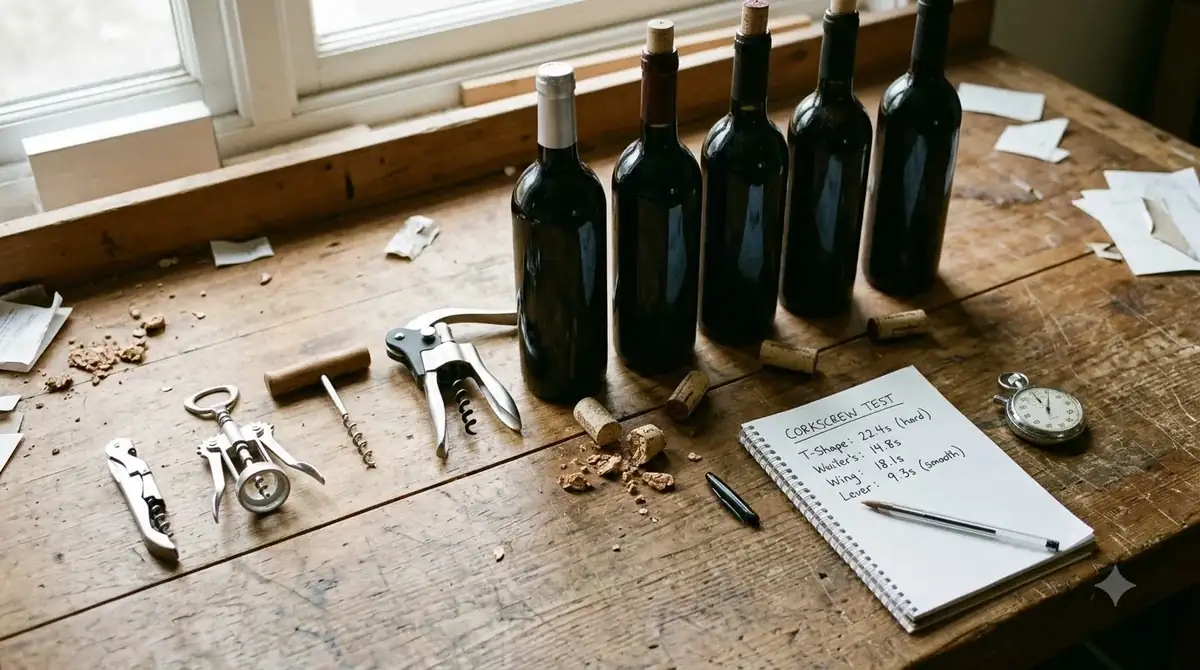
Why it stands out: Hard-shell cases use rigid walls with foam inserts, which is the strongest protection for a glass bottle in a checked bag. The bottle stays centred, and the outer shell takes most of the knocks that come from baggage handling.
Keep in mind: Checked luggage has rules of its own. The TSA guidance on alcohol notes that beverages with more than 24 percent and up to 70 percent alcohol are limited in checked bags to 5 liters per passenger and must be in unopened retail packaging. Wine usually falls under 24 percent, which has no quantity limit in checked bags, but a fortified wine or spirit may not. Check the airline’s own rules as well.
Best for: travellers who plan to bring bottles home in a checked bag and want the strongest protection available.
Best for Carry-On Trips and Short Flights
A soft carrier that fits an overhead bin is useful when the bottle must stay with you. It is lighter than a hard case and can be packed with clothes or travel items.
Why it stands out: A soft carrier keeps the bottle close and avoids the risk of checked baggage handling. It also fits the limits on carry-on liquids better than a bulky case, though the alcohol and volume rules still apply.
Keep in mind: The TSA page notes that alcoholic beverages in carry-on bags are allowed only in limited amounts, with a limit of 3.4 ounces or 100 milliliters per container. A full bottle of wine is therefore not normally allowed in carry-on luggage, so a soft carrier is most useful for smaller bottles or for the trip home rather than the flight out. Check current security rules before you travel.
Best for: short trips where a full-size bottle is not needed, or where a bottle is carried in checked luggage and only the wine rules need a quick check.
Best for Gifts and Single Bottles
A single-bottle sleeve is the simplest choice when one bottle is the entire load. It is compact, easy to slip into a bag, and looks neat when given as a gift.
Why it stands out: A sleeve adds a layer of padding around one bottle without much bulk. It is quick to pack and unpack, which suits a visit to a friend or a trip where space is tight.
Keep in mind: A sleeve protects against light knocks but does little against a hard impact. Keep the bottle in the centre of the bag and surround it with soft clothing so it cannot shift. For gift planning, a bottle’s size and count matter. Our page on how many glasses are in a bottle of wine is useful when planning how much to bring for a group.
Best for: gifts, short visits and hosts who bring a single bottle to dinner.
Best for Tastings, Events and Wheeled Transport
A wheeled carrier holds several bottles and rolls them to the venue, which suits tastings and wine events. The case keeps the bottles upright while the wheels take the weight.
Why it stands out: Wheels and a rigid frame make a multi-bottle load easy to move through a station or a hotel lobby. Padded dividers keep the bottles separated, which reduces the risk of breakage when the case is set down.
Keep in mind: A wheeled carrier takes more room in a car, train or overhead space, and it is heavier when full. Plan the route and the transport before buying, and check whether the venue or carrier allows the bottles you plan to bring.
Best for: hosts, sommeliers and tasting guests who move several bottles in one trip.
Best for Walking Tours and Day Trips
A backpack-style bottle bag suits a day of walking between wineries or a city visit where both hands should stay free. It spreads the weight across the back and keeps the bottles inside a soft shell.
Why it stands out: A backpack carrier leaves your hands free for maps, tickets and snacks. Many designs include a padded compartment and a closure that holds the bottles in place while you walk.
Keep in mind: Bottles can shift if the bag is not packed well, so wrap each bottle and place the heaviest one at the bottom. Backpack carriers protect less than a hard case, so use them for short routes rather than long journeys with checked baggage.
Best for: wine tours, day trips and walking routes where a few bottles need to come along.
How to Choose the Right Wine Luggage
Start with the trip. A checked flight, a car journey and a walking tour call for different carriers, and the right choice depends on how the bottle will be handled along the way.
- Route: use a hard case for checked bags, a soft carrier for carry-on, and a backpack for walking routes.
- Number of bottles: match the carrier to the load, and leave room for padding around each bottle.
- Padding: look for dividers and foam that hold the bottle upright and keep neighbouring bottles apart.
- Rules: check the liquid and alcohol limits for the bag you plan to use, and the airline’s policy for alcohol.
- Weight: a full wheeled or hard-shell case adds weight quickly, so plan the lifting before you pack.
Tip: Pack bottles with the cork or cap facing up, wrap each one in a clothing layer, and place them in the centre of the bag away from its walls. Doing this before you leave the house saves a lot of worry at the airport.
For a wider view of carriers and related gear, browse the Accessories Library. If you are choosing a case for a home bar as well, our page on bar carts covers storage that stays put at home.
Frequently Asked Questions
Can I bring a bottle of wine in my carry-on bag?
Generally, no. The TSA rules on alcohol in carry-on bags allow only limited amounts, with a limit of 3.4 ounces or 100 milliliters per container. A full bottle does not meet that limit, so a full bottle normally belongs in checked luggage. Check the current rules for your airport and airline before you travel.
Do wine bottles need a special case in checked luggage?
A padded case is strongly recommended. A hard shell with foam inserts holds the bottle still and absorbs impact, which is the most likely cause of breakage in checked bags. Wrapping the bottle in clothing adds a second layer of protection.
How many bottles can I check in a bag?
The TSA rules set a limit for beverages over 24 percent alcohol: up to 5 liters per passenger in checked bags, in unopened retail packaging. Beverages with 24 percent alcohol or less have no quantity limit in checked bags. Confirm the airline’s own policy, because it can add conditions.
Is a backpack a good wine carrier for travel?
It works well for walking tours and day trips, where it keeps your hands free. It protects less than a hard case, so it is not the best choice for checked luggage or long journeys. Wrap each bottle and place the heaviest one at the bottom to keep the load steady.
The best wine luggage matches the trip, the number of bottles and the rules on the route. Choose a hard case for checked bags, a soft carrier for shorter journeys, and a backpack for walking, then check the limits before you pack.
More in Wine Accessories
 Coravin Vs Vacu Vin: Choose the Right Wine Saver for Your BottlesUpdated Nov 21, 2026
 Zwilling Wine Stopper Review: Preserve Open Bottles LongerUpdated Nov 21, 2026
 Wine Enthusiast Wine Preserver Review: Features, Benefits and LimitationsUpdated Nov 21, 2026
 Wine Enthusiast Wine Stopper: An Easier Way to Reseal Open BottlesUpdated Nov 21, 2026
 Vintorio Wine Opener: Two-Step Cork RemovalUpdated Nov 21, 2026
 Zwilling Wine Aerator Review: Aerate, Pour, and Seal With One ToolUpdated Nov 21, 2026