

We may earn a commission when you buy through links on this page, at no extra cost to you. Learn more.
The best wine glass polishing cloth for most households is a large, tightly woven microfiber cloth, which wipes away water spots and smudges in seconds without leaving lint behind. However, specialized glass-cleaning designs offer clear advantages depending on your stemware and routine. Pocketed microfiber towels protect ultra-thin crystal rims from torque, natural flour-sack cotton handles heavy-duty drying on a budget, and waffle-weave or linen blends excel at high-volume entertaining.
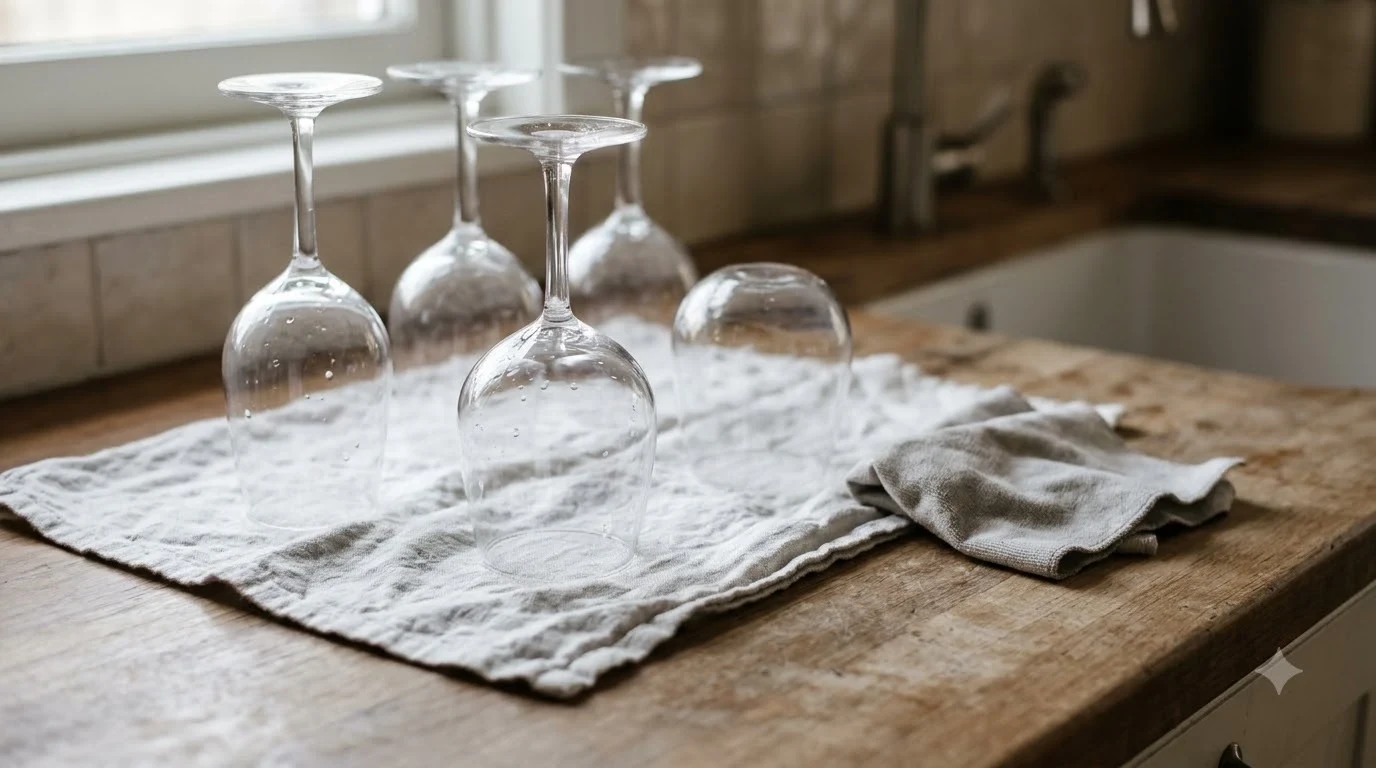
Air-drying stemware almost always leaves behind mineral spots, cloudy film, or stray fibers from standard kitchen towels that distract from a wine’s color and clarity. A dedicated wine glass polishing cloth solves both problems at once, lifting moisture and skin oils while keeping delicate bowls crystal clear.
Quick Comparison
Different weaves, fabrics, and structural designs balance absorbency, lint control, and stemware safety in distinct ways.
| Cloth Type | Material / Weave | Lint Control | Absorbency | Ideal Use Case |
|---|---|---|---|---|
| Oversized Flat Microfiber | 80/20 polyester-polyamide tight weave | Excellent | High | All-purpose crystal and daily polishing |
| Pocketed Microfiber Towel | Smooth microfiber with sewn hand pockets | Excellent | High | Ultra-thin, hand-blown crystal stems |
| Cotton Flour-Sack Cloth | 100% ring-spun unbleached or white cotton | Very Good | Very High | Budget-friendly drying and large batches |
| Linen & Cotton Blend | Tightly woven natural flax and cotton | Very Good | Moderate | Traditional restaurant-style buffing |
| Waffle-Weave Microfiber | Textured honeycomb microfiber | Excellent | Ultra-High | Post-party cleanup and decanters |
Best for Everyday Crystal & All-Around Use: Oversized Flat Microfiber Cloths
An oversized, tightly woven flat microfiber cloth—typically measuring around 20 by 28 inches—is the gold standard for keeping stemware spotless after every wash. Its generous surface area lets you wrap both hands in fabric so bare fingers never re-smudge freshly polished glass.
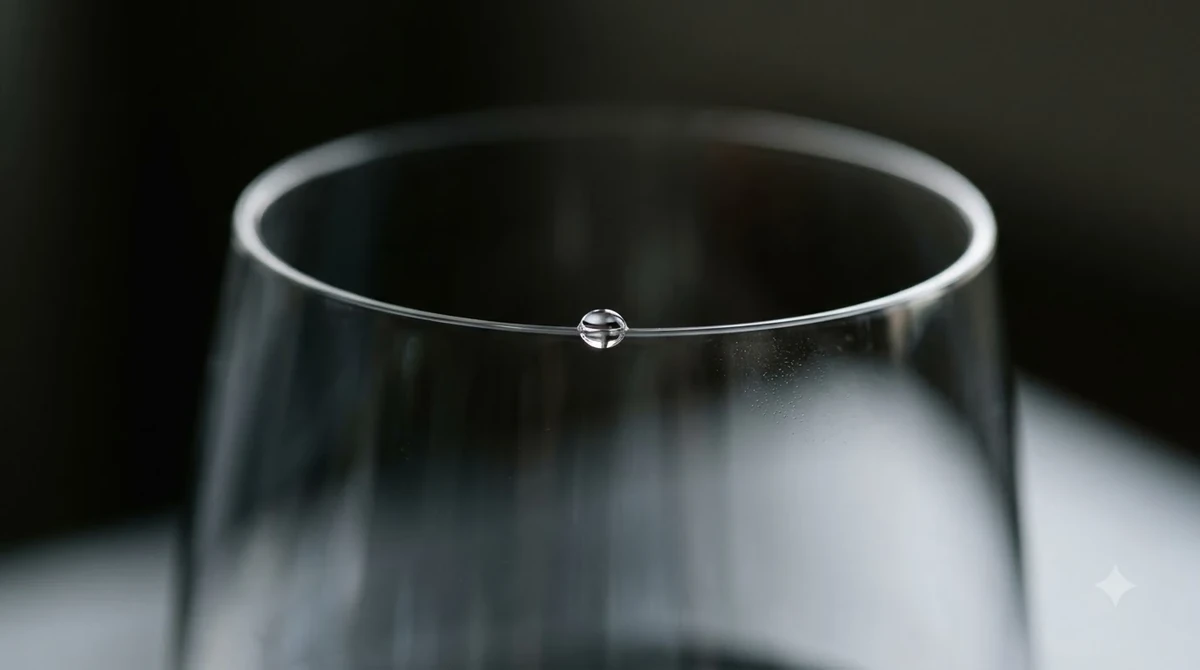
Why it stands out: According to Wine Folly, large microfiber polishing cloths are a staple tool sommeliers rely on because their eyeglass-grade weave lifts water droplets and oily fingerprints without shedding stray fibers. An 80% polyester and 20% polyamide blend creates microscopic channels that trap moisture on contact rather than pushing streaks across the bowl. Because the cloth is wide enough to drape over both hands simultaneously, you can buff the interior and exterior of a Bordeaux or Burgundy bowl in one smooth rotation.
Keep in mind and best for: Smooth flat microfiber works best when used on glasses that are already freshly rinsed and still slightly warm, as it has less bulk for sopping up standing puddles of water. Avoid washing these cloths with fabric softener or regular terry-cloth dish towels, which coat the fibers and ruin their streak-free grip. This style is best for wine lovers who want one reliable, versatile cloth for regular weeknight stemware care.
Best for Delicate Hand-Blown Stemware: Pocketed Microfiber Polishing Towels
Pocketed polishing towels feature sewn corner or side pockets that slip over your hands like mitts, giving you direct tactile control over fragile bowls and thin stems. This design eliminates excess bunching fabric that can snag on delicate rims during rotation.
Why it stands out: Reviewers at Wine Enthusiast highlight microfiber glassware drying towels with stitched hand pockets as a smart way to achieve a sparkling finish without leaving fingerprints behind. By keeping your fingers cushioned inside individual fabric sleeves, you can apply gentle, even pressure to the inside and outside of a thin-walled glass simultaneously. That balanced grip significantly lowers the risk of twisting a delicate stem off its base while buffing stubborn water spots near the bottom of the bowl.
Keep in mind and best for: Hand pockets slightly limit how much fresh, dry fabric you can rotate through during a massive cleanup session compared to an open flat sheet. Once the pocketed tips become damp, it is time to switch to a second dry towel rather than forcing a wet edge over clean crystal. Choose this design if you own ultra-lightweight, hand-blown crystal glasses or frequently polish wide-bowled Pinot Noir stems.
Best for Budget-Friendly Multi-Glass Drying: Cotton Flour-Sack Cloths
Lightweight, tightly woven 100% cotton flour-sack towels offer an affordable, washable alternative to synthetic microfiber for home hosts who dry dozens of glasses at once. Pre-washed flour sacks become softer and more absorbent over time while remaining virtually lint-free.
Why it stands out: Sommelier guides frequently praise classic white flour sacks as a practical, low-cost solution for drying and polishing stemware at home. Unlike looped terry kitchen towels that leave fuzzy lint clinging to glass rims, flat-woven cotton glides smoothly over crystal and drinks up substantial moisture before feeling saturated. They are also remarkably durable in the laundry and withstand hot water washes without losing their shape or polishing ability.
Keep in mind and best for: Brand-new flour-sack cloths occasionally carry a light factory sizing or faint lint on the very first use, so washing and air-drying them before their initial glass-polishing session is a smart habit. They also lack the static-like grease-grabbing power of split microfiber when buffing oily lip marks off dry glass. These cloths are best for budget-conscious hosts who want an inexpensive multi-pack for drying everyday glassware after dinner parties.
Best for Traditional Sommelier Buffing: Natural Linen & Cotton Blends
A crisp linen or linen-cotton blend cloth delivers the classic, high-friction buff favored by fine-dining servers and traditional European tasting rooms. The natural stiffness of flax fibers polishes glass to a brilliant, mirror-like sheen with minimal effort.
Why it stands out: Natural flax fibers are inherently smooth, long-staple, and completely free of the short fuzz that causes cotton terry towels to shed. When held over a bowl freshly steamed with warm water, a tightly woven linen blend erases faint mineral haze and imparts a crisp, unmistakable shine that synthetic fabrics rarely replicate. Linen also dries rapidly between uses and resists holding onto stale kitchen odors when laundered properly.
Keep in mind and best for: Pure linen feels stiffer out of the package than plush microfiber and offers lower overall water-holding capacity, meaning glasses should be drained well before polishing. Because the fabric has minimal stretch, you need a careful, light touch around ultra-thin crystal rims. This type is best for traditionalists and serious collectors who enjoy classic tasting-room table service and pair their stemware with wine glass charms during formal tastings.
Best for High-Volume Entertaining & Decanters: Waffle-Weave Microfiber Cloths
Waffle-weave microfiber uses a raised honeycomb grid to dramatically increase surface area, letting one cloth absorb several times its weight in water without streaking. That extra capacity makes it ideal when you are drying a full table of glasses and decanters back-to-back.
Why it stands out: While flat-weave microfiber excels at final dry buffing, the textured pockets of a waffle-weave cloth act like tiny reservoirs that pull heavy droplets off freshly rinsed glassware in a single pass. The structured grid glides effortlessly over wet surfaces without dragging or skipping, cutting down drying time after hosting a crowd—especially when you have opened multiple bottles and calculated how many glasses in a bottle of wine you needed for the evening. Despite the textured pattern, quality waffle-weave microfiber remains soft enough for fine crystal.
Keep in mind and best for: The thicker honeycomb construction feels bulkier in your hands than a thin flat cloth, making it slightly less nimble inside narrow Champagne flutes. Keep a dedicated pair stored strictly with your barware in your Accessories Library so they never cross paths with greasy stovetop messes. This style is best for frequent hosts who need maximum moisture absorption for post-party cleanup.
How to Choose
Selecting the right polishing cloth comes down to matching the fabric weave and dimensions to your glassware collection and washing habits:
- Fabric and lint resistance: Look for tight, flat-woven 80/20 polyester-polyamide microfiber, long-staple linen, or ring-spun flour-sack cotton. Avoid looped terry cloth, standard paper towels, and fuzzy dish rags, all of which shed microscopic fibers onto clean bowls.
- Generous dimensions: Choose a cloth measuring at least 20 by 25 inches for standard wine stemware. Larger dimensions let you hold the base with one covered hand while guiding the cloth inside the bowl with the other, preventing fresh fingerprints.
- Edge finishing: Check for rolled, stitched, or laser-cut no-fray borders. Loose seams unravel after repeated machine washes and can release stray threads onto wet crystal.
- Absorbency versus buffing finesse: If you hand-dry dripping glasses straight from the sink, prioritize high-capacity waffle-weave microfiber or flour-sack cotton. If you let glasses drain briefly or polish after a dishwasher cycle, a smooth flat microfiber or linen cloth delivers the sharpest final shine.
Tip: Never hold a wine glass by the base while twisting the bowl inside a polishing cloth—that opposing torque is the number-one cause of snapped stems. Instead, cradle the bowl gently in one cloth-covered hand and rotate the glass softly with the other.
Frequently Asked Questions
Can I use a regular kitchen dish towel to polish wine glasses?
Standard terry-cloth or waffle-cotton kitchen towels are poor choices for wine glasses because they shed lint and often carry trace cooking oils or scented detergent residue. Even tiny amounts of grease or fragrance left inside a bowl can flatten sparkling wine bubbles and interfere with a wine’s delicate aromas.
How should I wash a wine glass polishing cloth?
Wash polishing cloths separately from regular laundry using warm water and a small amount of fragrance-free, dye-free liquid detergent. Never use fabric softener or dryer sheets, which leave a waxy coating on the fibers that causes severe streaking on crystal, and hang the cloth to air-dry.
Should wine glasses be wet or dry when polishing?
Wine glasses polish best right after rinsing while the glass is still slightly warm and lightly damp, before water droplets can evaporate into mineral spots. If a dry glass already has cloudy water marks, hold the bowl briefly over gentle steam from a kettle before buffing with a clean, dry cloth.
How many wine glass polishing cloths do I need at home?
Keeping two to three dedicated cloths on hand is ideal for most households. One dry cloth handles initial moisture removal, while a second completely dry cloth gives each glass a final streak-free buff—especially helpful when polishing six or more glasses after a dinner party.
A dedicated polishing cloth is one of the simplest upgrades you can add to your wine routine, turning cloudy, water-spotted stemware into crystal-clear glasses ready for any pour. Pick the weave and size that match how you wash and entertain, keep it isolated from everyday kitchen rags, and every bottle you open will look as good in the glass as it tastes.
More in Wine Accessories
 Coravin Vs Vacu Vin: Choose the Right Wine Saver for Your BottlesUpdated Nov 21, 2026
 Zwilling Wine Stopper Review: Preserve Open Bottles LongerUpdated Nov 21, 2026
 Wine Enthusiast Wine Preserver Review: Features, Benefits and LimitationsUpdated Nov 21, 2026
 Wine Enthusiast Wine Stopper: An Easier Way to Reseal Open BottlesUpdated Nov 21, 2026
 Vintorio Wine Opener: Two-Step Cork RemovalUpdated Nov 21, 2026
 Zwilling Wine Aerator Review: Aerate, Pour, and Seal With One ToolUpdated Nov 21, 2026