

We may earn a commission when you buy through links on this page, at no extra cost to you. Learn more.
The best wine backpack is the one that protects bottles from knocks and keeps them upright while you carry them, with a padded divider system and a comfortable harness for the way you travel. Padded divider backpacks suit picnics and small gatherings, insulated versions help on warm days, and hard-shell carriers give the most protection for trips. Capacity, padding, and how the pack carries weight matter more than a fancy finish.
A wine backpack lets you carry two to four bottles hands-free to a park, a friend’s home, a campsite, or the airport. The idea is simple, but the details decide whether the bottles arrive intact and whether the bag is pleasant to wear for more than a few minutes. This guide compares the main types of wine backpack, explains how to judge capacity and padding, and shows what to look for before you buy.
Quick Comparison
Wine backpacks fall into a few design families. The table compares them by protection, carrying comfort, and the situation each suits best. Use it to narrow the field before looking at specific models.
| Backpack type | Protection | Carrying comfort | Best use |
|---|---|---|---|
| Padded divider backpack | Good for 2 to 4 bottles with dividers | Light to moderate loads | Picnics, parks, and short walks |
| Insulated wine backpack | Good, plus a cooling layer | Moderate, as the insulation adds bulk | Warm-weather outings and beach days |
| Hard-shell carrier | Strongest for bottles in transit | Heavier, with less flexibility | Trips, flights, and longer journeys |
| Dual-use daypack | Moderate, depends on dividers | Good for everyday use | Commuting, events, and carrying other items |
| Basic sling or sleeve pack | Limited, often one or two bottles | Simple and light | Quick trips and gifts |
Best for picnics and outdoor gatherings
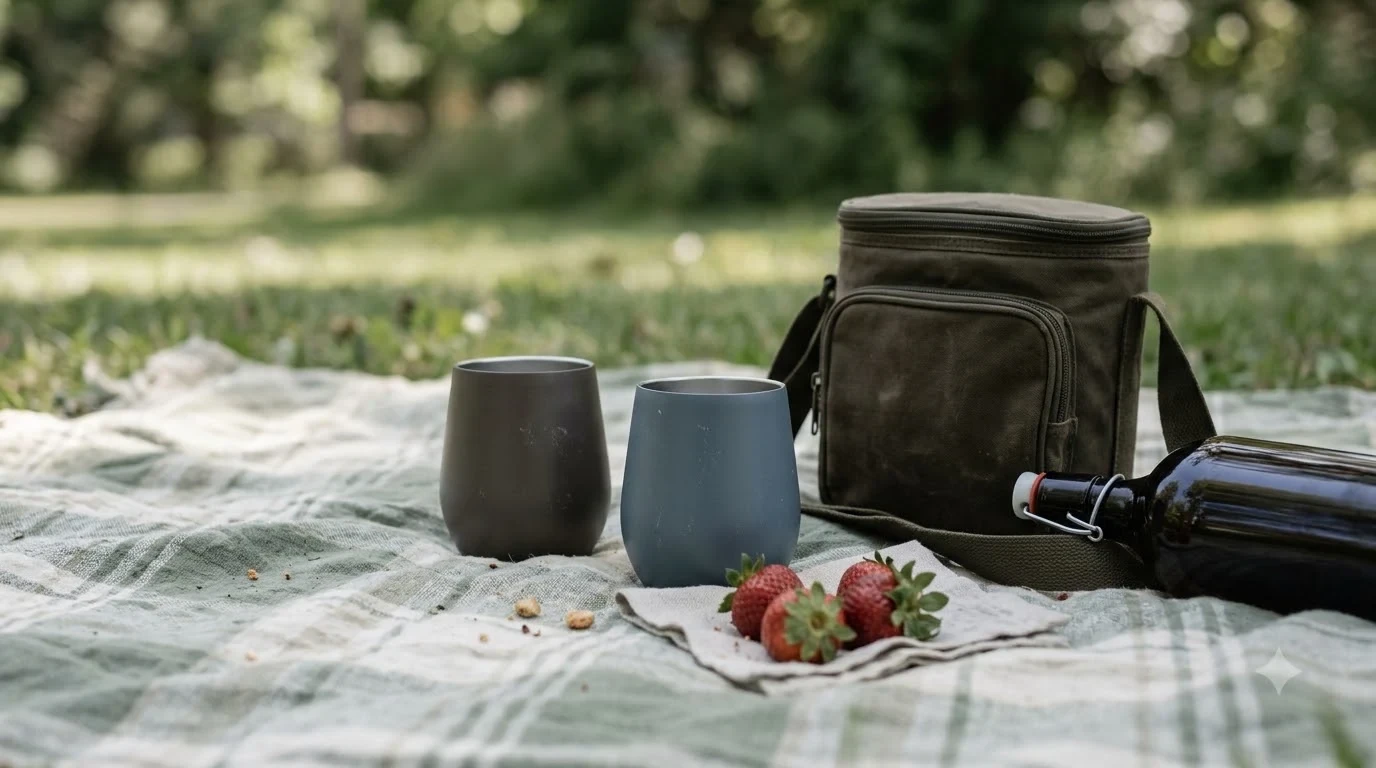
A padded divider backpack is the common choice for a picnic. The dividers keep bottles from knocking together, and the pack leaves both hands free for a blanket, a cooler, or a child’s hand. Outdoor use also means uneven ground, so the bag needs a stable base and a secure closure.
Why it stands out: Hands-free carrying is the main advantage. A padded backpack spreads the weight across your back and shoulders, which is easier over a long walk than a bag held by one handle. Many outdoor users also value a separate pocket for corkscrews, glasses, or napkins.
Keep in mind: Heavier loads cause discomfort if the harness is thin. Once a pack holds more than a few bottles, the weight adds up quickly, so pick a size that fits the number of bottles you plan to carry rather than the largest option.
Best for: Picnic groups, park visits, and small outdoor dinners where two or three bottles are the usual load.
Best for travel and carry-on
Travel adds two problems: bottles must survive being moved around, and the bag has to fit airline or train rules. A hard-shell carrier or a pack with firm dividers gives the most protection, though it often weighs more than a soft pack.
Why it stands out: A rigid shell protects bottles from pressure and bumps in a luggage compartment, which a soft bag cannot always do. Padded compartments inside a travel backpack also help separate bottles from clothing and electronics.
Keep in mind: Airline rules on liquids and checked bags change, and some carriers limit how much alcohol a passenger can carry. Check the rules for your route before you pack, and remember that a backpack that looks sturdy can still fail under rough handling.
Best for: Frequent travelers who want to bring a favorite bottle to a destination and need a protective carrier for it.
Best for insulated warm-weather use
An insulated wine backpack adds a cooling layer that helps keep bottles from warming quickly on a hot day. This matters for white wine, rosé, and sparkling wine, which are usually served cold. The insulation also protects the bottles from direct sun while you walk.
Why it stands out: A cooler backpack lets you carry chilled wine to a beach or outdoor event without a separate ice chest. It is especially useful when the gathering starts in the afternoon and runs into the evening.
Keep in mind: Insulation adds bulk and weight, so the pack holds fewer bottles than a plain divider model of the same size. Chill the bottles before packing, because insulation slows warming but does not cool a warm bottle.
Best for: Beach trips, outdoor concerts, and summer picnics where the wine needs to stay cool for hours.
Best for hosts carrying wine to a friend’s home
When you bring wine to a dinner party, you want the bottles to arrive intact and look presentable. A dual-use daypack or a compact divider bag works well because it carries a bottle or two, plus a bag of snacks or flowers, without looking like a sports bag.
Why it stands out: A dual-use pack can serve several roles. It carries wine, a laptop, or a change of clothes, which makes it a good everyday bag that also works for social visits.
Keep in mind: Dual-use packs often offer less protection than dedicated wine carriers. Pad the bottles with a towel or a sleeve, and keep them away from heavier items so they do not shift during the walk.
Best for: Dinner guests, hosts who walk or take transit, and anyone who wants one bag for several uses.
Best for a simple, low-cost carrier
A basic sling or sleeve pack is the lightest option. It holds one or two bottles and is easy to store, which makes it useful for a gift or an occasional trip where a full backpack would be too much.
Why it stands out: A simple carrier is quick to pack and uses little space in a closet or car. It suits occasional use and makes a practical gift for someone who regularly brings wine to gatherings.
Keep in mind: Simple designs often have thin padding and a single compartment. Two bottles knocking together in a basic bag can break, so add a divider or wrap each bottle.
Best for: Occasional use, gifts, and short trips where one or two bottles is the usual load.
How to Choose
Start with how many bottles you carry and how far you walk. The Wikipedia entry on backpacks gives useful context for capacity and carrying design: daypacks commonly average 10 to 30 liters, and loads over 10 kg put much of their weight on padded hip belts. The table below turns those ideas into buying questions.
| Question | If yes or mostly | Look for |
|---|---|---|
| Will you carry more than three bottles? | A larger pack with a padded hip belt | Strong shoulder straps and a sturdy base |
| Will the bag ride in a car or a cargo hold? | A hard-shell or firmly divided pack | Rigid walls and dividers that stay in place |
| Is the wine served cold outdoors? | An insulated model | A liner that is easy to wipe clean |
| Do you need the bag for other things too? | A dual-use daypack | A laptop sleeve or a separate pocket |
| Is this for occasional use? | A simple sleeve or sling | Padding around each bottle |
Tip: Wrap each bottle in a towel or place it in a sleeve before packing. Bottles knocking against each other cause most breakage, and a few seconds of wrapping prevents it.
Capacity is only part of the decision. A pack that holds four bottles is only useful if it stays comfortable when full. If you are also deciding how many bottles to bring, the guide on how many glasses are in a bottle of wine helps you plan the load for a group. For a broader look at wine transport and service tools, the Accessories Library lists related gear.
Frequently Asked Questions
How many bottles can a wine backpack hold?
Most wine backpacks hold two to four bottles, depending on the dividers and the bag’s size. Check the internal dimensions and whether the dividers are adjustable. Packing more than the designed number can strain the seams and the straps.
Is a hard-shell wine carrier better than a soft backpack?
For protection, yes. A rigid shell resists bumps and pressure better than soft fabric. A soft pack is lighter and more comfortable for long walks, so the choice depends on whether you prioritize protection or carrying ease.
Can I bring a wine backpack on a plane?
Rules for carrying alcohol on flights vary by airline and by country, and they change over time. Check the current rules for your carrier and destination before you pack, and consider a checked bag with protective padding for bottles.
How do I keep wine cold inside a backpack?
Chill the bottles before packing and use an insulated liner if the pack has one. Keep the bag out of direct sun and avoid leaving it in a hot car. Insulation slows warming but does not cool a warm bottle.
A good wine backpack makes carrying bottles easy and keeps them safe on the way. Start with the number of bottles and the distance you walk, then choose the type of protection and the level of padding. A well-fitted pack will stay comfortable through the whole outing, and that is the real test.
More in Wine Accessories
 Coravin Vs Vacu Vin: Choose the Right Wine Saver for Your BottlesUpdated Nov 21, 2026
 Zwilling Wine Stopper Review: Preserve Open Bottles LongerUpdated Nov 21, 2026
 Wine Enthusiast Wine Preserver Review: Features, Benefits and LimitationsUpdated Nov 21, 2026
 Wine Enthusiast Wine Stopper: An Easier Way to Reseal Open BottlesUpdated Nov 21, 2026
 Vintorio Wine Opener: Two-Step Cork RemovalUpdated Nov 21, 2026
 Zwilling Wine Aerator Review: Aerate, Pour, and Seal With One ToolUpdated Nov 21, 2026