

We may earn a commission when you buy through links on this page, at no extra cost to you. Learn more.
The best hawkes bay wineries include Te Mata Estate, Craggy Range, Trinity Hill, Mission Estate, Black Barn Vineyards, Elephant Hill and Church Road, offering excellent opportunities to discover New Zealand Syrah, Chardonnay and Bordeaux-style red blends. Each winery brings something different, from historic cellar doors and vineyard restaurants to focused tastings and premium single-vineyard wines. The right choice depends on the wine styles you enjoy, the experience you want and how much time you have for exploring the region.
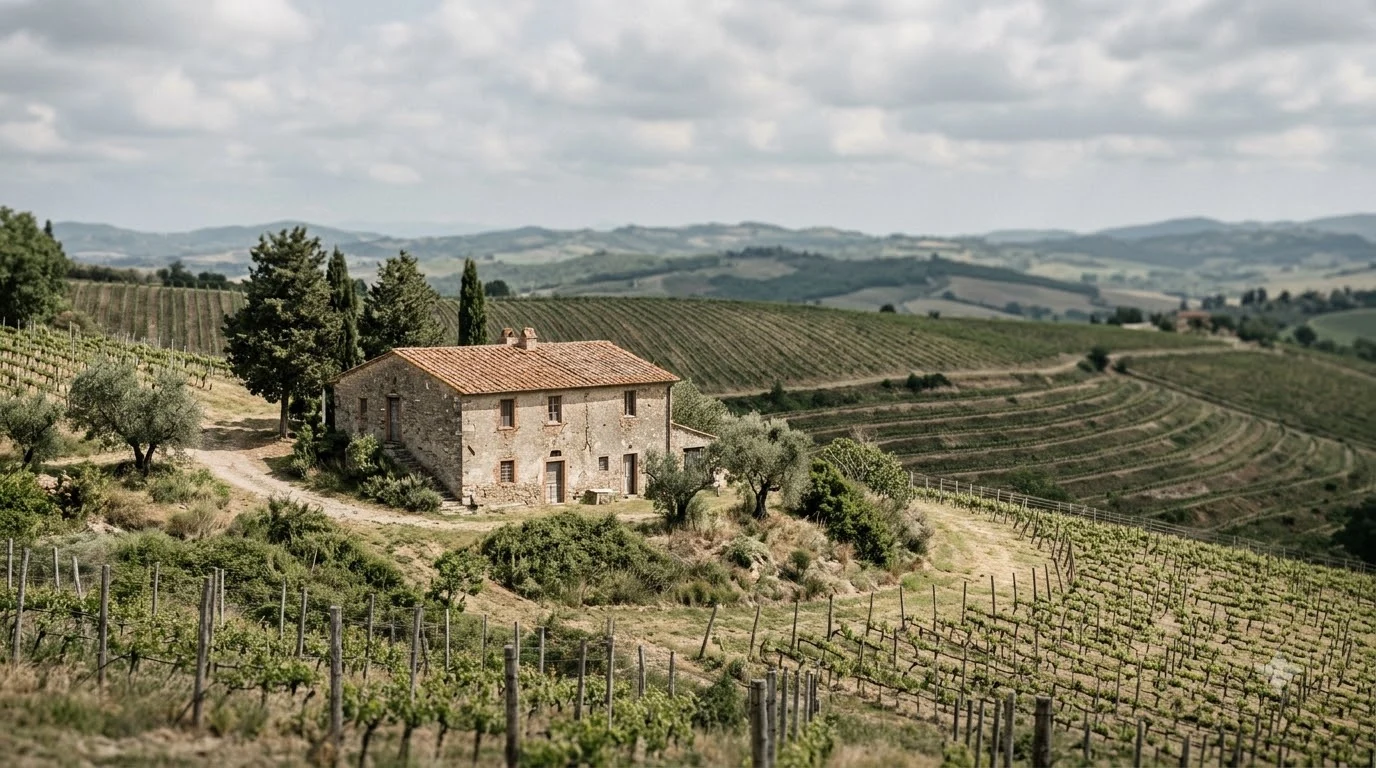
Hawke’s Bay, on New Zealand’s North Island, deserves a place on the itinerary of anyone interested in distinctive cool-coastal and warm-climate wines. Its long growing season, varied soils and Pacific-influenced climate support a broad selection of grapes, with particularly strong results from Syrah, Chardonnay and Merlot-based blends. Rather than concentrating on one famous grape, the region offers opportunities to compare different producers and vineyard sites within a relatively compact wine-travel destination.
For wine enthusiasts, that variety is the main attraction. A visit can include a historic estate in Taradale, a premium winery near Havelock North, a cellar door among the Gimblett Gravels and a coastal tasting experience near Te Awanga. This guide explains which wineries deserve attention, what to look for in their wines and how to plan a rewarding visit.
Who Should Visit Hawke’s Bay Wineries
Hawke’s Bay is particularly appealing to visitors who enjoy structured red wines, expressive Chardonnay and relaxed vineyard dining. Its combination of established producers and smaller independent wineries also makes it a worthwhile destination for travelers who want to compare different winemaking approaches.

Red wine enthusiasts should put the region high on their list. Hawke’s Bay is particularly recognized for Bordeaux-style blends built around varieties such as Merlot and Cabernet Sauvignon, alongside increasingly prominent Syrah. These wines provide an interesting contrast: Bordeaux-style blends often combine ripe fruit with firm structure, while regional Syrah can deliver dark fruit, pepper and savory character.
White wine drinkers have equally good reasons to visit. Chardonnay is one of the region’s defining varieties, with examples ranging from fresh and citrus-driven to fuller-bodied wines influenced by oak fermentation and maturation. Sauvignon Blanc also offers a different expression from the sharply herbal styles commonly associated with other New Zealand regions.
Hawke’s Bay is also suitable for travelers who prefer wine experiences that include more than tasting counters. Some estates have restaurants, outdoor dining areas, accommodation or cultural attractions. Black Barn, for example, combines its winery experience with a bistro, retreats, an amphitheatre and a seasonal growers’ market. Mission Estate offers an important historical perspective, while Craggy Range appeals to visitors interested in vineyard settings and food.
First-time visitors should avoid trying to visit every winery in one trip. The regional wine association lists a substantial collection of producers and cellar doors spread across different districts. Choosing three or four complementary stops is generally more useful than rushing through six or seven tastings without enough time to appreciate the wines.
Travelers comparing wine destinations in the United States may also enjoy exploring the best Temecula wineries, where tasting experiences and regional wine styles provide a different perspective on wine tourism.
Key Factors to Compare When Choosing Wineries
The best winery for a visitor depends on its wine portfolio, location, tasting format and food options. Comparing these four factors before making reservations helps create a more interesting itinerary and prevents a day of tastings from becoming repetitive.
The following comparison highlights several notable Hawke’s Bay producers and the experiences associated with them. The winery descriptions reflect their published profiles and cellar-door information rather than a universal ranking of wine quality.
| Winery | Known for | Location or area | Best suited to |
|---|---|---|---|
| Te Mata Estate | Bordeaux-style reds and Chardonnay | Havelock North area | Historic wine enthusiasts |
| Craggy Range | Premium regional wines | Tukituki Valley | Scenic wine experiences |
| Trinity Hill | Syrah, Chardonnay and red blends | Gimblett Gravels | Serious wine exploration |
| Mission Estate | Historic winery and varied wines | Taradale | History and dining |
| Black Barn Vineyards | Premium wines and hospitality | Havelock North | Food and wine weekends |
| Church Road | Hawke’s Bay wines and heritage | Taradale | Traditional cellar-door visits |
| Askerne Winery | Single-estate wines and tastings | Havelock North area | Relaxed boutique experiences |
| Tony Bish Wines | Chardonnay | Napier | Chardonnay specialists |
| Decibel Wines | Decibel, Giunta and Testify labels | Hastings | Independent wine discovery |
| Elephant Hill | Coastal winery experience | Te Awanga | Wine and coastal scenery |
Wine style should be the first consideration. If you enjoy Cabernet Sauvignon, Merlot and structured blends, prioritize Te Mata Estate, Trinity Hill and other producers associated with the Gimblett Gravels and surrounding districts. Chardonnay drinkers should consider Tony Bish Wines and producers with established white-wine portfolios.
Location is equally important. A winery in Taradale is not necessarily convenient to a coastal cellar door in Te Awanga or a vineyard in the Gimblett Gravels. A good itinerary groups nearby producers rather than crossing the region repeatedly. The official Hawke’s Bay Wine visitor-planning resource provides a useful starting point for identifying cellar doors and their locations.
Finally, compare the type of tasting offered. Some wineries focus on structured wine flights, while others place more emphasis on restaurants, outdoor spaces or private experiences. A tasting-only visit may suit a dedicated wine enthusiast, whereas a winery with a full dining experience is often a better choice for a leisurely afternoon.
Step-by-Step: How to Plan a Hawke’s Bay Winery Visit
A successful winery itinerary starts with selecting a wine theme and grouping cellar doors by location. Allowing enough time for each stop makes it easier to compare wines, enjoy food and appreciate the region instead of treating the day as a race.
-
Choose your main wine styles.
Decide whether the trip should focus on Syrah, Bordeaux-style red blends, Chardonnay or a combination. Red wine enthusiasts can prioritize Trinity Hill and Te Mata Estate, while Chardonnay-focused visitors should include Tony Bish Wines.
-
Select a convenient base.
Napier, Hastings and Havelock North are useful places to organize accommodation and transportation. Each offers a different starting point for visiting surrounding vineyards. Napier is convenient for Taradale and coastal excursions, while Havelock North works well for several nearby winery experiences.
-
Choose one main wine-growing district.
Consider the Gimblett Gravels for its distinctive gravel soils and notable red-wine producers, or Bridge Pa Triangle for a different selection of cellar doors. Visitors with more time can add the coastal Te Awanga area or the vineyards around Havelock North.
-
Limit the number of tasting appointments.
Three wineries make a comfortable starting point for a day. Allow approximately 60 to 90 minutes for a winery visit, including time for questions, food and browsing. Longer restaurant lunches or guided tours require additional time.
-
Check tasting arrangements before departure.
Some wineries accept walk-in visitors, while others offer appointment-based or group experiences. Monowai Estate, for example, is described by regional tourism information as a bookings-only experience for groups of six to twelve people.
-
Plan food and transportation.
Include a substantial lunch rather than relying on small tasting snacks throughout the day. Visitors should arrange a designated driver, private tour, taxi or other suitable transportation if wine tasting is part of the itinerary.
-
Leave room for an unplanned discovery.
Reserve time for a smaller producer, a wine shop or a regional food stop. Boutique wineries can provide a useful contrast to larger estates and introduce grapes or winemaking styles that were not part of the original plan.
Tip: Plan a maximum of three or four substantial winery visits in one day. A longer lunch, a guided vineyard experience or a private tasting can make even three stops feel full, so build the schedule around the experience rather than the number of cellar doors.
Visitors who enjoy exploring wine regions in different countries can use a similar approach when planning a trip to the best Paso Robles wineries. Grouping producers by area and choosing a clear wine theme makes both destinations easier to explore.
Types of Hawke’s Bay Wineries and Wine Styles Explained
Hawke’s Bay is not a single-style wine destination. Its growing areas include gravelly plains, alluvial sites, hillsides and coastal vineyards, producing meaningful differences in grape character and wine structure.

Gimblett Gravels: Structured Reds and Syrah
The Gimblett Gravels is one of the region’s best-known wine-growing districts. According to Hawke’s Bay regional tourism information, the district covers approximately 800 hectares and is characterized by gravelly soils deposited by the former Ngaruroro River. The area has become particularly associated with red varieties and producers seeking concentrated, structured wines.
Trinity Hill is a particularly useful winery to include when exploring this district. Founded in 1993, it has a portfolio focused on Chardonnay, Syrah and Bordeaux-style blends. Unison Vineyard is another cellar-door option within the district, with a Mediterranean-style tasting setting and an accompanying eatery called The Gravels.
When comparing wines from this area, pay attention to tannin, acidity and the balance between fruit and oak. Syrah may offer dark fruit, plum and pepper, while Merlot-Cabernet blends can show blackcurrant, plum and firmer structure. These wines are especially interesting alongside grilled lamb, roast beef and aged hard cheeses.
Bridge Pa Triangle: Diverse Producers and Boutique Experiences
Bridge Pa Triangle provides another useful area for discovering regional wine. The district contains a collection of producers and cellar doors, including wineries such as Ash Ridge, Oak Estate, Radburnd Cellars and other independent estates.
Radburnd Cellars is particularly relevant to visitors interested in small-production wine. The winery was established in 2017 by winemaker Kate Radburnd with the purpose of making small parcels of wine. Oak Estate offers a more food-oriented cellar-door experience, while Ash Ridge is associated with wines and pizza.
Rather than looking for one signature grape, visitors should use this area to compare different producers and their interpretations of Hawke’s Bay fruit. Ask about the vineyard source, grape composition and use of oak. A side-by-side comparison of two Syrahs or two Bordeaux-style blends can reveal how much producer decisions influence the finished wine.
Havelock North: Premium Estates and Historic Producers
Havelock North is a convenient starting point for visitors interested in established wine estates and hospitality. Te Mata Estate, Black Barn Vineyards and Askerne Winery offer different ways to experience the region.
Te Mata Estate has a particularly important place in Hawke’s Bay wine history. Established in 1896, it remains family owned and produces wines exclusively from its Hawke’s Bay vineyards. Its recognized range includes Coleraine, Awatea, Bullnose, Alma, Elston and Cape Crest.
Black Barn offers a broader visitor experience, with its bistro, 17 luxury retreats, amphitheatre and summer growers’ market. Askerne provides a boutique single-estate alternative, with tastings, wine flights and picnic options. Visitors can compare these experiences according to whether they prioritize established wine labels, food or a more intimate cellar-door setting.
Napier and Taradale: Historic Cellar Doors and Chardonnay
Napier and its surrounding districts are useful for visitors who want to combine wine tasting with the area’s architectural and cultural attractions. Mission Estate and Church Road are important names in the region’s wine history, while Tony Bish Wines gives Chardonnay enthusiasts a more specialized experience.
Mission Estate was established in 1851 by French missionaries and is recognized as New Zealand’s oldest winery. Church Road is another historic producer, with a long association with Hawke’s Bay wine. Both make sense for visitors interested in traditional winery experiences and regional heritage.
Tony Bish Wines is particularly different because its portfolio focuses exclusively on Chardonnay. Its winemaking approach includes the use of egg fermenters and oak barrels, making it a worthwhile stop for visitors who want to compare different approaches to one grape variety.
Coastal Hawke’s Bay: Wine with a Different Setting
The coastal areas around Te Awanga offer a different setting from the inland wine districts. Elephant Hill and Clearview Estate are among the cellar doors associated with this part of the region. These producers are useful additions for visitors who want to combine vineyard scenery, food and wine rather than concentrating exclusively on red-wine tasting.
Coastal conditions and vineyard location can influence grape development and the resulting balance of fruit and acidity. Chardonnay is especially interesting to compare across different vineyard sites. A fuller-bodied example with oak influence can offer a contrasting experience to a fresher, more restrained style.
Common Mistakes When Choosing Hawke’s Bay Wineries
The most common mistake is assuming that every Hawke’s Bay winery offers the same experience. Differences in wine portfolios, vineyard locations, opening arrangements and food options can make two cellar doors feel entirely different, even when they are only a short drive apart.
Trying to Visit Too Many Producers
Wine tasting takes concentration. Visiting six wineries in a single afternoon can leave little time to understand the differences between wines or enjoy the scenery. A smaller selection of three or four carefully chosen stops is generally more rewarding.
It is also useful to alternate tasting-heavy experiences with food or sightseeing. For example, a morning visit to Trinity Hill followed by lunch and an afternoon at a historic estate provides a better rhythm than scheduling several consecutive formal tastings.
Choosing Wineries Without Considering Their Wine Styles
Not every winery will match every visitor’s preferences. A Chardonnay enthusiast may get more from Tony Bish Wines than from spending the entire day at red-focused producers. Someone interested in Cabernet Sauvignon and Merlot blends may prefer Te Mata Estate and Trinity Hill.
Before making appointments, review the main grapes associated with each producer. If possible, identify one or two wines you particularly want to compare. This gives each tasting a purpose and helps visitors remember what they enjoyed.
Ignoring Distance Between Wine Districts
Hawke’s Bay is a substantial region with several distinct wine-growing areas. A route that combines Napier, the Gimblett Gravels, Bridge Pa Triangle and coastal Te Awanga without considering driving time can become unnecessarily complicated.
It is better to group nearby wineries. For instance, a Taradale-focused visit can include Mission Estate and Church Road, while a Gimblett Gravels itinerary can concentrate on Trinity Hill and Unison. A separate Havelock North day can include Te Mata Estate, Black Barn and Askerne.
Forgetting to Check Reservations and Food Availability
A cellar door may operate differently from a restaurant. Some wineries offer tasting flights without a full dining service, while others provide substantial food options or require advance bookings. A winery listed in a regional directory should not automatically be assumed to offer walk-in tastings every day.
Visitors should confirm opening hours, booking requirements, tasting fees and meal availability before traveling. This is especially important for smaller wineries and private vineyard experiences.
Buying Wine Without Comparing Similar Bottles
It is easy to choose a bottle because of its label, reputation or tasting-room presentation. A better approach is to compare similar wines across two or three producers, paying attention to grape composition, vintage, acidity, tannin and oak influence.
For red blends, compare the proportion of Merlot and Cabernet Sauvignon and consider how the wines might develop with age. For Chardonnay, look at fermentation and maturation choices. These details can be more useful than simply choosing the most expensive or prestigious bottle.
Wine Buying, Serving and Storage Tips
Choosing a wine at a cellar door is only part of the experience. Understanding how to transport, store and serve the bottle helps preserve its character and makes it easier to enjoy the purchase at home.
Choosing Regional Red Wines
For a classic Hawke’s Bay red, begin with Syrah or a Merlot-Cabernet blend. Syrah typically offers medium-plus to high tannin, dark fruit and savory spice, while Merlot generally has softer, medium tannin. Cabernet Sauvignon tends to be more structured, with higher tannin and firm black-fruit character.
These wines work particularly well with foods that provide sufficient protein and fat. Roast lamb, grilled steak, beef short ribs and mature cheddar are useful pairings. Salt and fat can soften the perception of tannin, making structured regional reds more approachable at the table.
Choosing Chardonnay and Other White Wines
Hawke’s Bay Chardonnay is worth exploring in several styles. Some bottles emphasize citrus and stone fruit, while others have a fuller texture from oak fermentation or maturation. A useful comparison is to taste a fresher Chardonnay alongside a more oak-influenced example.
Serve full-bodied Chardonnay around 50 to 55 degrees Fahrenheit. This temperature allows the wine to retain freshness while expressing its texture and aromas. Sauvignon Blanc and other lighter whites are generally better served around 45 to 50 degrees Fahrenheit.
Storing Bottles After a Winery Visit
Wine should be protected from excessive heat, direct sunlight and large temperature fluctuations. For bottles intended for longer storage, a cool location near 55 degrees Fahrenheit is a useful target. Cork-finished bottles are generally stored on their sides to help keep the cork from drying out.
Do not leave wine purchases in a hot vehicle for several hours after a tasting. If traveling between wineries or continuing a sightseeing trip, arrange suitable storage or return bottles to accommodation rather than exposing them to high temperatures.
Serving and Enjoying the Wines
Pour approximately 5 ounces of wine per glass. A standard 750 ml bottle provides about five such servings. Light reds are generally enjoyable around 55 to 60 degrees Fahrenheit, while fuller-bodied reds are often served around 60 to 65 degrees Fahrenheit.
Young, full-bodied red wines may benefit from 30 to 60 minutes of decanting before serving. This can help soften their initial presentation and allow aromatic characteristics to become more expressive. Older wines may require a different approach because extended aeration can diminish delicate aromas.
Once opened, most still wines are best enjoyed within approximately three to five days when stored in the refrigerator with an appropriate closure. Sparkling wines generally retain their best character for around one to three days, depending on the preservation method.
For readers building a broader wine collection, the wine-buying resource offers a useful starting point for understanding wine selection beyond a single region.
Frequently Asked Questions
What is the most famous wine from Hawke’s Bay?
Hawke’s Bay is particularly recognized for its Bordeaux-style red blends, Syrah and Chardonnay. Its reputation is not based on just one grape, and producers such as Te Mata Estate and Trinity Hill demonstrate the range of styles available. The region also produces aromatic whites and dessert wines.
What is the best time of year to visit Hawke’s Bay wineries?
Summer and early autumn are popular periods for winery visits because vineyard landscapes are particularly attractive and outdoor dining is appealing. Harvest activity generally takes place during late summer and autumn, although exact timing depends on grape variety and seasonal conditions. Visitors interested in harvest experiences should contact individual wineries before planning a trip.
Is Hawke’s Bay suitable for beginner wine drinkers?
Yes. Many wineries offer introductory tasting flights that allow visitors to compare different grape varieties without needing advanced wine knowledge. Askerne, for example, offers wine flights alongside its other visitor experiences. Asking staff to explain the differences between Syrah, Merlot and Chardonnay can make a first visit particularly informative.
Can Hawke’s Bay wines be aged in a home cellar?
Some premium Hawke’s Bay red blends and structured Syrah wines are suitable for extended cellaring, depending on the producer, vintage and individual bottling. High-quality Chardonnay can also develop additional complexity over time. Follow the producer’s recommended drinking window rather than assuming every regional wine will improve with age.
Are Hawke’s Bay wineries suitable for a family visit?
Some wineries provide visitor facilities that make a family outing easier, although individual policies differ. Askerne lists picnic options and ice cream for children, while Black Barn offers accommodation and additional visitor facilities. Families should confirm child access, dining arrangements and supervision requirements before visiting.
Hawke’s Bay offers an impressive combination of historic wine estates, distinctive vineyard districts, boutique producers and welcoming cellar doors. Start with Te Mata Estate, Trinity Hill or Mission Estate for a strong introduction, then add a Chardonnay specialist or coastal winery to broaden the experience. By choosing wineries around your preferred wine styles and planning a manageable route, you can discover why Hawke’s Bay remains one of New Zealand’s most rewarding wine destinations.
More in Wine Buying Guides
 Best Malbec at Total Wine: How to Pick the Right BottleUpdated Nov 21, 2026
 Best Malbec At Whole Foods for Smooth, Flavorful Red WineUpdated Nov 21, 2026
 Best Merlot At Total Wine: Find a Smooth, Flavorful RedUpdated Nov 21, 2026
 Best Hermann Wineries for Historic Cellars and Missouri WineUpdated Nov 21, 2026
 Best Lambrusco Under 20 for Every Taste and Food PairingUpdated Nov 21, 2026
 Best Lake Erie Wineries for Regional Wine Tasting and Vineyard VisitsUpdated Nov 21, 2026