

We may earn a commission when you buy through links on this page, at no extra cost to you. Learn more.
The best alentejo wineries for wine enthusiasts include Herdade do Esporão, Cartuxa, Adega José de Sousa, Adega Mayor, and São Lourenço do Barrocal, each offering a different introduction to Portugal’s distinctive southern wine region. These estates combine traditional winemaking, contemporary cellar techniques, regional grape varieties, and memorable visitor experiences. The right choice depends on whether you prefer historic cellars, vineyard tours, architectural experiences, or opportunities to explore traditional amphora-fermented wines.
Alentejo occupies a large area of southern Portugal, where vineyards share the landscape with cork oak trees, olive groves, rolling agricultural plains, and historic villages. Its wines range from aromatic, refreshing whites to full-bodied reds with ripe fruit and substantial structure. A winery visit offers more than a tasting: it provides an opportunity to understand how geography, grape varieties, and winemaking traditions shape the wines. The following guide highlights established wineries and explains how to choose an experience that fits your interests. Readers who want more general advice before purchasing bottles can also explore this wine-buying guide.
Who This Is For: Choosing an Alentejo Winery Experience
Alentejo is particularly appealing to visitors who want to understand Portuguese wine beyond the country’s better-known Douro and Vinho Verde regions. Its eight designated wine-origin areas offer different geographical perspectives, while its estates range from historic agricultural properties to modern wineries designed around visitor experiences.
First-time visitors should consider starting around Évora or Reguengos de Monsaraz. Évora provides convenient access to historic wineries and a dedicated regional tasting room, while Reguengos is a useful base for exploring estates and vineyards farther into the countryside. Travelers with only one afternoon can concentrate on a single estate rather than attempting to cover several distant producers.
Wine collectors may prefer visits that explain vineyard selection, grape varieties, fermentation, and aging. Herdade do Esporão is a particularly interesting option because its visitor experience connects vineyard management with the work of two winery facilities. Cartuxa is another worthwhile choice for people interested in the historical side of Alentejo wine production.
Travelers interested in traditional Portuguese winemaking should consider Adega José de Sousa. Its use of fermentation amphorae provides a different perspective from wineries that rely primarily on contemporary stainless-steel equipment and other modern production methods.
Architecture enthusiasts have another reason to visit Alentejo. Adega Mayor, in Campo Maior, features a distinctive horizontal whitewashed building designed by architect Siza Vieira. Visitors who want their wine experience to include countryside scenery and a broader estate atmosphere may prefer São Lourenço do Barrocal.
This guide is also useful for American wine buyers who want to identify producers before looking for bottles at domestic retailers. Learning the names of wineries, local grape varieties, and regional classifications makes it easier to recognize Alentejo wines on a restaurant list or in a wine shop.
Key Factors to Compare Before Visiting Alentejo Wineries
The most useful comparison involves location, wine styles, visitor activities, and the amount of time available. A winery with an excellent tasting room may not be the most convenient choice for someone staying in central Évora, while an estate with a longer vineyard tour may be ideal for a traveler planning a full day in the countryside.
The following comparison highlights six established options and their distinguishing features. Visitor capacities and published experience durations are drawn from the available winery-tour listings; schedules and booking conditions should be confirmed directly before departure.
| Winery | Location | Experience | Published duration or capacity |
|---|---|---|---|
| Herdade do Esporão | Reguengos de Monsaraz | Vineyard, winery, and wine tasting | 2 hours; 2–20 participants |
| Adega Cartuxa | Évora | Historic winery and tasting experience | 1 hour 30 minutes |
| Adega José de Sousa | Reguengos de Monsaraz | Traditional amphora winemaking | 1 hour 30 minutes |
| Adega Mayor | Campo Maior | Contemporary winery architecture and tasting | 1 hour 30 minutes; up to 50 people |
| São Lourenço do Barrocal | Monsaraz area | Estate and countryside experience | 1 hour; 3–15 participants |
| Casa de Santa Vitória | Beja area | Wine and olive oil production | Up to 50 people |
Location should be the first practical consideration. Alentejo is not a compact wine district where every winery sits a short drive from the next. Évora, Reguengos de Monsaraz, Campo Maior, and the southern areas around Beja represent different parts of the region. Planning around one or two geographical clusters makes a visit considerably easier.
Next, compare the actual activities included in each experience. Some visits focus on cellar equipment and production methods, while others introduce the vineyard, surrounding agricultural landscape, or historic buildings. A basic tasting may be sufficient for someone who simply wants to sample regional wines, but a guided tour provides considerably more context.
Group size is another useful consideration. A small group can make it easier to ask questions about individual grape varieties, fermentation vessels, and aging decisions. Larger groups may suit social travelers or organized tours, although the format can feel less personal.
Finally, consider whether the estate has additional activities that fit your itinerary. Restaurants, accommodation, olive oil tastings, and outdoor experiences can make a winery more attractive for travelers planning to spend several hours or an entire day at one property.
Step-by-Step: How to Plan a Winery Visit in Alentejo
A successful wine-country itinerary starts with geography rather than the number of tasting rooms you can fit into a day. Choose a base, select wineries within a manageable driving area, and reserve enough time to enjoy each visit without rushing.
-
Choose your base.
Start with Évora if you want access to historical attractions and the Cartuxa winery experience. Reguengos de Monsaraz is another practical choice for travelers interested in Herdade do Esporão and the surrounding countryside. Campo Maior works better for an itinerary focused on Adega Mayor and the northeastern part of Alentejo.
-
Select two or three wineries to research.
Identify what makes each producer different. For example, combine Esporão’s vineyard and winery introduction with a visit to a producer using traditional amphorae. This gives the day a clear educational theme instead of repeating similar tasting experiences.
-
Check the visitor experience details.
Review the duration, available languages, tasting format, group limits, and whether the experience includes a vineyard walk. Esporão’s published standard visit lasts two hours, while the listed experiences at Cartuxa and Adega Mayor last approximately 90 minutes.
-
Make reservations.
Contact each winery directly and request confirmation of the date, starting time, group size, and tasting selection. Esporão specifically states that reservations are subject to availability and provides an email booking contact. Do not assume that a winery can accommodate walk-in visitors.
-
Plan transportation.
Distances between wineries can be significant, particularly when combining Évora, Campo Maior, and the southern areas. Arrange a designated driver or a professional wine-tour transfer. Wine tasting should never be combined with driving after drinking.
-
Prepare questions about the wines.
Ask which grapes dominate the estate’s reds and whites, whether fermentation takes place in stainless steel, oak, or amphorae, and how the winemaker approaches aging. These questions help reveal differences that might otherwise be difficult to recognize during a short tasting.
-
Allow time for food and sightseeing.
Alentejo has a strong culinary identity, and local cheeses, bread, olive oil, and regional dishes provide useful context for the wines. Leave enough time for a relaxed meal or a walk through a nearby historic village rather than scheduling consecutive appointments without a break.
Tip: For a first visit, choose one winery with a comprehensive vineyard and cellar tour and one producer with a contrasting winemaking style. A two-hour estate visit followed by a shorter tasting experience offers more variety than visiting several similar tasting rooms in a single afternoon.
Travelers should also think about the time of year. Late summer and early autumn are especially interesting for people who want to learn about harvest activity, although the busiest production periods may affect the availability of certain tours. The grape and wine festival in Borba is another regional attraction associated with late summer festivities.
For broader planning, the official Alentejo Wine Route information provides an overview of the region’s designated areas and points of interest. It is a helpful starting point for travelers deciding which towns and wine-producing areas to include.
Types and Styles Explained: Understanding Alentejo Wine Country
Alentejo is not a single uniform wine destination. Its eight designated origin areas reflect differences in soils, geography, and local production traditions, while the broader Alentejo Regional Wine classification offers another way to explore wines from across the territory.
Portalegre: Northern Alentejo
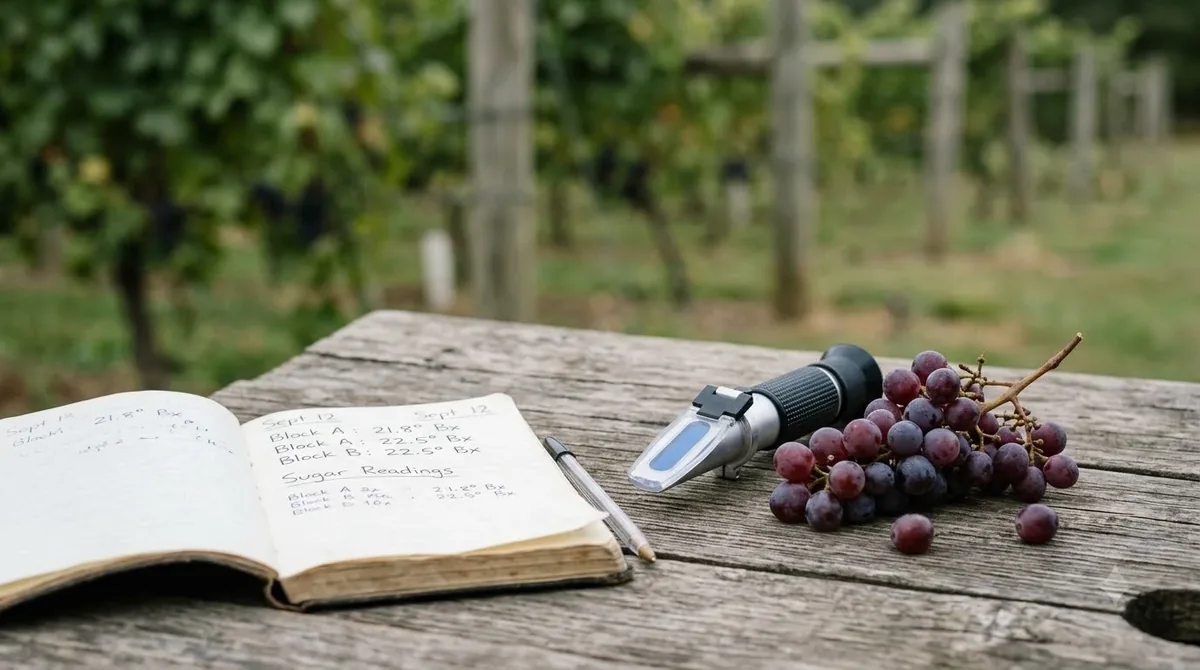
Portalegre is one of the region’s northern wine areas, where the landscape differs from the broad, flatter plains associated with much of southern Alentejo. The wider area includes the Serra de São Mamede, providing a distinct geographical setting for vineyards and countryside exploration.
Visitors interested in comparing regional differences should look for wines identified with Portalegre rather than assuming that every Alentejo red has the same profile. Differences in vineyard conditions and grape composition can produce variations in freshness, concentration, and structure.
Borba and Redondo: Traditional Wine Country
Borba and Redondo are two important names in the central Alentejo wine landscape. They are useful areas for travelers who want to connect wine production with traditional regional villages, local food, and wine-related cultural attractions.
Redondo offers an additional point of interest through its Enoteca and Wine Museum. Borba provides opportunities to experience the local wine culture, including the Festa da Vinha e do Vinho, a late-summer grape and wine celebration.
Reguengos: Estates and Wine Tourism
Reguengos is particularly useful for travelers who want to combine estate visits with wine tasting and vineyard exploration. Herdade do Esporão provides a clear introduction to this style of wine tourism, bringing together vineyard management, production facilities, and structured tasting sessions.
Wines from this part of Alentejo include both red and white styles. Look for reds featuring grapes such as Aragonez, Trincadeira, and Alicante Bouschet, while white blends may feature Antão Vaz and Roupeiro.
Évora: Historic Wine Connections
Évora is one of the most convenient bases for a wine-focused visit because its historic center provides access to cultural attractions alongside the regional wine route’s tasting facilities. Cartuxa, located at Quinta de Valbom, adds a winery experience to the city’s broader heritage appeal.
The area is particularly useful for travelers who want to learn about the relationship between Portuguese wine traditions and historic agricultural properties. A visit can be combined with sightseeing in the UNESCO-listed historic city center.
Vidigueira, Moura, and Granja/Amareleja
Southern Alentejo provides another perspective on the region. Vidigueira, Moura, and Granja/Amareleja are among the designated wine-origin areas, each contributing to the wider diversity of Alentejo wine production.
These areas are worth investigating for visitors who have already explored the central wine country and want to discover producers farther south. Comparing their wines with examples from Portalegre or Reguengos is a practical way to understand the geographical diversity of the region.
Understanding the Main Grape Varieties
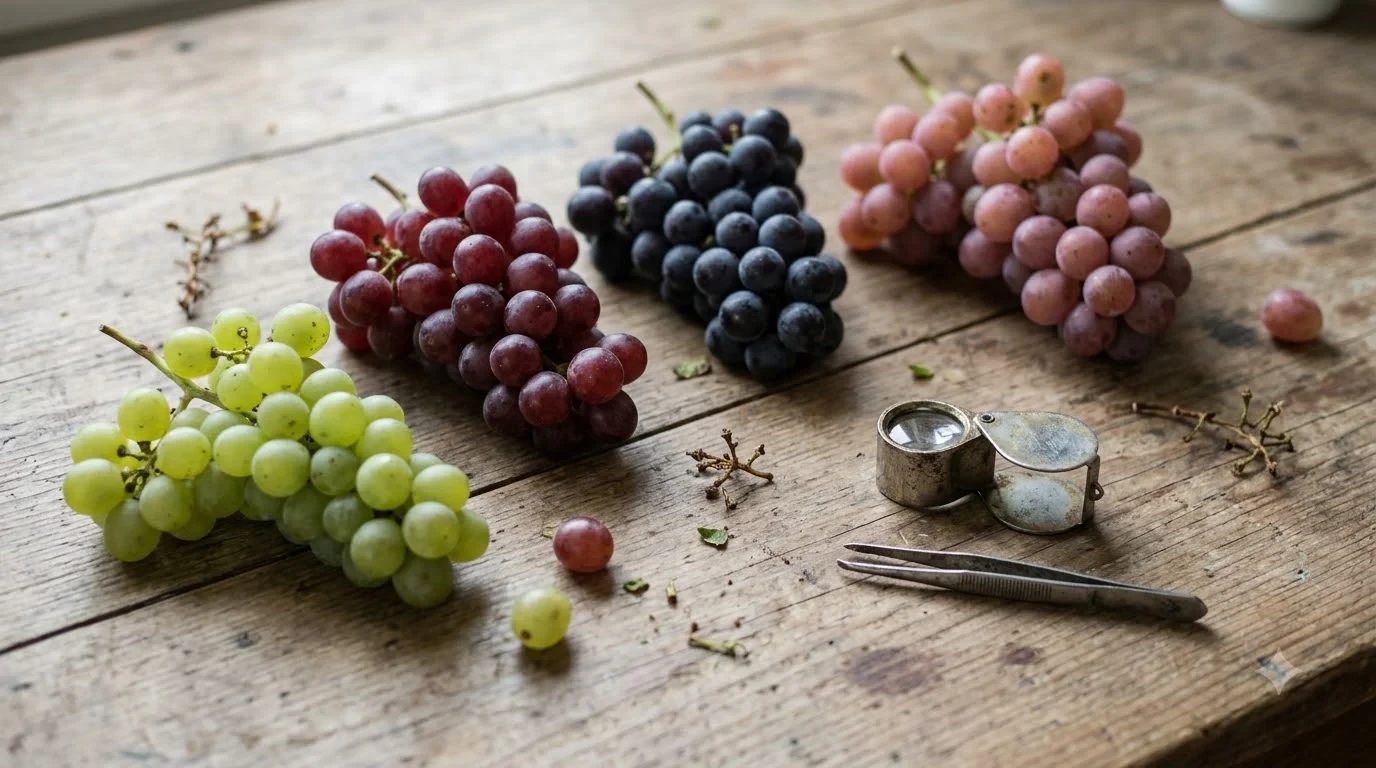
Several Portuguese grapes are especially useful to recognize when choosing Alentejo wines. Aragonez, also known as Tempranillo in Spain, is frequently associated with structured red blends. Trincadeira contributes another traditional red-wine dimension, while Alicante Bouschet is known for its deeply colored wines.
For white wines, Antão Vaz is a significant regional variety. It can produce broad, structured wines with relatively moderate acidity. Roupeiro adds aromatic character, while Arinto can contribute freshness and balancing acidity to blends.
The difference between a single-varietal wine and a blend is also important. A single-varietal bottle highlights the character of one grape, while a blend allows the winemaker to combine characteristics such as fruit intensity, acidity, color, and tannin. Both approaches are worth exploring during a winery visit.
For American buyers, recognizing these grape names makes it easier to select wines for different meals. A structured Alicante Bouschet blend can suit grilled meats, while an aromatic Antão Vaz-based white may work with seafood, poultry, or dishes featuring herbs and olive oil.
Common Mistakes When Choosing Alentejo Wineries
The biggest planning mistake is treating Alentejo as a small wine district that can be explored entirely in one afternoon. Its eight designated areas cover a broad territory, and driving between distant estates can take a substantial part of the day.
Another common mistake is choosing wineries based exclusively on reputation. A well-known producer may be an excellent place to purchase wine, but the visitor experience might not match your interests. Someone fascinated by traditional fermentation may find Adega José de Sousa more rewarding than a modern estate, while an architecture enthusiast may prefer Adega Mayor.
Travelers should also avoid assuming that every tasting includes a complete cellar tour. Some experiences focus on wine sampling, while others include vineyards, production areas, or historical buildings. Read the activity description carefully and ask questions before confirming a reservation.
Ignoring group size can also lead to disappointment. A large organized visit may not offer the same opportunity for individual discussion as a smaller appointment. Visitors particularly interested in fermentation techniques, vineyard management, or specific wine selections should ask whether a smaller group experience is available.
Another mistake is tasting only powerful red wines. Alentejo is well known for full-bodied reds, but its white wines deserve equal attention. Sampling Antão Vaz and Roupeiro alongside a red blend can provide a much more complete understanding of the region’s production styles.
It is also easy to overlook food when planning winery visits. Tasting wine without considering regional cuisine misses an important part of Alentejo’s identity. Local cheeses, olive oil, bread, and meat dishes help explain why certain wines are made with particular levels of acidity, body, and tannin.
Travelers exploring wine regions in the United States can also compare the experience with destinations such as the best Paso Robles wineries, where California’s wine landscape offers a different combination of producers, grape varieties, and tasting experiences.
Finally, avoid building an itinerary around unconfirmed opening hours. Winery tourism schedules can change with the harvest season, private events, staffing, and group reservations. Confirm the experience directly, particularly if traveling a considerable distance from your accommodation.
Care and Storage Tips for Buying Alentejo Wines
After visiting Alentejo, choosing the right bottles to take home is only half the task. Proper transportation, serving temperatures, and storage conditions help preserve the wine’s intended character after it leaves the winery.
Start by deciding which wines are intended for immediate drinking and which might benefit from additional bottle aging. Fresh white blends are often purchased for their aromatic character and balanced freshness, making them suitable choices for relatively early consumption. More structured reds may offer greater aging potential, depending on their grape composition, tannin, acidity, and production style.
Transporting Bottles Home
International travelers should check airline baggage restrictions and the customs and import requirements that apply to their destination before purchasing wine. Use protective bottle sleeves or purpose-built wine luggage to reduce the risk of breakage. For valuable bottles, professional shipping through an authorized wine merchant or winery may be preferable to carrying them in ordinary luggage.
Avoid leaving wine inside a hot vehicle for extended periods. Alentejo summers can be very warm, and excessive heat can damage wine during transportation. If bottles are purchased during a tasting visit, arrange to move them into suitable storage as soon as practical.
Storing Bottles at Home
Store bottles away from direct sunlight and significant temperature fluctuations. A cool, stable environment near 55 degrees Fahrenheit is a useful general target for longer-term wine storage. Bottles sealed with natural cork should generally be stored on their sides to keep the cork in contact with the wine.
Keep wine away from strong odors, vibration, and locations near ovens or heating appliances. A dedicated wine refrigerator is helpful for collectors who do not have a consistently cool storage space. For bottles intended to be opened within a few weeks, a dark cupboard in a temperature-stable room may be sufficient, provided it does not become excessively warm.
Serving Alentejo Whites and Reds
Serving temperature has a significant influence on how wine smells and tastes. Light and aromatic whites generally show well around 45 to 50 degrees Fahrenheit, while fuller-bodied whites are usually better around 50 to 55 degrees Fahrenheit.
For reds, lighter styles are generally served around 55 to 60 degrees Fahrenheit. Fuller-bodied wines, including structured Alentejo blends, can be served around 60 to 65 degrees Fahrenheit. Avoid serving powerful reds excessively warm, since high temperatures can make alcohol more noticeable and obscure the wine’s balance.
Young, full-bodied red wines may benefit from 30 to 60 minutes of decanting, depending on their structure. This can soften the initial impression and allow aromatic characteristics to become more expressive. Older bottles should be handled more cautiously because extended exposure to oxygen can diminish delicate aromas.
Pairing Alentejo Wines With Food
Alentejo reds often work well with grilled lamb, beef, roasted pork, and other substantial dishes. Their fruit concentration and tannin structure can complement the savory character of grilled and roasted meats. Salt and fat also soften the perception of tannin, making these combinations particularly useful.
For white wines, consider grilled fish, roast chicken, seafood rice, and dishes with olive oil or fresh herbs. Wines based on Antão Vaz can provide enough body for richer dishes, while blends with Arinto may bring additional acidity to the table.
When matching wine with spicy food, remember that higher alcohol and tannin can amplify chili heat. For dishes with pronounced spice, a fresher white or a softer red is often a more comfortable choice than a highly alcoholic, heavily tannic wine.
Sweetness also matters. A dessert wine should generally be at least as sweet as the dessert served with it. For savory food with substantial acidity, choose a wine with equal or greater acidity so that the pairing remains balanced. Travelers interested in another American wine-country destination can explore the best Temecula wineries for a comparison with Southern California’s tasting experiences.
Frequently Asked Questions
What is the difference between Alentejo DOC and Vinho Regional Alentejano?
DOC Alentejo wines must meet the production and geographical requirements associated with the designated origin classification. Vinho Regional Alentejano provides a broader regional designation with different production rules and flexibility. The two classifications can accommodate different approaches to grape selection and winemaking.
What is the traditional talha method of making Alentejo wine?
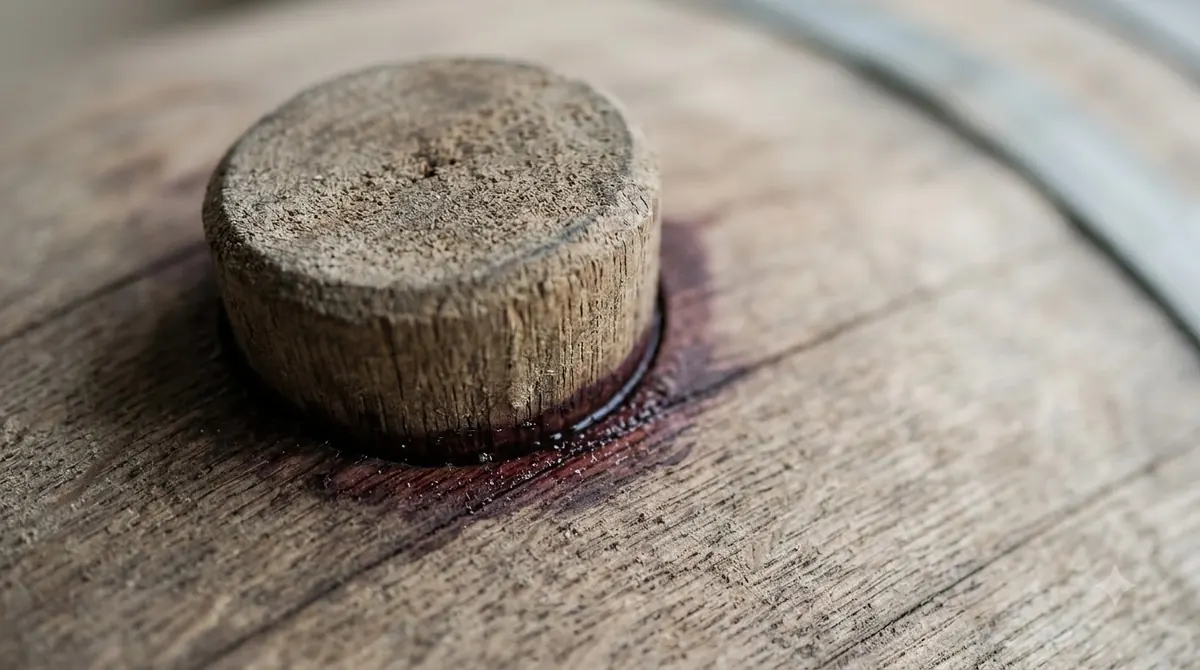
Talha winemaking uses large clay vessels, traditionally called talhas, for fermentation and sometimes maturation. The technique has historical roots in Portuguese wine culture and is especially associated with areas such as Vidigueira. The clay vessels provide a distinctive alternative to modern stainless-steel tanks and oak barrels.
What does the term herdade mean on an Alentejo wine label?
Herdade is a Portuguese term commonly used for an estate or agricultural property. On wine labels, it often identifies the estate associated with the vineyard or producer. It is a geographical and property-related term rather than a guarantee of a particular wine style or quality level.
Are Alentejo wines usually made from international grape varieties?
Alentejo producers use both Portuguese and international grape varieties. Cabernet Sauvignon, Syrah, and other international grapes can appear alongside local varieties, depending on the producer and wine classification. Comparing bottles with different grape compositions can reveal how traditional and international styles interact in the region.
Can visitors find organic or sustainably produced Alentejo wines?
Yes. Some Alentejo producers incorporate organic vineyard practices and other sustainability measures into their operations. Herdade do Esporão discusses organic production methods during its vineyard visit, making it a useful destination for visitors interested in learning how agricultural practices influence wine production.
The best Alentejo wineries offer different ways to experience one of Portugal’s most diverse wine regions, from the historic surroundings of Cartuxa to the vineyard and cellar experiences at Herdade do Esporão and the architectural character of Adega Mayor. Choose visits according to your preferred wine styles, geographical location, and interest in traditional or contemporary winemaking. With thoughtful planning, a small selection of complementary winery experiences can provide a rewarding introduction to Alentejo’s wines, food, and countryside.
More in Wine Buying Guides
 Cheap Red Blend: How to Find a Flavorful Bottle for LessUpdated Nov 20, 2026
 Pinot Grigio Gift: How to Choose a Bottle They’ll EnjoyUpdated Nov 20, 2026
 Best White Wine at Total Wine for Every MealUpdated Nov 20, 2026
 Wine Fridge Replacement Shelves: Find the Right FitUpdated Nov 20, 2026
 Best Sparkling Wine Under 20: Find Bubbles Worth BuyingUpdated Nov 20, 2026
 Best Wine For Birthday Celebrations With Perfect Party PairingsUpdated Nov 20, 2026