


We may earn a commission when you buy through links on this page, at no extra cost to you. Learn more.
This beringer wine review finds that Beringer offers a broad selection of approachable California wines, from fruity White Zinfandel and refreshing Chardonnay to structured Napa Valley Cabernet Sauvignon. The brand suits different budgets, occasions, and experience levels, although its entry-level and premium bottles deliver noticeably different experiences. The best choice depends on whether you prefer sweet, crisp, fruity, or full-bodied wine.
Beringer is one of the established names in California winemaking, with a history connected to Napa Valley and a portfolio that extends across several grape varieties and wine styles. Its familiar Main & Vine selections appeal to casual drinkers, while its Napa Valley, Knights Valley, and Private Reserve wines offer more options for people seeking greater complexity. Understanding these distinctions makes choosing a Beringer bottle much easier.
Who Should Consider Beringer Wine
Beringer is a practical choice for wine drinkers who want recognizable grape varieties, accessible flavor profiles, and options for different occasions. Its range includes lighter white and rosé wines as well as more substantial red wines, so the brand is not limited to one particular taste preference.
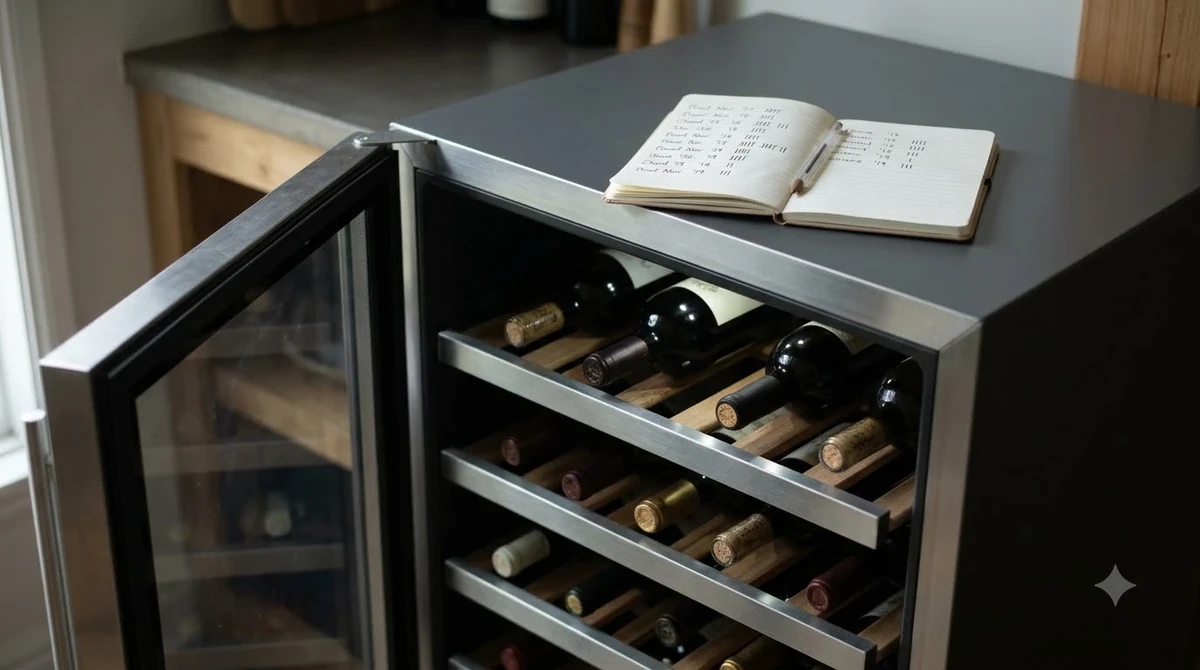
Beginners can start with familiar styles such as Chardonnay, Moscato, or White Zinfandel. These wines offer recognizable fruit characteristics without requiring extensive knowledge of wine regions, vintage differences, or winemaking techniques. Someone who enjoys strawberries, melon, and a little sweetness may find White Zinfandel particularly approachable, while a drinker who prefers peach and floral aromas may prefer Moscato.
Everyday wine drinkers may appreciate the Main & Vine range because it covers several familiar varieties. Chardonnay, Pinot Grigio, Chenin Blanc, Moscato, and White Zinfandel provide different options for weeknight meals, casual gatherings, and outdoor dining. These wines are generally better suited to drinking young than to extended cellar aging.
Experienced red wine drinkers should look beyond the most familiar supermarket selections. Beringer’s Napa Valley Cabernet Sauvignon, Private Reserve wines, and vineyard-designated selections are more relevant to people interested in regional character, grape concentration, and greater structural complexity. The distinction matters because a light, fruit-forward California rosé and a concentrated Napa Cabernet serve very different purposes.
There are also situations where another producer may be a better fit. Someone seeking a highly distinctive natural wine, a traditional-method sparkling wine, or a very specific Old World expression may prefer a specialist winery. Beringer’s main advantage is its range rather than a single narrow winemaking identity.
For a broader look at its portfolio and familiar labels, see our Beringer wine overview. It helps explain why bottles carrying the same winery name can have different styles and intended audiences.
Key Factors to Compare Before Choosing a Bottle
The most useful way to compare Beringer wines is to consider sweetness, grape variety, body, acidity, and regional designation together. These characteristics explain more about the drinking experience than the winery name alone.
Sweetness should be an early consideration. Moscato and White Zinfandel generally appeal to people who enjoy fruit-forward wines, while Cabernet Sauvignon and many Chardonnay expressions are more appropriate for drinkers who prefer dry wine. Remember that ripe fruit aromas do not automatically mean a wine contains substantial residual sugar.
Grape variety is equally important. Cabernet Sauvignon generally has high tannin, while Merlot has medium, softer tannin. Chardonnay typically has medium acidity, and Pinot Grigio and Chenin Blanc can provide a fresher, lighter experience. The grape gives you a useful starting point, although the growing region and winemaking choices also influence the finished wine.
Regional designation provides another useful distinction. Beringer makes wines associated with California as well as more specifically identified Napa Valley and Knights Valley selections. Napa Valley is a major source of the winery’s premium Cabernet Sauvignon and Chardonnay offerings. Its diverse soils and growing conditions help explain the differences between vineyard sites.
| Wine or category | Typical style | Body | Serving temperature | Good food matches |
|---|---|---|---|---|
| Main & Vine White Zinfandel | Fruity, lightly sweet rosé | Light | 45–50°F | Spicy appetizers, salads |
| Main & Vine Moscato | Sweet, aromatic white | Light | 43–50°F | Fruit desserts, mild cheeses |
| Pinot Grigio | Fresh, fruit-forward white | Light | 45–50°F | Seafood, salads |
| Chardonnay | Dry, fruit-driven white | Medium | 50–55°F | Roast chicken, creamy pasta |
| Merlot | Soft, red-fruited red | Medium | 60–65°F | Roasted vegetables, pork |
| Cabernet Sauvignon | Dry, structured red | Full | 60–65°F | Beef, lamb, aged cheese |
These temperatures are useful general wine-service ranges rather than claims that every Beringer bottling has identical characteristics. A lighter wine benefits from cooler service, while fuller reds generally show better when they are slightly cooler than a typical warm room. The wine’s sweetness and structure should guide the final pairing decision.
For a detailed comparison, Beringer’s official vineyard information explains the diversity of Napa Valley growing sites and the varieties associated with them. This context is especially helpful when comparing a California-level bottle with a more specifically sourced wine.
Step-by-Step: How to Choose the Right Beringer Wine
A simple selection process can narrow the range quickly. Start with the occasion and preferred sweetness, then consider the grape, regional designation, and food you plan to serve.
-
Decide whether you want sweet or dry wine.
If you enjoy noticeable sweetness, begin with Moscato or White Zinfandel. For a dry white, explore Chardonnay or Pinot Grigio. If you want a dry red, compare Merlot and Cabernet Sauvignon. This first decision eliminates many bottles that would otherwise be unsuitable.
-
Choose the appropriate body.
Light-bodied wines work well as aperitifs and with lighter meals. Medium-bodied options are versatile at dinner, while full-bodied Cabernet Sauvignon is more appropriate for substantial dishes such as grilled beef or lamb. Consider how rich the food will be before choosing the wine.
-
Identify the grape variety.
For fresh fruit and a lighter texture, consider Pinot Grigio. For richer white wine, consider Chardonnay. Merlot is useful for drinkers who want a softer red, whereas Cabernet Sauvignon offers more pronounced tannin and structure.
-
Compare the wine’s regional designation.
A California designation generally provides a broader regional indication, while Napa Valley identifies a more specific winegrowing region. If you want to explore Beringer’s more site-focused selections, investigate its Napa Valley and Knights Valley offerings rather than assuming every bottle has the same production style.
-
Match the bottle to the meal.
Consider the dominant flavors and textures of your food. Sweet wines can work with spicy dishes, acidic whites complement foods with similar acidity, and tannic reds pair naturally with protein-rich meals. A bottle that tastes pleasant by itself may perform differently beside a heavily seasoned dish.
-
Plan the serving temperature.
Chill light whites and rosés to approximately 45–50°F. Serve fuller Chardonnay around 50–55°F and light reds around 55–60°F. Full-bodied reds generally work well at 60–65°F. Avoid serving every wine directly from the refrigerator or leaving reds in a warm kitchen.
-
Consider how quickly you will finish the bottle.
A standard 750 ml bottle provides approximately five 5-ounce glasses. For a small dinner, one bottle may be sufficient for moderate pours, while a larger gathering may require additional bottles. Choose a style that suits the group rather than selecting solely by familiarity with the label.
Tip: If you are choosing Beringer for guests with different preferences, a crisp white, a fruity rosé, and a medium-bodied red provide a practical three-style selection. This covers several common preferences without requiring everyone to enjoy the same level of sweetness or tannin.
The most reliable approach is to use the grape variety and regional designation as starting points, then consider the meal. For example, a person who enjoys soft red wines with dinner may be happier with Merlot than Cabernet Sauvignon, even if both bottles carry the same winery name.
Beringer Wine Types and Styles Explained
Beringer’s portfolio includes several recognizable wine categories, with differences in sweetness, body, and regional character. The Main & Vine range is a useful introduction, while its more specifically designated wines provide additional choices for enthusiasts.
White Zinfandel and Rosé
Beringer White Zinfandel is among the brand’s familiar approachable styles. Although its name can confuse new wine drinkers, White Zinfandel is a rosé wine made from Zinfandel grapes rather than a traditional white grape variety.
The Main & Vine expression is associated with fresh red berry, citrus, and melon aromas and flavors. Subtle nutmeg and clove notes are also identified in the wine’s published tasting description. Vivino lists its alcohol content at 10%, making it a relatively approachable option for casual occasions.
This style is particularly useful for people who enjoy fruit-forward wine with some sweetness. It can accompany spicy appetizers, lightly seasoned chicken, and casual summer dishes. However, it should not be confused with a dry Provence-style rosé, which generally has a different sweetness profile and structure.
For a more focused discussion of the grape, flavor, and pairing characteristics, our Beringer White Zinfandel article provides additional guidance.
Chardonnay
Chardonnay is a versatile category within Beringer’s portfolio. The Main & Vine and Founders’ Estate selections are useful starting points for people interested in approachable California white wine. Beringer also offers more specifically designated Chardonnay selections, including Napa Valley and Private Reserve expressions.
Founders’ Estate Chardonnay is described with pear, apple, ripe tropical fruit, and citrus characteristics. This fruit-driven profile makes it suitable for roast chicken, grilled fish, and dishes with moderate richness. Chardonnay generally has medium acidity, although the degree of oak influence and richness can differ between bottlings.
The Private Reserve Chardonnay offers a different experience. Its published description emphasizes smoky oak, buttery fig, tangerine, and melon. This combination is more suitable for someone who enjoys a richer white wine with noticeable texture and layered flavors.
Pinot Grigio and Chenin Blanc
Pinot Grigio is a sensible option for drinkers who prefer a lighter white wine. Its typical appeal comes from fresh fruit, a relatively light body, and an uncomplicated drinking style. Pair it with grilled shrimp, white fish, green salads, and simple vegetable dishes.
Chenin Blanc provides another option for those who prefer a refreshing white. Beringer Main & Vine Chenin Blanc is described by Total Wine with crisp citrus, melon, and spicy ginger characteristics. These flavors make it a useful choice for foods with fresh herbs, aromatic seasoning, and moderate spice.
Both styles are worth considering if Chardonnay feels too rich for your preference. They also work well for casual lunches where a lighter wine is more appropriate than a heavily textured white.
Moscato and Sweet White Wine
Beringer Main & Vine Moscato is an aromatic option for drinkers who enjoy sweet white wine. Its described flavor profile includes peach, honeysuckle, juicy stone fruit, honeydew melon, Fuji apple, and ripe pear.
Sweetness is balanced by refreshing acidity, which helps prevent the wine from feeling excessively heavy. It can accompany fresh fruit, mild cheeses, and desserts that are not substantially sweeter than the wine itself.
Wine pairing requires attention to sweetness. A dessert should generally be no sweeter than the wine served beside it. Otherwise, the wine can seem unusually sharp or thin. Moscato is therefore more suitable for fruit-based desserts than for very rich chocolate desserts with intense sweetness.
Merlot and Cabernet Sauvignon
Beringer’s red wines offer choices for drinkers who prefer a more structured style. Merlot generally has medium tannin and a softer texture, making it a useful middle ground between lighter red wine and the more assertive structure of Cabernet Sauvignon.
Cabernet Sauvignon has higher tannin and typically offers a fuller-bodied experience. Beringer’s Napa Valley and Private Reserve selections are particularly relevant for people seeking more concentrated red wine. Its vineyard portfolio includes Chabot Vineyard and St. Helena Home Vineyard, both associated with Cabernet Sauvignon production.
These wines are natural companions for grilled beef, roast lamb, and hard cheeses. Younger, fuller-bodied Cabernet Sauvignon may benefit from 30–60 minutes of decanting, especially when its tannin feels firm. Merlot can be served with roasted pork, mushroom dishes, and other meals where a softer red is preferable.
Common Mistakes When Buying Beringer Wine
The most common mistake is assuming every Beringer bottle has the same quality level, sweetness, or intended use. The winery covers several market segments, and understanding its different labels is essential to making a suitable selection.
Confusing Main & Vine With Premium Napa Selections
Main & Vine and Private Reserve are not interchangeable categories. Main & Vine provides approachable wines across familiar styles, while Private Reserve represents a more specifically positioned selection associated with Napa Valley. Expecting a straightforward everyday white to offer the concentration and complexity of a premium Cabernet Sauvignon creates unrealistic expectations.
Look at the wine’s regional designation, grape variety, and individual label rather than relying on the Beringer name alone. A California White Zinfandel and a Napa Valley Cabernet Sauvignon should be evaluated according to different standards.
Assuming White Zinfandel Is a Dry White Wine
White Zinfandel is a rosé style, and many versions have noticeable fruitiness and sweetness. It is not equivalent to Sauvignon Blanc or a crisp dry Pinot Grigio. If you prefer dry wine, this distinction is important.
People who enjoy sweeter wines may appreciate its strawberry, citrus, and melon profile. However, someone seeking a lean, mineral-driven white wine will probably prefer another category.
Choosing Cabernet Sauvignon Without Considering Tannin
Cabernet Sauvignon can feel firm and drying because of its comparatively high tannin. This structure works well with protein-rich food, but can feel harsh alongside delicate fish or lightly seasoned vegetables.
For an easier-drinking red, consider Merlot. Its medium tannin generally creates a softer impression, making it more flexible with roasted poultry, pork, and mushroom-based dishes.
Pairing Sweet Wine With Very Sweet Desserts
A sweet wine should generally be at least as sweet as the dessert. Serving a relatively sweet dessert beside a less-sweet Moscato can make the wine seem acidic and lacking in fruit. Fresh fruit desserts and moderately sweet pastries are often easier matches.
Similarly, spicy food requires careful consideration. Sweetness can help soften chili heat, but alcohol and tannin can amplify the sensation of spice. A fruity, lighter wine is usually more comfortable with heavily seasoned food than a powerful Cabernet Sauvignon.
Serving Every Wine at the Same Temperature
Temperature changes the way wine smells and tastes. A very cold Chardonnay may seem muted, while an overly warm Cabernet Sauvignon can feel alcoholic and heavy. White Zinfandel and Moscato generally benefit from cooler service, while full-bodied reds need slightly warmer conditions.
Use separate temperature targets for different wine categories instead of placing every bottle in the refrigerator for the same amount of time. This small adjustment can make a noticeable difference to the drinking experience.
Care, Storage, and Serving Tips for Beringer Wines
Proper storage and service help preserve the wine’s intended character. Most approachable Beringer wines are best enjoyed relatively young, while more structured selections deserve careful handling before and after opening.
Store Unopened Bottles Correctly
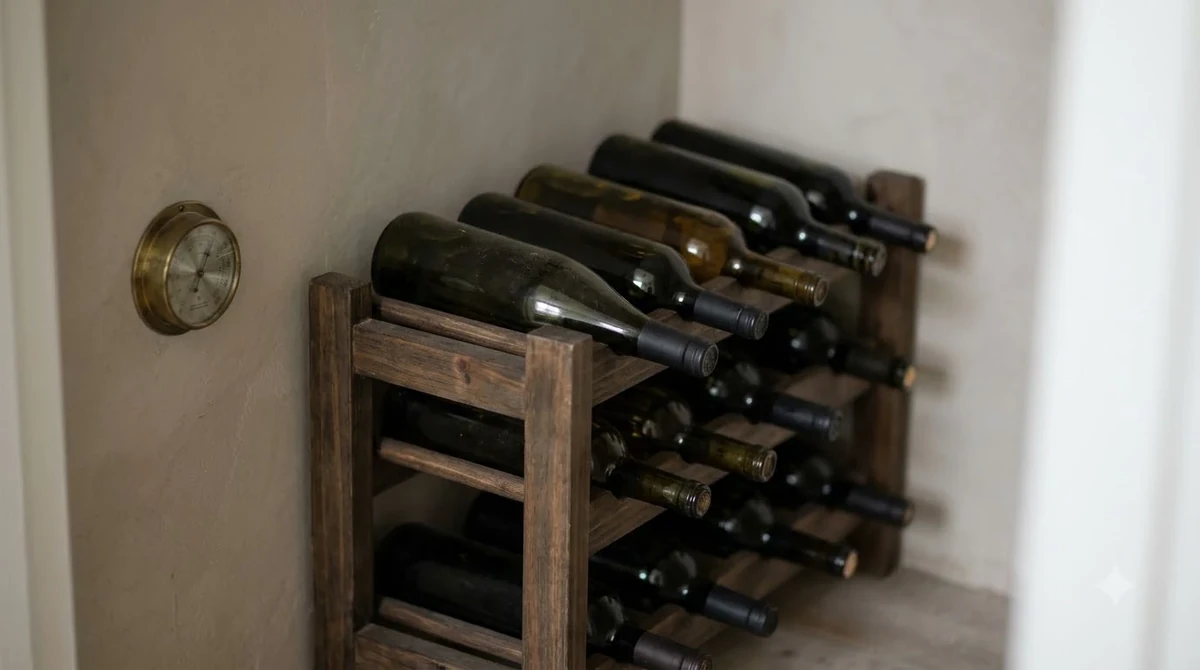
Store wine in a cool, dark location with a relatively consistent temperature near 55°F. Avoid direct sunlight, strong vibrations, and areas that experience repeated temperature changes, such as a kitchen cabinet beside an oven.
For bottles sealed with natural cork, horizontal storage helps keep the cork in contact with the wine. This reduces the risk of the cork drying out during extended storage. Keep the bottles away from strong household odors and excessive humidity changes.
Not every bottle needs years of aging. Main & Vine White Zinfandel, Moscato, and similar fruit-forward wines are generally intended for drinking while their fresh aromas and flavors remain expressive. Premium Cabernet Sauvignon may have more aging potential, depending on its vintage, structure, and storage conditions.
Use the Right Serving Temperature
Temperature is one of the easiest factors to control. Light whites and rosés generally work well at 45–50°F, while fuller whites such as richer Chardonnay are better around 50–55°F. Sweet white wines are commonly served at 43–50°F.
Light reds can be served around 55–60°F, while fuller reds are generally best at 60–65°F. These ranges help preserve aromatic detail without making the wine seem excessively cold or warm.
A standard household refrigerator is usually colder than the ideal serving temperature for many wines. Remove a bottle shortly before serving and allow it to warm slightly if necessary. For a red wine that has been stored in a warm room, a short period of chilling can also improve its balance.
Serve Appropriate Portions
A standard 750 ml bottle contains approximately five 5-ounce servings. These portions provide a useful reference for planning a dinner or gathering. Smaller tasting pours can be helpful when serving several different Beringer styles in succession.
Use a suitable wine glass rather than a very small glass that restricts the aromas. White wine glasses generally help maintain cooler temperatures, while larger red wine glasses provide more room for aromatic development. There is no need for an elaborate glass collection to enjoy these wines properly.
Preserve Opened Bottles
After opening, replace the closure and refrigerate still wines. Most opened still wines remain in reasonable condition for approximately 3–5 days, although freshness depends on the wine’s structure, exposure to oxygen, and storage conditions.
White wines and rosés should also be refrigerated after opening. Allow them to warm slightly before serving if they become too cold. For sparkling wine, a suitable sparkling-wine stopper can help preserve carbonation for approximately 1–3 days in the refrigerator.
Limit unnecessary exposure to air. Pour the amount needed for the meal, close the bottle promptly, and return it to a cool location. If a wine develops an unpleasant vinegar-like aroma, stale fruit character, or an unusually flat taste, its best drinking window may have passed.
Choose Food Pairings That Complement the Wine
Beringer’s fruit-forward wines can work with a variety of everyday meals. White Zinfandel is particularly useful with mildly spicy appetizers, fresh salads, and casual gatherings. Moscato suits fruit desserts and dishes with a gentle sweetness, while Chardonnay works with roast chicken and creamy pasta.
For red wines, consider the weight of the food. Merlot can accompany pork, grilled vegetables, and mushroom dishes. Cabernet Sauvignon is a stronger choice for beef, lamb, and aged hard cheeses because the protein and fat can soften the perception of tannin.
Avoid pairing highly tannic reds with delicate oily fish. Also consider acidity: acidic food generally needs a wine with equal or higher acidity to prevent the wine from tasting flat. These basic principles are more useful than following rigid pairing rules for every individual dish.
Frequently Asked Questions
Is Beringer considered a good wine brand?
Beringer is an established California winery with a history dating to 1876. Its portfolio spans everyday wines and more premium Napa Valley selections, giving consumers several quality and style categories to consider. Its reputation and historical significance are separate from the quality of any individual bottle, so choosing by specific wine and region remains important.
What is Beringer’s oldest historic building?
The original stone winery was completed in 1877, while the Rhine House was completed in 1884. The Rhine House was built by Frederick Beringer and remains an important historic landmark associated with the estate. Both buildings reflect the winery’s early development in St. Helena.
Does Beringer make wines from single vineyards?
Yes. Beringer offers single-vineyard selections as part of its portfolio. Its Chabot Vineyard and St. Helena Home Vineyard are particularly associated with Cabernet Sauvignon. Comparing vineyard-designated wines can help enthusiasts understand how growing location influences the finished wine.
Is Beringer wine suitable for vegetarian food?
Many Beringer wines can accompany vegetarian dishes, although the best match depends on the ingredients and preparation. Pinot Grigio works with fresh salads, while Chardonnay can complement roasted squash and creamy vegetable pasta. Merlot is a useful option for mushroom dishes, lentils, and roasted eggplant.
What does the Beringer name Main & Vine mean?
Main & Vine is a distinct Beringer wine range rather than a grape variety or formal wine appellation. Its portfolio includes several familiar California styles, such as Chardonnay, Moscato, Pinot Grigio, Chenin Blanc, and White Zinfandel. The label helps distinguish this accessible range from Beringer’s more specifically designated premium selections.
Beringer is worth considering if you want a winery with a broad selection of California wines, from approachable fruity whites and rosés to structured Napa Valley reds. The smartest purchase starts with your preferred sweetness, body, and food pairing rather than the winery name alone. Explore the Beringer Main & Vine range for everyday styles, and compare it with the winery’s premium selections to find the bottle that best fits your next occasion.
For additional producer comparisons and practical buying advice, explore our Wine Brands collection to discover other California wineries and wine styles worth considering.
More in Wine Brands
 Louis Latour Wine Price: Compare Bottles by Style and TierUpdated Nov 20, 2026
 Yellow Tail Moscato Price: What to Expect Before You BuyUpdated Nov 20, 2026
 Sutter Home Sweet Red Review: Find the Right Food PairingsUpdated Nov 20, 2026
 Franzia Chillable Red Review: Find the Right Serving StyleUpdated Nov 20, 2026
 Veuve Clicquot Rose Review: Flavor, Food Pairings and Buying AdviceUpdated Nov 20, 2026
 Rombauer Wine Price: Compare Bottles Before You BuyUpdated Nov 20, 2026