

We may earn a commission when you buy through links on this page, at no extra cost to you. Learn more.
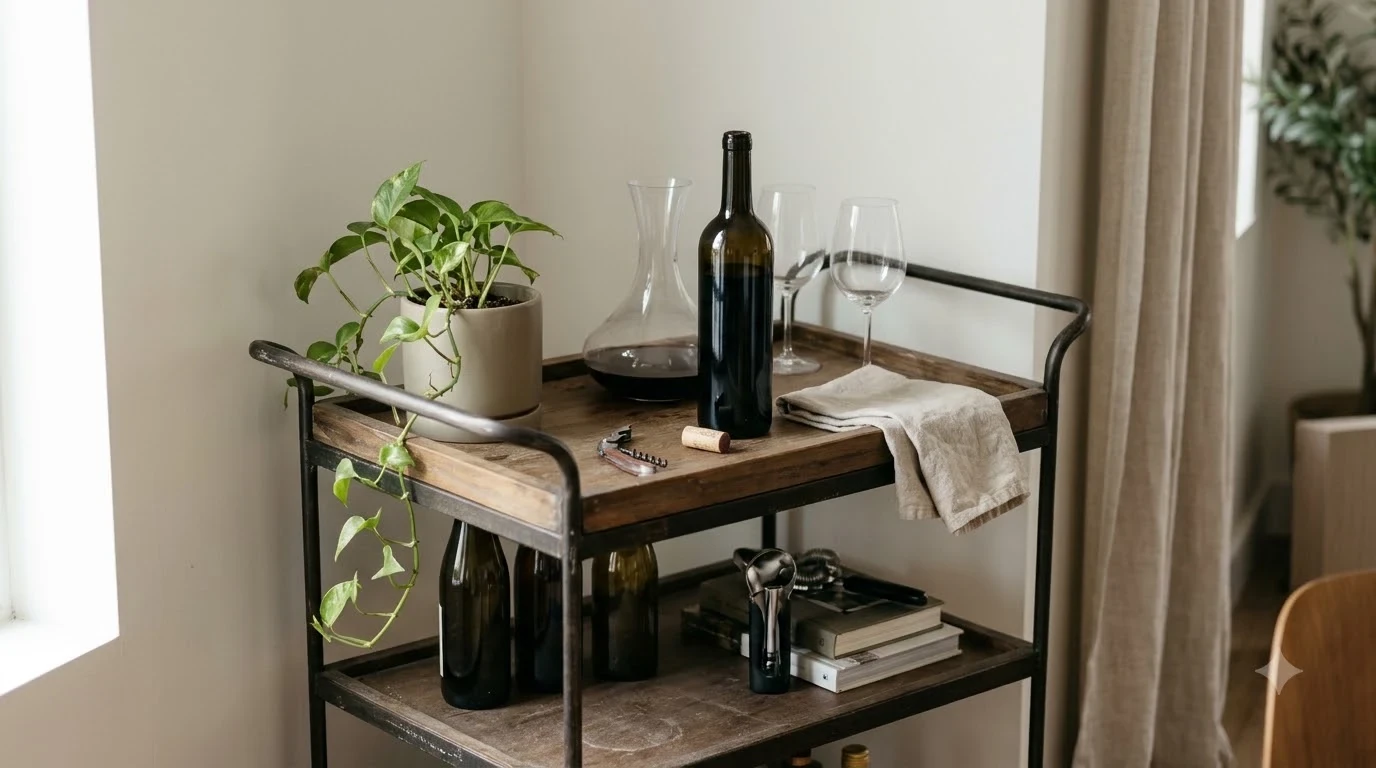
Beringer Private Reserve wine is the top Cabernet Sauvignon from Beringer, the Napa Valley winery founded in 1876, blended from several reserve vineyards and aged mostly in new French oak. The bottle usually lands close to 15% alcohol and shows dark berry fruit, cedar and baking spice with firm tannin that softens over time. Serve it at 60 to 65°F, decant young bottles for 30 to 60 minutes, and pair it with rich, savory red meat for the best result.
Beringer Private Reserve has a long record with critics, collectors and dinner tables across the United States. The label is known for a large-scale Napa style, a blend that changes with each harvest, and scores that swing noticeably from one vintage to the next. That combination means the right bottle depends on the year as much as the label. This guide covers where the wine comes from, how the blend is built, how recent bottlings compare, how to serve and store them, and what to eat with them.
What Beringer Private Reserve Wine Is and Where It Comes From
The Private Reserve is the winery’s flagship red, made from the best lots selected each year from Beringer’s reserve vineyards in Napa Valley. It sits at the top of the brand’s red range, above the Knights Valley and single-vineyard bottlings.
The Beringer story starts in 1876, when Jacob and Frederick Beringer founded the winery. Wine.com describes Beringer as California’s longest continuously operating winery, which gives the brand a deeper history than most producers in the state. The Private Reserve came much later. Vinous reports that winemaker Myron Nightingale and assistant winemaker Ed Sbragia dreamed up the program in 1977, with the goal of making the best possible Napa Cabernet from each vintage.
The first bottling was not a blend at all. According to the winery’s own listing, the 1977 Private Reserve was 100% Cabernet Sauvignon from the Chabot Vineyard, then known as Lemmon Ranch. The wine soon grew into a blend of several sites, and that shift defines the program today. Laurie Hook joined the winery in 1986 and took over winemaking responsibilities in 2000, and she has kept the same approach Sbragia used. Her work on the wine is built on a long partnership with Sbragia, who remained a consultant to the winery for years after his formal role changed.
How the Blend Comes Together Each Year
Each vintage starts with a lineup of reserve vineyards, and the winemaking team picks the lots that show the best character that year. Much of the fruit comes from mountain sites on Howell Mountain, with additional lots from St. Helena and Oakville, although the exact mix changes with the weather and the harvest.
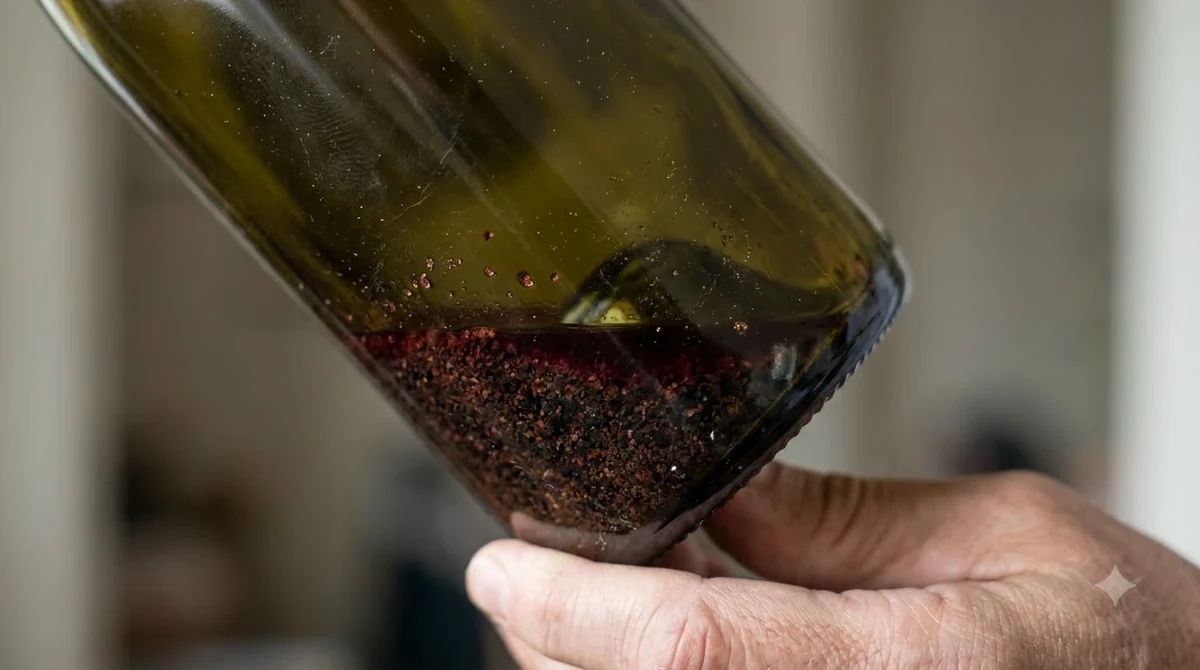
The 2007 bottling shows the layered approach clearly. Robert Parker’s Wine Advocate listed it as 34% Bancroft Ranch, 33% Steinhauer Ranch, 8% Chabot Vineyard and 8% Lampyridae, with the rest coming from St. Helena Home Vineyard, Marston Ranch and Rancho del Oso. Wine & Spirits counted seven vineyards in the same wine and said that Bancroft Ranch and Steinhauer together made up 70% of the blend. Each vineyard was aged separately in new French oak for two years before blending, according to the winemaker notes.
The 2019 bottling follows the same logic with a different mix. According to Wine Folly’s breakdown of the 2019 Private Reserve, Steinhauer Ranch on Howell Mountain formed the foundation of the blend, while fruit from other estate sites filled out the rest. Each vineyard was vinified separately with tailored pump-over techniques, and each lot was aged for 18 months before the final blend was chosen. The harvest ran from October 3 to October 30.
The blend has also changed over the decades. Vinous notes that Beringer began using State Lane fruit in 1981, added Bancroft Ranch from Howell Mountain with the 1986 vintage, and brought in Steinhauer Ranch in 1993. That history explains why the wine looks so different across older bottlings. Each new site brought its own structure and ripeness, and the winemaker’s job has been to integrate those sources without losing the house style.
Recent Vintages, Case Sizes and Critic Scores
Scores for the Private Reserve follow the vintage closely, and production can drop sharply in a short year. The 2007 and 2020 bottlings make a useful side-by-side comparison because they show the range in volume, oak and critical reaction.
| Detail | 2007 bottling | 2020 bottling |
|---|---|---|
| Alcohol | 14.6% | 14.8% |
| Oak and aging | Each vineyard aged separately in new French oak for two years | 20 months in French oak, 65% new |
| Cases produced | 9,008 (Wine Advocate) | 847 |
| Top critic scores | 97 Robert Parker, 97 Jeb Dunnuck | 97 Wine Enthusiast, 96 James Suckling |
| Cellar window | Accessible in 5 to 6 years, lasting 25 to 30 | Best after 2027 (James Suckling) |
The 2020 bottling is the smallest the winery has made, according to James Suckling, with 847 cases produced. Robert Parker noted that the wine lacked its usual Howell Mountain component and came out tarter and more red-fruited than other vintages, with volume well below the few thousand cases a typical release reaches. Critics were still enthusiastic. Wine Enthusiast gave it 97 points, James Suckling 96, and Jeb Dunnuck, Robert Parker and Wine Spectator each gave it 92. You can compare the full critic list on the 2020 listing on Wine.com.
The 2007 bottling was much larger. Wine Advocate recorded 9,008 cases, 14.6% alcohol and a harvest window from September 10 to October 24. Parker and Jeb Dunnuck both gave it 97 points, while Wine & Spirits and Wine Spectator each scored it 91. Beringer’s own shop page offers a more recent snapshot, listing the 2018 bottling at 98 points and the 2021 at 97.
Tasting Profile and What Changes With Age
Expect a full-bodied Napa Cabernet with dark fruit, firm structure and a long finish, especially in the most recent vintages. The tannins are present but refined, and the balance depends on the ripeness of the fruit and the share of new oak.
The 2020 bottling shows a layered profile. Winemaker notes describe blueberry, blackberry and black plum, along with black pepper, rose petal, violet and a touch of wild sage. On the palate, the wine offers black cherry and black currant with crushed earth and baking spice from the oak. Jeb Dunnuck reported that the wine spent 20 months in French oak, 65% of it new, which helps explain the spice and the firm frame.
The 2019 bottling reads richer and more concentrated. Wine Folly describes it as full-bodied and rich, with deep color and dark berry fruit. The tannins are ripe and refined, supported by a fresh core of acidity. The wine was aged in 64% new French oak, which is close to the 2020 share and suggests the house oak program has stayed consistent across recent years.
Aging is where the Private Reserve earns its reputation. James Suckling says the 2020 is best after 2027, Wine Enthusiast gives a window from 2027 to 2040, and Wine Spectator suggests drinking from 2024 through 2035. Older bottlings follow the same pattern. The 2007 bottling was described by Robert Parker as accessible in five to six years and able to last 25 to 30. For a broader view of how alcohol levels run across the brand, see the guide to Beringer wine alcohol content.
Serving Temperature, Decanting and Storage
Serve the wine a little cooler than many people expect for a red, decant young bottles, and store unopened bottles on their side in a cool room. These habits help the fruit, acidity and tannin show their best balance.
Full-bodied reds show best at 60 to 65°F, which is cooler than many people expect. A bottle that has sat in a warm kitchen can taste hot and loose, so bring it to temperature gradually. For a young vintage such as 2019 or 2020, decant for 30 to 60 minutes before pouring. That gives the tannins room to soften and lets the aromas open in the glass.
| Stage | Typical guidance | Why it matters |
|---|---|---|
| Serving temperature | 60 to 65°F | Keeps the alcohol from overwhelming the fruit |
| Decanting | 30 to 60 minutes for young bottles | Softens the tannin and lets the aromas open |
| Cellar storage | On its side near 55°F | Keeps the cork moist and the wine stable |
| Opened bottle | Refrigerated for 3 to 5 days | Preserves the fruit for a few days |
For storage, keep unopened bottles on their side near 55°F so the cork stays moist. A standard 750 ml bottle gives about five 5-ounce pours. Once opened, a still red will keep for about three to five days in the refrigerator, and you should bring it back toward serving temperature before pouring.
Tip: Recork the open bottle and store it in the refrigerator. Take it out about 30 minutes before pouring so it returns to 60 to 65°F and the fruit comes forward again.
Food Pairings for a Full-Bodied Napa Cabernet
Beringer Private Reserve works best with rich, savory food that has enough fat and salt to soften the tannins. Skip oily fish and very spicy dishes, and keep dessert simple.
Grilled ribeye, lamb chops with rosemary, and short ribs braised in red wine all suit the wine well. The fat in the meat softens the tannin, while the dark fruit and oak spice echo the roasted, charred notes of the grill. Aged hard cheeses such as aged cheddar or Parmigiano-Reggiano also work, because their salt and fat balance the firm structure. Mushroom dishes and roasted root vegetables with herbs are reliable choices if you want a meatless option with depth.
Avoid oily fish such as salmon or mackerel with this wine, because the combination tends to clash with firm tannin. Very spicy food is also a poor match, since alcohol and tannin both amplify chili heat, which can make a fiery salsa or curry taste harsher alongside the wine. For dessert, choose something dry or lightly sweet rather than a rich chocolate cake. A dry red will taste thin next to anything sweeter than it is, and a sweet dessert can clash with a wine that runs near 15% alcohol.
How Private Reserve Compares With Other Beringer Bottlings
The Private Reserve is the pinnacle of Beringer’s portfolio, according to the winery’s own description, and the rest of the range offers useful points of comparison. Knights Valley and single-vineyard Cabernets sit beside it on the shop page as more focused offerings.
Beringer’s shop page lists single-vineyard Cabernets such as Bancroft Ranch and Marston Ranch, along with Knights Valley bottlings. The 2022 Knights Valley Cabernet Sauvignon is rated 93 points on the page, which gives buyers a clear comparison point against the Napa blend. Single-vineyard bottlings come from one site and show that vineyard’s character more directly, while the Private Reserve draws from many sites to build a single, consistent style.
If you want to see how sweetness varies across the brand, the guide to Beringer white zinfandel sugar content covers the sweeter end of the range. Shoppers who want a broader view of producers and their tiers can also browse the Wine Brands hub.
Frequently Asked Questions
Here are answers to common questions about the wine and the winery.
Is Beringer Private Reserve wine a single-vineyard bottling?
Not in most years. The 2020 bottling was 100% Cabernet Sauvignon built from lots of Gamble Ranch, Borrow Pit and Lampyridae, so it drew from three named sites rather than one.
Which Beringer Private Reserve vintage should I look at first?
Wine.com lists a 97-point score from Robert Parker for the 2001 bottling, and the same score for the 1994 vintage. Older bottlings change shape with age, so check the cellar window for any vintage before you open it.
Has Beringer won Wine Spectator’s top honor for a white wine?
Yes. Beringer’s blog says the 1994 Private Reserve Chardonnay was named Wine Spectator’s number one wine of the year, alongside the 1986 Private Reserve Cabernet Sauvignon. That makes the winery the only one with both a red and a white on that list.
Can visitors tour the winery?
Yes. Beringer gave the first public tours in 1934, starting a hospitality tradition in Napa Valley. The tasting room is at 2000 Main Street in St. Helena and is listed as open every day from 10 AM to 5 PM.
Does Beringer make a white Private Reserve?
Yes. The Private Reserve Chardonnay was introduced with the 1978 vintage, the year after the red program began. It is part of the same reserve approach as the Cabernet.
Beringer Private Reserve rewards buyers who check the vintage before they buy and give the wine time to settle in the cellar. Match each bottle’s drinking window to your plans, and pair it with rich, savory food that can stand up to its firm tannin.
More in Wine Brands
 Underwood Wine Price: Compare Bottles, Cans, and Pack SizesUpdated Nov 21, 2026
 Zenato Wine Price: Compare Styles and Choose the Right BottleUpdated Nov 21, 2026
 Zuccardi Wine Price: Compare Bottles and Find the Right RangeUpdated Nov 21, 2026
 Yellow Tail Moscato Review: Taste, Sweetness and Serving TipsUpdated Nov 21, 2026
 Wolf Blass Yellow Label Review: Choose Your Best StyleUpdated Nov 21, 2026
 Wolffer Estate Rose Review: Choose the Right Bottle for Your TableUpdated Nov 21, 2026