

We may earn a commission when you buy through links on this page, at no extra cost to you. Learn more.
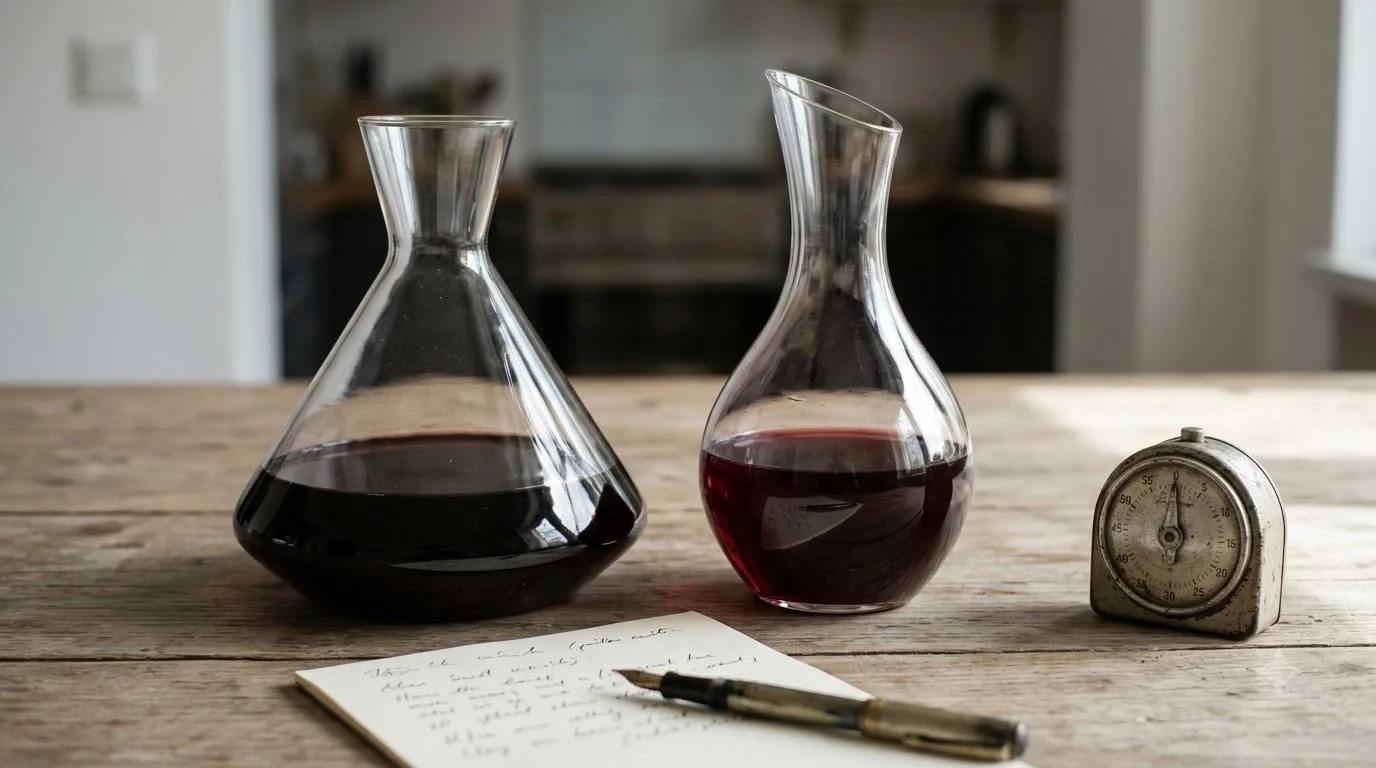
The bella vino decanter is a lead-free crystal wine decanter designed for aerating red wine, with a wide base, narrow neck, and angled pouring opening. Its straightforward design prioritizes wine-to-air contact and manageable pouring rather than complicated accessories. It is worth considering for people who regularly serve Cabernet Sauvignon, Merlot, or other reds, although buyers should account for its glass construction, cleaning requirements, and the absence of a confirmed stopper in the available product specifications.
A decanter can make a useful difference to wine service, but its shape, capacity, and practical details matter more than decorative appearance alone. Bella Vino offers a traditional approach with a broad lower chamber and a narrower upper section. This review examines its documented features, the practical advantages and limitations of the design, and how to decide whether it belongs in a home wine collection.
Specs and Key Features
The Bella Vino decanter combines lead-free crystal construction with a broad base intended to expose wine to air. Its most notable design details are the wide lower chamber, narrow gripping area, and angled opening, all intended to make serving wine more practical.
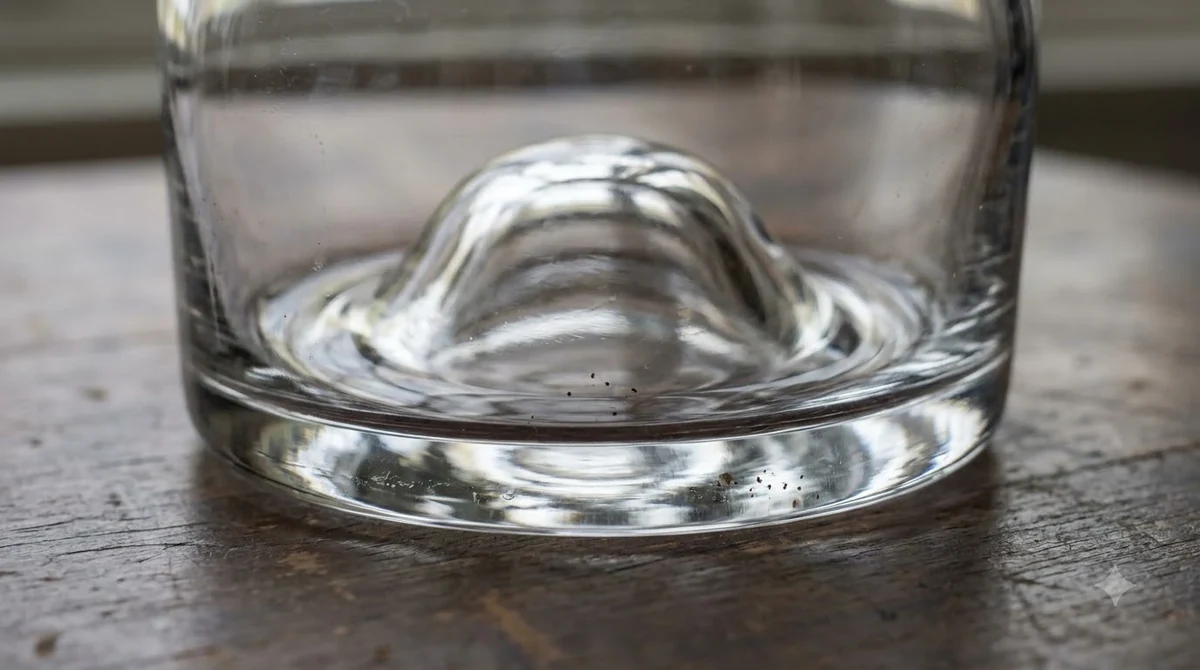
The product listing describes the decanter as a red wine vessel made from transparent, lead-free crystal glass. It identifies multiple configurations, including 1200 ml and 1800 ml capacities, along with a horn-shaped variation. Buyers should distinguish between these configurations because the listing does not establish that every shape shares identical dimensions or handling characteristics.
The wide base is central to the design. When wine spreads across the bottom of a decanter, a larger portion of the liquid comes into contact with air than it would inside a relatively narrow bottle. This is useful for young, structured red wines that may initially seem closed or dominated by firm tannins.
The narrow neck serves a different purpose. It gives the user a defined area to hold while lifting and pouring the vessel. The manufacturer also describes the body as lightweight, with a wide and thick base intended to provide stability. That combination makes the design appealing to people who want a substantial-looking serving vessel without an unnecessarily complicated silhouette.
Another distinguishing feature is the angled opening. According to the product description, this shape is intended to help prevent drips and spills during pouring. It also gives the decanter a distinctive appearance compared with conventional round-neck carafes.
The available product information does not establish a verified empty weight, exact height, exact base diameter, dishwasher rating, or included stopper. Those omissions matter because glassware buyers often compare products using dimensions and care instructions rather than appearance alone.
| Specification | Documented information |
|---|---|
| Brand | Bella Vino |
| Product category | Red wine decanter |
| Material | Lead-free crystal glass |
| Listed capacities | 1200 ml and 1800 ml |
| Standard bottle reference | 750 ml |
| Base design | Wide, thick base |
| Neck design | Narrow gripping area |
| Opening | Angled pouring edge |
| Additional configuration | Horn-shaped decanter |
| Included stopper | Not confirmed |
| Exact empty weight | Not specified |
| Dishwasher compatibility | Not confirmed for this listing |
Capacity deserves particular attention. A standard 750 ml wine bottle contains 750 ml of liquid, so either listed capacity provides more nominal room than one standard bottle. However, nominal capacity is not the same as the amount of wine that should be poured in when aeration is the goal. Leaving room above the wine helps accommodate swirling and reduces the likelihood of splashing.
For a closer look at the documented construction and available configurations, consult the Bella Vino product listing. Its specifications provide a useful starting point, although buyers should confirm the exact configuration being offered before ordering.
Overall, the feature set is uncomplicated. There is no confirmed electronic aeration system, removable filter, or specialized temperature-control component. The product is a conventional glass decanter that relies on its shape and the natural exposure of wine to air.
What Owners Like
The most appealing aspects of the Bella Vino design are its classic presentation, wide base, and relatively simple serving arrangement. Earlier published feedback on the brand’s decanters also highlights the visual appeal of the traditional shape, while the product description emphasizes easy handling and pouring.
Appearance is a meaningful consideration for a decanter because it often sits on a dining table or serving counter. A transparent crystal vessel lets guests see the wine’s color, clarity, and movement as it is poured. The Bella Vino design keeps the visual focus on the wine rather than adding elaborate decoration or complicated mechanical parts.
The wide base is another practical attraction. It provides a broad area for wine to spread out, which can help young reds release their aromas after opening. This is especially relevant to Cabernet Sauvignon, Syrah, and Nebbiolo, varieties that can have substantial tannin structure and may benefit from exposure to air.
The narrow neck also offers a recognizable handling point. A decanter with a defined upper grip can be easier to control than a vessel whose entire body is broad and difficult to hold. This is particularly useful when transferring wine from a bottle or pouring several servings for guests.
The angled opening is intended to improve pouring control. A poorly shaped pouring edge can allow wine to run down the exterior, leaving marks on a tablecloth or requiring additional wiping between servings. Bella Vino specifically identifies its slanted top as a design feature intended to reduce this problem.
Earlier owner commentary about a Bella Vino red wine decanter provides additional context. A published review by Fix-It With Fran praised the classic appearance and discussed the wide base, crystal material, and pouring spout. This is useful historical feedback, although it should not be treated as proof that every currently listed configuration has identical construction.
Why a wide base appeals to red wine drinkers
Consider a young Napa Valley Cabernet Sauvignon. It may show dark blackcurrant fruit, firm tannins, and a relatively closed aroma immediately after opening. Transferring it into a wide-base decanter increases the wine’s exposure to air and creates an opportunity for its aromas and flavors to develop.
That does not mean every bottle needs the same treatment. A young Merlot with softer tannins may require less time, while a structured Syrah can benefit from a longer period of aeration. The vessel provides the opportunity for exposure, but the wine itself determines how much time is appropriate.
Another advantage is versatility. A decanter does not need to be reserved for expensive Bordeaux or special celebrations. It can also be used for an ordinary dinner featuring grilled beef, roast lamb, or a tomato-based pasta dish when the chosen wine benefits from aeration.
For households that already own several types of wine glasses, a decanter adds a different function to the serving setup. Glasses help present individual portions, while the decanter provides a separate vessel for preparing and serving the bottle.
The strongest reasons to consider Bella Vino are therefore practical and visual: a traditional crystal appearance, a broad aeration area, a defined gripping section, and an angled pouring edge. These features make sense for buyers who want a conventional red wine decanter rather than an elaborate centerpiece.
Common Complaints
The main considerations are the lack of confirmed accessory information, the handling requirements of a glass vessel, and uncertainty surrounding exact measurements. These are not necessarily product defects, but they are important purchasing considerations.
The clearest historical criticism concerns the lack of a stopper. In her earlier Bella Vino decanter review, Fix-It With Fran specifically wished the vessel had included a lid or stopper for unfinished wine. She explained that transferring remaining wine back into its original bottle was an inconvenient extra step.
This limitation deserves attention because a decanter is primarily a serving vessel, not necessarily a suitable container for storing wine overnight. Once a bottle has been opened and transferred, the wine is exposed to oxygen. A conventional decanter without a properly fitted closure does not provide the same storage conditions as a sealed wine bottle.
The product listing does not confirm that a stopper is included with the currently described configurations. Buyers should therefore avoid assuming that a stopper, lid, or storage accessory comes in the box.
Glass requires careful handling
Even lead-free crystal needs sensible handling. A broad glass body can be awkward to maneuver when filled, especially if the vessel is held by its neck rather than supported underneath. The narrow gripping area may help with control, but it does not eliminate the possibility of accidental knocks or drops.
The broad base also occupies more shelf and cabinet space than a narrow carafe. That is a reasonable trade-off for a design intended to spread wine across a larger surface, but it can become inconvenient in smaller kitchens.
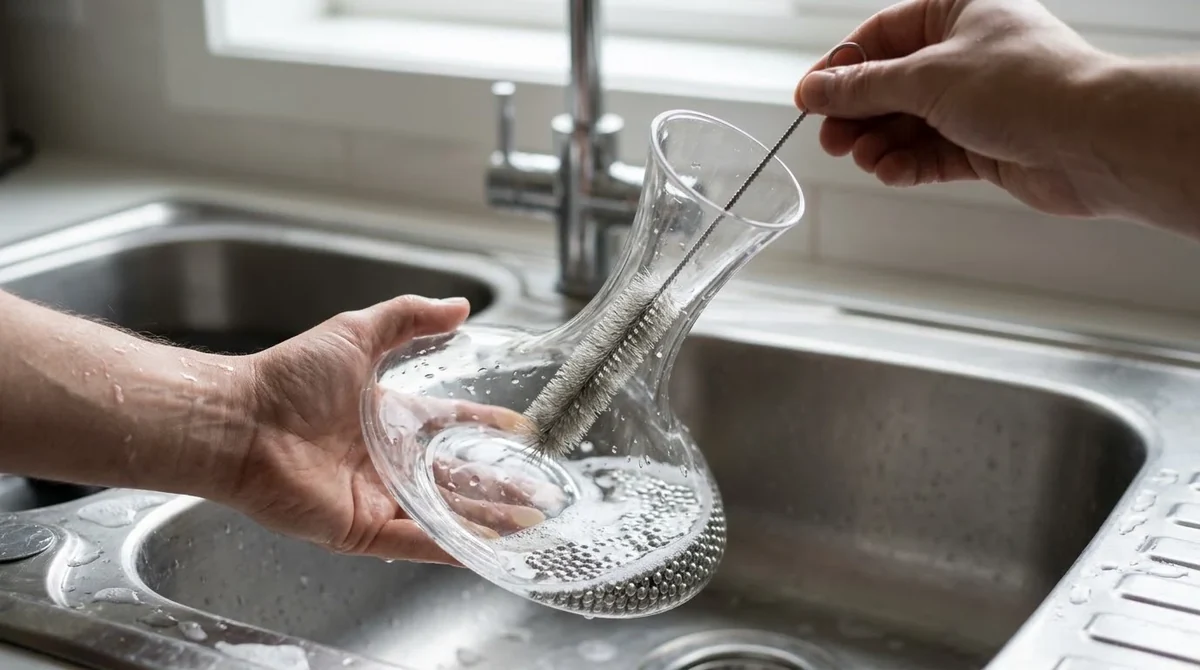
Cleaning is another consideration. The product description identifies a smooth glass surface and wider opening intended to make washing and drying easier. Nevertheless, a decanter’s lower chamber can retain water droplets, particularly if it is stored before completely drying.
Do not assume that dishwasher use is appropriate simply because a glass vessel looks sturdy. The available listing does not provide a verified dishwasher-care instruction for every configuration. Hand washing is the more cautious approach when the specific care instructions are unavailable.
Specification gaps make comparisons harder
Some competing decanters publish more detailed measurements, including height, base width, empty weight, and whether a stopper is included. Those details can help buyers decide whether a vessel fits their cabinet and whether it will feel comfortable when full.
The Bella Vino listing provides capacity choices and general design information but does not establish every measurement needed for a direct technical comparison. That makes it difficult to judge its footprint or handling characteristics precisely without confirmation from the seller.
There is also a difference between a manufacturer’s intended benefit and a guaranteed result. A wide base can increase exposure to air, but it cannot guarantee that every wine will taste smoother or more aromatic. Wine condition, grape variety, age, temperature, and aeration time all influence the result.
These limitations do not automatically disqualify the decanter. They simply mean buyers should pay particular attention to the exact model, capacity, accessories, and care instructions before making a purchase.
Who Should Buy and Who Should Skip
The Bella Vino decanter is most appropriate for red wine drinkers who appreciate traditional crystal presentation and regularly serve wines that benefit from aeration. It is less suitable for buyers who prioritize a sealed storage solution, compact dimensions, or fully documented technical specifications.
Who should consider buying it
People who regularly serve young Cabernet Sauvignon are a natural audience. This grape typically produces wines with high tannin levels, and young examples can benefit from additional air exposure. A wide-base decanter provides an appropriate serving format for this purpose.
Syrah and Nebbiolo drinkers may also appreciate the design. These wines can have substantial structure and concentrated aromas, making controlled aeration useful when a bottle initially seems closed. A young Barolo, for example, may need more time than a lighter, fruit-forward red.
Home entertainers are another potential audience. A transparent crystal decanter gives guests a clear view of the wine and creates a more deliberate serving presentation. It is especially appropriate for dinner parties where the bottle is poured into a shared serving vessel before individual glasses are filled.
People buying a gift for a wine enthusiast may also find the traditional appearance appealing. A decanter is a recognizable piece of wine equipment, and its usefulness extends beyond a single grape variety or producer.
Who should skip it
Buyers who want a vessel for keeping unfinished wine overnight should look for a model with a confirmed stopper or use the original wine bottle for storage. A decanter’s broad opening is useful for aeration, but it is not automatically a good feature for preserving an opened bottle.
People with limited cabinet space may prefer a smaller vessel. A wide-base decanter requires a stable storage position, and the larger listed capacity options may be unnecessary for households that generally open one bottle for two people.
Collectors who frequently serve very old wines should also consider their specific decanting requirements. Older Pinot Noir, mature Rioja, and aged Burgundy can be delicate. They may need careful sediment separation and immediate service rather than extended aeration in a broad vessel.
Finally, buyers who insist on verified dishwasher compatibility, precise dimensions, or a documented warranty should seek those details before purchasing. The available Bella Vino listing does not establish all of these specifications.
Tip: Choose decanter capacity according to the amount of wine you usually serve, not simply the largest number available. A 750 ml bottle is the standard reference, and a vessel should leave enough room for controlled swirling without bringing the wine close to the rim.
For people building a more complete serving collection, it can also help to compare the decanter with dedicated red wine glasses. The two serve different purposes: the decanter prepares the wine, while the glass provides the shape and volume for enjoying each pour.
How It Compares to Alternatives
The Bella Vino decanter follows the traditional wide-base approach, but the best alternative depends on whether the priority is aeration, sediment separation, storage, or ease of cleaning. Different decanter shapes solve different serving problems, so there is no universally superior design.
Wide-base glass decanters
A conventional wide-base decanter is the closest comparison. Both designs expose a larger portion of wine to air and provide a shared serving vessel for red wine. The primary differences between individual products are capacity, glass thickness, base dimensions, opening shape, and handling comfort.
Bella Vino’s described slanted opening and narrow neck give it a specific design identity. However, without verified measurements for all configurations, it is not possible to claim that its pouring performance or stability exceeds that of every conventional competitor.
Traditional narrow-neck decanters
A narrow-neck vessel generally limits the wine’s exposed surface compared with a broad-bottomed design. That may make it less focused on rapid aeration, but the shape can be useful for serving and displaying older bottles that need careful sediment separation.
For example, a mature Bordeaux with visible sediment should be transferred slowly under a light source. The main objective is to leave the deposit behind rather than aggressively expose the wine to oxygen.
Bella Vino’s wide base is more naturally suited to aeration-oriented service. It can still be used for sediment separation, but the person pouring must control the transfer carefully regardless of the vessel’s shape.
Wine aerators
A wine aerator is a different type of equipment. It introduces air during the pouring process, allowing wine to receive aeration without spending an extended period in a separate vessel.
This can be convenient for casual dinners when there is little preparation time. However, a small aerator is not a direct replacement for a decanter when an older bottle contains sediment that needs to remain behind.
A decanter also provides a shared serving presentation that a compact aerator generally does not. The choice depends on whether the buyer values convenience during pouring or a separate vessel for preparing and presenting wine.
Glass carafes and serving pitchers
A simple glass carafe can serve a similar purpose for wine that needs some air. Wine.com explains that aeration is not limited to specialized decanters; an appropriate vessel with a broad surface can expose wine to oxygen.
The difference is often the intended use. A dedicated wine decanter may have a more carefully shaped pouring edge, a distinctive base, and a presentation suited to formal wine service. A basic carafe may be more useful as an everyday multipurpose serving vessel.
For buyers who want to explore other glassware styles, the Glassware Brands collection can help put different serving products into context. The best choice is the one that matches actual wine habits rather than the most elaborate design.
Which alternative makes the most sense?
Choose a wide-base decanter if aeration and table presentation are the priorities. Consider a narrow-neck vessel if careful handling of mature wine and sediment separation are more important. An aerator is useful for speed, while a basic carafe may be sufficient for uncomplicated everyday service.
The Bella Vino design makes the most sense for someone who wants a conventional crystal decanter with a broad aeration chamber and a distinctive pouring edge. Its appeal is straightforward rather than technical: a recognizable serving shape with a few practical design features.
Frequently Asked Questions
Is the Bella Vino decanter made from genuine crystal?
The product listing identifies the material as lead-free crystal glass. It does not provide a laboratory composition report or detailed manufacturing certification. Buyers who require additional material documentation should request it from the seller before ordering.
Can the Bella Vino decanter be used for white wine?
Yes, a clean glass decanter can also hold white wine, although most light-bodied whites do not require extensive aeration. Full-bodied Chardonnay and Viognier may benefit from brief exposure to air. Keep the wine appropriately chilled and avoid leaving delicate aromatic whites exposed unnecessarily.
Can the Bella Vino decanter hold sparkling wine?
It can physically serve as a glass vessel, but a wide-base decanter is generally not the preferred choice for sparkling wine. Transferring Champagne or Prosecco into a broad vessel encourages carbon dioxide to escape. A dedicated sparkling wine glass is usually a better choice when preserving bubbles is important.
Does the Bella Vino decanter remove wine sediment?
Yes, it can be used to separate wine from sediment through careful pouring. The sediment remains in the original bottle while the clearer wine enters the decanter. This technique is particularly useful for older, unfiltered red wines and bottles that have developed a natural deposit during aging.
Can the Bella Vino decanter be used as a decorative centerpiece?
Its transparent crystal construction and traditional silhouette make it suitable for display on a dining table or serving cabinet. However, it should be thoroughly cleaned and dried before decorative storage. Avoid positioning it near the edge of a table or where it can be knocked over during dinner service.
The Bella Vino decanter is a straightforward option for people who want a traditional crystal vessel with a wide base, narrow neck, and angled pouring opening. Its documented features make it most relevant to households that regularly serve young red wines and appreciate a dedicated decanting vessel.
The main purchasing considerations are the exact capacity, handling requirements, missing specification details, and whether a stopper is included. Confirm those points before ordering, and choose the decanter according to the wines you actually serve rather than appearance alone.
More in Wine Glasses
 Spiegelau Crystal Wine Glasses That Bring Clarity to Every PourUpdated Nov 21, 2026
 Zalto Crystal Wine Glasses: Are They Worth the Investment?Updated Nov 21, 2026
 Villeroy And Boch White Wine Glasses for a More Cohesive TableUpdated Nov 21, 2026
 Zalto Wine Glasses On Sale: Find the Right Denk’Art GlassUpdated Nov 21, 2026
 Zwiesel Glas Champagne Glasses: Features, Quality and Buying AdviceUpdated Nov 21, 2026
 Zwiesel Glas Decanter Review: A Durable, Elegant Choice for Wine ServiceUpdated Nov 21, 2026