

We may earn a commission when you buy through links on this page, at no extra cost to you. Learn more.
Barossa Valley wine tasting introduces visitors to some of Australia’s most celebrated wines, particularly full-bodied Shiraz, expressive Grenache, and traditional GSM blends. Located about an hour northeast of Adelaide in South Australia, the region combines historic wineries, distinctive vineyard landscapes, and a wide range of tasting experiences. First-time visitors can explore traditional estates, meet smaller producers, and compare wines made from vineyards with different elevations and growing conditions.
The Barossa Valley is an excellent destination for wine enthusiasts who want to understand how climate, grape variety, vineyard age, and winemaking influence the character of Australian wine. More than 150 wineries operate across the region, with cellar doors offering everything from introductory flights to specialized tastings of premium and historic wines. A little preparation makes it easier to choose the right wineries, recognize regional styles, and enjoy a balanced itinerary without rushing between appointments.
Understanding the Barossa Valley Wine Region
The Barossa Valley is one of Australia’s best-known wine-producing regions, recognized for its warm-climate reds, historic vineyards, and established winemaking families. Its combination of geography and Mediterranean weather creates favorable conditions for grapes that develop concentrated fruit flavors and generous structure.
The region lies in South Australia, approximately one hour by car northeast of Adelaide. Tanunda, Nuriootpa, Angaston, and Lyndoch are four important towns for visitors exploring the area. Smaller wine communities, including Greenock, Marananga, Bethany, and Seppeltsfield, add further variety to the experience.
Wine Australia’s regional information identifies approximately 11,609 hectares of vineyard area, with elevations ranging from 112 to 596 meters. The Mediterranean climate brings warm, dry summers and cooler, wetter winters. Growing-season rainfall averages approximately 220 millimeters, while the mean January temperature is approximately 21.9 degrees Celsius according to its regional overview.
These figures help explain why the valley produces substantial, fruit-forward reds. However, the Barossa is not climatically uniform. Vineyards on the valley floor generally experience warmer conditions, while higher sites in the surrounding hills can be cooler. Those differences influence grape ripening, acidity, flavor development, and the structure of finished wines.
Soils also contribute to regional variation. Clay loams, sandy soils, and differences in vineyard elevation create distinct growing environments. Even two Shiraz wines produced within a relatively small area can show differences in fruit intensity, texture, freshness, and oak influence.
The area’s winemaking history is another important part of its identity. Several generations of grape-growing families continue to work alongside newer producers experimenting with vineyard-specific wines and alternative grape varieties. This mixture of heritage and innovation makes tasting across several producers particularly interesting.
Visitors comparing Australian destinations can also explore Wine Regions to understand how geography influences the wines produced in different parts of the country. The Barossa’s warm conditions provide a useful contrast with cooler growing areas.
Essential Wines to Try During a Barossa Tasting
Shiraz should be the starting point for most visitors, but a worthwhile tasting also includes Grenache, Cabernet Sauvignon, GSM blends, and at least one white wine. Comparing these styles demonstrates the region’s diversity beyond its famous powerful reds.
Shiraz: Barossa Valley Shiraz is typically full-bodied, richly flavored, and generous in texture. Common characteristics include blackberry, blackcurrant, plum, dark cherry, and peppery spice. Some examples emphasize ripe fruit and plush tannins, while others show greater freshness, savory complexity, and restrained oak influence.
Shiraz is an especially useful grape for comparing producers. Try two or three examples from different vineyard sites or winemaking approaches. Notice whether the fruit tastes fresh or jammy, whether oak contributes vanilla or toast, and whether the tannins feel smooth or firmly structured.
Grenache: Grenache offers a different expression of the region. It generally has a lighter body than Barossa Shiraz, with raspberry, strawberry, red cherry, and pepper characteristics. Some examples have lively acidity and delicate tannins, while more concentrated bottlings show deeper fruit and greater structure.
Cabernet Sauvignon: Barossa Cabernet Sauvignon commonly displays blackcurrant, black olive, and mint notes. It is generally rich and full-flavored, with a softer impression than Cabernet Sauvignon from some cooler Australian regions. Comparing it directly with Shiraz helps identify the differences between grape varieties grown under similar conditions.
GSM blends: GSM refers to Grenache, Shiraz, and Mourvèdre, also known as Mataro in Australia. Grenache contributes red fruit, Shiraz provides depth and structure, and Mourvèdre adds savory character and complexity. The proportions differ between producers, so no two blends necessarily taste alike.
Riesling and Semillon: White wine deserves attention during a Barossa visit. Riesling can show citrus, lime, floral notes, and refreshing acidity. Semillon offers another regional style, with citrus and sometimes more rounded fruit characteristics. These wines provide a welcome contrast after several rich reds.
Other varieties may appear on tasting menus, including Chardonnay, Merlot, and Mediterranean grapes. Asking a tasting-room host about less familiar varieties can reveal interesting wines that are not as widely represented in international markets.
For a useful tasting comparison, consider the following characteristics:
| Wine style | Typical body | Common flavors | What to notice |
|---|---|---|---|
| Shiraz | Full | Blackberry, plum, pepper | Fruit concentration and tannin |
| Grenache | Light to medium | Raspberry, strawberry, spice | Freshness and texture |
| Cabernet Sauvignon | Full | Blackcurrant, olive, mint | Structure and herbal character |
| GSM | Medium to full | Red fruit, dark fruit, savory spice | Balance between varieties |
| Riesling | Light | Lime, citrus, floral notes | Acidity and freshness |
| Semillon | Light to medium | Citrus, lemon, subtle fruit | Texture and aromatic development |
One useful tasting technique is to begin with lighter white wines before moving to more substantial reds. Taste Grenache before Shiraz and Cabernet Sauvignon, then finish with any sweet or fortified wines. This sequence makes it easier to recognize subtle differences without allowing powerful flavors to dominate the earlier wines.
Historic Wineries and Notable Cellar Door Experiences
Barossa Valley cellar doors range from traditional family estates to contemporary tasting rooms. Visitors can explore historic vineyards, learn about regional winemaking traditions, and compare premium wines in settings that reflect the area’s agricultural heritage.
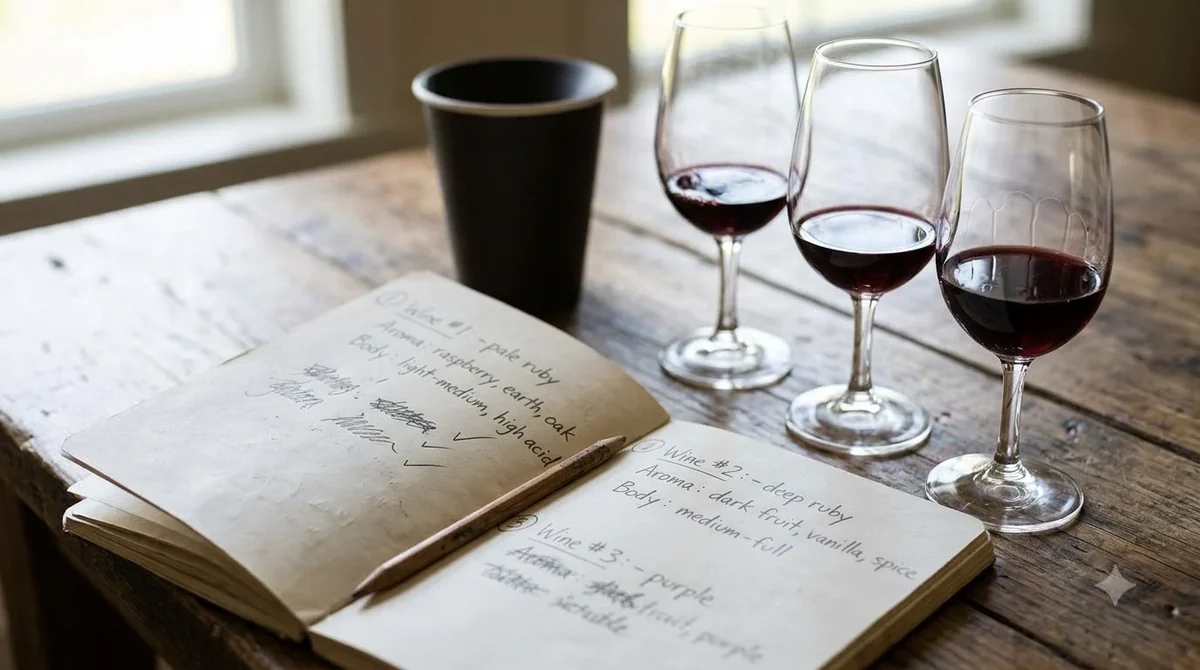
Seppeltsfield Estate: Seppeltsfield dates back to 1851 and is particularly interesting for visitors who enjoy wine history. Its Centennial Cellar houses a historic collection of single-vintage Tawny wines, and visitors can choose from tasting experiences, tours, lunches, and workshops. Its historic buildings and broader estate provide more than a conventional tasting-room visit.
The estate is especially relevant to anyone interested in fortified wine. Tawny wines are made through an oxidative aging process that develops flavors such as nuts, caramel, dried fruit, and spice. Sampling an older Tawny provides an opportunity to understand a traditional Australian wine style that differs substantially from young table wine.
Jacob’s Creek: Tourism Australia identifies Jacob’s Creek as a long-established Barossa producer that has made wine in the region since 1847. Its property covers 42 hectares and includes a bicycle track through vineyards. The winery also offers opportunities to explore food and wine matching, making it an appealing stop for visitors interested in a broader introduction to the region.
Pindarie Wines: Pindarie offers a distinctive historic setting, with its cellar door created from a restored grain room and stables. The building’s exposed stone, brick, and original roof materials provide a connection to the area’s agricultural past. Its Grain Store restaurant serves food including rabbit and mushroom pies, while tasting plates feature local meats, cheeses, olives, chutneys, and bread.
Turkey Flat Vineyards: Located near Tanunda, Turkey Flat is another interesting stop for visitors interested in heritage. Its family vineyards date back to 1847, and its historic bluestone cellar door was formerly a butcher’s shop operated by the Shultz family. Visitors can explore its wines and enjoy a relaxed setting near the vineyards.
These estates are useful starting points, but they represent only part of the region. The official Barossa winery and cellar door directory lists producers across numerous towns and wine styles. It allows visitors to identify tasting locations based on wine variety, facilities, and location.
For a more specialized experience, look for appointments featuring single-vineyard Shiraz, old-vine Grenache, or vertical tastings. These experiences often offer more insight than a general tasting flight because they demonstrate how individual vineyard sites or different vintages influence a wine.
Planning a Practical Barossa Valley Wine Tasting Itinerary
A comfortable first visit usually involves three wineries in one day, with time for lunch and travel between appointments. Although the region has more than 150 wineries, attempting to visit too many cellar doors can make individual wines difficult to appreciate.
Start by choosing a geographic area rather than selecting wineries scattered across the entire region. Tanunda, Nuriootpa, Angaston, and Lyndoch provide useful starting points, while Greenock and Seppeltsfield offer additional options for visitors interested in particular producers and historic settings.
For a first-day itinerary, consider the following structure:
Morning: Begin with regional essentials
Arrive at your first cellar door around 10 a.m. and begin with a guided introduction to the producer’s wines. Choose a tasting flight that includes Shiraz, Grenache, and Cabernet Sauvignon. This gives you a useful foundation for recognizing the area’s main red-wine styles.
Allow approximately 60 to 75 minutes for the first visit. Rather than concentrating only on the wines you enjoy most, ask how vineyard location, grape selection, and oak aging affect the differences between bottles.
Midday: Make time for food
Schedule lunch between your second and third winery visits. A meal featuring local cheeses, roasted meats, vegetables, or a regional tasting platter creates an opportunity to experience how Barossa wines work with food.
Avoid planning a long series of tasting appointments without a meal break. Food also makes it easier to compare the effects of tannin, acidity, and alcohol across different wines.
Afternoon: Explore a different wine style
Choose a third winery with a different focus from the first two. If the morning involved premium Shiraz and Cabernet Sauvignon, consider an afternoon tasting featuring Grenache, Riesling, or fortified Tawny.
A historic property such as Seppeltsfield can provide a different experience from a smaller producer’s tasting room. Alternatively, a specialist tasting focused on old vines or single-vineyard bottlings can make the final appointment particularly educational.
Visitors who want to compare different Australian wine destinations can also read about Hunter Valley wine tasting and Russian River Valley wine tasting. These regions offer useful contrasts in grape varieties, climate, and regional wine identity.
Tip: Reserve your preferred tastings before arriving, particularly for weekends, premium wine flights, and guided vineyard experiences. Three carefully selected winery visits, each lasting approximately 60 minutes, generally provide a more memorable day than rushing through six or seven tasting rooms.
Transportation also deserves attention. Visitors driving from Adelaide should plan a designated driver or arrange a tour with transportation included. Cellar doors are spread across several towns, and a little advance planning can reduce unnecessary driving.
Finally, leave some flexibility in the schedule. A tasting-room conversation may introduce a producer, grape variety, or vineyard site that deserves additional attention. A relaxed itinerary allows time for these discoveries without making the day feel rushed.
Understanding Tasting Flights and Evaluating Wine
A tasting flight is a selection of wines presented together so visitors can compare their characteristics. The most useful flights have a clear theme, such as different Shiraz vineyard sites, several Grenache bottlings, or wines made from the same grape in different vintages.
Start by examining the wine’s appearance. Look at its color intensity and clarity, then gently swirl the glass to release aromas. Red wines may show violet, ruby, or garnet tones depending on grape variety, age, and winemaking decisions. White wines range from pale lemon to deeper gold.
Next, smell the wine before tasting it. For Barossa Shiraz, look for blackberry, plum, blackcurrant, pepper, and spice. Grenache may show raspberry, strawberry, and red cherry. Cabernet Sauvignon often presents blackcurrant, olive, and mint characteristics.
Take a small sip and consider four basic elements:
- Acidity: Does the wine taste fresh and lively, or relatively soft?
- Tannin: Does it create a drying sensation on the gums and tongue?
- Body: Does the wine feel light, medium, or full in the mouth?
- Finish: Do its flavors disappear quickly or remain noticeable after swallowing?
These observations make it easier to compare wines without relying on complicated tasting terminology. For example, two Barossa Shiraz wines might both have concentrated blackberry fruit, but one may feel smoother because of softer tannins while the other has a firmer structure and longer finish.
Vintage comparisons can also be informative. Warmer growing conditions may encourage riper fruit and higher potential alcohol, while cooler conditions can preserve freshness and acidity. However, vineyard location, harvest decisions, and cellar techniques also influence the final result.
Ask the host whether the wines come from old vines, individual vineyard blocks, or blended parcels. A single-vineyard wine can provide a focused expression of one site, while a regional blend may combine fruit from several locations to achieve consistency and balance.
It is helpful to take brief notes after each wine. Record the producer, grape variety, vintage, dominant aromas, and one or two observations about structure. Even a simple description such as “dark fruit, firm tannin, pepper, long finish” can make later comparisons easier.
Remember that personal preference is important. A highly concentrated Shiraz is not automatically better than a lighter Grenache, and an expensive or prestigious wine does not have to suit every palate. The purpose of a tasting flight is to discover the styles and producers that match your preferences.
Food Pairings and Proper Wine Serving Temperatures
Food pairing can make a Barossa tasting more rewarding because the region’s wines often have concentrated flavors and substantial structure. The most successful combinations balance fruit intensity, acidity, tannin, alcohol, and the richness of the food.
Barossa Shiraz works particularly well with grilled beef, lamb, smoked meats, and dishes featuring black pepper or rosemary. Its dark fruit and substantial body complement the savory flavors of roasted and grilled meats. Salt and fat can also soften the perception of tannin, making rich meat dishes particularly effective partners for structured reds.
Grenache offers more flexibility with lighter dishes. Try it with roast chicken, grilled vegetables, tomato-based meals, or lamb prepared with Mediterranean herbs. Its red-fruit character and generally softer tannins make it a useful option when a powerful Shiraz would overwhelm the food.
Cabernet Sauvignon suits grilled steak, slow-cooked beef, and dishes with concentrated savory flavors. GSM blends can accompany roast lamb, herb-seasoned vegetables, and mixed grilled meats.
White wines deserve equally careful pairing. Riesling’s high acidity makes it a useful match for seafood, salads, and dishes with citrus-based dressings. Semillon can work with shellfish, grilled chicken, and lighter meals. Avoid pairing strongly tannic red wines with oily fish, where the combination can create an unpleasant metallic impression.
Serving temperature also affects the tasting experience. Full-bodied reds are often served too warm, which can make alcohol seem more prominent and reduce freshness. Slightly cooling a bottle before serving can help its fruit and structure remain balanced.
| Wine category | Recommended temperature | Serving approach |
|---|---|---|
| Light white wines | 45–50°F | Serve chilled |
| Full-bodied white wines | 50–55°F | Serve moderately chilled |
| Light red wines | 55–60°F | Serve slightly cool |
| Full-bodied red wines | 60–65°F | Allow to warm slightly if refrigerated |
| Sweet white wines | 43–50°F | Serve well chilled |
| Sparkling wines | 40–50°F | Serve cold |
For a tasting at home, use a standard 5-ounce serving when comparing several wines. A 750-milliliter bottle provides approximately five such glasses. This is a practical way to plan a tasting flight without pouring excessively large samples.
After opening, refrigerate still wines and use them within approximately three to five days for the best results. A young, full-bodied red may benefit from 30 to 60 minutes of decanting before serving. The additional exposure to air can soften its initial impression and make its aromas easier to appreciate.
Food should also influence the order of a tasting. Begin with lighter white wines, move through lighter reds, and finish with fuller reds and sweet or fortified styles. This approach reduces the likelihood that a powerful Shiraz will overpower more delicate wines.
Buying, Storing, and Remembering Barossa Wines
Choosing bottles after a tasting is easier when you understand the differences between regional styles and the circumstances in which you intend to drink them. Some wines are designed for immediate enjoyment, while others have the structure and balance to develop additional complexity over time.
For everyday drinking, look for approachable Shiraz, Grenache, and GSM blends with fresh fruit and balanced tannins. These styles are generally versatile with meals and do not necessarily require extended cellaring.
For a special occasion, consider a single-vineyard Shiraz, a structured Cabernet Sauvignon, or an older-vintage wine. Ask the producer about the wine’s drinking window and how it has developed in the bottle. A wine with substantial fruit concentration, balanced acidity, and well-integrated tannins may have greater aging potential than a simpler, immediately accessible example.
Old-vine wines can be especially interesting purchases. Older vineyards may produce concentrated fruit and distinctive expressions of their growing sites, although vine age alone does not guarantee quality. Vineyard management, seasonal conditions, harvest decisions, and winemaking all remain important.
When buying several bottles, consider selecting different styles rather than purchasing only one variety. A combination of Shiraz, Grenache, GSM, and Riesling provides a useful introduction to the region and offers more flexibility for food pairing.
Storage conditions matter after returning home. Keep bottles away from direct sunlight, strong temperature fluctuations, and heat-producing appliances. A consistent storage temperature near 55°F is a useful target for longer-term storage.
Traditional cork-closed bottles should generally be stored horizontally so the cork remains in contact with the wine. This helps prevent the cork from drying out and compromising the seal. Wines intended for immediate consumption do not require elaborate storage arrangements, but a cool, dark cupboard is preferable to a warm kitchen counter.
It is also useful to preserve your tasting notes. Record the winery, vintage, grape variety, and details about the wine that stood out. Include information about the vineyard or tasting experience if it was particularly interesting.
Over time, these notes can reveal whether you prefer concentrated Shiraz, fresher Grenache, structured Cabernet Sauvignon, or crisp white wines. They also provide a practical starting point when choosing other Australian wines, including those from the Hunter Valley and cooler-climate regions.
Frequently Asked Questions
What is the oldest Shiraz vineyard in the Barossa Valley?
Langmeil’s Freedom vineyard is believed to have been planted in 1843 and is recognized as one of the world’s oldest continuously producing Shiraz vineyards. Its historic vines are associated with the Langmeil Freedom 1843 Shiraz. The vineyard is an important example of the region’s unusually long viticultural history.
What does the term old vine mean on a Barossa wine label?
Barossa uses an old-vine classification system that recognizes vineyard age through categories including Old Vine, Survivor Vine, Centenarian Vine, and Ancestor Vine. The Old Vine category begins at 35 years, while Centenarian Vine refers to vines at least 100 years old. These classifications help communicate the age and historical significance of the vineyard.
Is Eden Valley the same wine region as Barossa Valley?
No. Barossa Valley and Eden Valley are distinct wine regions within the broader Barossa area. Eden Valley generally has higher elevations and cooler growing conditions, making it particularly recognized for aromatic Riesling and more restrained expressions of several red varieties.
What does Mataro mean on a Barossa wine label?
Mataro is another name for Mourvèdre, a red grape variety used in Australian wines. It contributes savory, earthy, and sometimes dark-fruit characteristics to blends. In traditional GSM wines, it works alongside Grenache and Shiraz to provide additional structure and complexity.
When does the Barossa Valley grape harvest generally take place?
Barossa grape harvesting generally takes place during the Southern Hemisphere late summer and autumn, commonly from February through April. Exact timing varies with grape variety, vineyard location, seasonal weather, and the winemaker’s desired ripeness. Early-ripening varieties may be harvested before later-ripening red grapes.
Barossa Valley wine tasting offers a rewarding introduction to Australia’s historic winemaking culture, from concentrated Shiraz and expressive Grenache to distinctive fortified wines and refreshing whites. Start with a few carefully selected cellar doors, make time for regional food, and compare wines from different producers and vineyard sites. With a little planning, even a single day in the Barossa can provide a much deeper understanding of what makes this South Australian region special.
More in Wine Regions
 Willcox Wine Trail: Discover Arizona’s High-Elevation Wine CountryUpdated Nov 20, 2026
 Yakima Valley Wine Region: Find the Best Styles to TryUpdated Nov 20, 2026
 Vosne Romanee Wine Tasting: Identify Aromas and Choose Better PairingsUpdated Nov 20, 2026
 Yakima Valley Wine Festival: Find the Best Seasonal Wine EventsUpdated Nov 20, 2026
 Wales Vineyards: Discover Cool-Climate Wines and Where to VisitUpdated Nov 20, 2026
 Yountville Wine Festival: Discover Napa Wines and Local FoodUpdated Nov 20, 2026