

We may earn a commission when you buy through links on this page, at no extra cost to you. Learn more.
Barolo tasting notes typically feature red cherry, cranberry, rose petals, dried violets, tar, licorice, tobacco and leather, supported by high acidity and firm, powerful tannins. Made exclusively from Nebbiolo grapes in Piedmont, Italy, Barolo is a dry red wine known for its aromatic complexity and substantial structure. Young bottles tend to emphasize fresh fruit and floral aromas, while mature examples develop earthy, savory and spice-driven characteristics.
Barolo is sometimes called the king of wines, but its appeal goes beyond reputation. It combines a surprisingly pale garnet color with concentrated aromas, refreshing acidity and a tannic grip that can take years to soften. Understanding its fruit, floral, earthy and savory characteristics makes it easier to recognize different styles, assess maturity and choose the right food to serve alongside a bottle.
What Barolo Tastes Like: The Essential Wine Profile
Barolo is a dry, structured red wine with high acidity, pronounced tannins and complex aromas. Its most recognizable combination is red fruit, rose petals and tar, although individual bottles can show considerable differences depending on vineyard location, vintage and winemaking.
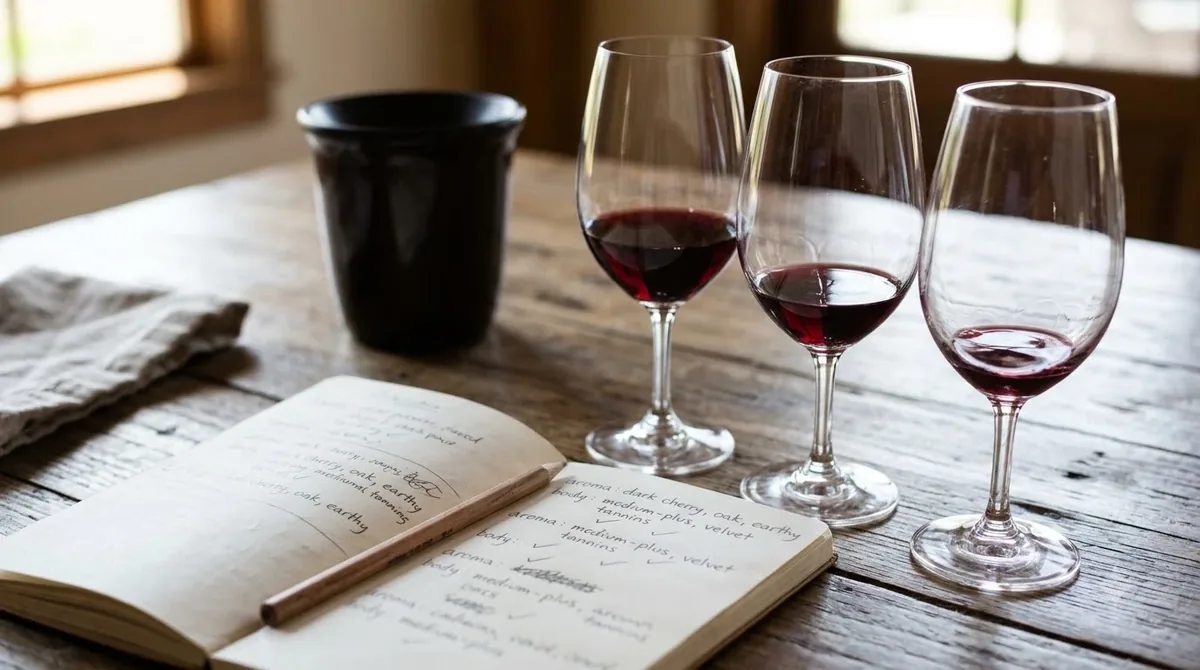
The grape behind Barolo is Nebbiolo, a variety that produces wines with a distinctive balance of aromatic delicacy and powerful structure. Unlike deeply colored Cabernet Sauvignon, Nebbiolo often produces a relatively light garnet appearance. This can be misleading because the wine’s tannins and acidity are considerably more substantial than its color suggests.
On the palate, expect sour cherry, redcurrant, cranberry and occasionally pomegranate. These fruit flavors are often accompanied by dried herbs, anise, licorice and subtle mineral impressions. The fruit is generally fresh rather than jammy, especially in younger examples. As the wine develops, its initial fruit character can become less prominent while earthy and savory flavors take center stage.
The official regional description identifies Barolo as dry, full-bodied and harmonious, with a minimum alcohol strength of 13% ABV. However, the sensation of body can vary. Its high acidity and relatively delicate fruit can make some examples feel medium-bodied despite their substantial tannins and persistent finish.
Think of Barolo as a wine built around contrast. Its fragrance can be delicate and floral, but its structure is firm and sometimes demanding. That contrast is a major reason why the wine appeals to collectors and drinkers who enjoy complex reds.
Barolo Aromas: Roses, Tar, Cherry and Earth
The nose is one of Barolo’s most distinctive features, combining floral freshness, red fruit and savory complexity. Rose and tar are the traditional reference points, but a closer examination reveals several additional layers that change as the wine ages and opens in the glass.
Rose petals and dried violets are among the clearest floral characteristics. They can be especially noticeable in younger bottles, where fresh red fruit and aromatic lift remain prominent. Some wines also suggest dried herbs, orange peel, anise and sweet spices.
The familiar tar aroma is more difficult to describe. It is not necessarily a smell of fresh asphalt. Instead, it can resemble warm road tar, smoke, dark mineral impressions or an earthy, slightly medicinal scent. This savory note gives Barolo much of its recognizable personality.
Fruit aromas often include sour cherry, redcurrant, cranberry and raspberry. Depending on the wine, these can be joined by pomegranate, red apple and dried strawberry. With additional bottle age, fresh fruit can gradually give way to dried cherry, preserved fruit and more developed aromas.
Other common descriptors include:
- Floral: Rose petals, dried violets and potpourri.
- Fresh fruit: Sour cherry, cranberry, redcurrant and raspberry.
- Spice: Licorice, cinnamon, anise, nutmeg and black pepper.
- Earthy: Forest floor, truffle, dried leaves and mushroom.
- Savory: Tobacco, leather, tea leaves and tar.
- Oak-related: Vanilla, cedar and subtle toasted wood, depending on barrel treatment.
These aromas do not necessarily appear together in every bottle. A young Barolo from La Morra might emphasize roses and fresh cherries, while an older wine from Serralunga d’Alba could show leather, tobacco and dried herbs. Both can be authentic expressions of the same grape and appellation.
For additional context, Strada del Barolo’s regional description provides a useful overview of the wine’s characteristic fruit, floral, spice and savory aromas.
Barolo on the Palate: Acidity, Tannins and Finish
Barolo’s defining structural characteristics are high acidity and firm tannins. These features give the wine its distinctive grip, help balance its concentrated flavors and contribute to its ability to develop over extended bottle aging.
The first sip often reveals bright acidity, followed by sour cherry, cranberry and savory flavors. The wine can feel energetic and fresh even when it has substantial alcohol and considerable tannin. This combination helps distinguish Nebbiolo from softer, rounder red wines.
Tannins are particularly important. Nebbiolo is famous for producing some of the most pronounced tannic structures among traditional European red varieties. In a young Barolo, the tannins can feel drying, firm and slightly abrasive along the gums and sides of the tongue.
That sensation does not necessarily indicate a flaw. In a well-made wine, tannins should provide structure without overwhelming the fruit and acidity. With bottle age, the tannic impression often becomes more integrated, making the wine feel smoother and more harmonious.
The finish is generally persistent, with cherry, dried flowers, licorice, tea, herbs and earthy notes remaining after swallowing. Mature bottles can develop an especially long savory finish, where leather, tobacco and truffle-like characteristics become more noticeable than fresh fruit.
The following table summarizes the typical structure and tasting characteristics of Barolo.
| Characteristic | Typical Barolo Profile | What to Look For |
|---|---|---|
| Color | Light to medium garnet | Ruby and garnet tones, with orange or brick edges in mature wines |
| Sweetness | Dry | No obvious residual sweetness |
| Acidity | High | Fresh, mouthwatering sensation |
| Tannins | High | Firm grip and drying sensation |
| Body | Medium to full | Substantial structure with relatively delicate fruit |
| Alcohol | At least 13% ABV | Warmth and weight on the palate |
| Primary flavors | Red cherry and cranberry | Fresh red fruit and floral notes |
| Secondary flavors | Licorice and spice | Anise, cinnamon and dried herbs |
| Mature flavors | Leather and tobacco | Earth, truffle, dried fruit and tea |
| Finish | Long | Persistent fruit, spice and savory notes |
One useful comparison is Cabernet Sauvignon, which also has high tannins but generally presents a different combination of fruit, body and aromatic characteristics. Barolo is often more floral and red-fruited, while Cabernet Sauvignon more commonly emphasizes blackcurrant, dark fruit and cedar.
For readers exploring other red grape profiles, grenache tasting notes offer an interesting contrast. Grenache is generally fruitier and softer in tannin, whereas Nebbiolo tends to have more pronounced acidity and a firmer grip.
How Barolo Terroir Changes Its Tasting Notes
Barolo is produced across 11 municipalities in the Langhe, and its wines can vary significantly from one village to another. Differences in soil, vineyard exposure, elevation and local conditions influence how Nebbiolo expresses its aromas, tannins and overall structure.
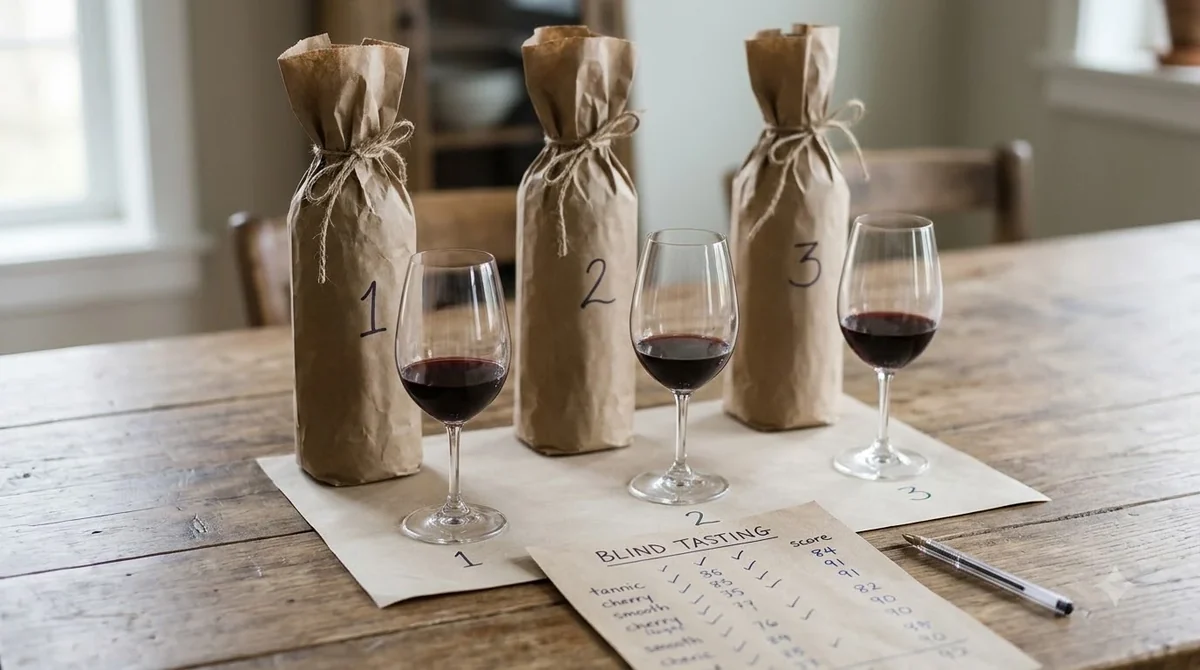
La Morra and Barolo are commonly associated with Tortonian soils containing substantial blue-gray marl. Wines from these western areas are often described as more aromatic, floral and approachable in their youth. Red fruit and rose petals can be particularly expressive, while the overall structure may feel less imposing than that of some eastern examples.
Serralunga d’Alba is frequently associated with a firmer, more structured interpretation of Nebbiolo. Its wines can display pronounced tannins, concentrated fruit and savory characteristics. They may require additional bottle aging before their structure becomes fully integrated.
Monforte d’Alba is another important source of structured Barolo. Depending on the vineyard and producer, its wines can combine darkened red fruit, earthy complexity and considerable tannic weight. Some examples have a powerful profile that benefits from patience in the cellar.
Verduno offers another expression, often associated with fragrant floral notes and attractive freshness. Castiglione Falletto is particularly interesting because its vineyard landscape includes different soil characteristics, contributing to a range of wine styles.
Understanding the vineyard names
Barolo labels sometimes include additional geographical mentions, commonly abbreviated as MGA. These designations identify recognized geographical areas within the appellation and help drinkers understand where the grapes originate.
Examples include Cannubi, Bussia and Rocche dell’Annunziata. These names are useful when comparing wines from different parts of the region, although a vineyard designation does not automatically guarantee a particular flavor profile or quality level.
Producer choices matter just as much as geography. Harvest decisions, extraction, fermentation and maturation influence whether the finished wine feels particularly aromatic, structured, polished or austere. Two wines from the same village can therefore offer noticeably different experiences.
For a broader comparison of how grape varieties and growing regions influence the glass, explore Wine by Type.
Young Barolo vs. Aged Barolo: How the Flavors Develop
Barolo changes considerably with bottle age, moving from fresh fruit, floral aromas and firm tannins toward more complex earthy, savory and dried-fruit characteristics. The wine’s high acidity and tannic structure allow well-made examples to develop over many years.
A young Barolo generally emphasizes sour cherry, cranberry, redcurrant, rose petals and violets. The fruit can be vivid, but the tannins may still feel aggressive. Some bottles also show licorice, anise and fresh herbal characteristics.
After several years in the bottle, the wine can begin to feel more integrated. The fruit becomes less overtly fresh, the tannins often become more approachable, and additional notes of dried flowers, tea, tobacco and leather can emerge.
Many well-made examples reach an attractive drinking stage around 10 to 15 years after harvest, although the ideal timing depends on the producer, vintage and individual bottle. Exceptional wines can continue developing for several decades while retaining freshness and complexity.
Barolo aging requirements
The appellation’s aging rules establish a minimum maturation period before release. According to Strada del Barolo, standard Barolo must age for at least three years and two months from harvest, including at least 18 months in oak. The Riserva designation requires a longer minimum of five years and two months.
These requirements should not be confused with the amount of additional bottle aging a wine needs to reach its preferred drinking stage. A wine becoming legally eligible for release does not mean its tannins have fully softened or its aromas have reached their greatest complexity.
Use the following general guide when deciding when to open a bottle:
- Young examples: Expect fresh cherry, cranberry, rose and noticeable tannins.
- Developing examples: Look for better integration, dried flowers, spice and early savory notes.
- Mature examples: Expect leather, tobacco, tea, earthy aromas and more integrated tannins.
- Older examples: Look for tertiary complexity, dried fruit and evolved aromas, while recognizing that bottle condition becomes increasingly important.
Tip: Do not judge a young Barolo solely by how firm its tannins feel during the first sip. Give it time in the glass, or consider decanting a young, structured bottle for approximately 30 to 60 minutes. Older bottles require more care because extended exposure to air can diminish delicate aromas.
How to Serve and Taste Barolo Properly
Barolo is best served slightly cooler than typical room temperature, allowing its aromatic complexity, acidity and tannins to remain balanced. A suitable serving range is approximately 60 to 65 degrees Fahrenheit for a full-bodied red wine.
Serving temperature makes a noticeable difference. If Barolo is too warm, alcohol can become more prominent and its aromatic details may seem less defined. If it is too cold, the tannins can feel harder and the fruit aromas less expressive.
If the bottle has been stored in a cool cellar, allow it to warm gradually before serving. If it has been kept in a warm room, a short period in the refrigerator can help bring it into the preferred range.
A simple tasting sequence
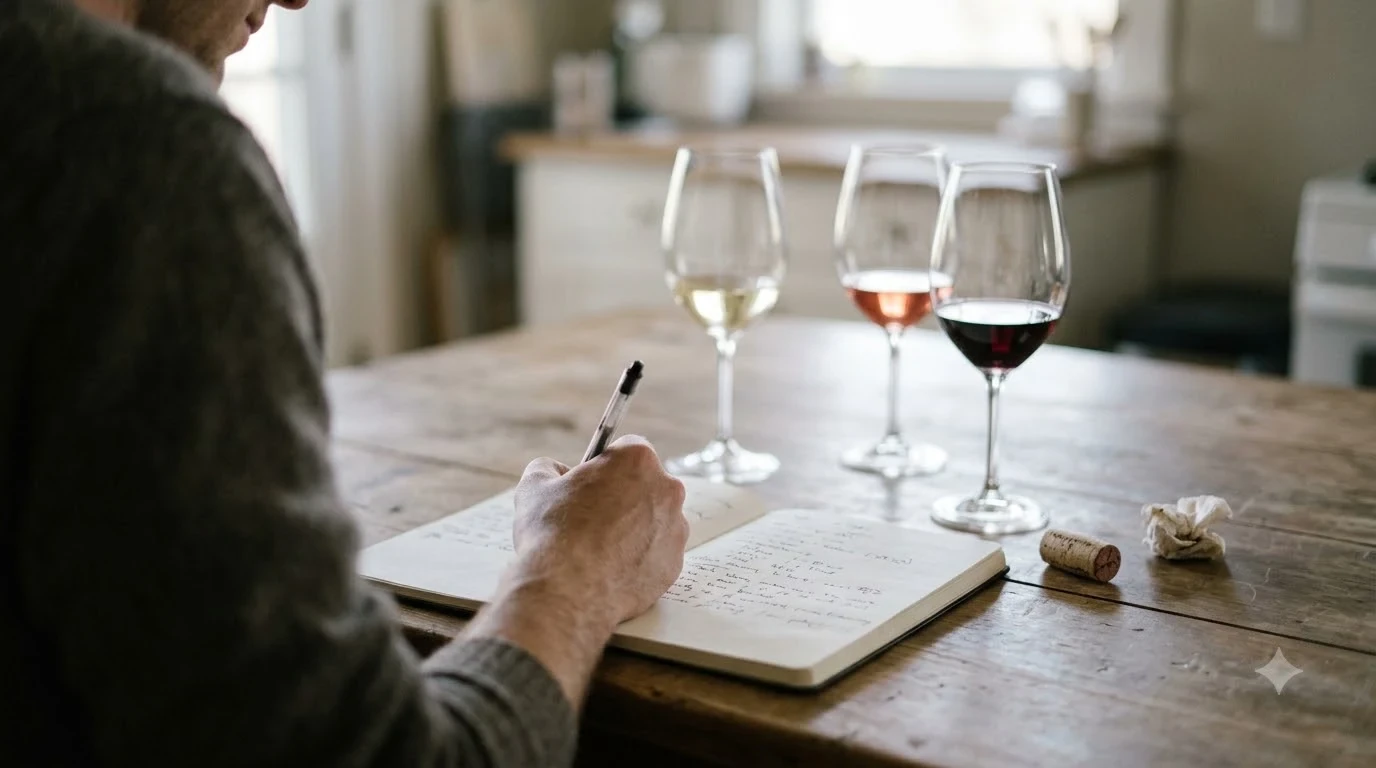
Start by examining the color. Barolo is often lighter than people expect from such a structured red wine. Look for garnet or ruby tones, then pay attention to any orange or brick-colored development around the rim, particularly in older bottles.
Next, smell the wine before swirling. Identify the most obvious aromas, which may include cherry, rose, cranberry and tar. After swirling gently, smell again and look for additional layers such as anise, licorice, tobacco, leather or dried herbs.
Take a moderate sip and allow the wine to spread across the palate. Focus on three separate sensations: acidity, tannin and flavor concentration. High acidity should create freshness and salivation, while the tannins provide a drying sensation around the gums.
Finally, consider the finish. A quality Barolo often leaves persistent flavors after the wine has been swallowed. Notice whether fruit, floral aromas, spice or earthy notes remain longest.
Glassware and decanting
A large-bowled red wine glass is useful because it gives the wine room to release its aromas. A glass with a relatively narrow opening can help concentrate those aromas toward the nose while allowing enough space for swirling.
Decanting is particularly useful for young, tannic examples. A period of 30 to 60 minutes can help expose additional aromatic layers and make the wine feel more expressive. However, decanting is not automatically beneficial for every bottle.
Older Barolo can be fragile. Sediment may also have accumulated during extended bottle aging, so careful decanting can help separate the wine from the deposits without unnecessarily exposing it to oxygen.
Once opened, keep unfinished still wine refrigerated and generally aim to consume it within three to five days. Re-corking the bottle helps limit oxygen exposure, although delicate mature Barolo is often best enjoyed sooner.
Best Food Pairings for Barolo
Barolo pairs particularly well with rich, savory dishes that can complement its high acidity and firm tannins. Beef, roasted meats, mushrooms, truffles and aged cheeses are especially suitable because their flavors and textures work with the wine’s earthy complexity.
Traditional Piedmontese cuisine offers some of the most natural combinations. Brasato al Barolo, a slow-braised beef dish, brings together tender meat and deep savory flavors. The wine’s acidity helps refresh the palate, while the meat’s richness softens its tannic grip.
Another excellent option is tajarin with butter and white truffles. The earthy fragrance of truffles complements Barolo’s mushroom, dried herb and savory characteristics. The richness of butter also helps soften the wine’s tannins.
Agnolotti del plin, small Piedmontese stuffed pasta parcels, can also work particularly well. Their meat-based filling and savory seasoning provide enough flavor to stand alongside a structured Nebbiolo wine.
Other suitable pairings include:
- Roast beef: Its savory flavor and protein-rich texture complement firm tannins.
- Braised short ribs: Slow cooking creates rich, concentrated flavors that work with Barolo’s acidity.
- Wild game: Venison and other game meats complement the wine’s earthy and herbal notes.
- Porcini mushrooms: Their deep savory character echoes mature Barolo’s earthy aromas.
- Truffle risotto: Creamy rice and aromatic truffles complement the wine’s structure.
- Aged hard cheese: Parmigiano Reggiano and other mature cheeses provide salt and fat that help soften tannins.
Food texture matters as much as flavor. Salt and fat can make a highly tannic red feel smoother, while protein-rich meats provide a natural match for structured wines. This is why a young Barolo can feel more approachable alongside a well-prepared beef dish than when tasted alone.
Be more selective with strongly acidic foods. Vinegar-heavy sauces, sharp citrus dressings and highly acidic tomato preparations can make the wine seem less balanced. Acidic dishes generally need a wine with equal or higher acidity to avoid an unpleasant contrast.
Spicy dishes also require some caution. Barolo’s alcohol and tannins can amplify chili heat, so heavily spiced food may overwhelm its more delicate aromas. Mild seasoning, savory sauces and rich textures usually provide a better match.
For a different red-wine pairing experience, compare Barolo with petit verdot tasting notes. Petit Verdot is typically darker in fruit character and can have substantial tannins, while Barolo is distinguished by Nebbiolo’s floral perfume, red-fruit profile and bright acidity.
Frequently Asked Questions
Is Barolo always made from 100% Nebbiolo?
Yes. Barolo DOCG production requires 100% Nebbiolo, rather than a blend with other red grape varieties. Nebbiolo is a late-ripening variety, and its name is often associated with the Italian word nebbia, meaning fog, a familiar feature of the Piedmont hills during the growing season.
Why does Barolo sometimes have an orange rim?
Nebbiolo naturally produces relatively pale red wines, and their color evolves during bottle aging. As pigments change and the wine develops, garnet and orange tones can become more apparent at the rim. This characteristic is particularly recognizable in mature examples and does not automatically indicate that the wine is faulty.
What does Barolo Riserva mean?
Riserva is an official designation for Barolo that has undergone a longer minimum maturation period. Under the appellation rules, Riserva requires at least five years and two months from harvest, compared with three years and two months for standard Barolo. The longer requirement does not guarantee a specific flavor profile, since vineyard conditions and winemaking also influence the result.
Is Barolo the same wine as Barbaresco?
No. Both are prestigious Piedmontese DOCG wines made entirely from Nebbiolo, but they are separate appellations with different production regulations and geographical boundaries. Their minimum aging requirements also differ: Barbaresco generally requires two years of maturation, including nine months in wood, while Barolo has a longer standard requirement.
What is Barolo Chinato?
Barolo Chinato is an aromatized wine made using Barolo as its base and flavored with ingredients including cinchona bark and other botanicals. It has a different aromatic and flavor profile from standard dry Barolo, often featuring bitter herbal, spice and sweetly aromatic characteristics. It is traditionally enjoyed as a digestif and is not simply another name for aged Barolo DOCG.
Barolo is one of Italy’s most distinctive red wines because it combines the delicate perfume of Nebbiolo with high acidity, firm tannins and remarkable aromatic complexity. Recognizing its signature cherry, rose, tar, leather and earthy notes makes it easier to understand how the wine changes with age and geography. Whether enjoyed young with a hearty meal or opened after years in the cellar, a well-made Barolo offers a distinctive expression of the Langhe.
More in Wine Types & Grapes
 Zinfandel Sugar Content: Dry Red vs. White Zinfandel GramsUpdated Nov 21, 2026
 Best Zinfandel Substitute Options for Sipping and CookingUpdated Nov 21, 2026
 Zweigelt Food Pairing: Best Dishes, Cheeses, and Serving TipsUpdated Nov 21, 2026
 Zinfandel Tannins Explained: How Structure Shapes Every BottleUpdated Nov 21, 2026
 Zinfandel Sweetness Level: Dry Red vs. Sweet White Zin ExplainedUpdated Nov 21, 2026
 Xinomavro Food Pairing: Best Dishes, Styles, and Serving TipsUpdated Nov 21, 2026