

We may earn a commission when you buy through links on this page, at no extra cost to you. Learn more.
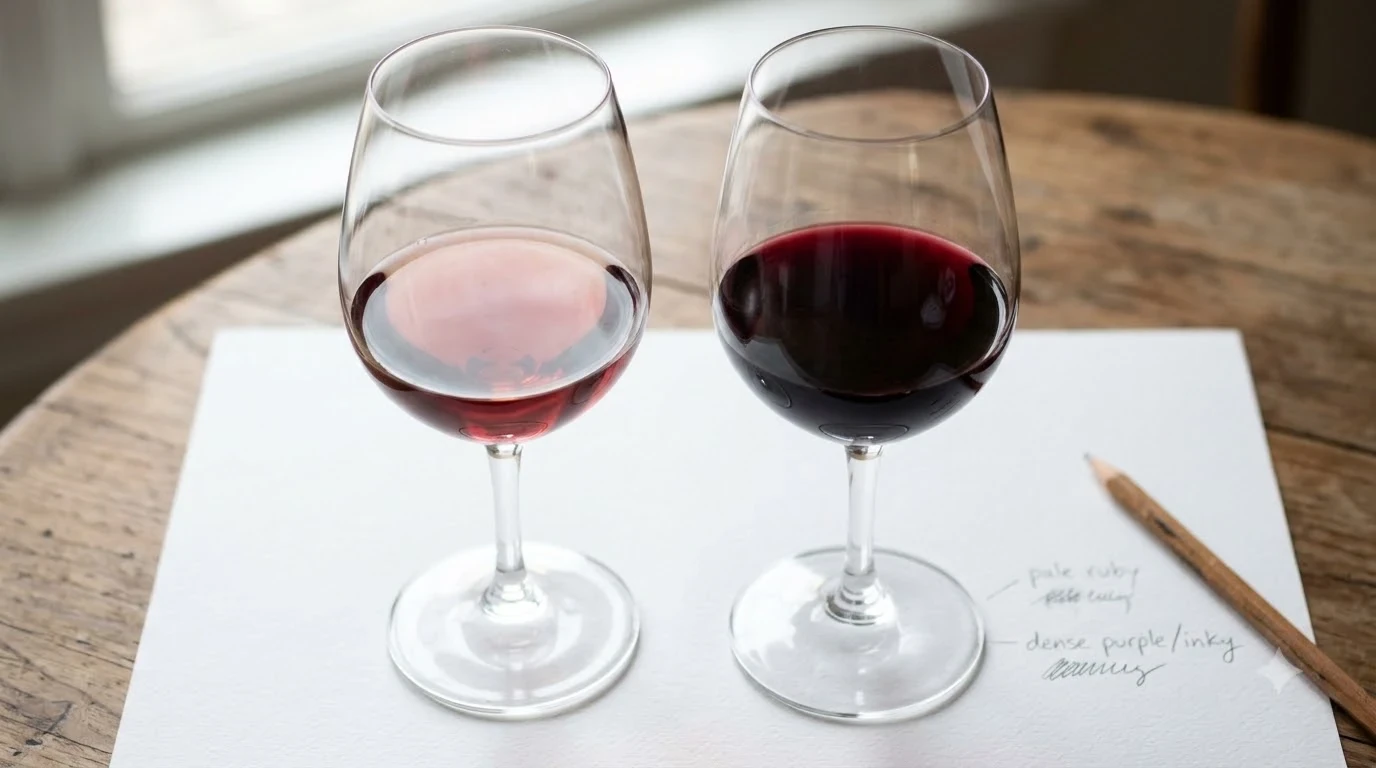
Across Germany’s southwest, baden wineries are best known for Pinot Noir, a wide range of Burgundy-family grapes, and distinctive regional whites. The region stretches about 400 kilometers from the Tauber Valley to Lake Constance, so its vineyards encompass different climates and soils. Start with Kaiserstuhl and Ortenau for Pinot Noir, then explore Markgräflerland for Gutedel and the northern districts for Riesling and other whites.
Baden is one of Germany’s most varied wine destinations, not a single style built around one famous grape. Its producers range from internationally recognized VDP member estates to family wineries, village producers, and large cooperatives. Understanding the districts, grapes, and origin terms makes it easier to choose bottles and plan tastings that match your interests.
Baden’s Location, Climate, and Wine Identity
Baden is Germany’s long southwestern wine region, running beside the Rhine and the Black Forest from the Tauber Valley in the north toward the Swiss border and Lake Constance in the south. Its roughly 400-kilometer span, warm Upper Rhine Plain, and varied slopes explain why wines from two Baden villages can taste quite different.
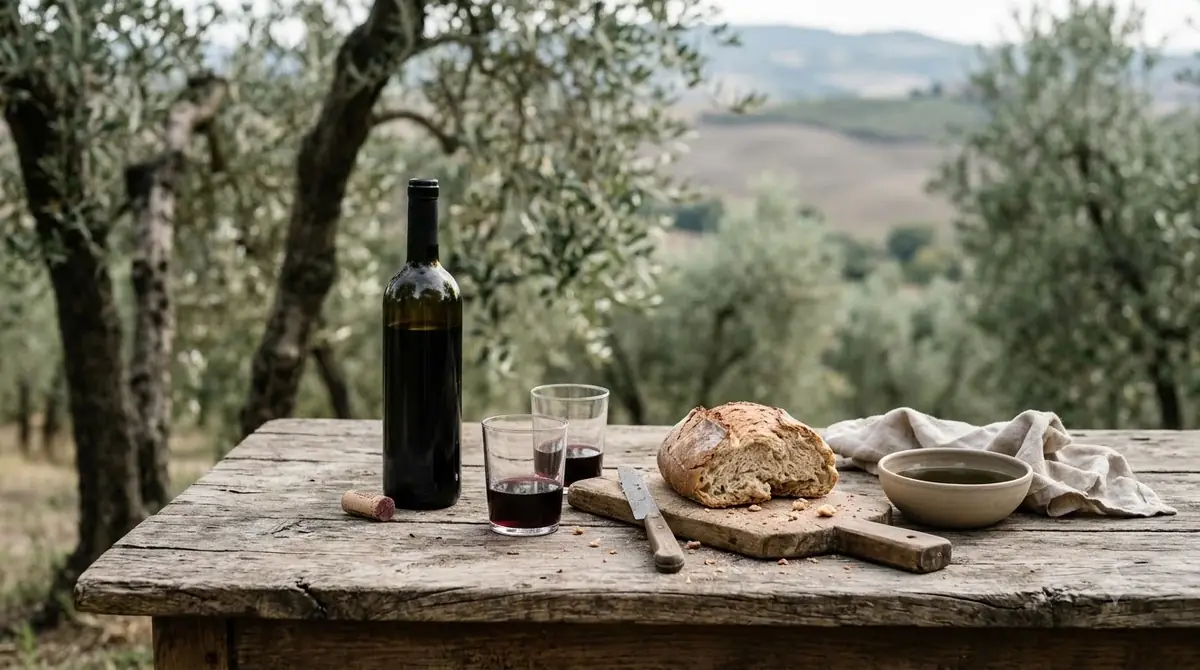
The Kaiserstuhl, an extinct volcanic massif near the Rhine, is among Germany’s warmest wine-growing areas. Volcanic rock, loess, and limestone help create a distinctive setting for Pinot Noir and the white Burgundy grapes. The VDP describes southern Baden as hot and dry in summer, while northern locations are more moderate; average annual temperatures differ by more than 1.5 degrees between north and south.
Soils also change across the region: limestone, volcanic rock, gneiss, granite, gypsum keuper, and windblown loess all appear. The VDP reports about 145 sunshine hours per month in southern Baden and 138 in the north. Annual precipitation ranges from 600 to 800 millimeters around the Kaiserstuhl to as much as 1,400 millimeters at higher-elevation Ortenau sites, giving growers very different conditions for matching varieties to vineyards.
| Regional fact | Figure | Why it matters |
|---|---|---|
| Vineyard area | 15,142 hectares | Germany’s third-largest wine-growing region |
| North–south length | About 400 km | Large variation in climate and soils |
| Wine districts | 9 | Distinct local grape and style patterns |
| Cooperative production share | About 85% | Cooperatives are central to the wine economy |
The German Wine Institute reports 15,142 hectares of vines and describes Baden as Germany’s only wine-growing region assigned to EU Wine Zone B. That designation requires higher minimum grape-must weights than other German wine zones. Must weight measures the concentration of sugar in unfermented grape juice; it does not mean every finished Baden wine tastes sweet. The Wines of Germany profile of Baden gives a useful overview of the region’s scale and grape mix.
Nine Districts, from Tauberfranken to Lake Constance
Baden is divided into nine districts, and the most useful way to explore them is to follow the changing grape varieties from north to south. The north leans toward Riesling and Rivaner, the central districts balance Riesling with Pinot Noir, and southern Baden is especially strong in the Pinot family.
Tauberfranken, Badische Bergstraße, and Kraichgau form the northern group. Riesling, Rivaner (often called Müller-Thurgau), and Schwarzriesling, also known as Pinot Meunier, are important here. The Badische Bergstraße includes vineyard country around Heidelberg, while Tauberfranken reaches toward the Main. In the central district of Ortenau, Riesling and Spätburgunder are leading grapes, with the Black Forest foothills shaping rainfall and site conditions.
Farther south, the Breisgau, Kaiserstuhl, and Tuniberg are known for red and white Burgundy varieties. Kaiserstuhl is the obvious starting point for tasters interested in Pinot grapes from one of Germany’s warmest wine areas. The Markgräflerland, close to Switzerland, is the home of Gutedel; around Lake Constance, Pinot Noir and Müller-Thurgau are prominent. A trip that includes Ortenau and Kaiserstuhl provides a useful contrast, while a detour to Markgräflerland introduces a white-wine specialty less familiar to many American drinkers.
For a contrast with another European wine destination, compare Baden with Puglia wineries and their southern Italian grapes, or explore Wachau wineries for Austria’s Alpine-influenced whites.
Grapes and Wine Styles to Seek Out
Pinot varieties define Baden, but the region is not a one-grape destination. The German Wine Institute reports that Pinot-family grapes occupy about 61 percent of the vineyard area, with Pinot Noir and Pinot Blanc leading Germany by planted area.
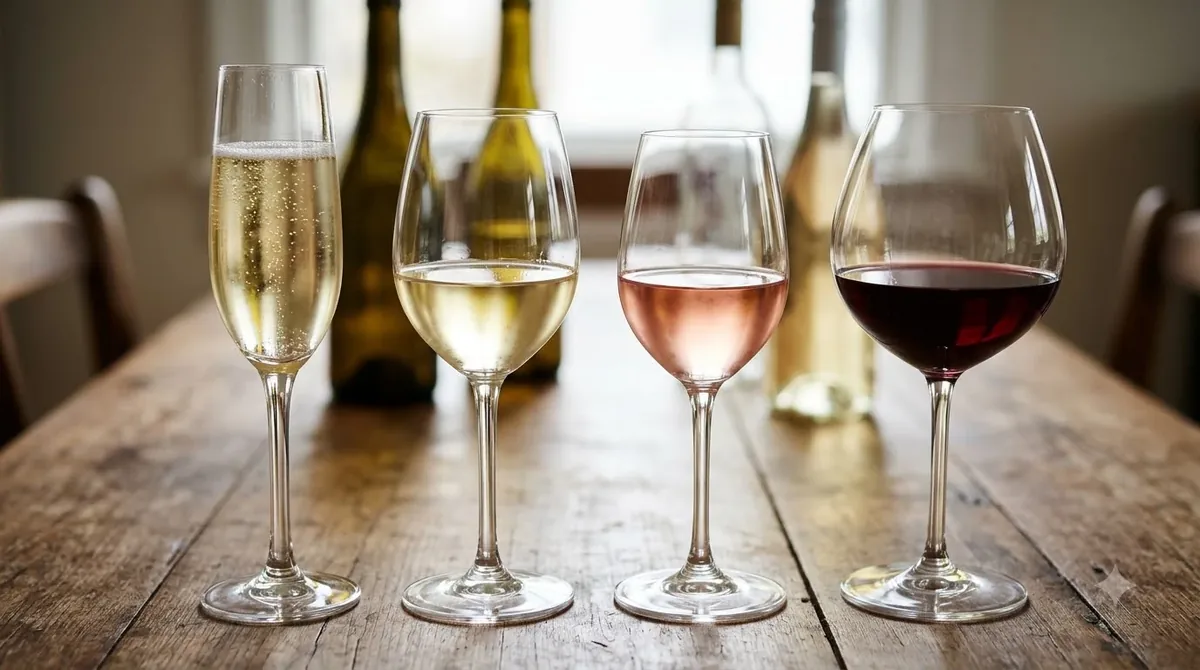
Spätburgunder is the key red grape. Lighter examples often show red cherry, raspberry, fresh acidity, and restrained tannin; more concentrated or oak-aged bottlings can be firmer and more structured. Warm sites can produce ripe fruit and a broader texture, while cooler or higher sites may emphasize freshness. For a first comparison, taste a village-level Pinot beside a single-vineyard bottling from the same producer to see how a more specific site changes the wine.
Grauburgunder (Pinot Gris) and Weißburgunder (Pinot Blanc) are two of the region’s major whites. Pinot Gris can range from crisp and quietly aromatic to richer and more textured, depending on ripeness and cellar choices. Pinot Blanc is often a useful choice for drinkers who want a dry white with gentle orchard-fruit character and moderate acidity. Chardonnay is also made in Baden, including site-focused examples, and adds another point of comparison for fans of white Burgundy.
Riesling is especially important in Ortenau and Kraichgau, where some estates devote a large share of production to it. Its naturally high acidity helps retain freshness even when fruit is ripe. Gutedel from Markgräflerland is usually subtler and lighter in body; Müller-Thurgau and Silvaner add further variety. Souvignier Gris, bred in Freiburg, is another notable local planting. A first mixed tasting might include Pinot Blanc, Riesling, Pinot Gris, and Pinot Noir.
Baden Wineries to Know and Where They Are
A useful shortlist combines estates with clear regional identities rather than treating one producer as representative of all Baden. VDP.Baden lists member estates across the region, while the German Wine Institute’s winery directory also points visitors toward smaller producers and cooperative tasting locations.
In Vogtsburg-Oberbergen in the Kaiserstuhl, Franz Keller is a strong starting point for tasters interested in Burgundy varieties. Its VDP profile lists Grauburgunder, Spätburgunder, Weißburgunder, and Chardonnay among its main grapes, notes volcanic geology, and lists tastings, guided tours, a restaurant, accommodation, and a wine tavern. Dr. Heger, in nearby Ihringen, is another key name: its volcanic-site portfolio is led by Spätburgunder and Grauburgunder, and the estate highlights the Ihringer Winklerberg vineyard and a predominantly dry house style.
For a different village and soil profile, look to Bernhard Huber in Malterdingen, in the Breisgau. The VDP lists Spätburgunder as its dominant variety and describes its focus as Burgundian grapes grown on shell limestone; its Malterdinger Spätburgunder is a useful introduction. Other VDP Baden names include Bercher in Vogtsburg-Burkheim, Salwey in Oberrotweil, Stigler in Ihringen, Wöhrle in Lahr, and Andreas Laible in Durbach.
Do not overlook cooperatives: Wines of Germany reports that roughly 100 of them produce and market about 85 percent of Baden’s wine. The cellars at Breisach are among Europe’s largest, and cooperative bottlings can be an accessible introduction to everyday Pinot Gris, Pinot Blanc, and Pinot Noir.
How to Read Baden Labels and VDP Classifications
On a Baden bottle, the grape name tells you what is in the glass, while the village and vineyard name can tell you where it came from. For bottles from VDP member estates, the four-level VDP classification offers another guide to origin, moving from estate-wide wines toward individual, highly regarded vineyard sites.
At the broadest level, VDP.Gutswein is the estate’s regional entry category and is made from the estate’s own vineyards. VDP.Ortswein narrows the origin to a village or municipality and draws on selected local vineyards. VDP.Erste Lage identifies a first-class, defined site, while VDP.Grosse Lage is the top vineyard category in the association’s system. The principle is straightforward: the narrower the origin, the higher the classification.
A dry wine from a VDP.Grosse Lage is called a Grosses Gewächs and carries the GG designation. A fruity-sweet wine from that site instead uses a traditional predicate such as Kabinett, Spätlese, or Auslese. Grosse Lage describes the vineyard’s standing, while GG identifies its dry wine. The VDP system is a private association classification, not compulsory German wine law, and not every respected Baden producer is a member. The VDP’s Baden regional overview lists member estates and describes local climate and soils.
Tip: For a first purchase, compare a VDP.Ortswein with a VDP.Grosse Lage or GG from the same estate. Keeping the producer and grape similar makes it easier to notice what the more specific vineyard origin contributes.
Planning a Winery Visit in Baden
Baden rewards a focused itinerary because its wine country is long and the districts are not clustered into one compact valley. Choose one base for the day, arrange appointments in that area, and leave time for the drive between vineyards rather than trying to cover all nine districts at once.
The Badische Weinstraße, or Baden Wine Route, links wine villages over roughly 160 kilometers of signposted routes. It can be driven in sections, with smaller roads leading to Durbach, Oberkirch, Ihringen, Oberbergen, and Müllheim. Freiburg is a useful public-transport base, but not every estate is within walking distance of a train station.
For a first Pinot-focused visit, concentrate on Kaiserstuhl villages such as Ihringen, Oberbergen, Oberrotweil, and Burkheim, where you can compare estates such as Dr. Heger, Franz Keller, Stigler, Salwey, or Bercher. For Riesling, consider the Ortenau around Durbach; for Gutedel, head toward Müllheim and the Markgräflerland.
Contact wineries before arriving. Ask whether reservations are required, which languages are available, whether a fee applies, and whether cellar tours are offered. A winery may sell wine without operating a public tasting room, and harvest or bottling work can affect availability. Plan two or three stops with lunch between them; non-tasters can enjoy Freiburg, the Black Forest, historic towns, or Lake Constance. For a different white-wine profile, compare Baden with the crisp coastal styles of Txakoli wineries.
Buying, Serving, and Pairing Baden Wines
Buy Baden wine by matching the grape and district to the style you want, then use the producer and vineyard details to narrow the choice. Pinot Noir is the natural starting point for red-wine drinkers, while Riesling, Pinot Blanc, and Gutedel give white-wine drinkers several distinct options.
Serve Baden Spätburgunder slightly cool, around 55 to 60 degrees Fahrenheit for lighter-bodied examples; a more concentrated red can be served closer to 60 to 65 degrees. Pinot Blanc and Gutedel generally show well at 45 to 50 degrees, while fuller Pinot Gris or Chardonnay can be served nearer 50 to 55 degrees. Chilling a wine briefly is easier than trying to cool it after it has warmed in the glass.
For food, Pinot Noir works with roast chicken, duck, mushrooms, pork, and grilled salmon when it is not heavily tannic. Pinot Gris suits roast pork and creamy poultry, while Pinot Blanc pairs well with white fish, chicken, fresh cheeses, and herbs. High-acid Riesling is flexible with citrus- or vinegar-led dishes; match the wine’s sweetness to the dish. Gutedel is often better with lighter meals, salads, mild cheeses, and freshwater fish than with heavily spiced food.
For home storage, keep unopened bottles away from heat and direct light, ideally on their sides near 55 degrees Fahrenheit if they have natural corks. Refrigerate opened still wine and aim to finish it within three to five days. A structured young red may benefit from 30 to 60 minutes of decanting if it seems tight. For broader context, browse the site’s Wine Regions resource to compare Baden with Germany’s other growing areas.
Frequently Asked Questions
Is Baden the same place as Baden-Baden?
No. Baden is the larger historic region and wine-growing area in southwestern Germany, while Baden-Baden is a spa city within that broader region. The city is a useful travel stop, but it is not a separate Baden wine district.
What does Spätlese mean on a Baden wine label?
Spätlese means “late harvest” and indicates that the grapes were picked later than those used for a basic quality wine. The term refers to grape ripeness at harvest, so it does not by itself guarantee a particular level of sweetness in every German wine category.
Can Baden Pinot Noir age in the bottle?
Yes, well-made Spätburgunder from strong producers and recognized sites can develop for years, gaining savory, earthy, and dried-fruit notes as it matures. Cellaring potential depends on the wine’s structure, vintage, closure, and storage conditions, so not every light, early-drinking Pinot is intended for long aging.
What is Gutedel called outside Baden?
Gutedel is the German name for the grape known internationally as Chasselas. It is also widely associated with Switzerland, where it is especially familiar in the Valais under the name Fendant.
What does the VDP eagle on a bottle capsule mean?
The eagle identifies a wine from a member estate of the Verband Deutscher Prädikatsweingüter. It is the association’s own mark, not a government quality seal required on every bottle from Baden.
Baden is worth exploring for more than its Pinot Noir: its nine districts, varied soils, and strong cooperative network create a broader picture of German wine than a single bottle can show. Start with one area and a few contrasting grapes, then let the village and vineyard names guide your next choices.
More in Wine Regions
 Willcox Wine Trail: Discover Arizona’s High-Elevation Wine CountryUpdated Nov 20, 2026
 Yakima Valley Wine Region: Find the Best Styles to TryUpdated Nov 20, 2026
 Vosne Romanee Wine Tasting: Identify Aromas and Choose Better PairingsUpdated Nov 20, 2026
 Yakima Valley Wine Festival: Find the Best Seasonal Wine EventsUpdated Nov 20, 2026
 Wales Vineyards: Discover Cool-Climate Wines and Where to VisitUpdated Nov 20, 2026
 Yountville Wine Festival: Discover Napa Wines and Local FoodUpdated Nov 20, 2026