

We may earn a commission when you buy through links on this page, at no extra cost to you. Learn more.
A set of baccarat champagne flutes is best suited to formal toasts and collectors who prize French crystal, sculptural detail, and a classic sparkling-wine presentation. Baccarat’s lineup includes Harcourt 1841, Masséna, Dom Pérignon, Mille Nuits, and Château designs, with published capacities ranging from 4.06 to 7.10 ounces. Their strongest selling point is the combination of cut-crystal artistry and occasion-ready styling; the main compromise is that a narrow flute does not show every Champagne’s aromas as openly as a tulip-shaped glass. Because the five collections are not interchangeable, choose by the way you plan to serve sparkling wine rather than by the Baccarat name alone; bowl proportions, decorative cuts, and visual weight vary noticeably.
Baccarat Champagne flutes sit at the intersection of wine service and formal tableware. This review compares the principal models, weighs their practical strengths, and considers when a wider glass suits Champagne better.
Specs and Key Features
Baccarat’s flutes are made in France from crystal, but their capacities and silhouettes are not uniform: the smallest model in this comparison is 4.06 ounces, while the Château flute is listed at 7.10 ounces. All five models below are sold as pairs, making the design and the intended serving style more useful points of comparison than the brand name alone.
| Model | Published capacity | Set and material | Design details |
|---|---|---|---|
| Harcourt 1841 Flutes | 4.06 fl oz | Set of 2; crystal; made in France | Flat-cut bowl sides, beveled stem, hexagonal foot |
| Masséna Flutes | 5.41 fl oz | Set of 2; crystal; made in France | Deep orgue bevel cuts rise from the foot toward the narrow bowl |
| Dom Pérignon Flutes | 5.07 fl oz | Set of 2; crystal; made in France | Clean, sleek silhouette in clear crystal |
| Mille Nuits Flutes | 6.09 fl oz | Set of 2; crystal; made in France | Elongated bowl, diamond-cut stem, patterned base |
| Château Baccarat Flutes | 7.10 fl oz | Set of 2; crystal; made in France | Wide, tall bowl with a V-cut base and tapered lip |
The Harcourt 1841 is the most architectural choice. Baccarat describes its flat-cut bowl sides as echoing the beveled stem and hexagonal foot, so the design reads as a complete geometric object rather than a plain narrow tube. The 4.06-ounce capacity is the smallest in this group, a point worth considering if you prefer a more generous pour or want one glass to accommodate a longer tasting. Its visual language is especially suited to a traditional, formal table.
Masséna and Mille Nuits make their decoration part of the drinking experience. Masséna puts deep orgue-style bevels around the lower part of the glass, creating a textured, faceted base beneath a relatively simple upper bowl. Mille Nuits uses an elongated bowl and a diamond-cut crystal element that functions as its stem, with fine stripes that catch and redirect light along the bowl and base. Both bring more surface detail than the cleaner Dom Pérignon design.
Château Baccarat is the broadest and most contemporary option in this group. It has a wide, tall bowl, a V-cut base, and a tapered lip; those details distinguish it from the straighter, more traditional flutes. Dom Pérignon, by contrast, is deliberately restrained, with a clear, sleek outline and a 5.07-ounce capacity. The 4.06-ounce and 7.10-ounce vessels offer noticeably different proportions.
What Owners Like
The appeal is strongest for people who want their Champagne glasses to look considered before the wine is poured. Baccarat combines recognizable cut patterns, shaped stems, and carefully finished feet, while the five examples above range from Harcourt’s crisp geometry to the more expressive Mille Nuits and Masséna designs.
Harcourt 1841 is the natural choice for someone who likes an established pattern that can carry across a table setting. Its hexagonal foot and faceted bowl give it a strong identity, and the same collection includes other glassware and coupe forms. That makes it easier to build a coordinated cabinet rather than buying one isolated Champagne glass. The Harcourt look also works with classic table linens, polished silver, and simple white plates because its details are already prominent.
For a more decorative table, Masséna and Mille Nuits have the advantage. Their cut surfaces create changing reflections as the glass turns, and each collection includes other forms of barware or tableware that can help a host create a consistent setting. Mille Nuits has an especially distinctive transition from bowl to stem: the diamond-cut connector and thick patterned base make the glass recognizable even when it is empty. Masséna is more grounded visually, with dense beveling low on the bowl and a cleaner upper section.
Château Baccarat is appealing to drinkers who prefer a bowl that looks more generous than a narrow, straight-sided flute. The V-cut base and tapered rim create a contemporary outline, while the larger published capacity gives the glass more space than Harcourt 1841. The Dom Pérignon flute is a quieter alternative for people who want crystal and an elegant stem without a highly ornamental cut pattern. Baccarat also presents its pieces in a red gift box with a white ribbon and a gift bag, making the unboxing part of the formal-gift appeal. The buyer’s experience depends heavily on the individual collection: a 4.06-ounce geometric Harcourt is not the same use case as a 7.10-ounce Château, and a decorative pair is most rewarding when its shape suits the way the recipient likes to serve sparkling wine.
Common Complaints
The most meaningful trade-offs are practical rather than cosmetic. A Champagne flute naturally puts the bubbles on display, but its narrow bowl and opening give complex sparkling wine less room to release and gather aromas than a tulip-shaped glass or a white-wine glass. That limitation applies to the flute shape generally, not only to Baccarat, and the level of detail in the cut crystal does not change the way the bowl directs aromas.
The difference matters most with a mature vintage Champagne or a bottle chosen for layers of brioche, citrus, stone fruit, and autolytic character. A flute can make the bead of bubbles easy to watch and keep the presentation classic, yet it is less accommodating for swirling and nosing. In its discussion of Champagne glass shapes, Wine Enthusiast describes the flute as visually effective for bubbles while highlighting the aromatic advantage of a broader white-wine or tulip-style glass. The WSET also reports lower aroma-intensity scores for a traditional flute in one comparative study, while cautioning that this was a single study and that more work would be needed.
Care is another point to take seriously. Baccarat’s US care guidance recommends washing crystal by hand with warm water or mild soap to avoid potential damage, so these are not the right glasses for a household that expects every wine glass to go through a routine dishwasher cycle. Delicate stems and decorative cuts call for careful handling at the sink and in storage: keep the glasses apart so rims and stems do not knock together, and avoid twisting the bowl against the stem while drying. Capacity can feel restrictive too, especially with Harcourt 1841 at 4.06 ounces. That figure describes the full vessel rather than a suggested pour, but the model is plainly designed around smaller, measured servings than a large universal wine glass. Anyone looking for one glass for Champagne, still white wine, and red wine may find the dedicated flute too specialized.
Tip: After serving sparkling wine at 40–50°F, rinse each flute promptly with warm water and wash it by hand with mild soap. Support the bowl while cleaning, hold the stem gently rather than gripping it tightly, and dry with a lint-free cloth without twisting the stem.
Who Should Buy and Who Should Skip
Baccarat Champagne flutes make the most sense for hosts and collectors who value crystal workmanship, formal presentation, and a recognizable design more than all-purpose versatility. The range covers five distinct looks and published capacities from 4.06 to 7.10 ounces, so there is room to select a compact traditional flute or a wider, more generous design.
Choose Harcourt 1841 if you want a strong geometric pattern and a connection to a long-running Baccarat collection. Choose Masséna if you like intricate beveling concentrated around the foot and lower bowl. Mille Nuits suits a more decorative setting, with its diamond-cut stem and striped surfaces. Château Baccarat is the clearest pick for shoppers who want a wider bowl and a contemporary profile, while Dom Pérignon is the restrained option for a sleek, uncomplicated silhouette.
These glasses are also worth considering as a wedding, anniversary, or housewarming gift when the recipient already enjoys formal entertaining. A pair is a more manageable starting point than committing to a full service, and Baccarat’s presentation box gives the gift a polished finish. Before buying, consider whether the recipient has room to store stemware safely and is comfortable hand-washing crystal. A gift that looks impressive but is awkward to clean or store may spend more time in a cabinet than on the table.
Skip the Baccarat flute route if your main goal is the most expressive tasting glass for high-end Champagne. A tulip-shaped white wine glass gives the wine more space for aromas and is easier to use for swirling; a universal wine glass is also a better single-glass solution for a mixed collection of wines. Skip it as well if dishwasher convenience, frequent casual use, or resistance to accidental knocks matters more than appearance. For a broader shortlist of champagne flutes, compare everyday options before committing to a decorative crystal set.
How It Compares to Alternatives
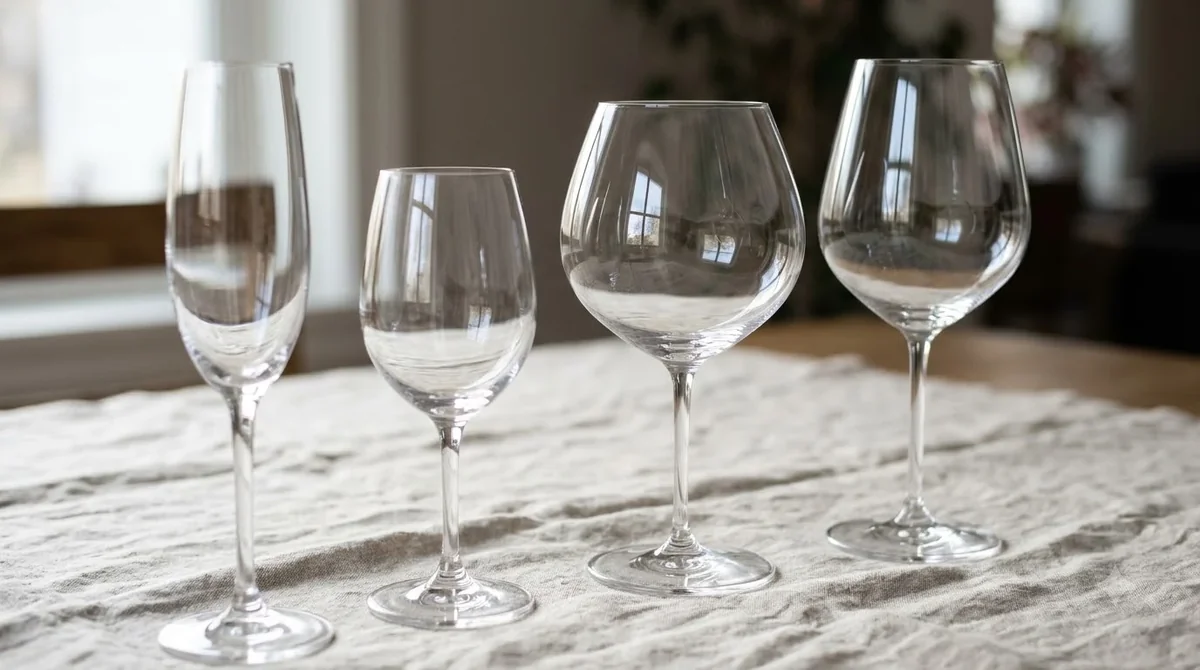
Baccarat is strongest as a design-led choice; it is not automatically the best glass for every style of sparkling wine. Traditional flutes emphasize a rising stream of bubbles and a formal silhouette, while tulip glasses balance bubble presentation with more room for aroma. Coupes prioritize a wide, celebratory shape, but their open bowls let bubbles dissipate more quickly.
For aroma-first Champagne service, a tulip-shaped glass or a well-proportioned white-wine glass is the more flexible alternative. Wine Enthusiast quotes wine professionals who prefer these broader shapes when they want to smell and assess a Champagne, and its examples include Zalto universal glasses, Glasvin, and Riedel white-wine glasses. The WSET’s comparative glass study also found that aroma intensity from a flute was significantly lower than from the other shapes tested; it is useful evidence, but not a universal verdict, because the organization itself notes the limits of a single study. Its Champagne glass research is a helpful counterweight to the assumption that the narrowest glass is always the most suitable.
A coupe is a different alternative. Its wide, shallow bowl gives a drink a broad surface and a vintage party look, making it attractive for Champagne cocktails or a quick celebratory toast. It is less effective at holding onto a lively bead over time, so a flute is usually the better choice when bubble display matters. The tulip is the compromise for someone who wants to examine the wine as well as enjoy the bubbles. Baccarat also sells coupe forms in collections such as Harcourt and Masséna, so a buyer who loves the crystal pattern but prefers a broad bowl can stay within the brand without choosing a flute.
Compared with utilitarian glassware, Baccarat’s advantage is crystal material, cut detailing, and coordinated collection design. A plain tulip glass may be easier to use for a tasting, and a less ornate flute may be simpler to wash and store, but neither offers the same decorative presence as the faceted Harcourt foot or sculptural Mille Nuits stem. The useful decision rule is to separate the role of the glass from the role of the wine: use a tulip or universal bowl for close evaluation, and choose Baccarat when the glass itself is part of the occasion. Shoppers building a broader set can compare best champagne glass options and more versatile wine glasses before choosing. For Baccarat-specific details, the Harcourt 1841 Flutes product page describes the flat-cut bowl, beveled stem, and hexagonal foot as parts of one design, and confirms the pair format and stated capacity. The Glassware Brands directory adds context for comparing crystal makers rather than only choosing a Champagne shape.
Frequently Asked Questions
These answers cover details that are easy to miss when several Baccarat collections appear together. The range includes a 4.06-ounce Harcourt flute and a 7.10-ounce Château model, but the collection names also carry separate histories and design references.
Does the Harcourt 1841 flute itself date to 1841?
The Harcourt glass design dates to 1841, but Baccarat lists the current Harcourt 1841 Flutes model as created in 2017. The collection name refers to the older design heritage, not the manufacturing date of this particular flute model.
Who designed the Mille Nuits collection?
Baccarat credits the Mille Nuits design to Mathias. The name refers to the 1001 Tales of the Arabian Nights, and the wider collection extends beyond stemware to items such as plates, decanters, chandeliers, and candelabras.
What does the Château Baccarat tastevin inspiration mean?
A tastevin is a traditional wine-tasting cup used by sommeliers. Baccarat borrows its silhouette for the Château flute, using the reference to signal a broader, tasting-oriented bowl rather than a straight-sided toast glass.
Are colored Baccarat Champagne flutes available?
Yes; Baccarat lists the Harcourt Eve flute in both clear and red crystal. Color availability is specific to a design, so a shade offered for one collection should not be assumed to exist across the whole flute range.
Is the Dom Pérignon flute made by the Champagne producer?
No; it is a Baccarat crystal flute named in honor of Dom Pérignon, the French monk associated with advances in wine quality and production in Champagne. Baccarat lists the flute as clear crystal made in France, so the name is a historical reference rather than a statement that the glass is a bottle of Champagne.
Baccarat Champagne flutes are best bought for their design, crystal presence, and role in formal celebrations, with the Château model offering the most generous published capacity and Harcourt 1841 the most compact architectural profile. For regular Champagne tasting, keep a tulip-shaped glass in the cupboard as well; the two shapes serve different purposes, and a thoughtful collection can make room for both.
More in Wine Glasses
 Zwiesel Glas Champagne Flutes for Durable Everyday Sparkling WineUpdated Nov 20, 2026
 Vera Wang Crystal Wine Glasses: Design, Quality and Buying AdviceUpdated Nov 20, 2026
 West Elm White Wine Glasses: Compare Designs for Better Everyday Wine ServiceUpdated Nov 20, 2026
 Zalto Stemless Wine Glasses: Discover Their Distinctive DesignsUpdated Nov 20, 2026
 Viski Champagne Glasses That Match Your Style and Sparkling WineUpdated Nov 20, 2026
 Vista Alegre Decanter Review: Crystal Style and Wine ServiceUpdated Nov 20, 2026