

We may earn a commission when you buy through links on this page, at no extra cost to you. Learn more.
This austin hope cabernet review finds that Austin Hope Cabernet Sauvignon is a rich, full-bodied Paso Robles red suited to drinkers who enjoy ripe dark fruit, polished tannins, warming oak, and a generous finish. Made primarily around Cabernet Sauvignon, the wine combines concentrated blackberry and cherry flavors with notes of mocha, vanilla, cedar, and baking spices. Its relatively substantial alcohol, smooth texture, and noticeable acidity make it a natural choice for grilled meats, hearty dinners, and special occasions. The standard Cabernet is the best starting point for understanding the producer’s style, while the Reserve bottling offers a more oak-focused alternative.
Austin Hope has become one of the recognizable names associated with modern Paso Robles Cabernet Sauvignon. The wine is built around the warm-climate character of California’s Central Coast, but its freshness and polished tannins help prevent its ripe fruit profile from feeling entirely heavy. Understanding the producer, vintage differences, winemaking choices, and serving requirements makes it easier to decide whether this Cabernet matches your preferences. This guide covers the important details before you choose a bottle, plan a dinner, or add it to your wine collection.
Who This Austin Hope Cabernet Review Is For
Austin Hope Cabernet Sauvignon is particularly appealing to drinkers who prefer generous California reds with substantial body, ripe fruit, and noticeable oak influence. Its Paso Robles origins and modern winemaking style make it a useful choice for Cabernet fans who enjoy an approachable alternative to more restrained Bordeaux-inspired wines.
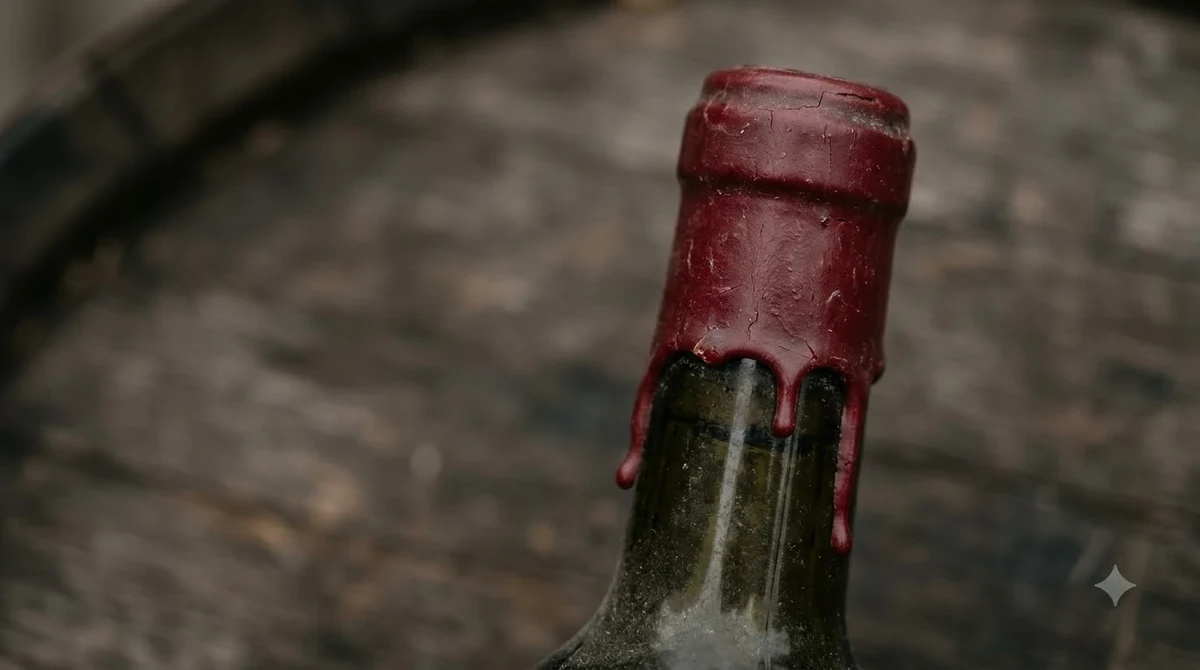
The wine is a strong candidate for people who enjoy blackberry, black currant, ripe cherry, mocha, vanilla, and baking-spice flavors. The producer’s 2023 technical information describes a dark ruby wine with aromas of black currant, ripe cherry, blackberry, violet, mocha, and dried spices. Its palate adds ollalieberry, cedar, clove, nutmeg, and vanilla bean. These details suggest a layered red that emphasizes ripe fruit while retaining enough acidity and tannin to give the wine structure.
It is also worth considering for Cabernet drinkers who find some traditional examples too austere when young. The polished tannins and full-bodied texture provide a relatively accessible drinking experience, particularly alongside grilled beef or rich meals. However, drinkers who prefer lighter reds, lower alcohol, or restrained oak may find the style too powerful. Pinot Noir, for example, generally has lower-to-medium tannin and a brighter, lighter profile.
People shopping for a gift should also consider the recipient’s usual preferences. Someone who enjoys California Cabernet, grilled steak, and concentrated dark-fruit flavors is more likely to appreciate Austin Hope than someone who normally chooses delicate reds or crisp white wines. The familiar Cabernet Sauvignon designation also makes the bottle relatively easy to understand for a wine enthusiast who has not encountered the producer before.
The wine can serve different purposes depending on the occasion. It works as a dinner companion, a bottle for a holiday gathering, or an introduction to Paso Robles Cabernet. A casual drinker can appreciate its ripe fruit and smooth texture, while a more experienced enthusiast can examine the influence of vineyard sourcing, barrel maturation, and vintage conditions.
For readers exploring the producer beyond this particular bottle, the Austin Hope wine overview provides a useful starting point. Understanding the broader label helps distinguish the regular Cabernet from the producer’s more specialized bottlings.
Key Factors to Compare Before Buying
The most important buying considerations are vintage, alcohol level, vineyard sourcing, oak treatment, and the balance between fruit and structure. These factors explain why two bottles carrying the same Austin Hope Cabernet Sauvignon name may not be identical in their details or drinking experience.
| Factor | Documented detail | What it means for buyers |
|---|---|---|
| Origin | Paso Robles, California | Expect ripe fruit and a substantial California Cabernet style. |
| 2023 alcohol | 15% ABV | A relatively powerful wine that benefits from moderate serving temperature. |
| 2024 alcohol | 14.5% ABV | A different vintage with a slightly lower stated alcohol level. |
| 2023 fermentation | 10–14 days | Selected vineyard lots were fermented separately in stainless steel. |
| 2023 initial barrel aging | 15 months | Individual lots matured separately before blending. |
| 2023 additional blend aging | 2 months | The assembled wine received further French oak maturation. |
| 2023 sourcing | 6 of 11 districts | The blend draws on several parts of the Paso Robles AVA. |
| Typical serving pour | 5 ounces | A standard 750 ml bottle provides approximately 5 glasses. |
Vintage and alcohol level
Vintage is one of the first details to examine. The producer’s 2023 technical information lists 15% alcohol by volume, while Wine.com lists the 2024 bottling at 14.5%. Both figures indicate a relatively substantial red wine, but the difference is a reminder that alcohol levels can vary between vintages.
Alcohol contributes to the wine’s overall impression of warmth and body. A 15% Cabernet may feel broader and more warming than a lighter red with lower alcohol, especially if served too close to room temperature in a warm dining room. That does not mean alcohol alone determines quality. Acidity, tannin, fruit concentration, and oak integration all influence how balanced the wine feels.
Vineyard sourcing
Hope Family Wines describes sourcing for the 2023 Cabernet from six of the eleven districts within the Paso Robles AVA. Geneseo, Paso Robles Highlands, and Estrella are identified as the principal contributors. These districts provide different vineyard conditions and elevations, giving the winemaking team several sources from which to assemble the final wine.
The technical information identifies Geneseo sites at approximately 1,100 to 1,300 feet, Paso Robles Highlands sites at 1,600 to 1,700 feet, and Estrella sites at 900 to 1,100 feet. These are meaningful differences in vineyard elevation. The producer also describes variations in soil, drainage, and landscape between these districts. Such diversity provides a broader selection of fruit characteristics than relying on a single vineyard location.
Oak maturation and structure
Oak is an important part of the Austin Hope Cabernet identity. According to the producer’s 2023 technical information, individual lots spent 15 months aging in French oak, followed by another two months after the initial blend was assembled. The separate lots were aged in a combination of previously used barrels before the final blend received additional maturation.
Oak can contribute aromas and flavors associated with vanilla, baking spices, toast, and cedar. It also influences texture and the way tannins develop during maturation. For buyers who enjoy a rich, rounded Cabernet, this approach is worth understanding. People who prefer minimal oak influence may find the wine more generous and pronounced than they prefer.
For a closer look at the expected aroma and flavor profile, see the dedicated Austin Hope Cabernet tasting notes discussion.
Step-by-Step: How to Choose and Evaluate a Bottle
A good buying decision begins with the intended occasion and ends with a comparison of the bottle’s vintage, specifications, and expected flavor profile. Following a few simple steps makes it easier to select the right expression and prepare it properly.
-
Decide what kind of Cabernet you enjoy.
Start by considering whether you prefer ripe, fruit-forward reds or more restrained wines with firmer tannins and savory characteristics. Austin Hope generally suits the first preference, with its dark berries, cherry, mocha, vanilla, and full-bodied texture. If you usually drink light Pinot Noir or fresh Beaujolais, this Cabernet will be a considerable step up in body and intensity.
-
Identify the vintage.
Look at the year displayed on the bottle rather than assuming all releases have identical specifications. The producer’s 2023 technical information gives an alcohol level of 15%, while Wine.com lists 14.5% for the 2024 bottling. Vintage conditions also influence grape development and the final wine’s balance.
-
Compare the standard and Reserve expressions.
The standard Cabernet is the appropriate starting point for someone discovering the label. The Reserve Cabernet is a separate, more limited expression made through special barrel selection and extended maturation in 100% new French oak. Consider whether you want the familiar flagship style or a more oak-driven presentation.
-
Think about the meal.
Plan the food before opening the wine. Cabernet Sauvignon generally works particularly well with beef, lamb, roasted vegetables, and dishes with substantial savory flavors. A grilled ribeye, slow-cooked short ribs, or mushroom-topped steak can complement its dark-fruit and spice profile.
-
Prepare the serving environment.
Choose a suitable red wine glass and allow enough time for the bottle to reach approximately 60 to 65 degrees Fahrenheit. If the bottle has been stored in a warm room, a short period in a cooler environment can help. A wine served too warm may seem more alcoholic and less balanced.
-
Evaluate the wine in stages.
Begin with the aroma, then consider the fruit, acidity, tannin, body, and finish. Look for black currant, blackberry, cherry, mocha, cedar, vanilla, and spice. Notice whether the tannins feel polished or drying and whether acidity keeps the concentrated fruit from becoming tiring.
-
Decide whether additional aeration helps.
Pour a small amount into a glass and allow it to breathe. If the aromas seem closed or the tannins feel particularly firm, consider decanting a young full-bodied bottle for approximately 30 to 60 minutes. There is no need to decant automatically if the wine already smells expressive and tastes balanced.
This sequence helps separate the wine’s intrinsic character from factors such as temperature, food, and aeration. It also makes comparisons between different vintages more meaningful. When evaluating two bottles, try to serve them at similar temperatures and alongside the same food so that the differences are easier to recognize.
Tip: For the clearest impression of Austin Hope Cabernet, begin with a serving temperature of approximately 62 degrees Fahrenheit. Taste it before decanting, then revisit the glass after 20 to 30 minutes. This makes it easier to decide whether additional aeration improves the fruit expression and tannin texture.
Types and Styles Explained
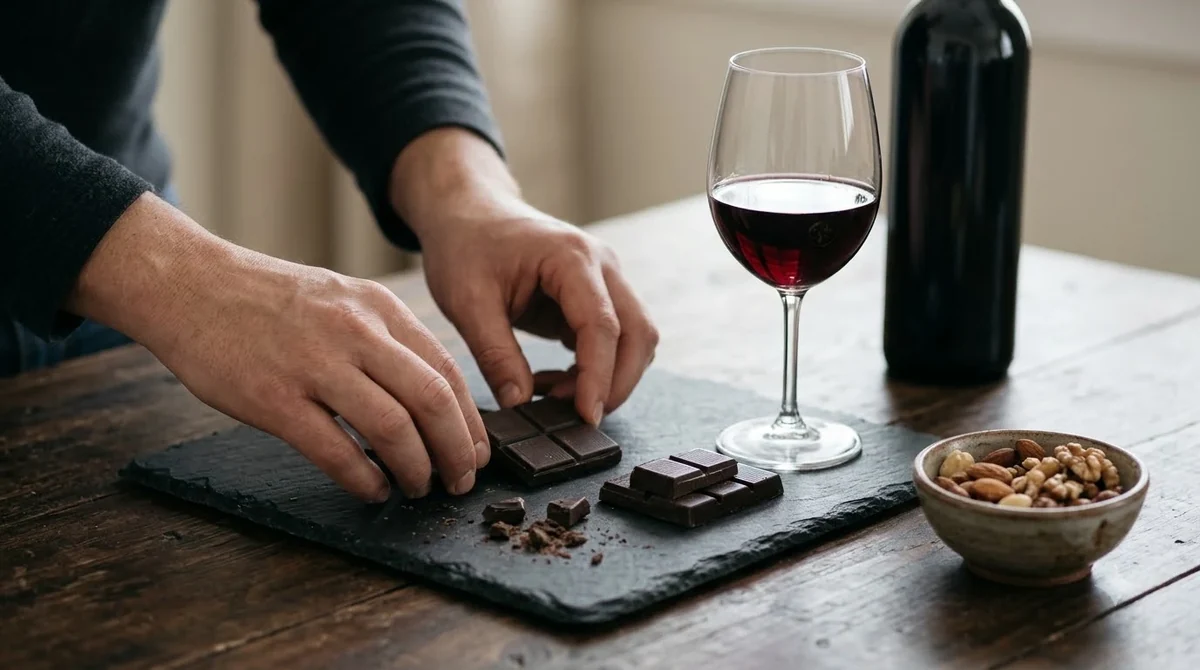
Austin Hope offers more than one Cabernet expression, so understanding the differences helps buyers choose a bottle that matches their expectations. The standard Cabernet emphasizes the producer’s interpretation of Paso Robles, while the Reserve bottling represents a more selective barrel program.
Standard Austin Hope Cabernet Sauvignon
The standard Cabernet is the central expression of the label and the most logical introduction to the producer. Hope Family Wines describes it as a quintessential Paso Robles Cabernet Sauvignon, intended to showcase the character and diversity of the region. The producer’s Austin Hope wine overview provides additional information about the label and its Cabernet range.
The 2023 producer tasting notes emphasize black currant, ripe cherry, blackberry, violet, mocha, dried spices, ollalieberry, cedar, clove, nutmeg, and vanilla bean. These flavors create a profile that combines dark fruit with sweet-smelling spice and savory oak characteristics. Its full body and polished tannins make it suitable for substantial meals.
The wine’s acidity is especially important. Rich California Cabernet can sometimes seem heavy when served warm or paired with food that lacks freshness. The producer specifically describes the 2023 wine as balanced by fresh acidity, which helps preserve definition through its long finish.
Austin Hope Reserve Cabernet Sauvignon
The Reserve Cabernet is a more specialized expression made from selected barrels. According to Hope Family Wines, Austin Hope and the winemaking team select barrels for this bottling before returning the chosen wine to 100% new French oak for extended aging.
This oak program distinguishes the Reserve from the standard Cabernet. New French oak can contribute more pronounced vanilla, toast, baking spice, and cedar characteristics, while extended maturation provides additional time for the wine to develop its structure. Buyers who particularly enjoy oak-influenced Cabernet may find the Reserve interesting.
However, more oak does not automatically mean a better match for every drinker. Someone who values the standard Cabernet’s balance of dark fruit, freshness, and polished tannins may prefer the regular bottling. The Reserve is better understood as a different stylistic choice rather than a mandatory upgrade.
Understanding vintage differences
Even within the standard Cabernet range, vintage conditions influence the resulting wine. The producer describes the 2023 growing season as cooler and wetter than recent years, with substantial rainfall, slower berry development, and a later harvest. Warmer and more consistent autumn conditions helped the grapes reach maturity.
These conditions are useful context for understanding the vintage. They help explain why a particular harvest might produce a different balance of fruit, acidity, and tannin from another year. They should not be treated as a guarantee that one vintage is better than another.
For an accurate comparison, consider the technical information and tasting notes for the specific bottle rather than applying the same specifications to every release. The 2023 and 2024 alcohol figures alone demonstrate why vintage-specific details matter.
How Paso Robles influences the style
Paso Robles is an important part of the wine’s identity. Hope Family Wines describes the region as having warm, dry conditions, with evening cooling influenced by breezes from the Pacific Ocean. The producer also emphasizes the range of soils, vineyard sites, and growing conditions throughout the appellation.
This regional setting helps explain the ripe fruit character associated with Austin Hope Cabernet. At the same time, the producer’s use of grapes from different districts gives the winemaking team several components to work with. Rather than relying on one vineyard’s character, the blend can incorporate fruit from different elevations and soil conditions.
The result is a Cabernet that places regional identity and generous fruit at the center of its style. Buyers who enjoy approachable, modern California reds are likely to find this approach familiar, while drinkers accustomed to more restrained European Cabernet may notice a difference in richness and oak expression.
Common Mistakes When Buying and Drinking Austin Hope
The most common mistakes involve treating every vintage as identical, serving the wine too warm, expecting a light-bodied red, or pairing it with food that does not suit its tannin and alcohol levels. Avoiding these problems can make a substantial difference to the drinking experience.
Assuming every vintage has the same alcohol level
Alcohol information should be checked for the particular vintage being purchased. The documented 2023 wine is listed at 15% ABV, whereas the 2024 product listing at Wine.com gives 14.5%. Although the difference is relatively small, it illustrates why one vintage’s specifications should not be transferred to another.
Alcohol is only one part of the wine’s balance. A wine with higher alcohol can still have freshness and structure if acidity, fruit concentration, and tannins work together. However, the warmth can become more noticeable if the bottle is served too close to typical room temperature in a warm climate.
Expecting Cabernet Sauvignon to taste like a light red
Cabernet Sauvignon is naturally associated with relatively high tannin, substantial structure, and dark-fruit flavors. Austin Hope follows that general pattern, although the producer describes its tannins as polished and integrated. People looking for a delicate red with very little grip should consider a different grape variety.
Merlot is generally softer and has medium tannin, while Pinot Noir usually has lower-to-medium tannin and higher acidity. Syrah can also be full-bodied and powerful, but its peppery and savory character creates a different flavor experience. Understanding these distinctions helps prevent disappointment.
Serving the wine too warm
Many people serve red wine at ordinary room temperature without considering the actual temperature of the room. In a warm dining space, this can make a powerful Cabernet feel overly alcoholic and heavy. A serving range of 60 to 65 degrees Fahrenheit is a better starting point for full-bodied reds.
If the wine has been kept in a warm kitchen, give it a short cooling period before pouring. The aim is not to make it cold but to preserve its freshness and prevent the alcohol from dominating the aroma. Very cold temperatures can also suppress the wine’s fruit expression.
Pairing it with unsuitable food
Austin Hope Cabernet is better suited to savory dishes with sufficient flavor and texture than to delicate seafood or very spicy meals. Tannic red wine can clash with oily fish, while chili heat can become more pronounced alongside alcohol and tannin. Delicate white fish, mild salads, and lightly seasoned vegetables may not provide enough substance to balance this Cabernet.
Salt and fat, on the other hand, can soften the perception of tannin. A well-marbled steak, lamb shoulder, or slow-cooked beef can make the wine feel more harmonious. Dishes with concentrated savory flavors are particularly useful because they can stand alongside the wine’s dark fruit and oak.
Assuming a rich wine must be sweet
Ripe fruit and vanilla aromas can create an impression of sweetness even when a wine is technically dry. Austin Hope Cabernet is presented as a dry red, and its fruit-forward style should not be confused with residual sugar or dessert wine.
This distinction matters when choosing food. A dry Cabernet is not necessarily a suitable match for a very sweet dessert. Wine should generally be at least as sweet as the dessert served with it, or the wine may taste sour, bitter, or less fruity by comparison.
Care, Serving, and Storage Tips
Proper storage and serving conditions help preserve Austin Hope Cabernet’s fruit, structure, and oak characteristics. Temperature, light exposure, bottle position, and opening time are the most important considerations for maintaining a good drinking experience.
Store the bottle correctly
Keep unopened wine in a cool, dark environment with a relatively stable temperature. Approximately 55 degrees Fahrenheit is a useful storage target for bottles intended for longer-term keeping. Avoid locations close to ovens, radiators, sunny windows, or other sources of heat.
If the bottle has a natural cork, storing it on its side helps maintain contact between the wine and the cork. This reduces the risk of the cork drying out during extended storage. Minimize vibration and large temperature fluctuations, particularly if the wine is being kept for several years.
For a bottle intended to be opened soon, a suitable wine cabinet or consistently cool storage location is preferable to an ordinary kitchen cupboard. Warm storage can accelerate wine development and potentially damage its fruit and balance.
Choose the right serving temperature
Full-bodied red wines generally show best at approximately 60 to 65 degrees Fahrenheit. Austin Hope Cabernet fits this range because its substantial body, ripe fruit, and relatively high alcohol benefit from moderate cooling.
Avoid serving it directly from a hot room. If the bottle feels warm, place it in a cooler area briefly before opening. Allowing the wine to warm gradually in the glass is generally easier than trying to correct a wine that has become too warm during service.
Use suitable glassware
A large-bowled red wine glass provides room for swirling and helps release aromas. This is particularly useful for a Cabernet with several layers of fruit, oak, and spice. The bowl also provides sufficient space to enjoy a standard 5-ounce pour without filling the glass too high.
Clean glassware is important because residual detergent, food aromas, or water spots can interfere with the wine’s aromatic expression. A clear glass also makes it easier to observe the wine’s dark ruby appearance.
Decant when useful
Young, full-bodied red wines can benefit from approximately 30 to 60 minutes of decanting. This allows additional contact with oxygen and may help the aromas become more expressive while softening the initial impression of firm tannins.
However, decanting is not a strict requirement for every bottle. Start by pouring a small amount and evaluating the aroma and texture. If the wine already seems open, balanced, and expressive, additional aeration may provide little benefit.
For a dinner with several courses, consider opening the bottle before guests arrive. This provides time to assess its development and adjust the serving approach. A decanter is also useful for removing sediment from an older bottle, although careful pouring is important when handling mature wine.
Preserve opened wine
After serving, close the bottle securely and store it in the refrigerator. Even full-bodied red wine benefits from refrigeration after opening because cooler temperatures slow oxidation. Before serving another glass, allow the wine a little time to return toward its preferred drinking temperature.
As a general guideline, opened still wines usually remain enjoyable for approximately three to five days when properly resealed and refrigerated. The exact period depends on the wine’s condition, exposure to oxygen, and storage environment. If the aromas become noticeably flat or the flavor turns unpleasantly oxidized, the wine has passed its best drinking condition.
For a dinner party, consider using smaller pours rather than leaving the bottle open for long periods. A standard 750 ml bottle provides approximately five 5-ounce servings, making it easy to estimate how many bottles are needed for a gathering.
Frequently Asked Questions
Is Austin Hope Cabernet Sauvignon vegan?
The producer’s published 2023 technical information identifies the grape variety, vineyard sourcing, fermentation, and barrel program but does not establish a vegan certification. Winemaking clarification and fining practices can vary, so a vegan certification or direct confirmation from the winery is needed before making that determination. The absence of an ingredient declaration alone does not establish that a wine is vegan.
Does Austin Hope Cabernet Sauvignon contain sulfites?
Wine naturally contains sulfites as a result of fermentation, and winemakers may also use sulfur dioxide during production to help protect wine from oxidation and unwanted microbial activity. Bottles containing at least 10 parts per million of sulfites must carry the applicable sulfite declaration in the United States. The exact sulfite concentration of a particular Austin Hope vintage should not be assumed without producer information.
What is the difference between an AVA and a vineyard district?
An American Viticultural Area is a federally recognized grape-growing region with defined geographic boundaries and distinguishing characteristics. Paso Robles is an AVA containing smaller districts with different growing conditions. The producer’s 2023 sourcing information identifies six districts within the broader Paso Robles appellation, illustrating how one wine can draw fruit from several distinct areas.
What does ollalieberry taste like?
Ollalieberry is a dark berry associated with a combination of blackberry and raspberry-like fruit characteristics. It can suggest juicy, slightly tart berry flavors rather than the simple sweetness associated with confectionery. Its appearance in the producer’s 2023 tasting description helps explain the layered berry character of the Cabernet.
Can Austin Hope Cabernet Sauvignon be used in cooking?
Yes, a dry Cabernet can be used in dishes such as beef stew, red-wine braised short ribs, and pan sauces. Its dark fruit and oak characteristics can contribute depth to a reduction, although concentrated wine flavors become more pronounced as liquid evaporates. A simpler dry red is usually sufficient for everyday cooking, so reserving a special bottle for the table may make more sense.
Austin Hope Cabernet Sauvignon is a compelling option for drinkers who appreciate full-bodied Paso Robles reds with concentrated dark fruit, polished tannins, and generous oak character. Its vintage-specific details, multi-district sourcing, and distinction between standard and Reserve bottlings make it worthwhile to compare the particular bottle before buying. Serve it at approximately 60 to 65 degrees Fahrenheit, pair it with substantial savory food, and allow the wine enough time to express its character.
More in Wine Brands
 Louis Latour Wine Price: Compare Bottles by Style and TierUpdated Nov 20, 2026
 Yellow Tail Moscato Price: What to Expect Before You BuyUpdated Nov 20, 2026
 Sutter Home Sweet Red Review: Find the Right Food PairingsUpdated Nov 20, 2026
 Franzia Chillable Red Review: Find the Right Serving StyleUpdated Nov 20, 2026
 Veuve Clicquot Rose Review: Flavor, Food Pairings and Buying AdviceUpdated Nov 20, 2026
 Rombauer Wine Price: Compare Bottles Before You BuyUpdated Nov 20, 2026