

We may earn a commission when you buy through links on this page, at no extra cost to you. Learn more.
Arkansas wine ranges from dry reds made from hybrid grapes to off-dry whites and sweet, fruity styles built on native American varieties. If you are buying a bottle labeled Arkansas, the first thing to check is sweetness, because the state’s grapes often produce wines that taste less dry than a typical California red or a French white. Knowing that before you open the bottle makes it easier to choose the right glass, temperature and food.
This guide is for shoppers and drinkers rather than vineyard visitors. It explains the main styles you will find on Arkansas shelves, how sweetness and acidity change the experience, how to serve each style, and what to order with dinner. For the geography and grape background, see our guide to Arkansas vineyards.
The Main Styles You Will Find
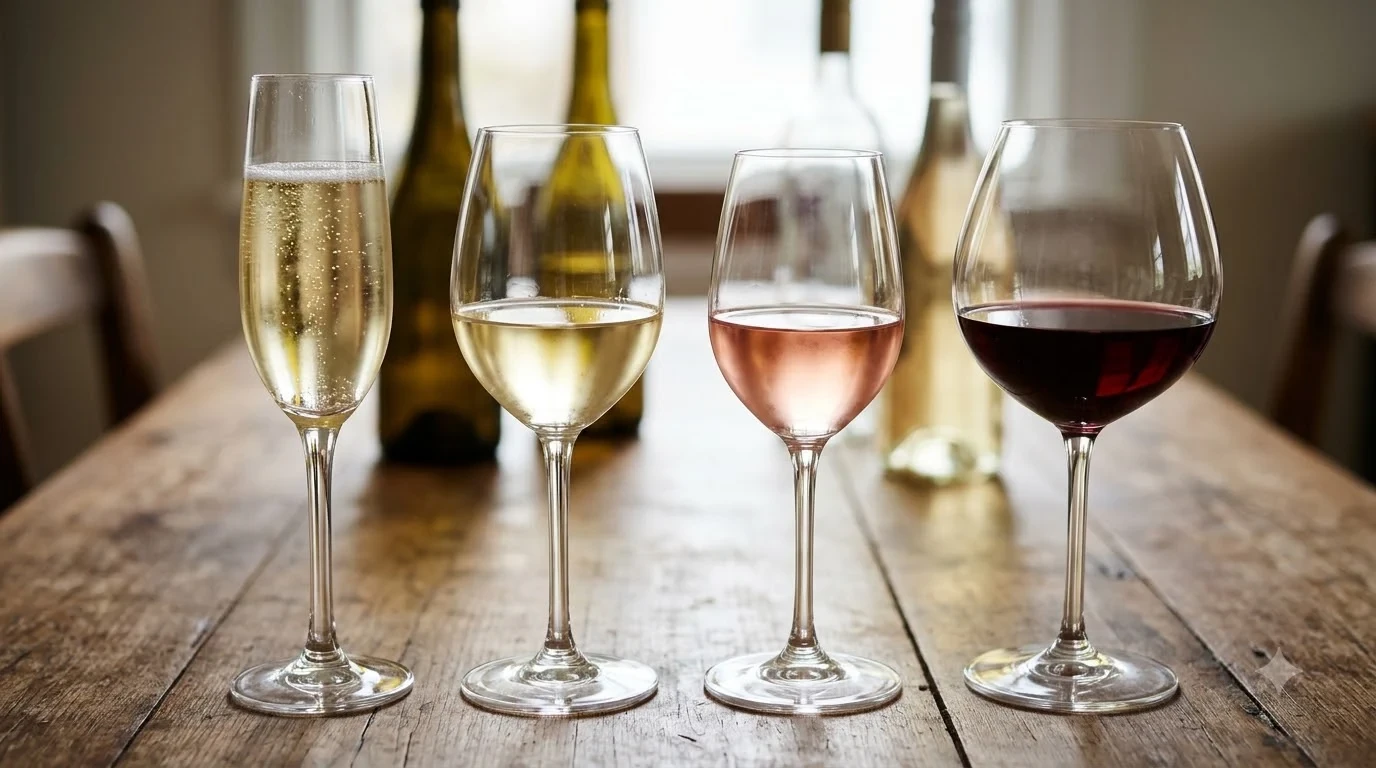
Arkansas wines tend to fall into a few broad families. Dry reds made from hybrid grapes tend to be the most savory and earthy. Off-dry whites and rosés are often the easiest entry point for new drinkers, because the fruit comes forward and the wine feels soft on the palate. Sweeter fruit wines and blends make up a large share of the category, and they can be a pleasant surprise if you expect something dry.
The state’s wine history explains part of this variety. Grape choices were shaped by the humid climate and by hardy vines that handle disease pressure well. Many producers also work with native and hybrid grapes that produce distinctive aromas, so the wines do not always match the flavor map of Europe or California.
Sweetness: Reading the Label Before You Buy
Sweetness is the biggest source of confusion for buyers. A bottle described as “off-dry” has noticeable residual sugar, while “dry” means the sugar has been fermented out. Many Arkansas whites and rosés fall somewhere in the off-dry range, and some fruit-forward reds have a rounder, sweeter edge than European reds.
Look for these clues on the label and in the tasting notes. Words such as “semi-sweet,” “sweet” or “off-dry” point to residual sugar. Words such as “dry” or “brut” mean the wine finishes crisp. Producer descriptions that talk about ripe fruit, jam or a plush texture often signal a sweeter style. If a note is missing, ask the staff or the retailer, because a few sentences of guidance will save you from a bottle you do not enjoy.
Acidity works alongside sweetness. A wine with good acidity will taste lively even when it is sweet, while a sweet wine with low acidity can feel heavy. That balance is one of the main things to notice when you taste a new bottle.
| Style | How it tastes | Good with |
|---|---|---|
| Dry red from a hybrid grape | Savory, dark fruit, black pepper, medium acidity | Grilled sausage, smoked meat, mushrooms |
| Off-dry white | Soft fruit, floral notes, lively acidity | Spicy takeout, salads, mild cheeses |
| Catawba-style rosé or white | Strawberry, grape candy, off-dry sweetness | Burgers, barbecue, pizza |
| Sweet fruit wine or blend | Ripe fruit, rounder texture, sugary finish | Fruit desserts, sweet barbecue sauce, cheese plates |
Serving Each Style at the Right Temperature
Temperature changes how sweet and how aromatic a wine seems. Cold serving tames sweetness and lifts the fruit, while a slightly warmer serve brings out more depth in reds. For a Catawba-style wine, Wine Folly’s Catawba grape profile recommends serving it very cold, in the range of 38 to 45 degrees Fahrenheit, and notes that it is off-dry with medium-high acidity and no tannins.
Dry reds from hybrid grapes are better a little cooler than room temperature, in the range of 60 to 68 degrees Fahrenheit. A standard universal wine glass works for most styles, though a larger bowl helps a red show its aromas. You rarely need to decant a fruit-forward Arkansas red, although a bigger, more structured bottle may benefit from about 30 minutes of air.
Keep whites and rosés chilled in the fridge rather than the freezer. A bottle that sits in ice for too long can lose aroma, while one that is too warm can taste flat and syrupy. If you are hosting, set a few bottles in a bucket of cold water about 20 minutes before guests arrive, and keep a second bottle in the fridge so the glass stays cold through the meal.
Food Pairing Ideas That Work
Arkansas wines are often at their best with bold, casual food. Off-dry whites and rosés are excellent with spicy dishes, because a touch of sweetness calms heat and balances salt. Barbecue, fried chicken, burgers and pizza all suit a chilled sweeter style.
Dry reds made from hybrids pair well with grilled meats, smoked sausage, roasted vegetables and mushroom dishes. Their savory character follows the smoke and char of outdoor cooking. For dessert, a sweet fruit wine can stand in for a dessert wine and pairs well with pies, cobblers and sharp cheeses.
When in doubt, match intensity to intensity. A light white suits a light dish, while a bolder red needs something with fat or char to stand up to it.
How to Choose a Bottle
Start by deciding what you will eat. If the menu is heavy, go for a dry red with savory notes. If you are serving something spicy or sweet, pick an off-dry white or a fruit-forward rosé. Then check the label for sweetness, the grape name and the producer’s description.
Buy one bottle of each style you are curious about, rather than a case of one wine. Taste them over two or three evenings with simple food. That approach shows you quickly which style matches your palate and which ones you enjoy only in small glasses.
Price is not always a guide to sweetness or quality, so judge each bottle by its description and by your own notes. A modest bottle that suits your food can be a better buy than an expensive one that does not.
Finally, pay attention to storage. Heat is the main enemy of wine, so keep bottles away from direct sun and hot cars. Whites and rosés are best drunk within a year or two of release, while sturdier reds can handle more time in a cool, steady place.
Tip: If you enjoy the sweeter Arkansas style, try an Arizona wine next to it to compare how a very different climate changes the fruit. Our Arizona wine guide covers that side of the map, and the Wine Regions hub gives more background on how climate shapes flavor.
Frequently Asked Questions
Is Arkansas wine always sweet?
No. Many Arkansas wines are off-dry or sweet, but there are also dry reds and whites. Check the label or ask the retailer for the sweetness level before you buy.
What does off-dry mean on a wine label?
Off-dry means the wine has some residual sugar and tastes slightly sweet, but it is not as sweet as a dessert wine. It often tastes fruity and soft.
Should I chill Arkansas red wine?
Lightly, yes. Serve most dry hybrid reds a little below room temperature, around 60 to 68 degrees Fahrenheit, so the fruit stays bright and the wine does not taste heavy.
What food goes best with a sweet Arkansas wine?
Spicy dishes, barbecue, burgers and fruit desserts all suit a sweeter style. The sugar balances heat and salt, and the fruit flavors complement sweet sauces and pastries.
Arkansas wine is easy to enjoy once you know what to expect. Read the sweetness on the label, serve each style at the right temperature, and match it to the food on the table. A few bottles will tell you which styles belong in your regular rotation.
More in Wine Regions
 Willcox Wine Trail: Discover Arizona’s High-Elevation Wine CountryUpdated Nov 20, 2026
 Yakima Valley Wine Region: Find the Best Styles to TryUpdated Nov 20, 2026
 Vosne Romanee Wine Tasting: Identify Aromas and Choose Better PairingsUpdated Nov 20, 2026
 Yakima Valley Wine Festival: Find the Best Seasonal Wine EventsUpdated Nov 20, 2026
 Wales Vineyards: Discover Cool-Climate Wines and Where to VisitUpdated Nov 20, 2026
 Yountville Wine Festival: Discover Napa Wines and Local FoodUpdated Nov 20, 2026