

We may earn a commission when you buy through links on this page, at no extra cost to you. Learn more.
This apothic wine review finds that Apothic is a strong choice for drinkers who enjoy fruit-forward California wines, smooth textures, and approachable blends. Apothic Red is the natural starting point, combining Zinfandel, Merlot, Syrah, and Cabernet Sauvignon with dark fruit, vanilla, and mocha characteristics. The broader collection also includes darker red blends, grape-focused reds, white wine, Chardonnay, and rosé, making it possible to choose a bottle around your preferred flavor profile rather than buying the same style every time.
Apothic occupies a recognizable place in the American wine market: it emphasizes expressive fruit, accessible flavors, and blends designed for casual meals and relaxed evenings. However, the name covers several different wines, and their flavors are not interchangeable. Understanding the difference between Apothic Red, Apothic Dark, Apothic White, and the varietal bottlings helps shoppers find something they will actually enjoy. This guide examines the brand’s main styles, explains what to compare, and offers practical advice for serving and storing each type.
Who This Apothic Wine Review Is For
Apothic is particularly suitable for people who enjoy generous fruit flavors, approachable tannins, and recognizable tasting notes such as blackberry, cherry, vanilla, and chocolate. Its range also gives white wine and rosé drinkers alternatives to the familiar red blends.

Someone moving from everyday wines into more expressive California bottles may appreciate the brand’s straightforward flavor descriptions. Apothic Red combines four grape varieties, while its other blends and varietals offer different combinations of fruit, oak, and texture. That variety makes the collection useful for exploring wine preferences without immediately committing to a single grape or regional style.
It is also worth considering who might prefer another producer. Drinkers who prioritize delicate aromas, pronounced mineral character, restrained oak, or highly specific vineyard expressions may find Apothic’s fruit-forward approach less appealing. A person looking for a traditionally structured Cabernet Sauvignon, for example, may prefer a wine with more emphasis on grape character and tannin than on blended fruit and softness.
Apothic is best approached as a collection of accessible styles rather than a single flavor profile. The difference between a full-bodied red blend and a lighter Pinot Noir is substantial, even when both bottles carry the same brand name.
What kind of wine drinker will enjoy it?
- Red blend drinkers: Apothic Red and Apothic Dark offer different interpretations of dark-fruit-focused California blends.
- Newer wine drinkers: Familiar flavors such as cherry, blackberry, vanilla, and chocolate make the range relatively easy to understand.
- White wine drinkers: Apothic White and Apothic Chardonnay provide alternatives to red blends.
- Food-focused shoppers: The range includes options for tomato-based pasta, cheese, roasted poultry, and lighter meals.
- Traditional wine enthusiasts: Those who prefer restrained fruit, pronounced acidity, or complex regional character should compare Apothic with more traditional alternatives before choosing.
The main buying decision is whether the brand’s signature emphasis on accessible fruit and smoothness matches your preferences. A shopper who enjoys rich, familiar flavors may find several suitable choices, while someone seeking delicate, restrained wine should pay closer attention to the varietal bottlings.
Key Factors to Compare Before Buying Apothic
The most useful comparisons involve wine style, grape variety, flavor intensity, acidity, tannin, and alcohol content. Looking at these characteristics before purchasing is more reliable than choosing a bottle simply because its name or label looks familiar.
| Factor | What to look for | Why it matters |
|---|---|---|
| Wine category | Red blend, white blend, varietal, or rosé | Determines the general drinking style |
| Red grape varieties | Zinfandel, Merlot, Syrah, Cabernet Sauvignon, Pinot Noir | Influences fruit, tannin, and structure |
| Flavor profile | Blackberry, cherry, peach, vanilla, chocolate | Helps match the wine to personal preferences |
| Alcohol content | 13.5% ABV for the cited Apothic Red bottling | Provides a reference for comparing strength |
| Bottle size | 750 ml | Standard size for approximately five servings |
| Serving temperature | 55–60°F for lighter reds; 60–65°F for fuller reds | Influences aroma, texture, and perceived alcohol |
| Acidity | Compare the grape variety and wine style | Helps determine suitability for acidic foods |
| Food pairing | Tomato pasta, aged cheese, poultry, or desserts | Creates a more balanced meal |
Start by distinguishing a blend from a varietal. Apothic Red is a mixed-grape wine, so its character comes from combining several varieties rather than expressing only one grape. By contrast, Apothic Cabernet and Apothic Pinot Noir are presented as varietal wines, making them more straightforward choices for shoppers who already know which grape they prefer.
Alcohol content is another useful comparison. The Apothic Red producer information lists 13.5% ABV, while Wine Enthusiast also identifies 13.5% ABV for its reviewed 2024 California Red Blend. That provides a concrete reference point, although different wines in the portfolio should not automatically be assumed to have identical alcohol levels.
Flavor descriptions should also be interpreted carefully. Vanilla and caramel notes can suggest an impression of sweetness without establishing that the wine contains a high amount of residual sugar. Similarly, a wine described as smooth can still have noticeable tannin, acidity, or alcohol. These characteristics should be considered separately rather than treating smoothness as another word for sweet.
How grape varieties influence the experience
Each grape contributes something different to a red blend. Zinfandel is associated with ripe fruit and spice, Merlot generally provides softer tannins and a rounded texture, Syrah can contribute dark fruit and substantial structure, and Cabernet Sauvignon typically brings firmer tannins.
Pinot Noir offers another direction. It usually has lower-to-medium tannin and relatively high acidity, making it a useful choice for people who find full-bodied red blends too heavy. Comparing these characteristics gives shoppers a better understanding of why Apothic’s varietal bottles can feel different from its signature blends.
For a more detailed introduction to the range, the Wine Brands category provides a useful starting point for comparing producers and their different approaches to winemaking.
Step-by-Step: How to Choose an Apothic Bottle
A simple selection process makes the Apothic range easier to understand. Begin with the color and general style you enjoy, then narrow the choice according to fruit, body, food pairing, and serving occasion.
-
Decide between red, white, and rosé.
Choose a red blend if you prefer dark berries and richer flavors. Choose Apothic White for tropical fruit and peach characteristics, or Apothic Rosé for red berry, apple, and honey notes.
-
Decide whether you prefer blends or varietals.
Blends combine several grape varieties to create a particular house style. Varietal options such as Apothic Cabernet, Apothic Merlot, and Apothic Pinot Noir are better starting points if you already favor a specific grape.
-
Consider the intensity of the fruit.
Apothic Red is associated with blackberry and cherry, while Apothic Dark emphasizes dark fruit, chocolate, and coffee. If you prefer lighter red fruit, Apothic Pinot Noir offers raspberry and black cherry characteristics.
-
Think about the meal.
Tomato-based pasta and aged cheese are useful starting points for Apothic Red. Lighter poultry dishes can work better with Pinot Noir or Chardonnay, depending on preparation and seasoning.
-
Consider tannin and acidity.
Cabernet Sauvignon generally has higher tannin than Merlot or Pinot Noir. Sauvignon Blanc and Riesling are naturally high-acid varieties, while Chardonnay generally has medium acidity. These differences matter when matching wine with food.
-
Check the bottle size and alcohol content.
A standard 750 ml bottle provides approximately five servings when each glass contains 5 oz. Compare the stated ABV between wines rather than assuming every Apothic bottle has the same strength.
-
Plan the serving temperature.
Serve fuller reds around 60–65°F and lighter reds around 55–60°F. White wines generally benefit from cooler temperatures, with lighter styles around 45–50°F and fuller whites around 50–55°F.
This approach is more effective than selecting a wine based entirely on its name. A shopper who enjoys chocolate and coffee flavors may gravitate toward Apothic Dark, while someone who wants a versatile red for pasta may find Apothic Red a more practical starting point.
Tip: If you are uncertain which bottle to choose, start with the flavor descriptions rather than the grape name alone. A preference for blackberry, vanilla, and mocha points toward Apothic Red, while peach and tropical fruit suggest Apothic White. This simple distinction can eliminate several unsuitable options before you buy.
Apothic Wine Types and Styles Explained
Apothic divides its collection into blends and varietals, with each category offering a different route through the brand’s flavor range. Understanding the main bottles helps avoid confusing the signature red blend with the darker, sweeter-seeming, or lighter alternatives.
Apothic Red
Apothic Red is the collection’s signature starting point. The producer describes it as a California blend of Zinfandel, Merlot, Syrah, and Cabernet Sauvignon, with dark red fruit, vanilla, and mocha characteristics. Blackberry and cherry are prominent elements of the official flavor description.
The combination makes it a reasonable option for people who enjoy fruit-forward red wines without wanting to focus on the individual characteristics of a single grape. Zinfandel contributes ripe fruit and spice, Merlot provides a softer middle, Syrah adds darker fruit, and Cabernet Sauvignon helps provide structure.
Its flavor profile also explains its usefulness with casual meals. Tomato-based pasta and aged cheeses are suggested on the brand’s product information. For the producer’s own description of the blend, grape composition, and pairing suggestions, consult the official Apothic Red product page. The dedicated Apothic Red wine page is also a useful reference when comparing this blend with other bottles in the collection.
Apothic Dark
Apothic Dark takes the dark-fruit theme in a more pronounced direction. The official portfolio associates it with dark fruits, chocolate, and coffee, making it a natural consideration for shoppers who enjoy richer, more dessert-like flavor impressions.
Those descriptions should not be interpreted as proof that the wine is a dessert wine. Chocolate and coffee can describe aromatic or flavor impressions without establishing a particular sugar level. The distinction is important for shoppers who prefer dry wine but enjoy dark, rounded flavors.
For food, consider dishes with roasted flavors, mushrooms, or aged cheeses. The goal is to find ingredients with enough savory character to complement the wine rather than making the whole meal excessively sweet.
Apothic Inferno
Apothic Inferno is another option for drinkers who prefer a darker red profile. The producer highlights dark fruit, oak, and spice, suggesting a different flavor emphasis from the blackberry, cherry, and vanilla association of Apothic Red.
Oak-related flavors can bring impressions of toast, spice, and vanilla, while dark fruit creates a fuller flavor impression. This makes Inferno worth considering for someone who enjoys red wine with a more pronounced oak character.
Its style is best evaluated alongside food with roasted or grilled elements. Grilled vegetables, roasted meats, and dishes containing savory herbs can provide useful pairing opportunities.
Apothic Crush
Apothic Crush emphasizes black cherry, raspberry, and caramel. Its fruit descriptions suggest a more playful profile than the darker chocolate-and-coffee direction of Apothic Dark.
It may appeal to people who enjoy fruit-forward wine and prefer a less traditional presentation of red wine flavors. However, caramel-like flavor descriptions do not necessarily mean that a wine is particularly sweet.
When pairing this style, consider mildly seasoned dishes, soft cheeses, and foods that do not overwhelm its fruit character. A dish with moderate richness can provide a better match than heavily spiced food.
Apothic White and Rosé
Apothic White is the principal alternative for shoppers who prefer white wine. The official portfolio highlights tropical fruit, peach, and vanilla, offering a different experience from the dark berries associated with the red blends.
Apothic Rosé provides another alternative. Its flavor description includes red berries, red apple, and honey. Rosé can be especially useful for meals that combine lighter proteins, vegetables, and moderately rich sauces.
Both wines should be served cooler than a full-bodied red. A temperature around 45–50°F is a practical starting point for lighter white and rosé styles. Cooler serving temperatures can help preserve freshness, while excessive chilling may make aromas less noticeable.
Apothic’s varietal wines
The varietal collection offers another way to explore the brand. Rather than starting with a particular blend, shoppers can select a bottle according to a grape they already enjoy.
- Apothic Cabernet: Black cherry, dark plum, and vanilla.
- Apothic Merlot: Berries, chocolate, and toasted oak.
- Apothic Pinot Noir: Raspberry, black cherry, and caramel.
- Apothic Chardonnay: Apple, peach, and caramel.
These descriptions make the varietal range relatively easy to compare. Cabernet is the natural consideration for shoppers who prefer firmer red wine structure, Merlot is a softer alternative, and Pinot Noir provides a lighter, more acidic direction. Chardonnay is the obvious choice for someone who wants a grape-focused white wine rather than a red blend.
The dedicated Apothic wine overview can help readers explore the broader collection before narrowing the decision to a particular bottle.
Common Mistakes When Choosing Apothic Wine
The most common buying mistakes involve confusing flavor descriptions with sweetness, assuming every bottle tastes alike, and overlooking differences in body and acidity. These misunderstandings can lead to an otherwise suitable wine being paired with the wrong food or served at an unsuitable temperature.
Assuming smooth means sweet
Smoothness generally refers to the overall impression of texture and balance. A wine can have soft tannins and ripe fruit while still tasting dry. Similarly, vanilla, mocha, and caramel notes are not reliable indicators of residual sugar.
Sweetness and fruit intensity are different characteristics. A dry red wine can taste strongly of blackberries or cherries without containing enough residual sugar to qualify as a sweet wine. Someone who dislikes sweet wine should therefore avoid making a decision based solely on the presence of fruit or vanilla in the tasting description.
Assuming every red blend is identical
Apothic Red and Apothic Dark are both red blends, but their advertised flavor profiles differ. Red emphasizes blackberry, cherry, and vanilla, whereas Dark focuses on dark fruits, chocolate, and coffee.
Likewise, Apothic Crush has a different flavor direction from Inferno. Comparing these descriptions helps shoppers avoid treating the brand name as a guarantee of a single taste. A person who enjoys a lighter red fruit profile may not necessarily enjoy a more oak-focused bottle.
Ignoring tannin and food texture
Tannin can change how wine feels alongside food. Salt and fat soften the perception of tannin, which explains why a structured Cabernet Sauvignon can work with a fatty steak or aged cheese.
However, high-tannin reds are not always suitable for every meal. Oily fish can clash with tannic red wine, while spicy food can make alcohol and tannin feel more pronounced. For chili-heavy meals, a lower-alcohol, fruit-forward wine or a suitable white wine may be a more comfortable choice.
Serving red wine too warm
Room temperature is not automatically the correct temperature for red wine. A warm room can make alcohol seem more noticeable and reduce the freshness of the fruit character.
Full-bodied red wines generally benefit from a serving temperature of 60–65°F, while lighter reds are better around 55–60°F. A short period in the refrigerator can help bring an overly warm bottle closer to its preferred temperature.
Pairing wine with food that is too sweet
Sweet food can make a dry wine seem more acidic, bitter, or thin. A wine served with dessert should generally be at least as sweet as the dessert itself.
This matters when pairing fruit-forward red blends with chocolate desserts. Although chocolate and mocha notes may sound like an obvious match, the actual sweetness of the dessert can overpower a dry red wine. A less sugary dessert or a suitably sweet wine may create a more balanced combination.
Another mistake is selecting a bottle only for its reputation or familiarity. Even a recognizable brand may offer several distinct styles, and the best choice depends on the food, the occasion, and the drinker’s personal preferences.
Apothic Wine Care and Storage Tips
Proper serving and storage can make a meaningful difference to the experience of Apothic wines. Keep unopened bottles away from excessive heat and sunlight, serve each style at a suitable temperature, and refrigerate opened wine to slow its deterioration.
Storing unopened bottles
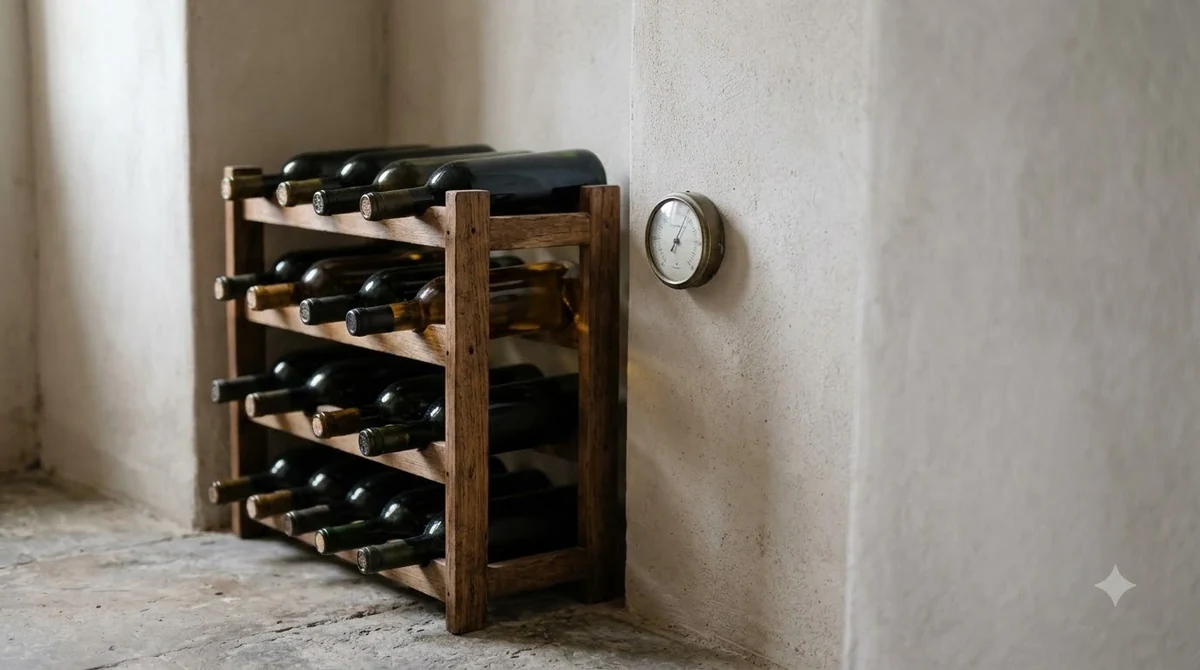
For longer storage, keep wine in a cool, dark location with a relatively stable temperature near 55°F. Avoid placing bottles beside ovens, radiators, or sunny windows, where temperature changes can damage wine quality.
Bottles sealed with traditional corks are generally stored on their sides to help keep the cork from drying out. This is particularly useful for wines intended to remain stored for extended periods. Bottles with screw caps do not require the same cork-moisture consideration, although a cool and stable environment remains important.
Most everyday Apothic bottles are more appropriate for ordinary drinking than extended cellaring. Unless a particular bottle is specifically intended for aging, there is little reason to keep it for years simply because it has not been opened.
Serving temperature by wine style
Temperature affects both aroma and texture. Serving a red wine too warm can make alcohol feel more prominent, while serving a white wine excessively cold can suppress its fruit and aromatic character.
- Apothic Red and other fuller reds: Approximately 60–65°F.
- Lighter red wines: Approximately 55–60°F.
- Apothic White and Chardonnay: Approximately 50–55°F for fuller white styles; lighter whites can be served around 45–50°F.
- Apothic Rosé: Approximately 45–50°F.
These are practical serving ranges rather than rigid requirements. If a bottle has become too warm, a short refrigerator rest can bring it into a more suitable range. If it is too cold, allow it to warm gradually in the glass.
Should Apothic Red be decanted?
Decanting is optional for most everyday red blends. Young, full-bodied reds can benefit from approximately 30–60 minutes of aeration, particularly when their tannins feel firm or their aromas seem restrained immediately after opening.
For an ordinary serving of Apothic Red, opening the bottle and allowing it to breathe in the glass may be sufficient. A decanter is more useful when serving a larger group or when deliberately allowing a young red wine more contact with air.
There is no need to decant every bottle automatically. The purpose is to improve the drinking experience, not to introduce an additional step regardless of whether the wine benefits.
Keeping opened wine fresh
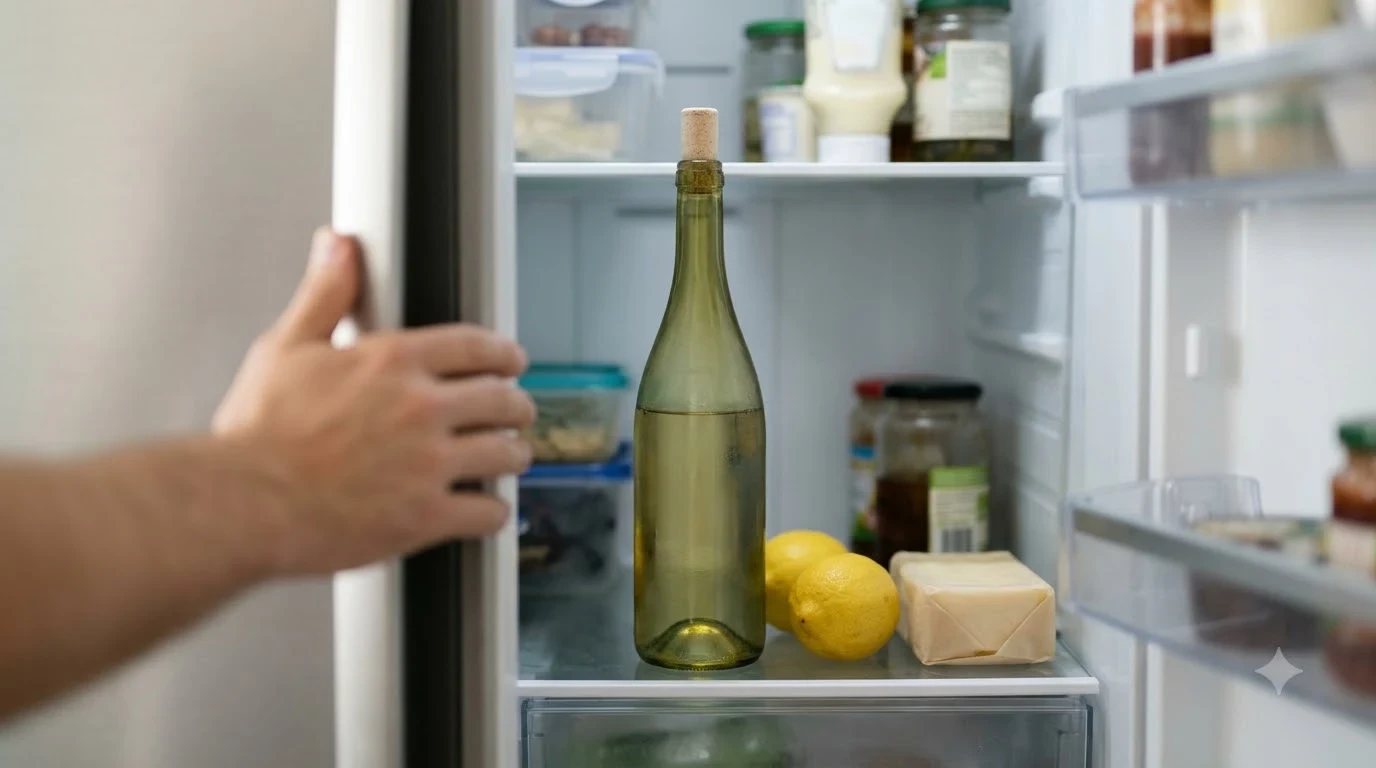
After opening, replace the closure securely and refrigerate the remaining wine. Cold storage slows oxidation, which gradually changes the wine’s aroma and flavor after exposure to air.
Typical storage expectations are approximately 3–5 days for opened still wines and 1–3 days for sparkling wines. These are general guidelines rather than guarantees. The wine’s condition, the amount of air remaining in the bottle, and the quality of the closure all influence how long it remains enjoyable.
For a bottle that is only partially consumed, transferring the remaining wine into a smaller, clean, airtight container can reduce air exposure. Bring red wine back toward its appropriate serving temperature before drinking again.
Frequently Asked Questions
Is Apothic Red considered a dry wine?
Apothic Red is generally presented as a dry-style red blend, although its ripe fruit and vanilla characteristics can create a sweeter impression. Its flavor profile should not be confused with a dessert wine. Residual sugar and perceived fruitiness are separate characteristics, so a fruit-forward wine can still taste dry.
Does Apothic use oak aging in its wines?
Oak-related flavor descriptions appear in several Apothic wines, including the vanilla and mocha notes associated with Red and the toasted-oak description for Merlot. These flavors can come from oak-related winemaking choices, but the specific aging duration and barrel specifications should not be assumed for every bottle. Oak character also varies according to the wine and its grape composition.
What is the difference between Apothic Red and Apothic White?
Apothic Red is a California red blend made with Zinfandel, Merlot, Syrah, and Cabernet Sauvignon. Apothic White is a white blend described through tropical fruit, peach, and vanilla. The two wines differ in grape composition, color, serving temperature, and suitable food pairings.
Can Apothic wine be used in cooking?
Yes. A dry red blend can be used in tomato-based pasta sauces, braised dishes, and reductions where its fruit character complements the other ingredients. White wine can be useful in certain cream sauces and vegetable preparations. Choose a wine whose flavor suits the dish rather than using a bottle simply because it is available.
How many calories are in a glass of Apothic Red?
The exact calorie content depends on the wine’s alcohol and residual sugar levels. A 5 oz serving is the standard reference used for many wine nutrition estimates, but an exact figure should come from the specific bottle’s nutritional information when available. Alcohol contributes substantially to wine calories, so ABV is one useful comparison when evaluating different bottles.
Apothic is worth considering if you enjoy California wines with expressive fruit, approachable textures, and several recognizable flavor styles. Apothic Red remains the most straightforward introduction, while Dark, Crush, Inferno, White, and the varietal wines offer alternatives for different preferences. Compare the grapes, flavor descriptions, and food pairings before choosing, and serve each bottle at an appropriate temperature to get the most from its style.
More in Wine Brands
 Underwood Wine Price: Compare Bottles, Cans, and Pack SizesUpdated Nov 21, 2026
 Zenato Wine Price: Compare Styles and Choose the Right BottleUpdated Nov 21, 2026
 Zuccardi Wine Price: Compare Bottles and Find the Right RangeUpdated Nov 21, 2026
 Yellow Tail Moscato Review: Taste, Sweetness and Serving TipsUpdated Nov 21, 2026
 Wolf Blass Yellow Label Review: Choose Your Best StyleUpdated Nov 21, 2026
 Wolffer Estate Rose Review: Choose the Right Bottle for Your TableUpdated Nov 21, 2026