

We may earn a commission when you buy through links on this page, at no extra cost to you. Learn more.
Apothic Inferno is a red wine from the Apothic line made by E. & J. Gallo Winery, a California company, and it is aimed at drinkers who want a bold, easy-drinking red. The name and label set a dramatic tone, but the bottle itself is best approached like any other red blend: check the back label for the grapes and alcohol, serve it slightly cool, and pair it with rich, savory food. This guide explains what the brand is, how to think about the style, and how to serve it.
Apothic is one of the better-known red blends on mainstream shelves, and Inferno is the label drinkers most often ask about when they want something spicier and more intense. This page keeps to what is known about the producer and to general guidance for red blends, so you can judge a bottle for yourself rather than rely on marketing language.
Who makes Apothic Inferno
Apothic is a label from E. & J. Gallo Winery. According to the encyclopedia entry on E. & J. Gallo Winery, the company was founded in 1933 by Ernest and Julio Gallo and is headquartered in Modesto, California. Gallo owns many wine brands at different price levels, so Apothic sits within a large, established producer rather than a small independent estate.
That background matters for expectations. A large producer usually aims for a consistent house style across vintages, which is part of why mainstream bottles tend to taste similar from year to year. It also means you can find Apothic widely available in grocery and liquor stores without needing a specialty shop.

What a red blend means on the label
A red blend is a wine made from more than one red grape variety rather than a single grape. Winemakers blend to balance fruit, structure, and texture. One grape might add color, another softness, and a third a firmer finish. Because the mix can change from one bottling to the next, a red blend is less predictable than a single-variety wine such as Pinot Noir or Cabernet Sauvignon.
For that reason, the back label is your most useful guide. Look for the grape list, the vintage, and the alcohol percentage. If the grapes are not named, you can still judge the style by the flavor description and by comparing the bottle with other reds you already enjoy.
Blends like Inferno are often sold to drinkers who want a red that does not require much study. You do not need a sommelier’s vocabulary to decide whether you like it. Pour a glass, note whether the wine feels soft or firm, and compare it with the next bottle you try.
How the Inferno style is usually described
The Apothic line is generally positioned as a fruit-forward red with a warm, spiced character, and Inferno is the variant that leans into that spice. The most reliable flavor description is the one printed on the current label or the producer’s product page, because the profile depends on the vintage and on the mix of grapes in the bottle. Treat any tasting note you read elsewhere as a guide, not a promise.
Body and tannin are the two structural features to watch. A fuller, riper red will usually feel heavier and more velvety on the palate, while a bolder blend with more grip will leave a drier finish. If you are sensitive to tannin, pair the wine with food, because fat and protein soften the drying feeling.
| What to check | Where to find it | Why it matters |
|---|---|---|
| Grape blend | Back label or producer product page | Shows whether the wine leans fruity, firm, or soft |
| Vintage | Front or back label | Blends can shift in style year to year |
| Alcohol by volume | Back label | Higher alcohol can feel warmer and fuller |
| Serving note | Producer website or label | Gives the temperature and food ideas the producer suggests |
How to serve Inferno at the right temperature
Most full red blends show best slightly below room temperature rather than fully warm. A bottle kept in a hot kitchen can taste flat or hot, while a bottle that is too cold can hide the fruit. Aim for a cool-room temperature, and if the bottle has been sitting out in a warm room, refrigerate it for about fifteen to twenty minutes before pouring.
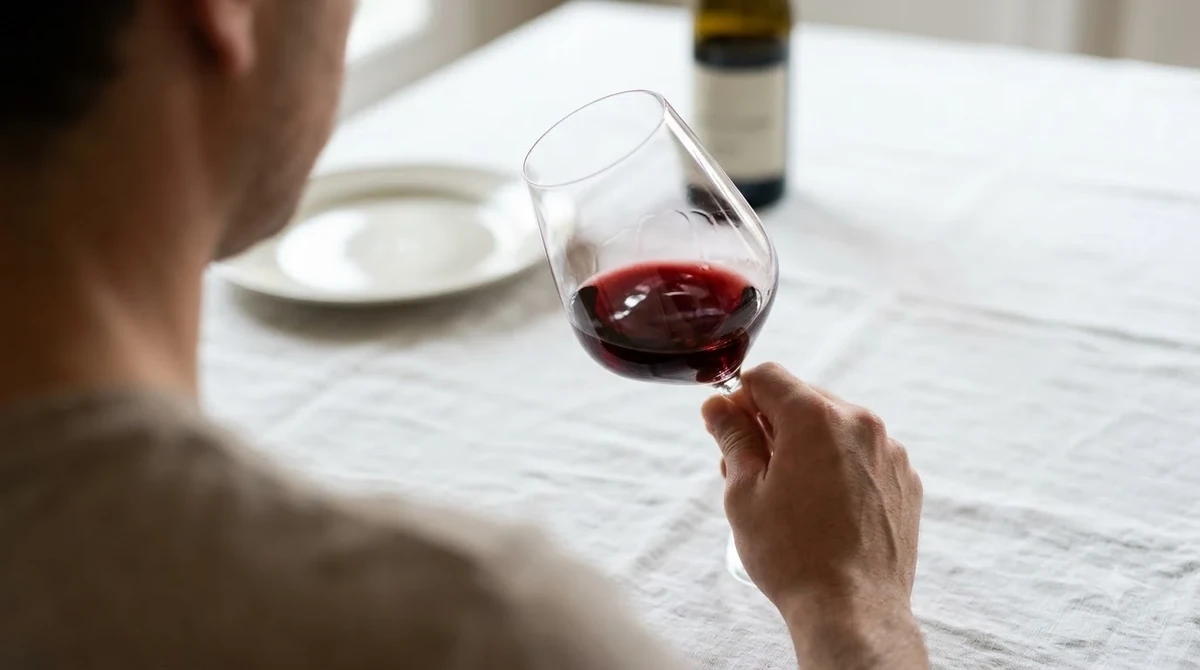
Use a medium-sized wine glass so the aromas gather near the rim. Pour about a third of the glass, swirl gently, and smell before tasting. If the wine tastes tight or sharp right after opening, let it sit in the glass for a few minutes. Reds of this style often soften as they open up.
Decanting is not necessary for most bottles in this range. A short pour into a carafe can help if the wine seems closed, but for everyday drinking, a bottle served straight from the table works well.
Foods that suit a bold red blend
Bold reds need food with enough fat, salt, and savory depth to balance their structure. Grilled meats, burgers, and sausages are the classic match, and so are tomato-based pasta dishes, braised beef, and roasted vegetables with a little char. A plate of aged cheese also works well, especially hard, salty varieties.
Lighter dishes such as delicate fish, raw seafood, and crisp salads tend to be overwhelmed by a bold red. Spicy foods can also make the alcohol feel more noticeable, so keep the heat moderate when you pour a red blend like Inferno.
If you want to explore beyond this bottle, the Apothic Crush guide covers another bottle from the same brand family, which is a useful way to compare how the line varies.
How Inferno compares with other red blends
Most shoppers choose a red blend by comparing a few bottles at similar prices. The most useful comparison is style, not brand loyalty. Ask yourself whether you want a softer, rounder red for a casual evening or a firmer, spicier red for a heavier meal. Inferno is usually the choice for the second case.
When you compare, taste with food if you can. A red that seems too bold on its own can be a good match with a rich dinner, and a bottle that tastes flat alone may come alive with the right plate. Keep notes on the grape mix and the vintage so you can repeat a bottle you enjoy.
For a wider view of how producers position their bottles across price and style, the wine brands section is a good place to start.
Buying and storing Inferno
Buy red blends from a shop that stores bottles away from heat and direct sunlight, since heat can dull fruit and speed aging. Once opened, a red wine will keep for a few days when re-corked and refrigerated, though the flavor usually fades over time. Bring the bottle back toward cool room temperature before serving again.
If you plan to buy more than one bottle, buy a single bottle first and taste it before stocking up. Vintages can change, so the next bottle may not match the last one exactly.
Tip: Serve Inferno with a simple meal rather than on its own. Food helps balance the structure and shows the wine at its best.
Frequently Asked Questions
Who makes Apothic Inferno?
Apothic is a label of E. & J. Gallo Winery, a California producer founded in 1933 and based in Modesto. Check the bottle label for the exact producer details on the specific bottling you buy.
Is Apothic Inferno a single grape wine?
No, Apothic Inferno is a red blend, which means it combines more than one red grape variety. The exact grape list and percentages can change, so the back label is the most reliable source.
What temperature should I serve it at?
Serve it at a cool-room temperature, slightly below warm. If the bottle has been in a hot room, chill it for fifteen to twenty minutes before pouring.
What food goes well with Inferno?
Grilled meat, burgers, sausages, tomato-based pasta, and hard aged cheeses are good matches. Delicate fish and light salads usually work better with a lighter wine.
Apothic Inferno is a practical choice for a bold, easy red when you want something with some spice on the table. Check the label, serve it cool, and match it with food that can stand up to its structure. For more about how brands are organized, see the Wine Brands section.
More in Wine Brands
 Underwood Wine Price: Compare Bottles, Cans, and Pack SizesUpdated Nov 21, 2026
 Zenato Wine Price: Compare Styles and Choose the Right BottleUpdated Nov 21, 2026
 Zuccardi Wine Price: Compare Bottles and Find the Right RangeUpdated Nov 21, 2026
 Yellow Tail Moscato Review: Taste, Sweetness and Serving TipsUpdated Nov 21, 2026
 Wolf Blass Yellow Label Review: Choose Your Best StyleUpdated Nov 21, 2026
 Wolffer Estate Rose Review: Choose the Right Bottle for Your TableUpdated Nov 21, 2026