
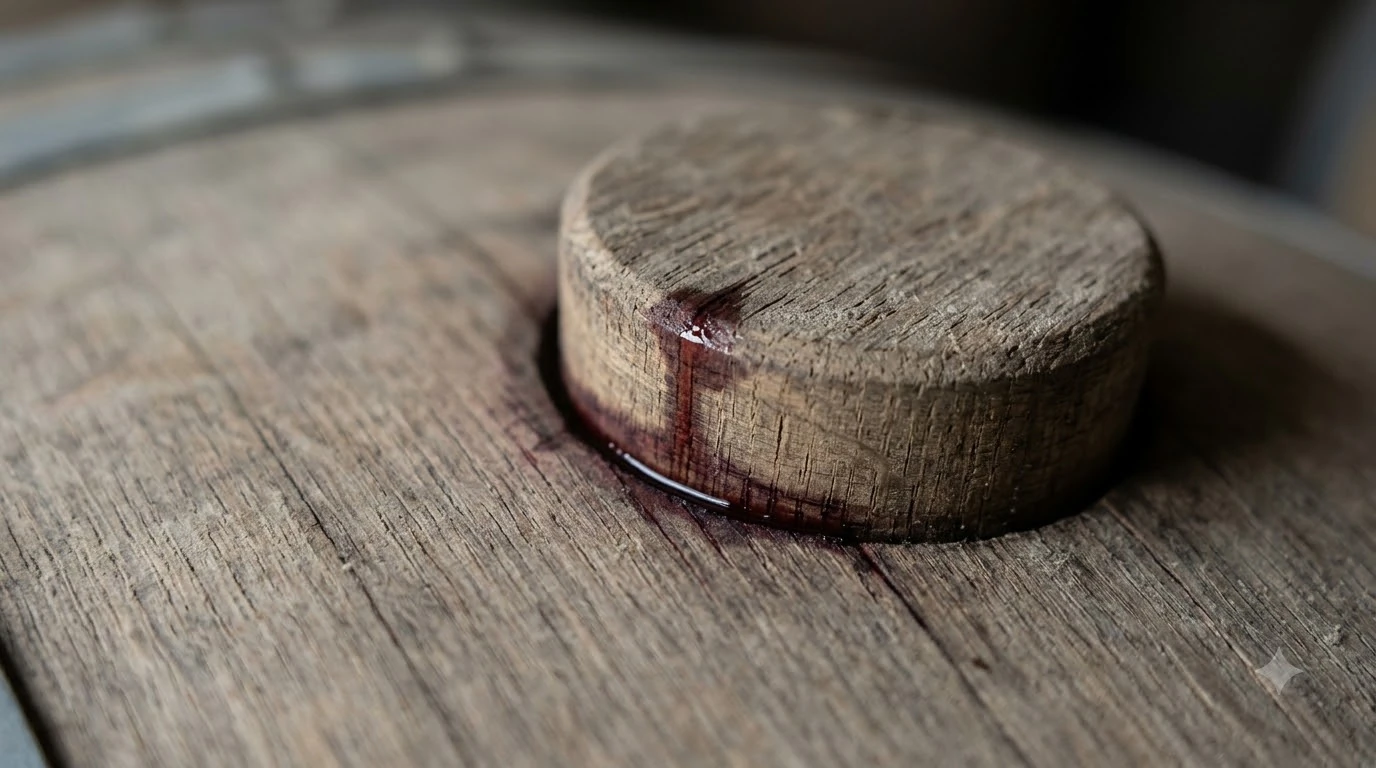

We may earn a commission when you buy through links on this page, at no extra cost to you. Learn more.
This apothic inferno review finds that Apothic Inferno is a bold California red blend best suited to wine drinkers who enjoy dark fruit, pronounced oak, and whiskey-barrel-inspired flavors. Its distinctive production feature is 60 days of aging in charred whiskey barrels, contributing maple, spice, and toasted oak character. At 15.9% alcohol by volume, it is considerably more powerful than many everyday red blends, making serving temperature, food pairing, and personal preference important buying considerations.
Apothic Inferno takes a familiar California red blend in a more assertive direction. Rather than relying entirely on fruit, it uses whiskey-barrel aging to create a recognizable combination of dark berries, oak, and warm spice. That approach gives it a clear identity, but it also makes the wine more polarizing than a straightforward fruit-forward red. Understanding the barrel treatment, alcohol strength, and expected flavor profile will help determine whether this bottle belongs on your shopping list.
Who Should Buy Apothic Inferno?
Apothic Inferno is best for drinkers who enjoy full-bodied red wines with noticeable oak influence and dark-fruit flavors. Its 15.9% ABV and 60-day whiskey-barrel finish make it a distinctive choice for people who want something more assertive than a light, uncomplicated red.
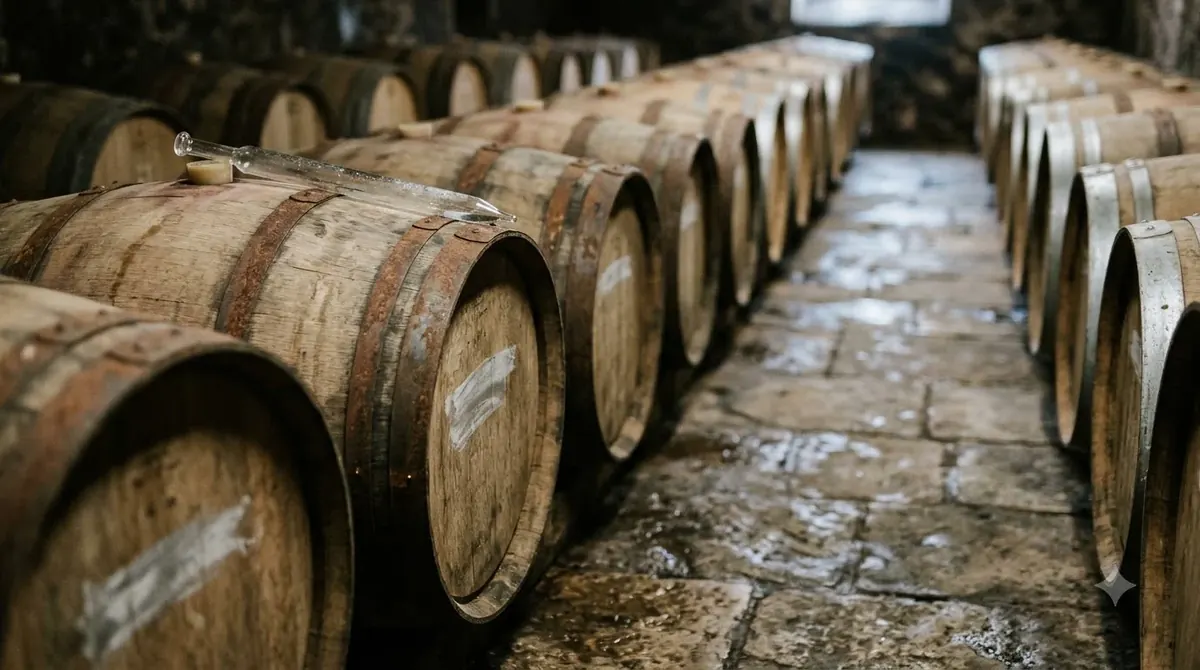
The first consideration is your preferred wine style. If you regularly enjoy rich California reds, smoky barbecue pairings, and wines with vanilla, toasted wood, or baking-spice characteristics, Inferno may be appealing. Its identity is built around the contrast between dark fruit and the flavors associated with charred whiskey barrels. It is not intended to be a delicate, restrained red.
It also makes sense for shoppers who enjoy experimenting with wine beyond traditional grape-variety categories. Apothic Inferno is presented as a red blend rather than a single-variety Cabernet Sauvignon, Merlot, or Pinot Noir. Its California origin and blended style are established, but buyers should not assume that a particular grape makes up most of the recipe without reliable information about the specific bottling.
There are equally clear reasons to skip it. People who prefer lighter-bodied wines, moderate alcohol, subtle oak, or particularly refreshing acidity may find its concentrated character overwhelming. A drinker who dislikes the association between wine and whiskey flavors may also prefer a conventional California red blend.
Inferno is especially relevant for a casual dinner featuring burgers, grilled meats, or pizza. Its dark-fruit character and toasted barrel notes can complement substantial dishes. However, it is not automatically the right partner for every heavily seasoned meal. Very spicy food can make the warmth of higher-alcohol wine more noticeable, while sweeter barbecue sauces can change the balance of a pairing.
Consider these buyer profiles before choosing:
- Oak enthusiasts: A strong candidate because the whiskey-barrel treatment is central to its identity.
- Full-bodied red drinkers: Worth considering if you enjoy concentrated California-style reds.
- Barbecue fans: A natural match for smoky grilled meats and savory sauces.
- Light-wine drinkers: Probably not the best choice because of its powerful style.
- Varietal purists: Less suitable if knowing the exact grape composition is essential.
For shoppers comparing several producers and wine styles, the broader Wine Brands section provides a useful starting point for understanding how brand identity influences wine selection.
Key Factors to Compare Before Buying
Five characteristics matter most when evaluating Apothic Inferno: its California origin, red-blend classification, whiskey-barrel treatment, dark-fruit profile, and 15.9% alcohol content. Together, these details explain why it drinks differently from a typical uncomplicated red blend.
The most important distinction is the barrel treatment. According to the product information published by Wine.com, Inferno spends 60 days aging in whiskey barrels. The producer also highlights the relationship between dark fruit and charred oak spice. This gives the wine a distinctive identity that goes beyond ordinary oak maturation.
| Buying factor | Apothic Inferno | What it means |
|---|---|---|
| Wine category | California red blend | Blended red-wine style rather than a named single grape |
| Bottle size | 750 ml | Standard wine bottle format |
| Alcohol content | 15.9% ABV | High-alcohol profile for a table wine |
| Barrel treatment | 60 days | Whiskey-barrel aging |
| Barrel character | Charred oak | Contributes toasted wood and spice character |
| Fruit descriptors | Blackberry and plum | Dark-fruit-led flavor direction |
| Additional descriptors | Maple and vanilla | Warm, barrel-influenced character |
| Suggested food | Pizza and barbecue | Works with savory, substantial dishes |
Alcohol strength deserves particular attention. At 15.9% ABV, Inferno sits above many familiar everyday red wines. Higher alcohol can contribute a fuller sensation and more noticeable warmth, especially when the wine is served too warm. It is one reason to avoid treating this bottle like a light, easy-drinking red.
Another consideration is the grape composition. The product descriptions establish the red-blend classification, but not every available product page provides a complete breakdown of the varieties. It would be misleading to assign precise percentages of Cabernet Sauvignon, Merlot, Syrah, or another grape without confirming the recipe for the particular bottling.
There is also a distinction between producer descriptions and independent wine criticism. Apothic emphasizes dark fruit and charred oak spice, while Wine Enthusiast’s assessment of the 2017 bottling highlights pronounced cedar, menthol, and pencil-shaving characteristics. Those observations relate to that particular reviewed bottling and should not automatically be treated as a guarantee of every release.
For a buyer, the practical lesson is straightforward: choose Inferno for its distinctive barrel-influenced style, not because it promises the familiar character of a particular grape variety.
Step-by-Step: How to Evaluate Apothic Inferno
A sensible buying decision starts with the wine’s intended style, followed by its strength, serving requirements, and suitability for your meal. These five steps make it easier to determine whether Inferno matches your preferences.
-
Identify the wine category.
Start with the California red-blend classification. This is not a conventional single-variety Cabernet Sauvignon or Pinot Noir. Its blended identity and whiskey-barrel finish are the main reasons to consider it.
-
Evaluate the barrel influence.
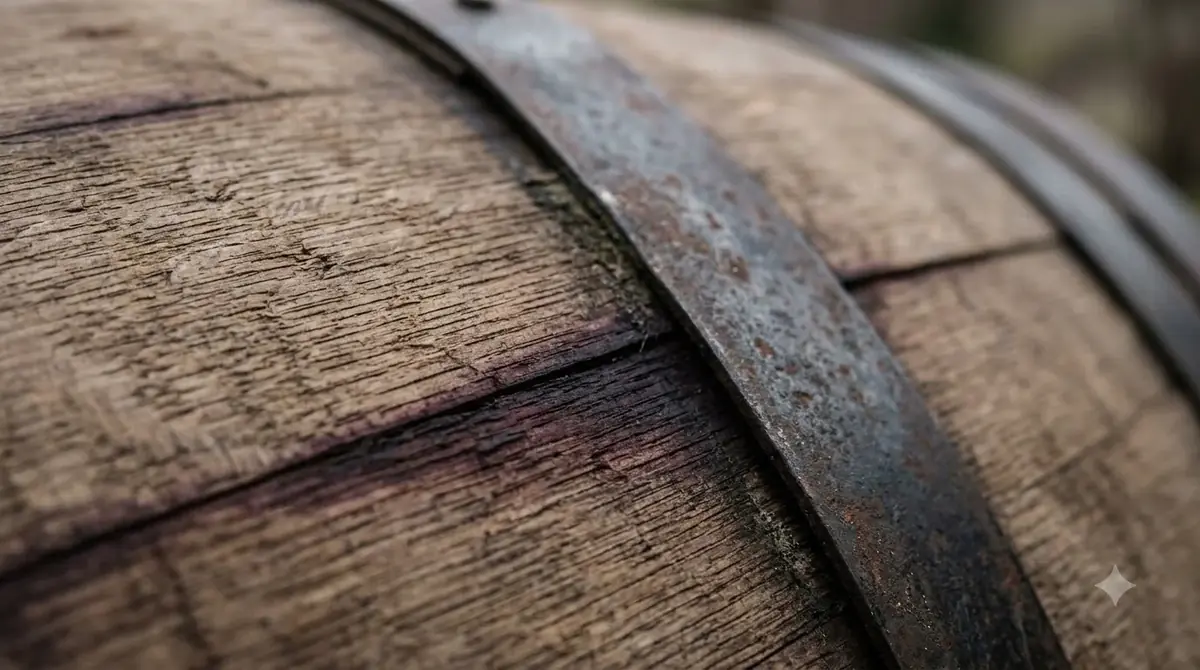
Look at the 60-day whiskey-barrel treatment as a central part of the wine’s personality. Charred oak can contribute toasted, smoky, and spice-associated impressions. If you normally avoid heavily oaked wine, consider whether that style is likely to appeal before purchasing.
-
Consider the alcohol strength.
The listed 15.9% ABV is an important buying detail. Compare it with the alcohol levels of reds you already enjoy. If you generally prefer lighter wines, Inferno may feel more powerful than expected.
-
Think about your intended food pairing.
For burgers, grilled beef, pizza, and smoky barbecue, its dark-fruit and oak direction makes sense. For delicate fish, light vegetable dishes, or very spicy meals, another wine may provide a more balanced match.
-
Plan how you will serve the bottle.
Use a slightly cool serving temperature rather than pouring it warm. Start around 60 to 65 degrees Fahrenheit and adjust according to preference. A cooler glass can make the alcohol warmth less prominent and keep the fruit and barrel character more composed.
These steps also help prevent a common shopping mistake: choosing a wine based on an appealing flavor description without considering how strong or oak-driven it might be. Inferno’s character is quite specific, and that specificity is part of its appeal.
Tip: If you are uncertain about the whiskey-barrel character, begin with a small pour rather than filling a large glass. Let the wine warm slightly in the glass while you assess its fruit, oak, and spice balance. This makes it easier to decide whether the style suits your palate.
Apothic Inferno Wine Style and Flavor Explained
Apothic Inferno belongs to the full-bodied, oak-influenced California red-blend category. Its published flavor descriptions emphasize blackberry, plum, maple, vanilla, and charred spice, creating a warmer and more concentrated impression than a simple fruit-forward red.
The fruit component provides the foundation. Blackberry and plum are among the dark-fruit descriptors in the winemaker’s notes reproduced by Wine.com. These are familiar associations for rich red blends, although the exact balance of fruit flavors can differ between bottlings and individual drinking experiences.
The barrel influence supplies the more distinctive character. Whiskey barrels have a different identity from neutral vessels because their previous use and charred interior contribute a recognizable wood-associated flavor direction. Apothic specifically emphasizes charred oak spice, while the winemaker’s description adds maple and vanilla as further layers.
These characteristics are best understood as flavor descriptions, not proof that the wine contains whiskey or has been sweetened with maple syrup. The published production description concerns wine aging in whiskey barrels. The maple reference describes the intended flavor impression.
Fruit, oak, and spice in the glass
Dark fruit generally provides the richer, rounder side of the profile. Blackberry suggests concentrated berry character, while plum points toward a deeper fruit impression. Oak and spice add structure to the overall experience, giving the wine a more noticeable finish than a straightforward fruit-driven red.
Independent commentary provides another useful perspective. Wine Enthusiast’s review of the 2017 bottling describes a very full-bodied wine with prominent cedar and menthol notes, along with pencil-shaving and cedar-shingle aromas. That assessment is particularly relevant to people who enjoy strong oak character, but it also demonstrates why Inferno may not suit every palate.
The contrast between the producer’s description and the independent review is useful. The producer emphasizes dark fruit and charred spice, while the reviewer gives particular attention to cedar and menthol. Neither description needs to be treated as the only possible experience of the wine.
Sweetness and dryness
Oak-derived maple impressions should not be confused with measurable residual sugar. A wine can smell or taste reminiscent of maple, vanilla, or ripe fruit while still presenting as a dry wine. Flavor intensity and sweetness are different characteristics.
For a more detailed discussion of the bottle’s flavor direction, see Apothic Inferno tasting notes. That distinction is useful when comparing the wine with sweeter red blends or dessert-oriented wines.
Body, alcohol, acidity, tannin, and sweetness should also be considered separately. Inferno’s published alcohol level is high, and its full-bodied description suggests a substantial style. However, the available product information does not establish a precise residual-sugar figure, acidity measurement, or tannin analysis. Avoid assuming those details from the word bold alone.
The overall style is therefore best described as dark-fruited, whiskey-barrel-influenced, and powerful. That is a more useful buying description than attempting to assign unconfirmed grape percentages or exact sweetness levels.
Common Mistakes When Buying or Drinking Apothic Inferno
The biggest mistakes are assuming whiskey-barrel aging means the wine contains whiskey, confusing maple flavors with sweetness, and overlooking its relatively high alcohol level. Understanding these distinctions leads to more realistic expectations.
Mistake 1: Expecting a whiskey-based alcoholic drink.
Apothic Inferno remains a wine. Its identity comes from the use of whiskey barrels during aging, not from being a mixture of wine and a measured quantity of whiskey. The barrel association helps explain its smoky and toasted flavor direction, but it should not be confused with a whiskey cocktail.
Mistake 2: Assuming maple means sweet.
Maple is one of the published flavor descriptors, but an aromatic or flavor association does not establish the wine’s residual sugar. Someone looking for a sweet red should not rely on that single word. Conversely, someone who prefers dry wine should not automatically reject Inferno because of its maple description.
Mistake 3: Ignoring the 15.9% ABV.
This is one of the most important numbers on the product record. Many drinkers select red wine based on fruit and body while overlooking alcohol. Inferno’s strength can make it feel warmer and more intense than wines with lower ABV, especially if served at a warm room temperature.
Mistake 4: Serving it too warm.
Full-bodied red wines do not necessarily benefit from being served at the temperature of a warm room. A range of 60 to 65 degrees Fahrenheit is a more useful starting point for full reds. If the wine feels hot or overly alcoholic, a little additional cooling can improve the balance.
Mistake 5: Pairing it with excessively hot food.
Alcohol and chili heat can amplify one another. A very hot barbecue sauce or heavily spiced dish may make Inferno seem more alcoholic and less balanced. Choose smoky, savory dishes with moderate spice instead.
Mistake 6: Expecting a traditional grape-specific profile.
The product is described as a red blend, and the available product information does not establish a complete grape composition for every bottling. A buyer looking for the characteristic acidity of Pinot Noir or the recognizable tannin structure of Cabernet Sauvignon should not assume those profiles apply here.
Mistake 7: Treating every tasting review as interchangeable.
Wine Enthusiast’s 2017 assessment is a specific review of that bottling. A retailer’s product description is a separate source, and producer marketing language serves another purpose. Vintage and release differences matter when interpreting those descriptions.
Serving, Food Pairing, and Storage Tips
Apothic Inferno is best approached as a substantial red wine served slightly cool, with food that can stand up to its dark fruit and whiskey-barrel character. Grilled meats, aged cheeses, and pizza are practical starting points, while careful storage helps preserve the remaining wine after opening.
Recommended serving temperature
Start with a temperature of approximately 60 to 65 degrees Fahrenheit. This is the standard serving range for full-bodied red wines. Serving it significantly warmer can make its 15.9% alcohol more noticeable and reduce the impression of balance.
If the bottle has been stored in a warm kitchen, a short period of chilling can help. The objective is not to make the wine cold like sparkling wine. Instead, a modest cooling period should bring it toward the recommended full-red serving range.
Food pairings that make sense
Apothic’s own product description recommends pizza and barbecue. Wine.com’s winemaker notes emphasize the wine’s rich fruit, maple, vanilla, and charred spice character. These descriptions fit substantial dishes with savory flavors and moderate seasoning.
- Grilled beef: Burgers and grilled steaks provide savory flavors that can work well with substantial reds.
- Barbecue ribs: Smoky meat and moderately sweet sauce complement the wine’s barrel-associated character.
- Pizza: Tomato sauce, roasted meat toppings, and melted cheese provide enough flavor intensity for a full-bodied red.
- Aged cheese: Salt and fat can soften the perception of tannin, making firm cheeses useful companions.
- Roasted mushrooms: Their savory character offers an alternative to meat-heavy pairings.
- Dark chocolate desserts: Consider the sweetness carefully. A dessert should be at least as sweet as the wine to avoid making the wine taste harsh.
Not every dessert will work simply because a retailer mentions spiced desserts. A very sweet dessert can make a dry wine seem less fruity and more bitter. Match the sweetness of the food and wine rather than assuming that maple-associated flavors automatically make Inferno a dessert wine.
Foods that require more care
Highly acidic dishes can make a lower-acidity wine seem flatter. Very spicy food can exaggerate alcohol warmth, while delicate white fish may be overwhelmed by the wine’s body and barrel character. Oily fish can also clash with tannic red wines, so a lighter white is generally a safer choice for those meals.
Storage and opened-bottle care
Store an unopened bottle in a cool, dark location away from direct sunlight and substantial temperature fluctuations. A consistent temperature near 55 degrees Fahrenheit is a useful target for longer-term wine storage. Bottles sealed with corks should generally be stored on their sides.
Once opened, reseal the bottle and place it in the refrigerator. Even red wine benefits from refrigeration after opening because cooler temperatures slow oxidation. For most still wines, a practical guideline is approximately three to five days, although the condition of the wine, closure, and storage environment influence how long it remains enjoyable.
Before serving another glass, allow a refrigerated portion to approach its appropriate drinking temperature. There is no need to leave an opened bottle on a warm counter for an extended period.
Decanting is optional. A young, powerful red may benefit from 30 to 60 minutes of aeration, but that is a general guideline rather than a verified requirement for every Apothic Inferno bottling. Start with a small pour and assess whether additional air improves the experience.
For more information about the producer’s description and recommended food pairings, visit the official Apothic Inferno product page.
Frequently Asked Questions
Does Apothic Inferno contain actual whiskey?
Apothic describes Inferno as a wine aged in whiskey barrels, not as a wine-and-whiskey mixture. The distinction matters because barrel aging influences the wine through contact with the wood rather than making it a whiskey cocktail. Its flavor identity comes from the aging process.
Does Apothic Inferno have sulfites?
Wine naturally contains some sulfites from fermentation, and additional sulfites may be used during production. The available product descriptions do not provide a measured sulfite concentration for this particular wine. Buyers who need ingredient or allergen details should consult the bottle’s labeling and producer information.
Does Apothic Inferno need to breathe before drinking?
It does not have a mandatory breathing period. A short period of aeration can change the way a powerful red presents its aromas, but individual bottles and preferences differ. Try a small pour immediately after opening before deciding whether to decant.
Is Apothic Inferno made from organically grown grapes?
The product information reviewed does not establish organic certification or confirm organically grown grapes. A California origin does not automatically mean a wine is organic. Look for an applicable certification or a specific producer statement before making that distinction.
Can Apothic Inferno be used in wine cocktails?
Yes. Apothic publishes cocktail inspiration specifically for Inferno, including an Inferno Sour and a Dash of Fire. These recipes show how the wine’s barrel-associated flavor profile can be incorporated into mixed drinks rather than served only as a conventional glass of red wine.
Apothic Inferno is a distinctive California red blend for drinkers who appreciate pronounced whiskey-barrel influence, dark fruit, and a powerful 15.9% ABV profile. Its appeal depends largely on whether you enjoy assertive oak and warm spice rather than restrained, lighter red wines. For shoppers who want those characteristics alongside grilled food and savory dishes, Inferno is a recognizable option worth considering; those who prefer subtle oak or lower alcohol should compare other red blends before choosing.
More in Wine Brands
 Underwood Wine Price: Compare Bottles, Cans, and Pack SizesUpdated Nov 21, 2026
 Zenato Wine Price: Compare Styles and Choose the Right BottleUpdated Nov 21, 2026
 Zuccardi Wine Price: Compare Bottles and Find the Right RangeUpdated Nov 21, 2026
 Yellow Tail Moscato Review: Taste, Sweetness and Serving TipsUpdated Nov 21, 2026
 Wolf Blass Yellow Label Review: Choose Your Best StyleUpdated Nov 21, 2026
 Wolffer Estate Rose Review: Choose the Right Bottle for Your TableUpdated Nov 21, 2026