

We may earn a commission when you buy through links on this page, at no extra cost to you. Learn more.
The Apothic Inferno alcohol content is 15.9 percent ABV, which places it in the high category on the WSET tasting scale and above the range of most wines. That number means about 15.9 milliliters of pure ethanol in every 100 milliliters of liquid, and it is printed for a 750 ml bottle. The strength shows up as warmth and weight on the palate, so knowing the figure before you pour, chill, or pair the wine makes a real difference.
Apothic Inferno is a red blend from Apothic Wines, a producer based in Modesto, California. The wine is aged in whiskey barrels, which gives it a distinctive profile, but most shoppers want a simpler answer first: how strong is it compared with the other bottles on the shelf? This guide covers the label figure, how it compares with other reds, how the alcohol changes the taste, how to serve and pour the wine, which foods suit it, how to store an opened bottle, and the questions readers ask most often.
What the 15.9 Percent on the Label Means
The label figure is alcohol by volume, usually shortened to ABV. It is the share of the total liquid that is pure ethanol. Beverage Industry reported that Apothic Inferno carries an alcohol by volume of 15.9 percent and comes in 750-ml bottles, which is the starting point for every other calculation in this guide.
Converting that number into everyday terms helps. A 750 ml bottle at 15.9 percent holds about 119 milliliters of ethanol, or roughly 94 grams by weight, since ethanol weighs about 0.789 grams per milliliter. A bottle at 12.5 percent holds about 94 milliliters of ethanol, or close to 74 grams. The difference is about 20 grams across the bottle, which is enough to make a single glass feel noticeably stronger and is the reason strength deserves a look before you open the wine.
Ingoodtaste, a wine education site, describes ABV as a simple ratio. A wine at 15 percent has 15 milliliters of pure alcohol in every 100 milliliters, so higher numbers always mean more alcohol in the same volume. Because the figure appears as a single number on the label, many shoppers assume it is exact. In fact, labeling rules allow some room around the stated figure, and that detail is covered in the FAQ near the end of this article.
Readers comparing bottles within the same family will find the strength varies from one bottle to the next. Our overviews of apothic crush alcohol content and apothic dark wine alcohol content put those figures side by side, so you can see how each bottle fits your choice.
How 15.9 Percent Compares With Other Red Wines
Most wines sit between about 8 and 15 percent ABV, according to Wine with Seth’s WineWiki entry on alcohol as a structural element, while fortified wines can range from 15 to 22 percent. The WSET Diploma tasting scale sorts table wines into three bands: below 11 percent is low, 11 to 13.9 percent is medium, and 14 percent and above is high. At 15.9 percent, Apothic Inferno sits in the high band, nearly two points above the cutoff.
| Wine | ABV | WSET tasting level | Ethanol in one 5-ounce pour |
|---|---|---|---|
| Apothic Inferno | 15.9% | High (14% and above) | About 18.6 grams |
| Medium-bodied red (example) | 13.5% | Medium (11% to 13.9%) | About 15.8 grams |
| Light white (example) | 10.5% | Low (below 11%) | About 12.3 grams |
The table uses a 5-ounce pour and the standard density of ethanol. On that basis, one glass of Apothic Inferno carries about 18 percent more ethanol than a medium-bodied red at 13.5 percent, and roughly 50 percent more than a light white at 10.5 percent. Those gaps are small on paper, but they are the reason the label figure matters when you compare bottles side by side.
Red wines generally run higher in alcohol than whites. In Good Taste explains that red wines ferment with their grape skins, which adds tannin, and that winemakers balance that tannin with more alcohol. White wines take the opposite approach, aiming for high acidity and lower alcohol. That is one reason a bottle like Apothic Inferno feels fuller than most whites on the same shelf.
How the Alcohol Shows Up on the Palate
Alcohol is felt more than it is tasted. At 15.9 percent, it contributes warmth and weight before the fruit comes through, so the first impression is often physical rather than flavorful.
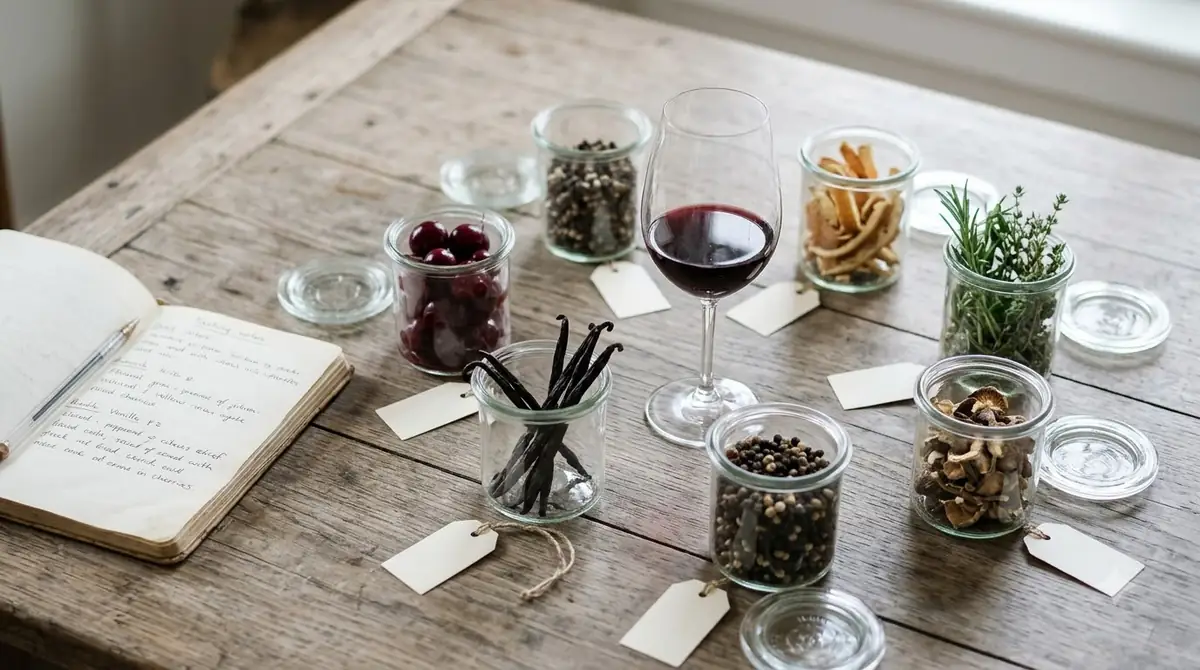
WineWiki explains that alcohol is detected mainly through touch. It adds warmth and weight, and for most wines it is the main factor that shapes body. Because alcohol is more viscous than water, a wine with more of it feels heavier in the mouth, while a low-alcohol wine can seem thin unless grape extract or sweetness fills it out.
Apothic’s own product page describes the blend as combining dark fruit notes with the aromatics of charred oak spice, and Beverage Industry adds that layers of maple and spice give way to a long, clean finish. The alcohol sits underneath those flavors and shapes how they land. WineWiki notes that a high-alcohol wine can feel integrated when tannin, body, and concentration support the strength. When alcohol dominates the other elements instead, the result is a hot, burning finish.
The finish is where balance is easiest to judge. The producer’s description points to a long, clean finish, which suggests the warmth should fade gently rather than linger as a burn. Glass size also changes perception: a generous pour can make the alcohol feel heavier, so a moderate fill helps the fruit and oak stay in front. If the heat remains strong for a long time, the first adjustment to try is temperature.
Why a Whiskey-Barrel Red Carries This Much Alcohol
The alcohol figure and the barrel character come from different parts of the winemaking process. Grape sugar sets the strength, while barrel aging shapes flavor and aroma. Understanding that split makes the bottle easier to read.
In Good Taste explains that yeast consumes the natural sugar in grape juice and converts it into alcohol, so the sugar in the grapes sets the potential strength of the finished wine. Grapes grown in warm, sunny places ripen with more sugar, which is why wines from hotter growing regions tend to reach higher ABV levels. That is the main mechanism behind the 15.9 percent figure on the label.
The barrel program is a separate story. Beverage Industry reports that Apothic Inferno is aged in charred white oak whiskey barrels for 60 days, and that the barrels were first used to age whiskey for years before they held the wine. The process adds layers of maple and spice that you can pick up through the middle and finish. It shapes flavor and aroma, while the ABV printed on the label describes the finished liquid.
Put together, the result is a bold, warm style. The strength comes from the grapes and fermentation, and much of the flavor comes from the barrel. The brand frames the wine as having a whiskey soul, and drinkers who already enjoy whiskey often recognize that character. Drinkers who prefer lighter reds may find the warmth more noticeable, which is a useful expectation to set before the first glass.
Serving Temperature and Pour Size
Serve this full-bodied red at about 60 to 65 F, and keep the pour modest so the alcohol does not take over the glass.
WineWiki notes that warmer temperatures highlight alcohol and body, and that serving a red slightly chilled can reduce how prominent the alcohol feels. For a full red like this one, the practical target is 60 to 65 F. That range sits below typical room temperature, so the bottle should be cooler than the room rather than matching it. Serving too warm is what tends to make a strong red feel hot and muted at the same time.
Storage before opening is simpler. Keep unopened bottles on their side in a cool spot near 55 F, which keeps the cork moist and the wine stable. When you are ready to pour, move the bottle to the counter for about an hour if it has been in a cellar or refrigerator, then check the glass as it warms in your hand.
Pour size matters as much as temperature. A standard 750 ml bottle yields about five 5-ounce glasses. In Good Taste bases the usual 5-ounce serving on a wine at 12.5 percent ABV, and it notes that higher-alcohol wines may be poured in smaller amounts, with a high-ABV serving sometimes as low as 3 ounces. At 15.9 percent, a moderate pour gives you the flavor and aroma without the strength dominating the glass.
Tip: If the bottle has been sitting in a warm room, put it in the refrigerator for about 20 minutes before serving. Chilling the wine slightly is easier to control than adding ice, which dilutes the flavor as it melts.
Pairing Apothic Inferno With Food
Bold, fatty, and savory dishes suit this wine, while very spicy food and oily fish tend to clash with it. The pairing principle is simple: a wine this strong needs food with comparable weight and richness.
Apothic suggests pairing the wine with a variety of foods, including pizza and barbecue dishes. Those choices make sense because rich, savory food gives the wine something to match. In Good Taste recommends bold foods for high-ABV reds, pointing to meaty barbecue ribs, steak, aged cheddar, and rich desserts such as chocolate cake or crème brûlée. The shared thread across these examples is weight and intensity.
Fat and salt soften tannin, so a steak or a plate of aged cheese will make the wine feel smoother. Acidic food needs a wine with equal or higher acidity, so a very tangy barbecue sauce or a heavily tomato-based pizza can make a full red taste flat. Chili heat is amplified by both alcohol and tannin, which means a spicy rub or hot sauce will feel hotter alongside a 15.9 percent wine. Oily fish such as salmon clashes with tannic reds, so it is better to serve this bottle with other mains.
For a simple dinner plan, choose one rich main and a salty or smoky side. Sausage or pepperoni pizza, a charred burger, or pulled pork gives the wine a partner that can hold its own, and the bottle stays the focus of the meal rather than competing with it.
Storing the Bottle After Opening
Once opened, a still red like this one keeps for about three to five days in the refrigerator, and a tight stopper keeps the air out. Fortified wines last longer, but this blend follows the shorter still-wine window.
Recork the bottle firmly and store it upright in the refrigerator, then take it out about an hour before pouring so it can rise toward the 60 to 65 F serving range. Fruit tends to fade first once air reaches the wine, so a bottle finished within the window keeps more of the character you bought it for. A bottle that sits longer loses some freshness, and the warmth can feel more pronounced as the fruit recedes.
If you are building a broader shopping list or want context on how this label fits into the wider market, the guide to Wine Brands on this site is a good next step.
Frequently Asked Questions
These questions cover the details readers ask most often about label accuracy, how alcohol feels in the glass, and where high-ABV reds fit in the market.
Is the 15.9 percent on the label exact?
Not exactly, because labels allow a margin. WineWiki notes that US labels give wines above 14 percent alcohol a tolerance of one percentage point above or below the stated figure, while wines at 14 percent or less get 1.5 points. That means a bottle marked 15.9 percent may legitimately contain roughly 14.9 to 16.9 percent alcohol.
How can you tell alcohol heat from acidity?
Pay attention to the sensation in your mouth. A mouth-watering feeling points to acidity, while a thick, viscous feel points to alcohol. A hot, burning sensation after you swallow is the clearest sign of high alcohol, and a wine can be high in both.
Can you see alcohol in the glass?
Partly, and only as a hint. Legs or tears are the streams that cling to the glass after swirling. Thicker, more persistent tears suggest sugar or high alcohol, but WineWiki stresses that appearance clues are rarely conclusive.
Does alcohol make a wine taste sweeter?
It can. WineWiki notes that alcohol and glycerol, a compound produced during fermentation, can add a perception of sweetness, even though sweetness is mainly the taste of sugar. That is why a high-alcohol red can taste rounder than its residual sugar alone would suggest.
Are California reds usually this strong?
Many of them are. In Good Taste places California wines at the high end of the ABV scale, in the 13 to 16 percent-plus range, alongside Malbec from Argentina and wines from southern France. Fortified wines sit higher still, so 15.9 percent is strong but not unusual for a bold red from this region.
Apothic Inferno is easiest to enjoy when you know the number first. Serve it a little below room temperature, keep the pour measured, and match it with rich, savory food. Do that, and the whiskey barrel character and the warmth feel like parts of one style rather than a surprise in the glass.
More in Wine Brands
 Louis Latour Wine Price: Compare Bottles by Style and TierUpdated Nov 20, 2026
 Yellow Tail Moscato Price: What to Expect Before You BuyUpdated Nov 20, 2026
 Sutter Home Sweet Red Review: Find the Right Food PairingsUpdated Nov 20, 2026
 Franzia Chillable Red Review: Find the Right Serving StyleUpdated Nov 20, 2026
 Veuve Clicquot Rose Review: Flavor, Food Pairings and Buying AdviceUpdated Nov 20, 2026
 Rombauer Wine Price: Compare Bottles Before You BuyUpdated Nov 20, 2026