

We may earn a commission when you buy through links on this page, at no extra cost to you. Learn more.
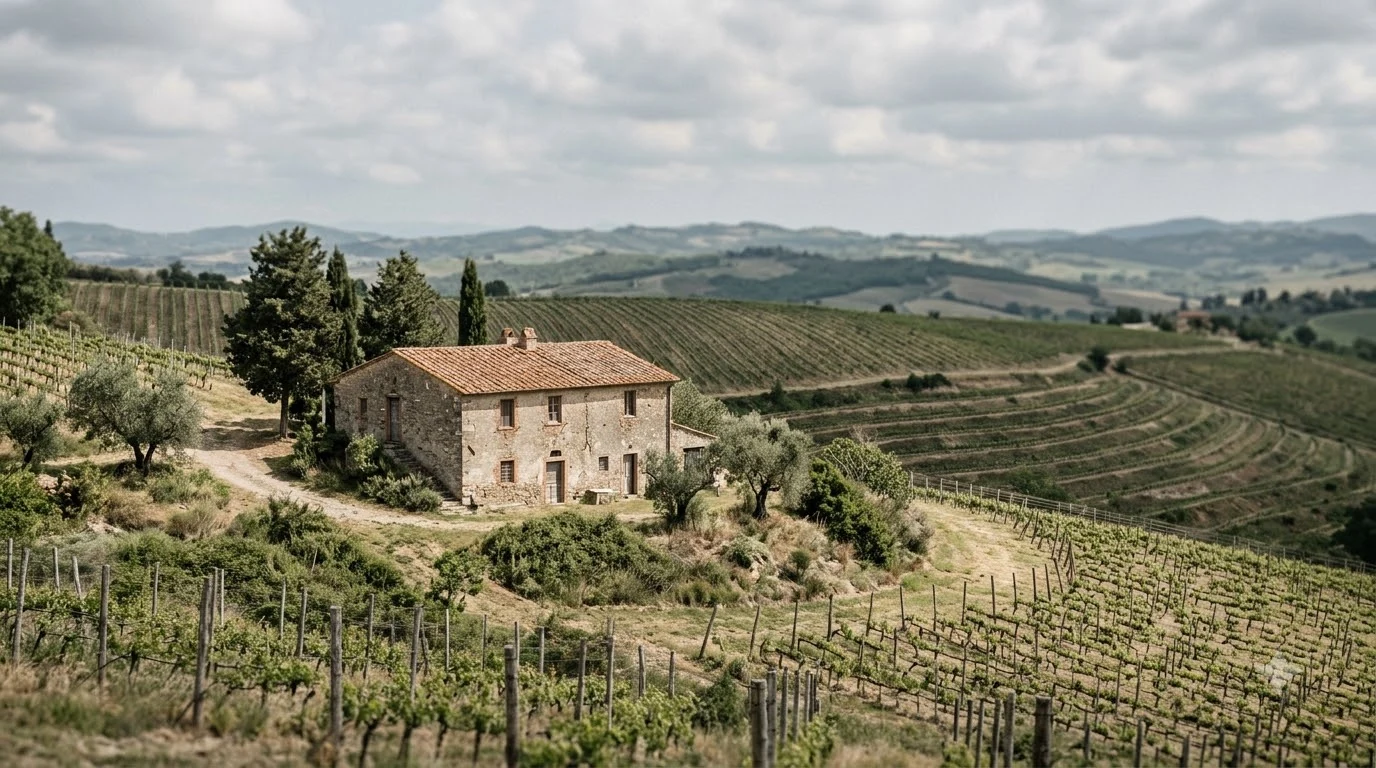
The Anjou wine region in France’s Loire Valley produces an impressive range of wines, including dry Chenin Blanc, sweet dessert whites, Cabernet Franc reds, rosés and sparkling wines. Centered around Angers and extending toward Saumur, this historic wine-producing area is known for its contrasting schist and limestone soils. Its most recognizable appellations include Savennières, Coteaux du Layon, Bonnezeaux and Anjou-Villages, each offering a different expression of local grapes and growing conditions.
Anjou is one of the most versatile parts of the Loire Valley for wine lovers who enjoy exploring different styles from the same region. A bottle labeled Anjou might be a refreshing white, a fruit-forward red or a sparkling wine, while neighboring appellations specialize in distinctive dry or sweet expressions of Chenin Blanc. Understanding the geography, grapes and appellation names makes it easier to find the right bottle for dinner, a celebration or a special occasion.
Where the Anjou Wine Region Is Located
Anjou lies in the Middle Loire wine region of western France, primarily around the city of Angers and extending east toward Saumur. Its vineyards follow the Loire River and several tributaries, including the Layon and Aubance, creating a landscape of riverbanks, rolling hills and carefully positioned vineyard slopes.
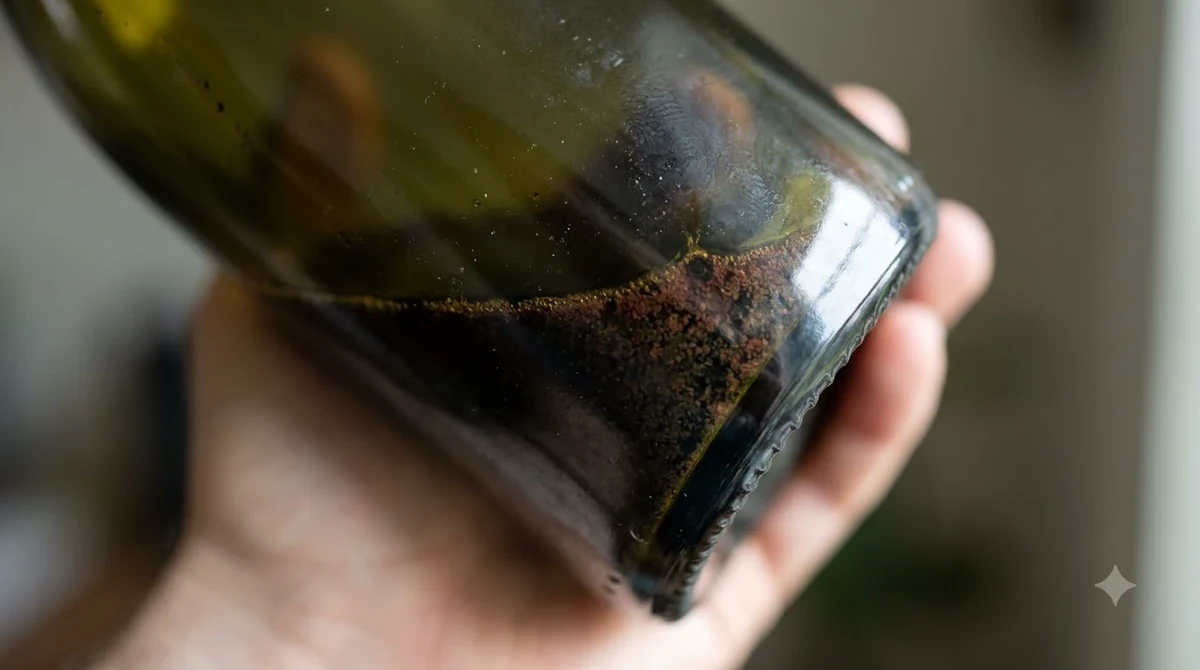
The larger Anjou-Saumur wine area stretches across the western and eastern parts of Maine-et-Loire. Although Anjou and Saumur are frequently discussed together, they have different geological foundations and recognizable wine traditions. The area sits between the Atlantic-influenced western Loire and the more continental conditions farther east, helping explain why so many different wine styles are possible.
Angers is a useful starting point for understanding the western portion of Anjou. Vineyards around Savennières, Rochefort-sur-Loire and the Layon Valley benefit from varied hillside exposures and soils that influence grape ripening. Farther east, Saumur is associated with pale limestone and extensive underground caves, many of which were originally created through stone quarrying.
The Loire River and its tributaries play an important role in moderating local temperatures. Hillside vineyards also provide different exposures to sunlight, allowing growers to select suitable sites for particular grapes. These differences matter for Chenin Blanc, which can be harvested for fresh dry wines or left longer on the vine for sweeter expressions.
Anjou is also part of a wider network of Loire wine destinations. Travelers exploring French wine geography may enjoy comparing it with the Savoie wine region, where alpine conditions create a very different growing environment. Anjou’s river valleys and relatively mild climate provide a contrasting setting for grape growing.
Soils, Climate and the Two Sides of Anjou
The character of Anjou wine is closely connected to its geological diversity. The traditional distinction between Anjou Noir and Anjou Blanc describes the darker schist-based western vineyards and the lighter limestone-rich landscapes toward Saumur.
Anjou Noir is associated with the older geological formations of the Armorican Massif. Its soils include schist, slate, granite and other metamorphic or volcanic rocks. These darker soils are particularly important around parts of the Layon Valley and Savennières. They can be shallow and stony, making vineyard location and exposure important considerations for growers.
Anjou Blanc, by comparison, is associated with the sedimentary geology of the Paris Basin. Around Saumur, tuffeau limestone, chalk, clay and sandy formations create a lighter-colored landscape. Tuffeau is a relatively soft limestone that has historically been quarried for buildings and underground cellars.
These geological differences are not simply visual distinctions. They contribute to the range of textures, structures and flavor profiles found across neighboring appellations. Schist-rich sites in Savennières are associated with concentrated, structured Chenin Blanc, while limestone-rich Saumur has a strong tradition of white and sparkling wines.
The region generally experiences a temperate climate without the extreme temperature variations associated with some continental wine-growing areas. However, vineyard exposure, seasonal rainfall and the timing of harvest remain important. In the Layon Valley, autumn humidity and morning mists can encourage botrytis development under suitable conditions, helping produce concentrated sweet wines.
Tip: When comparing Anjou bottles, consider the appellation as well as the grape. A Chenin Blanc from schist-rich Savennières can have a very different structure from a sweet Chenin Blanc produced in the Coteaux du Layon.
Saumur’s limestone caves are another distinctive part of the local environment. Their cool, stable underground conditions have proved useful for wine storage and sparkling-wine production. The combination of geological differences, river influence and vineyard exposure explains why Anjou-Saumur supports so many wine styles within a relatively compact geographical area.
The Main Grapes Grown in Anjou
Chenin Blanc and Cabernet Franc are the two defining grape varieties of Anjou. Chenin Blanc is responsible for much of the region’s white-wine identity, while Cabernet Franc provides the foundation for many of its recognizable red wines.
Chenin Blanc
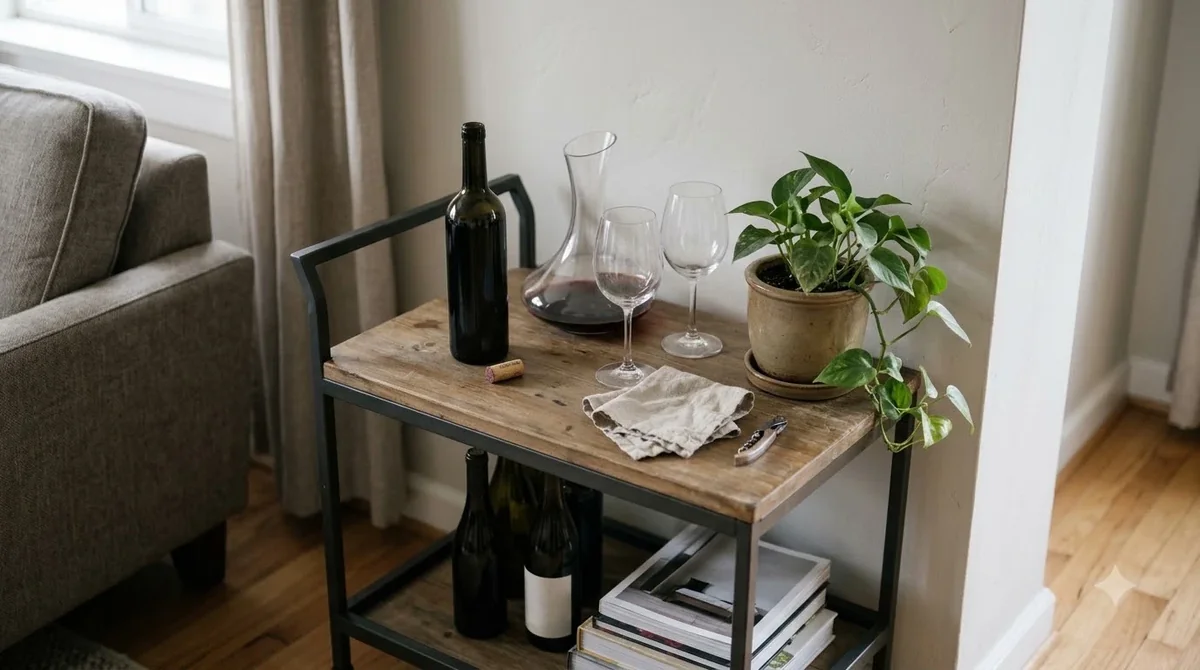
Chenin Blanc is a particularly versatile grape because it retains natural acidity across a wide range of ripeness levels. Depending on the vineyard, harvest timing and winemaking approach, it can produce dry, off-dry, sweet and sparkling wines.
Dry Anjou Chenin Blanc often displays apple, pear, citrus, quince and floral characteristics. Some examples have a rounded texture, while others emphasize freshness and mineral impressions. Savennières is especially well known for its structured, concentrated interpretation of the grape.
Sweet Chenin Blanc from the Layon Valley can show honey, apricot, ripe peach, candied citrus and dried-fruit characteristics. When noble rot develops under suitable conditions, it concentrates the grapes and contributes additional aromatic complexity.
Cabernet Franc
Cabernet Franc is the leading red grape associated with many Anjou appellations. It typically produces wines with red and dark berry flavors, herbal notes, moderate tannins and refreshing acidity. Depending on ripeness and winemaking, the wine can be light and approachable or more concentrated and structured.
Cabernet Franc is particularly suitable for the Loire’s growing conditions because it generally ripens earlier than Cabernet Sauvignon. In Anjou, it is used for approachable regional reds as well as more structured wines from appellations such as Anjou-Villages.
Other Important Varieties
Cabernet Sauvignon also appears in Anjou red wines, particularly in Anjou-Villages, where it contributes additional structure and dark-fruit character. Gamay is used for lighter, fruit-focused red wines, including Anjou Gamay. Grolleau is another traditional regional variety, especially relevant to rosé production.
Chardonnay and Sauvignon Blanc can also appear in certain white-wine blends. Nevertheless, Chenin Blanc remains the variety most closely associated with Anjou’s identity. For a broader understanding of how regional grape varieties influence wine styles, the Wine Regions resource provides useful geographical context.
Important Anjou Wine Appellations and Their Styles
Anjou includes numerous appellations, each with its own production identity and typical wine style. Learning a handful of important names provides a practical way to distinguish everyday regional wines from more specialized bottles.
Anjou and Anjou Blanc
Anjou is a broad appellation that covers different wine styles, including red, white and sparkling wines. Anjou Blanc is associated with white wines made primarily from Chenin Blanc, although other permitted varieties can be used in certain blends.
Dry Anjou Blanc is generally a good introduction to regional Chenin Blanc. Expect fresh orchard-fruit flavors, citrus notes and lively acidity, with texture varying according to the producer and vineyard. Some wines are straightforward and suitable for early drinking, while more concentrated examples can develop additional complexity.
Savennières
Savennières is one of Anjou’s most respected appellations for dry white wine. Located on the north bank of the Loire River, it focuses on Chenin Blanc grown on predominantly schist-based soils.
The wines are generally dry, structured and mineral in character, with apple, pear, citrus, white flowers and occasional savory notes. Their acidity and concentration make them suitable for aging, and mature bottles can develop honey, beeswax and more complex aromatic layers.
Two particularly notable vineyard designations are La Coulée de Serrant and Savennières Roche aux Moines. Decanter identifies La Coulée de Serrant as a 7-hectare vineyard and Roche aux Moines as a 16-hectare sub-appellation. These distinctive sites help demonstrate the importance of individual vineyard locations within the wider Savennières appellation.
For a closer look at the appellation’s vineyards, grape-growing conditions and traditional wine styles, Decanter’s Savennières regional profile provides additional background.
Coteaux du Layon
Coteaux du Layon is famous for sweet white wines made from Chenin Blanc. The appellation follows the Layon River, where suitable autumn conditions can encourage noble rot and the concentration of grape sugars.
These wines typically offer rich flavors of honey, apricot, ripe peach, orange marmalade and dried fruit. Despite their sweetness, Chenin Blanc’s natural acidity helps maintain freshness and prevents the wines from feeling excessively heavy.
Bonnezeaux and Quarts de Chaume
Bonnezeaux and Quarts de Chaume are especially important names for drinkers interested in concentrated sweet Chenin Blanc. Both are associated with the Layon Valley and can produce wines with considerable depth and aging potential.
Quarts de Chaume holds Grand Cru status and is particularly associated with concentrated, botrytis-influenced wines. Bonnezeaux also produces rich dessert wines, often showing honeyed fruit, apricot and citrus characteristics. These appellations are useful choices when a meal calls for a wine with enough sweetness to complement a dessert.
Anjou-Villages
Anjou-Villages is an important appellation for structured red wine. Its wines are made primarily from Cabernet Franc and Cabernet Sauvignon, grown on selected sites with schist and clay-limestone soils.
These wines are typically more structured than simple regional Anjou reds, with dark-fruit flavors, spice and aging potential. Their firmer tannins make them particularly suitable for substantial meals such as roasted lamb, grilled beef and slow-cooked meat.
Other Regional Appellations
Cabernet d’Anjou is an important rosé appellation, generally producing off-dry or sweet wines with refreshing fruit character. Rosé d’Anjou is another familiar name, while Rosé de Loire offers a generally drier style.
Anjou also participates in the broader sparkling-wine tradition of the Loire through Crémant de Loire and Anjou sparkling wines. These bottles provide another expression of the region’s versatility, making it possible to explore still whites, reds, rosés, dessert wines and bubbles without leaving the same general wine-producing area.
| Appellation | Main grape | Typical style | Sweetness |
|---|---|---|---|
| Anjou Blanc | Chenin Blanc | Fresh, aromatic white | Usually dry |
| Savennières | Chenin Blanc | Structured, mineral white | Dry |
| Coteaux du Layon | Chenin Blanc | Concentrated dessert white | Sweet |
| Bonnezeaux | Chenin Blanc | Rich, botrytised white | Sweet |
| Quarts de Chaume | Chenin Blanc | Concentrated Grand Cru white | Sweet |
| Anjou-Villages | Cabernet Franc, Cabernet Sauvignon | Structured red | Dry |
| Cabernet d’Anjou | Cabernet varieties | Fruit-forward rosé | Usually off-dry to sweet |
| Crémant de Loire | Chenin Blanc and other permitted grapes | Sparkling wine | Varies |
How Anjou Wines Taste and What to Expect
Anjou wines do not have one universal flavor profile because the region produces such a broad range of styles. The most useful distinction is between the fresh, structured whites; the sweet Chenin Blanc wines; the fruit-driven reds; and the region’s rosé and sparkling selections.
Dry Chenin Blanc is often the best starting point for understanding the region’s white wines. Look for green apple, pear, lemon, quince and white flowers, accompanied by noticeable acidity. Savennières tends to offer greater concentration, texture and mineral character than many straightforward regional bottlings.
Sweet Chenin Blanc offers a very different experience. Coteaux du Layon, Bonnezeaux and Quarts de Chaume can show ripe apricot, honey, dried peach, orange peel and candied citrus. Their natural acidity balances the sugar, making them suitable for drinking alongside rich desserts or flavorful cheeses.
Red Anjou wines vary according to their grape composition and vineyard conditions. Lighter Cabernet Franc examples can emphasize raspberry, red cherry and fresh herbal notes. More structured Anjou-Villages wines show darker fruit, spice and firmer tannins, making them better suited to substantial meals.
Rosé wines add another dimension. Cabernet d’Anjou is generally softer and sweeter than a dry rosé, with strawberry, raspberry and other ripe red-fruit characteristics. Rosé d’Anjou is also commonly associated with a touch of sweetness, while Rosé de Loire is generally a drier option.
Crémant de Loire and Saumur sparkling wines provide fresh acidity and lively bubbles. Depending on the blend and production method, they can show green apple, citrus, pear and subtle bakery notes. They are suitable for aperitifs, seafood, appetizers and festive meals.
The main lesson is to read the appellation name rather than assuming that all wines labeled Anjou taste alike. A dry Savennières and a sweet Quarts de Chaume may both be made from Chenin Blanc, yet their sweetness, concentration and ideal food pairings are substantially different.
Food Pairings and Serving Anjou Wines
Anjou’s range of wine styles makes food pairing relatively straightforward once the sweetness, acidity and tannin levels are understood. Dry Chenin Blanc works particularly well with seafood and poultry, Cabernet Franc complements savory dishes, and sweet Chenin Blanc is an excellent partner for fruit desserts and selected cheeses.
Pairing Dry Chenin Blanc
Dry Anjou Blanc and Savennières are particularly useful with dishes that benefit from fresh acidity. Roast chicken, grilled white fish, scallops, shrimp and creamy vegetable dishes are good starting points.
Chenin Blanc’s natural acidity can cut through buttery sauces and creamy textures. For example, a Savennières served with roasted chicken and lemon-herb pan sauce offers a useful balance between the wine’s texture and the dish’s richness.
Goat cheese is another excellent partner for dry Loire Chenin Blanc. The wine’s freshness balances the cheese’s creamy or tangy character, while its orchard-fruit flavors complement the dairy notes.
Pairing Sweet Chenin Blanc
Coteaux du Layon, Bonnezeaux and Quarts de Chaume are natural choices for dessert pairings. Try them with apple tart, pear desserts, poached peaches or fruit-based pastries.
The most important rule is to choose a wine that is at least as sweet as the dessert. Otherwise, the wine can seem thin or overly acidic alongside a particularly sugary dish. Blue cheese is another useful pairing because its saltiness contrasts with the wine’s concentrated sweetness.
Pairing Cabernet Franc Reds
Red Anjou and Anjou-Villages work well with roasted poultry, pork, grilled vegetables, lamb and beef dishes. Lighter Cabernet Franc pairs naturally with charcuterie, mushroom dishes and herb-roasted chicken.
More structured Anjou-Villages wines are better suited to richer dishes such as roast beef, grilled lamb and slow-cooked meat. The fat and protein in these foods help soften the perception of tannins, making the combination feel more balanced.
Avoid pairing strongly tannic red wine with oily fish. The combination can create unpleasant metallic impressions. For salmon or other oily seafood, a fresh dry Chenin Blanc is generally a safer choice.
Pairing Rosé and Sparkling Wine
Cabernet d’Anjou works well with mildly spicy dishes, fruit-based salads and lighter appetizers when its sweetness complements the food. Avoid pairing sweet rosé with a dish whose sweetness is much greater than the wine’s.
Crémant de Loire and Saumur sparkling wines are flexible choices for appetizers, seafood, fried foods and light cheeses. Their acidity and bubbles refresh the palate between bites, making them useful throughout a meal rather than only as an opening drink.
Serving Temperatures
Temperature has a noticeable effect on the aroma, texture and balance of Anjou wines. Serving dry whites too warm can make them seem heavy, while serving reds too cold can emphasize tannins and reduce their aromatic expression.
Use these general serving temperatures as a starting point:
- Dry Anjou Blanc and Savennières: 45–50 degrees Fahrenheit for fresh, light white styles, or 50–55 degrees Fahrenheit for fuller-bodied whites.
- Sweet Chenin Blanc: 43–50 degrees Fahrenheit to maintain freshness and balance.
- Red Anjou: 55–60 degrees Fahrenheit for lighter examples.
- Anjou-Villages: 60–65 degrees Fahrenheit for fuller-bodied red wines.
- Crémant de Loire: 40–50 degrees Fahrenheit to preserve its refreshing bubbles.
- Rosé: 45–50 degrees Fahrenheit for a refreshing serving temperature.
For most still wines, a standard 5-ounce pour is a useful serving size. A 750-milliliter bottle provides approximately five glasses, making it easy to plan quantities for a dinner party.
Choosing, Storing and Aging Anjou Wines
The best Anjou bottle depends on the occasion, your preferred sweetness level and whether you plan to drink it young or cellar it. Regional Anjou wines are useful introductions, while Savennières, Anjou-Villages and the sweet-wine appellations offer more specialized expressions.
For someone new to the region, start with a dry Anjou Blanc made from Chenin Blanc. Its fresh fruit and acidity provide an accessible introduction to the grape. If you prefer richer white wines with greater structure, move toward Savennières, where the combination of Chenin Blanc and schist-based vineyard sites creates a more concentrated style.
Drinkers who prefer red wine can begin with a regional Anjou Rouge before exploring Anjou-Villages. The former is generally the more approachable starting point, while the latter is associated with greater tannic structure and aging potential.
For dessert wine enthusiasts, Coteaux du Layon is a practical introduction to sweet Chenin Blanc. Bonnezeaux and Quarts de Chaume are particularly interesting options for those seeking greater concentration and complexity.
When choosing between bottles, consider the following factors:
- Sweetness: Decide whether you want a dry white, off-dry rosé or concentrated dessert wine.
- Grape: Chenin Blanc is the key variety for whites, while Cabernet Franc is a leading choice for reds.
- Appellation: Savennières indicates a distinctive dry white tradition, while Coteaux du Layon signals sweet Chenin Blanc.
- Structure: Look for Anjou-Villages when you want a more substantial red wine.
- Occasion: Crémant de Loire and Saumur sparkling wines are useful for celebrations and aperitifs.
Storage conditions matter if you intend to keep bottles for more than a few weeks. Store wine in a dark location with stable temperatures close to 55 degrees Fahrenheit. Bottles with natural corks are generally best stored horizontally so the cork remains in contact with the wine.
Avoid locations exposed to direct sunlight, strong temperature changes or repeated vibration. A kitchen shelf near an oven is not an ideal storage location because heat fluctuations can accelerate unwanted wine development.
Age-worthy Savennières and high-quality sweet Chenin Blanc can develop additional complexity over several years. Dry Chenin Blanc may gain honey, beeswax and nutty characteristics with bottle age, while sweet examples can develop deeper dried-fruit and marmalade notes. More approachable regional wines, however, are often best enjoyed while their fruit remains fresh.
After opening, keep still wines refrigerated and use them within approximately three to five days. Sparkling wines generally retain their best character for one to three days when properly sealed and refrigerated. Let a bottle return to its appropriate serving temperature before pouring another glass.
For a broader comparison of European wine-growing environments, the Switzerland wine region offers an interesting contrast to Anjou, particularly in terms of mountain geography, grape varieties and growing conditions.
Frequently Asked Questions
What does the word Anjou mean in French wine terminology?
Anjou takes its name from the historic French province of Anjou, which was centered around Angers. The name is also used for a protected wine appellation rather than simply describing a grape variety. The broader historical region has an important connection to the development of wine production in the western Loire.
Is Anjou considered part of the Middle Loire or the Upper Loire?
Anjou belongs to the Middle Loire wine sector. The Middle Loire includes important appellations such as Savennières, Saumur, Vouvray and Chinon. This distinguishes Anjou from the Upper Loire, which includes well-known appellations such as Sancerre and Pouilly-Fumé.
How old is the Chenin Blanc tradition in Anjou?
Historical records of Chenin Blanc in the Loire date back to the ninth century, with an early reference associated with Bouchemaine near Savennières. This makes the grape an important part of the region’s long-established viticultural identity. Its ability to produce dry, sweet and sparkling wines has helped maintain its importance across generations.
Can Anjou wine be suitable for long-term cellaring?
Yes. Certain Savennières and concentrated sweet Chenin Blanc wines can develop for many years under appropriate storage conditions. Some high-quality dry Chenin Blanc examples can remain enjoyable for more than 20 years. This aging potential is not shared equally by every regional Anjou bottle, so the individual wine’s structure and production style matter.
Why are underground cellars common around Saumur?
Saumur’s soft tuffeau limestone was historically quarried for construction, leaving extensive underground passages and caves. These spaces later became useful for wine storage and sparkling-wine production. Their relatively stable underground conditions are particularly suitable for aging sparkling wines.
The Anjou wine region is an excellent place to explore the diversity of the Loire Valley, from crisp Chenin Blanc and structured Cabernet Franc to richly concentrated dessert wines and sparkling bottles. Start with Anjou Blanc or a regional Cabernet Franc, then explore Savennières, Coteaux du Layon and Anjou-Villages to discover how different vineyard sites and appellations shape the wines. With its contrasting soils, historic vineyards and adaptable grape varieties, Anjou offers something interesting for almost every wine preference.
More in Wine Regions
 Willcox Wine Trail: Discover Arizona’s High-Elevation Wine CountryUpdated Nov 20, 2026
 Yakima Valley Wine Region: Find the Best Styles to TryUpdated Nov 20, 2026
 Vosne Romanee Wine Tasting: Identify Aromas and Choose Better PairingsUpdated Nov 20, 2026
 Yakima Valley Wine Festival: Find the Best Seasonal Wine EventsUpdated Nov 20, 2026
 Wales Vineyards: Discover Cool-Climate Wines and Where to VisitUpdated Nov 20, 2026
 Yountville Wine Festival: Discover Napa Wines and Local FoodUpdated Nov 20, 2026