

We may earn a commission when you buy through links on this page, at no extra cost to you. Learn more.
An amontillado cocktail is a mixed drink featuring dry, nutty Amontillado Sherry, commonly combined with vermouth, whiskey, citrus, bitters, or other complementary ingredients. This Spanish fortified wine brings toasted hazelnut, dried herbs, savory depth, and gentle oxidative character to cocktails. It works particularly well in stirred aperitifs, citrus-based sours, and refreshing highballs that benefit from complexity without excessive sweetness.
Amontillado offers home bartenders an interesting alternative to the usual whiskey, gin, and sweet vermouth combinations. Its distinctive aging process produces a wine that can contribute both freshness and richer barrel-aged flavors. Understanding its characteristics makes it easier to create balanced drinks, choose suitable mixers, and adjust sweetness without hiding the wine’s personality.
What Amontillado Brings to a Cocktail
Amontillado gives cocktails a combination of dry structure, nutty aromas, and savory complexity that is difficult to reproduce with ordinary table wine. Made primarily from Palomino grapes, it undergoes biological aging under flor yeast before continuing through oxidative aging, developing a distinctive combination of freshness and mature flavor.
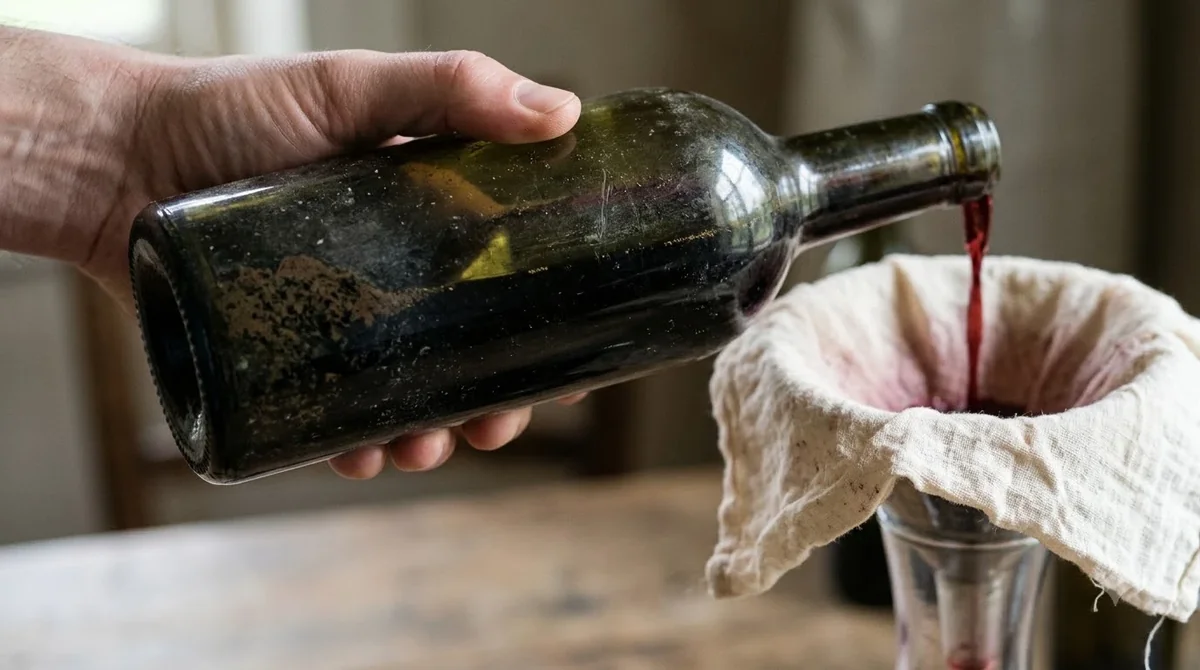
The first stage of production resembles the aging process used for Fino and Manzanilla Sherry. A protective film of flor yeast develops on the wine’s surface and influences its character during biological aging. At a later stage, the flor disappears, allowing oxygen to interact with the wine during further maturation. This second stage gradually deepens the color and develops additional aromas and flavors.
The result can range from pale topaz to deep amber. Depending on its particular aging history, a bottle may show delicate yeast notes, roasted almonds, hazelnuts, aromatic herbs, tobacco, spices, and wood. Many examples also have a subtle savory quality reminiscent of sautéed mushrooms or toasted nuts. These characteristics provide useful complexity in mixed drinks without requiring several different liqueurs.
Amontillado is generally dry rather than dessert-sweet. Wine Enthusiast describes typical examples as having approximately 18 percent alcohol by volume, considerably more than most ordinary table wines. That strength means a relatively small amount can contribute noticeable flavor to a cocktail. Its richness also allows it to complement whiskey, aged rum, and botanical spirits without making the finished drink taste excessively sugary.
Its flavor position makes it particularly useful for bartenders who enjoy both wine-based aperitifs and traditional spirit-forward drinks. Fino offers a lighter, fresher character, while Oloroso typically emphasizes oxidative richness. Amontillado sits between these approaches, retaining characteristics from its biological aging while gaining additional concentration from oxygen exposure. The Sherry Wines profile of Amontillado explains how these two stages influence its aroma, color, and finish.
For readers exploring other wine categories as cocktail ingredients, our Wine by Type guide provides useful context for understanding the differences between fortified wines, still wines, and other traditional styles.
Choosing Amontillado and Building Cocktail Balance
The most useful bottle for an Amontillado cocktail is a dry example with noticeable nutty aromas, moderate acidity, and enough oxidative character to remain identifiable after mixing. Different bottles can lean toward delicate yeast notes or deeper wood and spice flavors, so choosing according to the intended recipe makes a meaningful difference.
Start by deciding what role the Sherry will play. In a stirred aperitif, Amontillado can function as the principal wine ingredient, working alongside dry or blanc vermouth and bitters. In a whiskey-based drink, it can replace part of the conventional fortified-wine component or complement the whiskey directly. In a sour, its nutty character gives lemon or lime juice something savory to work against.
Around 1.5 ounces is a useful starting quantity for a single-serving cocktail. That amount gives the wine enough presence to contribute its characteristic aromas without dominating the supporting ingredients. Recipes using 0.5 to 1 ounce of another spirit can add strength and flavor, while vermouth can extend the drink’s wine-based character. A small quantity of sweetener is generally enough because Amontillado already brings concentration and mature flavors.
Pay attention to sweetness when selecting additional ingredients. Dry Amontillado works particularly well with restrained amounts of simple syrup, honey syrup, peach liqueur, or demerara syrup. Using too much sweetener can cover its toasted and savory characteristics. Start with approximately 0.25 to 0.5 ounce of syrup in a drink containing 1.5 ounces of Sherry, then adjust according to the acidity and sweetness of the other components.
Tip: Chill the Amontillado bottle before making stirred cocktails, and begin with a smaller sweetener measurement than you would use in a conventional whiskey sour. You can always add sweetness after tasting, but excessive syrup is harder to correct.
There are also differences between dry Amontillado and sweeter Sherry styles. A medium or cream-style Sherry does not produce the same result as a dry Amontillado because its additional sweetness changes how the cocktail balances against citrus and bitters. For a dry, savory drink, start with a bottle specifically identified as Amontillado rather than choosing a sweetened Sherry simply because it has a similar amber color.
A Stirred Amontillado Cocktail for Whiskey Drinkers
A stirred Amontillado cocktail is an excellent starting point for anyone who enjoys a Manhattan, a Martini, or a traditional aperitif. The combination of dry Sherry, rye whiskey, sweet vermouth, and bitters creates a drink with nutty depth, gentle spice, and a rounded finish.
For a straightforward home recipe, combine 1.5 ounces of dry Amontillado, 0.75 ounce of rye whiskey, 0.75 ounce of sweet vermouth, and 2 dashes of aromatic bitters. Stir the ingredients with plenty of ice until thoroughly chilled. Strain into a chilled coupe or Nick and Nora glass, then express an orange peel over the surface before using it as a garnish.
This combination deliberately gives Amontillado a leading role. Rye supplies a dry grain character and spice, while sweet vermouth introduces herbal and rounded fruit notes. The bitters connect these components and provide a slightly more persistent finish. Orange oil adds an aromatic top note without introducing additional sweetness. The finished drink should remain recognizable as a Sherry-based cocktail rather than tasting like an ordinary Manhattan with a different fortified wine.
Stirring is preferable to shaking for this style because the ingredients are already clear liquids. Stirring with ice chills the drink and introduces controlled dilution without creating unnecessary bubbles. A standard stirring time of approximately 20 to 25 seconds is a practical starting point when the ingredients are not already refrigerated. Cold ingredients may require less time. The finished drink should feel cold, integrated, and smooth rather than watery.
The Bamboo is another useful reference for this approach. Traditionally, it combines Sherry with vermouth and bitters without requiring a large measure of distilled spirits. A version using Amontillado, blanc vermouth, dry vermouth, and orange bitters shows how the wine can provide much of a cocktail’s character. For additional proportions and professional preparation advice, see VinePair’s Bamboo cocktail walkthrough.
For a richer variation, replace some of the rye with aged rum. Rum can introduce molasses, caramel, and dried-fruit notes that complement the Sherry’s oxidative character. Keep the amount relatively small at first, particularly when working with an Amontillado that already has pronounced wood and spice aromas. An additional dash of aromatic bitters can help the finished drink maintain definition.
Making a Shaken Amontillado Sour
A shaken Amontillado sour combines the wine’s nutty and savory notes with bright citrus and measured sweetness. This format is particularly useful when a stirred drink feels too spirit-forward or when you want a more aromatic cocktail with a lighter, softer texture.
For one serving, use 1.5 ounces of Amontillado, 0.5 ounce of aged rum, 0.75 ounce of fresh lemon juice, and 0.5 ounce of honey syrup. Add one egg white if you prefer a silky foam and fuller mouthfeel. Combine the ingredients in a shaker, shake without ice first if using egg white, then add ice and shake again until cold. Double-strain into a chilled coupe.
The citrus is important because Amontillado has enough richness to stand up to acidity. Lemon provides a clean, direct contrast, while lime produces a sharper and often more assertive result. Freshly squeezed juice is preferable because bottled citrus products can introduce sweetness or flavors that interfere with the wine. The 0.75-ounce measurement provides a useful initial balance against 1.5 ounces of Sherry and the smaller measure of rum.
Honey syrup contributes a rounded sweetness that suits the wine’s toasted and herbal characteristics. For a more traditional sour profile, use simple syrup instead. Start with 0.5 ounce and make small adjustments rather than automatically adding more. The goal is not to create a sweet drink; the goal is to soften the citrus sufficiently that the Amontillado remains an identifiable part of the finished cocktail.
Egg white is optional, but it creates a distinct textural change. The initial shake without ice helps incorporate air into the mixture, while the second shake with ice chills the ingredients and creates a more integrated foam. Straining twice removes larger particles and ice fragments. A few drops of aromatic bitters on top can provide extra fragrance, particularly when the drink is served without another garnish.
Fruit liqueurs also work well in this format. Peach is a particularly natural match because its soft stone-fruit character contrasts with Amontillado’s nuttiness. One established combination uses 1.5 ounces of Amontillado, 1 ounce of blanc vermouth, 0.75 ounce of lemon juice, and small amounts of peach liqueur and rich demerara syrup. The result demonstrates how a fruit component can add another dimension without requiring a large quantity of sugar.
For another example of a citrus-focused wine drink, our Riesling cocktail article explores how a more naturally high-acid wine can bring freshness to mixed drinks. Amontillado has a different flavor profile, but both styles demonstrate why acidity is important in balancing sweet cocktail ingredients.
Highballs, Spritzes, and Fruit-Forward Amontillado Drinks
Amontillado does not have to appear in a short cocktail served in a coupe. Its nutty, dry character also works in longer drinks with soda, sparkling ingredients, fruit, and fresh herbs, making it a useful choice for relaxed aperitif-style cocktails.
An easy highball requires 2 ounces of Amontillado, approximately 3 ounces of chilled soda water, and a lemon peel. Fill a tall glass with fresh ice, add the Sherry, and top with soda. Stir gently once or twice to combine without losing too much carbonation. Express a lemon peel over the drink and add it as a garnish. The result is light in texture but still retains the distinctive toasted and savory flavor of the wine.
For additional sweetness, introduce approximately 0.25 ounce of simple syrup or honey syrup before adding soda. This is often enough to soften the drink while preserving the distinction between its ingredients. A larger amount can make the cocktail feel heavy, particularly when using an Amontillado with pronounced oxidative character. A few fresh mint leaves can add fragrance, but avoid muddling them aggressively because crushed mint can produce bitter vegetal notes.
A spritz-style variation can use Amontillado as its fortified-wine component alongside sparkling wine and soda. Begin with 1.5 ounces of Amontillado, 2 ounces of dry sparkling wine, and 1 ounce of soda water. Serve over ice in a large wine glass with an orange slice. The sparkling wine extends the drink and adds lively bubbles, while the Amontillado provides a deeper nutty foundation. Dry sparkling wine is preferable because a heavily sweetened version can make the combination taste unbalanced.
Fruit-forward versions can take inspiration from pear, peach, orange, apple, and pineapple. These flavors work because they provide sweetness and fragrance without necessarily overwhelming the Sherry. Pear syrup can make a particularly interesting companion to Amontillado, while orange adds a familiar aromatic connection to the oxidative notes. A small quantity of peach liqueur gives the cocktail a softer profile, and aged rum can introduce additional depth.
Bitters are another practical way to adjust the drink without significantly changing its sweetness. Orange bitters emphasize citrus aromas, while aromatic bitters bring baking-spice characteristics. Use 1 or 2 dashes initially and taste before adding more. A bitter component can make a longer drink feel more structured, especially when soda and fruit ingredients would otherwise leave it tasting too simple.
Other fortified wines offer useful comparisons. A tawny port cocktail can provide a richer, rounder expression of nutty and oxidative flavors, generally with more noticeable sweetness. A ruby port cocktail instead emphasizes fruitier characteristics, making it a different choice for drinks built around berry flavors. Amontillado stands apart because it delivers mature nutty complexity while remaining essentially dry.
| Cocktail style | Amontillado | Other ingredients | Preparation |
|---|---|---|---|
| Stirred rye cocktail | 1.5 oz | 0.75 oz rye, 0.75 oz sweet vermouth, 2 dashes bitters | Stir with ice and strain |
| Sherry sour | 1.5 oz | 0.5 oz aged rum, 0.75 oz lemon juice, 0.5 oz honey syrup, 1 egg white (optional) | Shake and double-strain |
| Sherry highball | 2 oz | 0.25 oz simple syrup (optional), 3 oz soda water, lemon peel | Build over fresh ice |
| Sherry spritz | 1.5 oz | 2 oz dry sparkling wine, 1 oz soda water, orange slice | Build in a wine glass over ice |
These recipes provide practical starting ratios rather than fixed rules. Small differences in the Sherry’s aging character, vermouth sweetness, citrus acidity, and ice dilution will affect the finished drink. Make one adjustment at a time so you can understand how each ingredient changes the result.
Serving, Food Pairing, and Storing Amontillado
Amontillado is best served slightly chilled, with a recommended temperature of 12 to 14 degrees Celsius, approximately 54 to 57 degrees Fahrenheit. That temperature helps preserve its aromas while keeping the alcohol from becoming too prominent, and it also provides a useful starting point for preparing chilled wine-based cocktails.
For a neat serving, use a small white wine glass rather than filling a large tumbler. A controlled pour of around 3 ounces provides enough room to explore the wine’s aromas and flavor changes as it warms slightly. In a cocktail, the glass depends on the recipe: a chilled coupe suits stirred drinks and sours, while a tall highball glass provides room for ice and soda. A large wine glass works well for a spritz with sparkling wine.
Amontillado has several traditional food pairings that can also influence cocktail menus. The Sherry Wines regulatory body recommends soups, consommés, white meats, tuna, wild mushrooms, and semi-cured cheeses. These foods complement the wine’s savory and nutty characteristics. Roasted chicken, mushroom dishes, and dishes with browned butter can be particularly useful companions for a drink containing Amontillado.
Vegetables deserve attention as well. Asparagus and artichokes are notable pairings for Amontillado because their distinctive flavors can make conventional wine matches more difficult. The Sherry’s dry finish and mature character give it an interesting place alongside these vegetables. A stirred cocktail with minimal sweetness can work particularly well with roasted or grilled preparations, while a citrus-based sour may suit lighter dishes.
For spicy food, keep the cocktail relatively restrained in alcohol and tannin. Chili heat can feel more pronounced alongside alcohol and astringency, so an Amontillado highball with soda can be more comfortable than a strong whiskey-based drink. Food that includes salt and fat can soften the perception of bitterness and dryness, while citrus in the cocktail helps refresh the palate. The precise pairing will depend on the intensity of both the dish and the drink.
Store an unopened bottle in a cool, dark location away from temperature fluctuations and direct sunlight. Once opened, close it securely and keep it refrigerated. Amontillado is more resistant to oxidation than many ordinary still wines because of its fortified and oxidative aging characteristics. The Sherry Wines regulatory body indicates that opened bottles can remain suitable for consumption for months, although the exact period depends on the bottle and its storage conditions.
For cocktail preparation, keeping the opened bottle refrigerated helps maintain a consistent starting temperature. This is particularly useful for stirred drinks, where ingredients that are already cold require less stirring to reach serving temperature. Record when the bottle was opened and periodically check its aroma and flavor. Even a relatively stable fortified wine can gradually lose some of its freshness after extended storage.
Frequently Asked Questions
These questions address additional details about Amontillado cocktail ingredients, traditional drink styles, and practical preparation that can help when choosing a recipe for home entertaining.
Can you make an Amontillado cocktail without distilled spirits?
Yes. The Bamboo is a well-known example of a wine-based cocktail that combines Sherry, vermouth, and bitters without requiring whiskey, gin, or rum. A four-ingredient variation uses 1.5 ounces of Amontillado, 0.75 ounce of blanc vermouth, 0.75 ounce of dry vermouth, and one dash of orange bitters. Because Sherry is fortified wine, this drink is not alcohol-free.
Can Amontillado be used to make a traditional Sherry Cobbler?
Yes. The Sherry Cobbler is a historical drink associated with the 1830s and is traditionally built around Sherry, citrus, sweetener, and crushed ice. One straightforward version combines 3 ounces of dry Amontillado, 0.25 ounce of simple syrup, and half an orange wheel. Shake with ice, pour over fresh crushed ice, and garnish with another orange wheel.
Is Amontillado a grape variety?
No. Amontillado describes a Sherry style and its particular combination of biological and oxidative aging, rather than a grape variety. Palomino is the principal grape used for dry Amontillado, while other Sherry styles may incorporate Pedro Ximénez or Moscatel. Understanding this distinction helps when comparing different bottles in the wider Sherry category.
Can you prepare Amontillado cocktails in advance?
Stirred drinks can be batched before guests arrive, provided the mixture is kept refrigerated and dilution is handled when serving. For four versions of the rye cocktail, combine 6 ounces of Amontillado, 3 ounces of rye whiskey, 3 ounces of sweet vermouth, and 8 dashes of aromatic bitters. Stir each serving with ice when ready rather than allowing the entire batch to sit with melting ice for an extended period.
Does Amontillado work with sweet desserts?
Dry Amontillado is generally better suited to savory snacks, nuts, and cheeses than very sugary desserts. A sweet dessert can make a dry wine seem sharper and more bitter by comparison. For sweet dishes such as chocolate cake or dried-fruit pastries, consider Pedro Ximénez or Cream Sherry, which provide substantially more sweetness and are better suited to dessert pairings.
An Amontillado cocktail offers a distinctive combination of toasted nuts, savory depth, and dry fortified-wine character. Start with a simple stirred recipe or citrus sour, then explore highballs and sparkling variations as you become familiar with the wine. Choosing complementary ingredients and keeping sweetness controlled will allow Amontillado to remain the defining flavor in every glass.
More in Wine Types & Grapes
 Zinfandel Sugar Content: Dry Red vs. White Zinfandel GramsUpdated Nov 21, 2026
 Best Zinfandel Substitute Options for Sipping and CookingUpdated Nov 21, 2026
 Zweigelt Food Pairing: Best Dishes, Cheeses, and Serving TipsUpdated Nov 21, 2026
 Zinfandel Tannins Explained: How Structure Shapes Every BottleUpdated Nov 21, 2026
 Zinfandel Sweetness Level: Dry Red vs. Sweet White Zin ExplainedUpdated Nov 21, 2026
 Xinomavro Food Pairing: Best Dishes, Styles, and Serving TipsUpdated Nov 21, 2026