

We may earn a commission when you buy through links on this page, at no extra cost to you. Learn more.
Alpha Omega wine price typically ranges from about $85 to $150 for many standard Napa Valley bottles, while premium single-vineyard Cabernet Sauvignon and flagship ERA releases can cost considerably more. The winery produces Cabernet Sauvignon, Chardonnay, proprietary red blends, and other wines from distinctive Napa Valley vineyards. Understanding the differences between its standard releases, appellation-specific bottles, and limited-production wines helps buyers choose a bottle that fits their budget and occasion.
Alpha Omega is a premium Napa Valley winery based in Rutherford, California. Its reputation is closely associated with Cabernet Sauvignon, vineyard-focused winemaking, and polished red blends, but its portfolio also includes Chardonnay and Sauvignon Blanc. Prices vary considerably depending on the grape variety, vineyard designation, vintage, production volume, and purchasing channel. This guide explains the typical US retail price ranges, what distinguishes the different collections, and how to make a more informed buying decision.
Who This Is For
Alpha Omega wines appeal to buyers who appreciate Napa Valley winemaking and want bottles with identifiable regional character. The portfolio includes accessible entry points as well as expensive vineyard-designated wines, making it useful to understand the different categories before selecting a bottle.
First-time buyers are often best served by starting with the Napa Valley Cabernet Sauvignon or Proprietary Red. These wines provide an introduction to the winery’s style without requiring the commitment associated with a rare single-vineyard release. A bottle from the Napa Valley collection can also be a practical introduction for someone familiar with other premium California producers but unfamiliar with Alpha Omega.
Experienced Cabernet Sauvignon drinkers may prefer exploring the appellation-specific releases. Wines associated with Rutherford, Oakville, Coombsville, Atlas Peak, and Spring Mountain provide opportunities to compare different Napa Valley growing environments. Their prices can be substantially higher than those of the general Napa Valley bottling, particularly when production is limited.
Chardonnay drinkers should not overlook the white-wine selection. Alpha Omega offers Napa Valley Chardonnay and Reserve Chardonnay, with different levels of selection and positioning. The regular Chardonnay is a sensible starting point for someone who wants to explore the winery without purchasing a premium Cabernet.
Gift buyers also have several options. A Napa Valley Cabernet Sauvignon works for someone who enjoys classic California reds, while ERA or a single-vineyard Cabernet makes a more substantial presentation for a serious collector. For a recipient who prefers white wine, Reserve Chardonnay provides an alternative to the winery’s better-known reds.
Buyers should also consider their intended drinking occasion. A bottle for a casual dinner does not necessarily need the same vineyard specificity or cellar potential as a bottle intended for a milestone celebration. Paying more makes sense when the additional characteristics are important to the recipient.
Key Factors to Compare Before Paying
The main factors affecting Alpha Omega wine price are the wine category, vineyard designation, vintage, production volume, and retailer. A general Napa Valley Cabernet and a limited single-vineyard Cabernet may share the same principal grape variety but occupy very different positions in the winery’s portfolio.
For a useful starting point, the following table summarizes indicative US retail ranges for selected Alpha Omega wines. These are approximate ranges rather than fixed winery prices, and individual vintages may fall outside them.
| Wine category | Typical US retail range | 750 ml bottle | Best suited to |
|---|---|---|---|
| Napa Valley Cabernet Sauvignon | About $115–$150 | 750 ml | First-time buyers and Cabernet enthusiasts |
| Older Napa Valley Cabernet releases | About $75–$100 | 750 ml | Vintage-specific shoppers |
| Napa Valley Proprietary Red | About $120–$150 | 750 ml | Red-blend enthusiasts |
| Appellation-specific Cabernet Sauvignon | About $180–$200 | 750 ml | Regional wine comparisons |
| Single-vineyard Cabernet Sauvignon | About $315–$330 | 750 ml | Collectors and special occasions |
| Napa Valley Chardonnay | About $85–$95 | 750 ml | Premium white-wine drinkers |
| Reserve Chardonnay | About $170–$180 | 750 ml | Special dinners and premium gifts |
| ERA Napa Valley | About $340–$380 | 750 ml | Flagship-wine collectors |
These indicative ranges are based on DailyVino’s US retailer listings, which include approximately $123 for Napa Valley Cabernet Sauvignon, $180 to $200 for selected appellation-specific Cabernets, $315 to $330 for selected single-vineyard bottlings, and approximately $340 to $380 for ERA. The platform also lists Napa Valley Chardonnay around $86 and Reserve Chardonnay around $175 per 750 ml bottle. Its listings can reflect estimated prices based on comparable vintages, so they should be treated as market guidance rather than guaranteed offers. Prices vary by state and retailer.
Older releases can sometimes appear at lower prices than newer standard bottlings. For example, K&L Wine Merchants listed the 2021 Napa Valley Cabernet Sauvignon at approximately $90 per 750 ml bottle, although that particular listing was out of stock. This illustrates why vintage availability and retailer inventory matter when comparing bottles.
1. Wine category
Cabernet Sauvignon, Chardonnay, Proprietary Red, and ERA are not interchangeable purchases. They differ in grape composition, winemaking choices, intended audience, and position within the portfolio. A buyer who prefers full-bodied reds may find the Cabernet range more appealing, while someone who prefers a balanced white wine may get more enjoyment from Chardonnay.
2. Vineyard designation
A general Napa Valley designation covers fruit from a broader regional selection. A vineyard-designated wine identifies a more specific source and may represent a smaller production. Alpha Omega sources fruit from several Napa Valley areas, including Oakville, Rutherford, Coombsville, and Atlas Peak. These geographical distinctions help explain why similarly named Cabernet Sauvignon bottles can carry different price tags.
3. Vintage and availability
Vintage differences can influence availability and pricing. An older bottle may be less expensive because of its remaining inventory, but another older release can command a premium if collectors are seeking it. Compare the exact vintage, bottle size, and condition rather than assuming that older automatically means better value.
4. Purchasing channel
Alpha Omega emphasizes direct sales through its winery and membership program. The winery states that more than 90% of its wine is sold directly to guests and members. Independent retailers may carry selected bottles, but their inventory and pricing can differ from the winery’s own offerings.
Step-by-Step: How to Choose an Alpha Omega Bottle
A straightforward buying process can prevent overspending on a bottle that does not match your preferences. Start with the wine style, establish a realistic budget, and then compare the specific vintage and vineyard designation.
-
Decide whether you want red or white wine.
Start with Cabernet Sauvignon or Proprietary Red if you enjoy structured Napa reds. Choose Chardonnay if you prefer a richer white wine, or consider Sauvignon Blanc for a fresher alternative. The winery’s portfolio includes all these categories.
-
Set a bottle budget.
Separate standard regional bottlings from premium releases. For example, a buyer comparing standard Napa Valley Cabernet should not use the pricing of ERA or a limited single-vineyard Cabernet as the reference point for the entire brand.
-
Choose between regional and vineyard-specific wines.
The Napa Valley Cabernet is a useful starting point. Buyers who already know the winery may want to explore Rutherford, Oakville, or Coombsville releases to investigate more specific regional expressions.
-
Compare the exact vintage.
Look at the vintage, bottle size, retailer description, and availability. The 2021 Cabernet Sauvignon, for example, has published professional reviews that describe its fruit character, texture, and oak treatment. Those details can help buyers distinguish it from another vintage.
-
Read professional tasting descriptions.
Look for descriptions of fruit, acidity, tannins, oak, and body. A buyer who prefers a softer texture may prioritize different characteristics from someone who enjoys firm tannins and concentrated dark fruit.
-
Check direct and independent purchasing options.
Compare the winery’s current releases with reputable US wine retailers. The winery’s current Alpha Omega wine collection provides information about its available categories and descriptions. Independent retailer listings can help establish a separate market reference.
-
Consider membership only if you purchase regularly.
Alpha Omega’s wine club offers preferred pricing, access to exclusive allocations, and single-vineyard releases. These benefits may be relevant to someone who expects to purchase several bottles throughout the year rather than making a single occasional purchase.
-
Match the wine to its occasion.
Choose a regional Cabernet for a dinner with friends, a Reserve Chardonnay for a white-wine enthusiast, or ERA for a recipient who appreciates the winery’s flagship selection. The most expensive option is not automatically the most appropriate one.
Tip: Compare at least two bottles from the same vintage before paying a premium for a vineyard designation. This makes it easier to separate the value of the wine’s specific origin from differences caused by vintage, availability, and retailer pricing.
For additional background on the producer and its place in the broader American wine market, the Alpha Omega wine overview provides another useful starting point. It can help buyers understand the winery before comparing individual releases.
Types and Styles Explained
Alpha Omega’s portfolio covers several distinct wine styles, with Cabernet Sauvignon occupying an important position. Understanding what each category offers helps explain the differences in price and makes it easier to select a bottle for a particular drinking preference.
Napa Valley Cabernet Sauvignon
The standard Napa Valley Cabernet Sauvignon is a logical introduction to the winery. Alpha Omega describes its regional Cabernet as balanced and polished, with ripe dark fruit and a smooth finish. It provides an overview of the winery’s approach without requiring buyers to begin with a vineyard-specific release.
Cabernet Sauvignon is naturally associated with substantial tannin and a firm structure. In Alpha Omega’s 2021 Napa Valley bottling, Decanter highlighted blackberry, black cherry, cedarwood, tobacco spices, and firm tannins. The publication also described the wine as medium to full-bodied, making it a useful reference for understanding the style.
For dinner, this category works particularly well with grilled beef, lamb, roasted mushrooms, and dishes featuring savory herbs. A full-bodied Cabernet can stand up to the richness of these foods. Serving it at approximately 60 to 65 degrees Fahrenheit helps prevent the alcohol from becoming too prominent.
Appellation-Specific Cabernet Sauvignon
These wines focus on grapes from named Napa Valley growing areas. Alpha Omega’s vineyard sourcing includes locations such as Oakville, Rutherford, Coombsville, Atlas Peak, and Spring Mountain. Each location offers a different geographical context for understanding Napa Valley Cabernet Sauvignon.
For example, Oakville and Rutherford are established Napa Valley Cabernet locations, while Atlas Peak and Spring Mountain represent mountain-growing areas. Comparing these designations can be interesting for enthusiasts who want to investigate how vineyard location influences the finished wine.
Appellation-specific releases generally sit above the regional Cabernet in the winery’s portfolio. DailyVino’s listings place selected Alpha Omega appellation Cabernets around $180 to $200 per 750 ml bottle. The exact cost depends on the wine and vintage, and prices vary by state and retailer.
Single-Vineyard Cabernet Sauvignon
Single-vineyard wines represent a more specific expression of the winery’s vineyard sourcing. Alpha Omega identifies vineyards such as Beckstoffer To Kalon, Beckstoffer Georges III, Beckstoffer Dr. Crane, Stagecoach, and Sleeping Lady among its sourcing portfolio.
These releases are particularly relevant to collectors who want to compare individual vineyard expressions rather than simply purchasing another bottle of Napa Valley Cabernet. Limited production and the reputation of particular vineyard sites can contribute to higher retail prices.
DailyVino lists selected Alpha Omega single-vineyard Cabernet Sauvignon releases around $315 to $330 per 750 ml bottle. These are premium purchases, so buyers should compare the vineyard designation, vintage, and intended drinking period before choosing one. Prices vary by state and retailer.
Proprietary Red and ERA
Alpha Omega’s Proprietary Red is a changing Bordeaux-style blend. Its composition depends on the vintage rather than following an identical recipe every year. The winery identifies Cabernet Sauvignon, Merlot, Malbec, Petit Verdot, and Cabernet Franc in its 2022 blend.
This approach allows the winery to adjust the combination of grapes according to the character of each harvest. It also gives buyers an alternative to varietal Cabernet Sauvignon while retaining a connection to classic Bordeaux blending traditions.
ERA is the winery’s flagship red blend and occupies a higher position in its collection. DailyVino’s listings place selected ERA releases around $340 to $380 per 750 ml bottle. That premium makes it more appropriate for serious enthusiasts, collectors, and special occasions than for everyday drinking. Prices vary by state and retailer.
Chardonnay and Sauvignon Blanc
Chardonnay offers a different experience from the winery’s Cabernet-focused selection. Alpha Omega describes its Napa Valley Chardonnay as creamy and layered, with a fresh finish and fruit sourced from Carneros. Its Reserve Chardonnay receives more selective barrel-by-barrel attention and represents the premium end of the white-wine program.
The winery’s Sauvignon Blanc 1155 is another interesting option. It is named after the winery’s address and comes from vines planted in 1993 near Highway 29. The winery describes the wine with notes of honeydew melon, grapefruit, citrus, green apple, and almond.
For buyers interested in these styles, the standard Chardonnay is a sensible starting point. DailyVino lists the Napa Valley Chardonnay around $85 to $95 and Reserve Chardonnay around $170 to $180 per 750 ml bottle. These are approximate retailer-market ranges, and prices vary by state and retailer.
Common Mistakes When Comparing Alpha Omega Prices
The biggest purchasing mistakes involve comparing wines that belong to different categories or assuming that a higher retail price automatically indicates a better match for personal preferences. A few careful comparisons can make the buying process more accurate.
Comparing different vineyard designations as identical wines
A Napa Valley Cabernet Sauvignon and a Cabernet Sauvignon from Beckstoffer To Kalon Vineyard have different sourcing identities. Even though both are Cabernet-based wines, their production quantities, vineyard origins, and market positioning can differ substantially.
Compare the regional bottling with another regional bottling first. If you want to investigate vineyard-specific wines, compare those separately. This avoids confusing differences in origin with differences in quality or value.
Ignoring vintage differences
Two bottles with the same wine name can represent different harvest conditions and different blending decisions. Alpha Omega’s Proprietary Red is particularly important in this respect because its grape composition changes according to the vintage.
Look for vintage-specific descriptions rather than relying exclusively on a general product name. Professional reviews can provide useful information about the fruit profile, structure, and expected drinking window of a particular release.
Assuming every bottle is equally available
Alpha Omega emphasizes direct-to-consumer sales, and the winery reports that more than 90% of its wine is sold directly to guests and members. Consequently, a particular single-vineyard release may be difficult to locate through an ordinary retail search.
Limited availability can also make comparisons less straightforward. One retailer might carry an older vintage while another lists a newer release. Those bottles should not automatically be considered equivalent purchases.
Choosing by price instead of drinking preference
A buyer who enjoys medium-bodied red blends may not necessarily prefer a more expensive, tannin-heavy Cabernet Sauvignon. Similarly, a Chardonnay enthusiast may get more enjoyment from the Reserve Chardonnay than from a flagship red blend.
Consider the wine’s style before evaluating its position in the price hierarchy. A suitable bottle should match the recipient’s preferences, food, and occasion rather than simply represent the highest-priced selection available.
Overlooking the wine club
Regular purchasers sometimes overlook the potential advantages of buying directly from the winery. Alpha Omega’s membership program includes preferred pricing, access to exclusive allocations, and single-vineyard releases.
However, membership is not automatically the right choice for everyone. Someone purchasing one bottle occasionally may find ordinary retail purchasing more practical, while a collector who regularly follows new releases may value allocation access.
For shoppers exploring more affordable American wine producers, comparing Barefoot wine can also provide context about how different winery business models and wine categories serve different budgets. It is a different market segment, rather than a direct substitute for Alpha Omega’s premium Napa Valley collection.
Care and Storage Tips for Premium Napa Wines
Proper storage and serving conditions help preserve the qualities that make premium bottles worth purchasing. Temperature, light exposure, bottle position, and opening time all influence the experience, particularly with structured Cabernet Sauvignon and collectible releases.
Store bottles at a consistent temperature
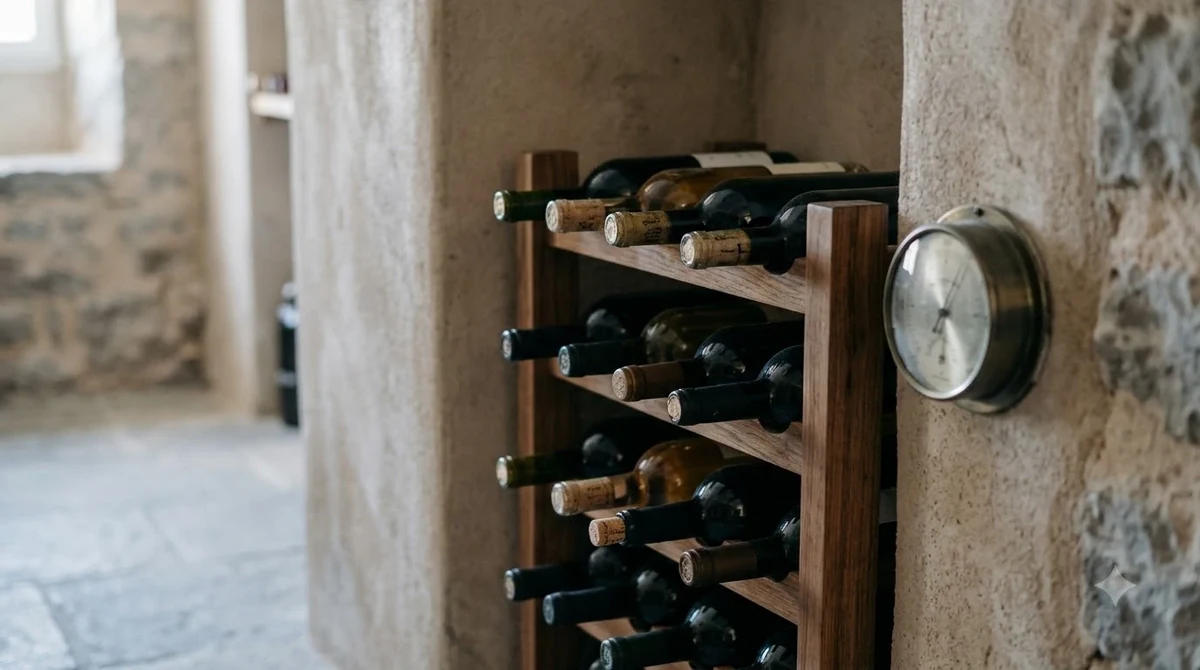
A temperature near 55 degrees Fahrenheit is a useful target for storing wine. Avoid locations that experience repeated temperature fluctuations, such as kitchen cabinets beside ovens or areas exposed to direct sunlight.
For bottles sealed with natural cork, horizontal storage keeps the cork in contact with the wine. This helps prevent the cork from drying out. Keep bottles away from strong vibrations and excessive light, especially when planning to hold a premium bottle for several years.
Serve Cabernet Sauvignon at an appropriate temperature
Full-bodied red wines generally show well at approximately 60 to 65 degrees Fahrenheit. Serving Cabernet Sauvignon significantly warmer can make alcohol seem more pronounced and reduce the impression of freshness.
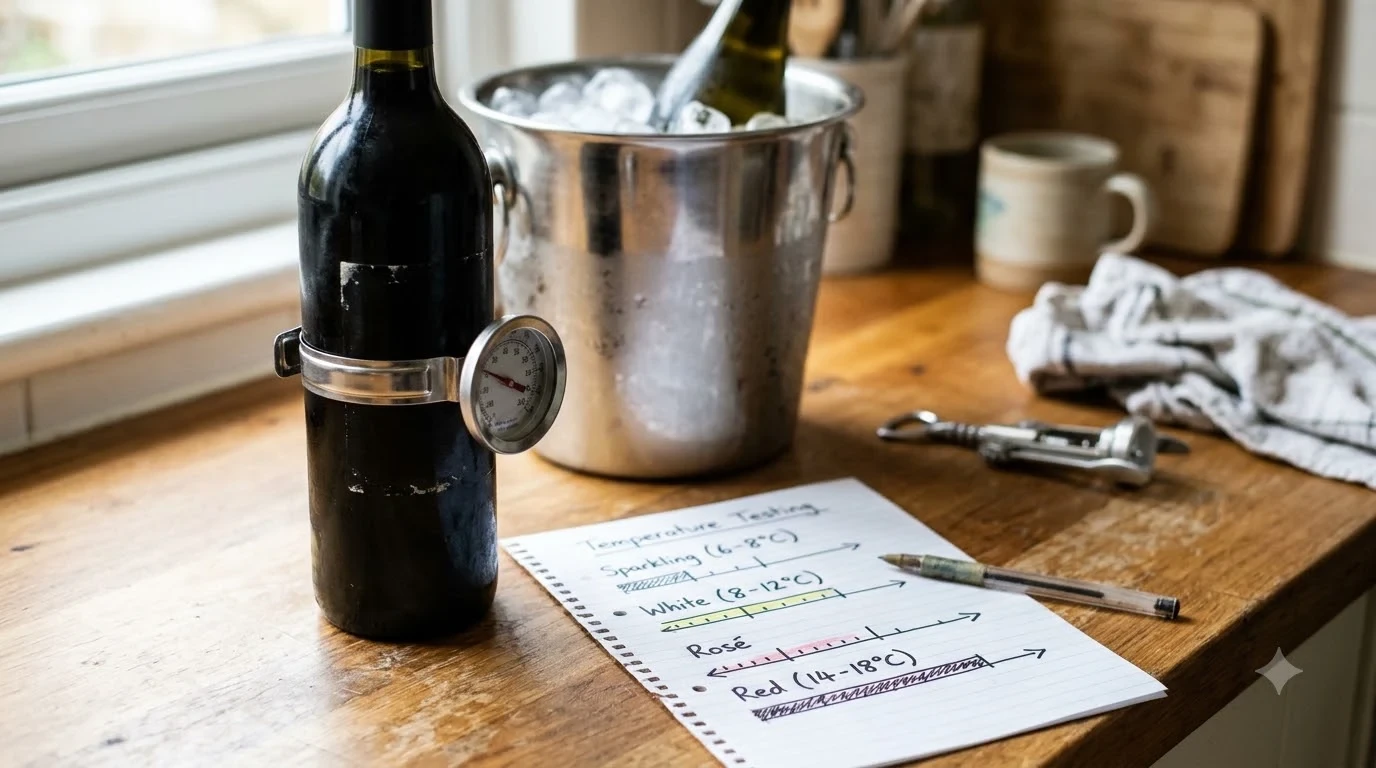
If the bottle has been stored at room temperature in a warm environment, a short period of cooling can help bring it closer to the desired serving range. Use a wine thermometer when precision matters, especially for expensive bottles.
Allow young Cabernet Sauvignon to breathe
Young, full-bodied Cabernet Sauvignon can benefit from 30 to 60 minutes of decanting. Exposure to air may help soften the initial impression of tannin and make aromatic characteristics easier to appreciate.
Start with a shorter period and assess the wine as it develops. Not every vintage or bottle needs the same treatment. Older bottles can be more delicate, so extended aeration may not always be appropriate.
Choose suitable glassware
A large-bowled red wine glass is a practical choice for Cabernet Sauvignon. Its shape provides room for swirling and allows aromas to collect above the wine. Chardonnay can be served in a smaller white wine glass that helps maintain its freshness while still allowing the aromas to develop.
For a standard tasting pour, approximately 5 ounces is a useful measure. A 750 ml bottle provides roughly five standard glasses, making it easier to plan how many bottles are needed for a dinner or small gathering.
Preserve opened bottles properly
After opening a still wine, replace the closure and store the bottle in the refrigerator. Most opened still wines are best consumed within approximately three to five days, although the actual result depends on the wine, storage conditions, and amount of oxygen exposure.
For premium Cabernet Sauvignon, minimizing air exposure can be particularly helpful if the bottle will not be finished in one sitting. A suitable wine preservation system can slow oxidation and help maintain the remaining wine’s character.
Buyers who want to explore additional sparkling wine options for celebrations can also read about La Marca Prosecco. It offers a different style and price segment from Alpha Omega’s still Napa Valley wines, making it a useful alternative when selecting beverages for different guests and occasions.
Frequently Asked Questions
Is Alpha Omega considered a luxury Napa Valley winery?
Yes. Alpha Omega operates in Rutherford and produces premium wines, including limited vineyard-designated Cabernet Sauvignon and the flagship ERA. Its estate also offers private tastings and specialized wine experiences. Its position in the premium market is reflected in both its product selection and its direct-to-consumer business model.
Who owns Alpha Omega Winery?
Robin and Michelle Baggett are identified as the proprietors of Alpha Omega by Napa Valley Vintners. The winery was founded in 2006. Its family-owned identity is part of its background in Rutherford, where the estate combines wine production with visitor experiences.
Can someone visit Alpha Omega Winery without purchasing a wine club membership?
Yes. Alpha Omega states that membership is not required for visitors to enjoy a tasting. Its Rutherford estate welcomes guests, and reservations are recommended. The winery also offers private tasting experiences and separate tasting options through its downtown Napa location.
Does Alpha Omega produce wines other than Cabernet Sauvignon?
Yes. Its portfolio includes Chardonnay, Sauvignon Blanc, Merlot, Malbec, Cabernet Franc, Petit Verdot, rosé, and dessert wines. The winery also produces Proprietary Red, which changes its grape composition according to the vintage. This variety gives buyers several options beyond traditional Napa Cabernet.
What is the difference between Alpha Omega’s Rutherford winery and Alpha Omega Collective?
The Rutherford estate is located at 1155 Mee Lane, while Alpha Omega Collective is a separate tasting location at 1245 First Street in downtown Napa. Both provide opportunities to discover the winery’s wines, but the Rutherford property is associated with the estate’s vineyards, fountains, and Mayacamas Mountain views.
Alpha Omega offers several ways to explore premium Napa Valley wine, from its regional Cabernet Sauvignon and Chardonnay to limited single-vineyard releases and ERA. The right purchase depends on the style, vintage, vineyard designation, and occasion rather than price alone. Comparing these details before ordering makes it easier to select an Alpha Omega bottle that delivers the experience you actually want.
More in Wine Brands
 Underwood Wine Price: Compare Bottles, Cans, and Pack SizesUpdated Nov 21, 2026
 Zenato Wine Price: Compare Styles and Choose the Right BottleUpdated Nov 21, 2026
 Zuccardi Wine Price: Compare Bottles and Find the Right RangeUpdated Nov 21, 2026
 Yellow Tail Moscato Review: Taste, Sweetness and Serving TipsUpdated Nov 21, 2026
 Wolf Blass Yellow Label Review: Choose Your Best StyleUpdated Nov 21, 2026
 Wolffer Estate Rose Review: Choose the Right Bottle for Your TableUpdated Nov 21, 2026