

We may earn a commission when you buy through links on this page, at no extra cost to you. Learn more.
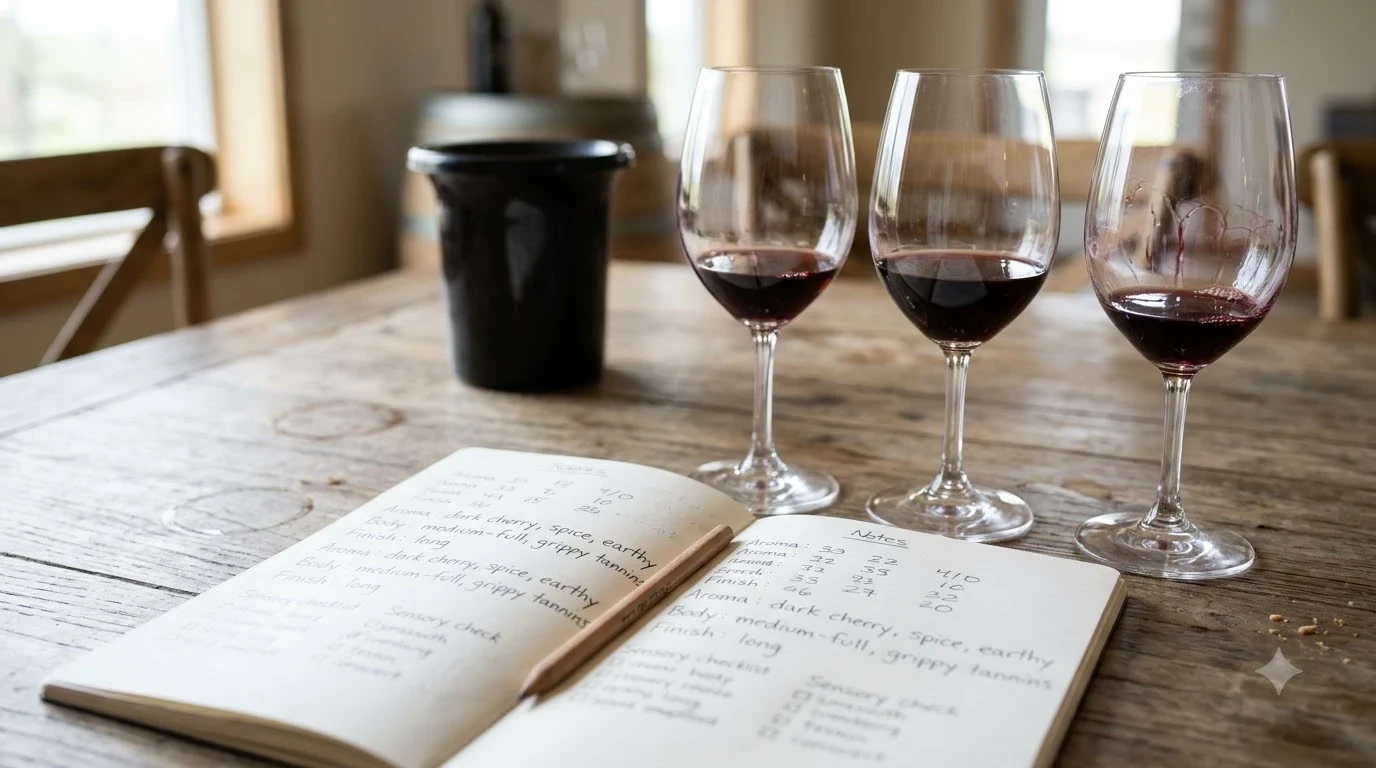
Aloxe Corton wine tasting introduces you to structured, aromatic Pinot Noir from one of Burgundy’s most distinctive Côte de Beaune villages, where limestone-rich soils and carefully classified vineyards shape wines with dark fruit, firm tannins, and impressive aging potential. Expect aromas of cherry, raspberry, blackberry, and floral notes in younger bottles, followed by earthy and spicy characteristics as the wine matures. A good tasting compares Village and Premier Cru bottlings to reveal how vineyard location influences texture, concentration, and complexity.
Located beneath the famous Corton hill, Aloxe-Corton offers an opportunity to explore Burgundy through its vineyards rather than grape variety alone. The appellation has a strong identity built around Pinot Noir, a small amount of Chardonnay, and 14 officially recognized Premier Cru Climats. Understanding its geography, classifications, and winemaking choices makes each glass more interesting, whether you are visiting a Burgundy cellar or organizing a tasting at home. Here is what to look for when exploring this celebrated French wine appellation.
1. Understanding the Aloxe-Corton Appellation and Its Burgundy Location
Aloxe-Corton is a Village-level appellation in the northern Côte de Beaune, part of Burgundy’s Côte-d’Or wine region. Its position near the Corton hillside places it between important neighboring wine communities, including Ladoix-Serrigny and Pernand-Vergelesses, creating a distinctive setting for structured Pinot Noir.
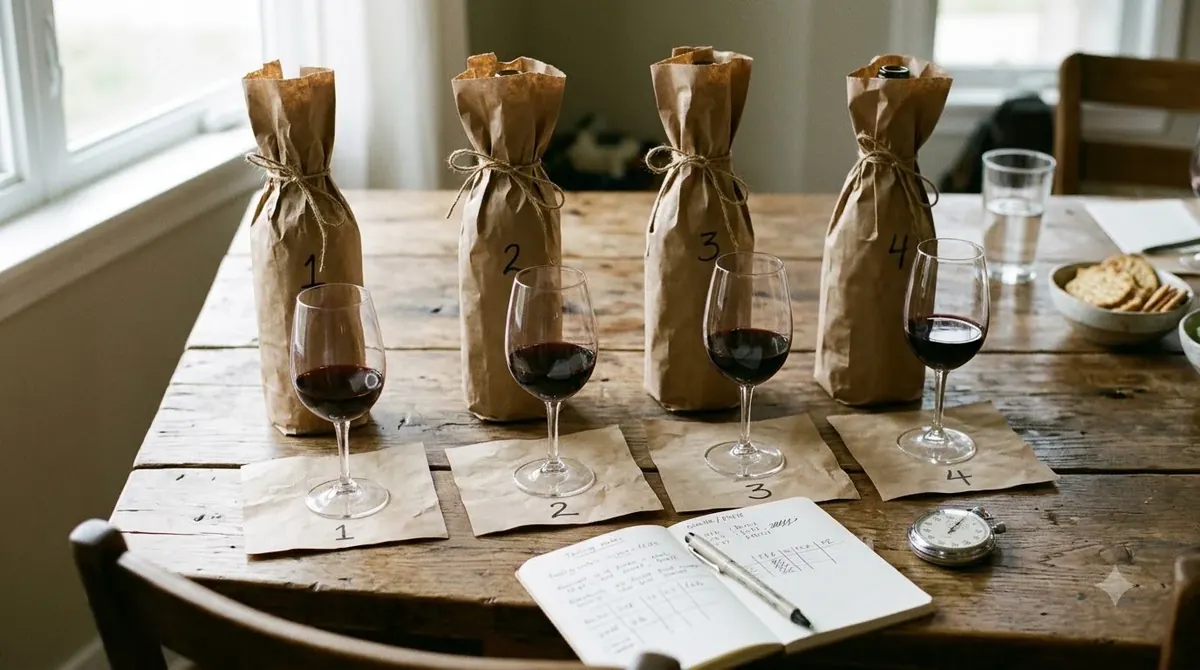
The appellation received its official designation in 1938. According to the Bourgogne Wine Board, its production area includes approximately 112.62 hectares of red vineyards and just 1.62 hectares of white vineyards. These figures demonstrate why Aloxe-Corton is primarily associated with red wine. Pinot Noir defines its reputation, while Chardonnay accounts for a particularly limited production.
The appellation also has a useful geographical distinction. Its vineyards are associated with two producing communes: Aloxe-Corton and Ladoix-Serrigny. The village sits near the foot of the famous hill of Corton, which connects the Côte de Beaune landscape with the northern Burgundy vineyards.
Pronunciation is straightforward once you know the French sound: Aloxe is approximately pronounced “Alosse.” Learning this makes conversations with local wine producers and restaurant staff easier. It is also useful to understand that Aloxe-Corton is not interchangeable with Corton or Corton-Charlemagne. These are distinct appellations associated with the same broader hillside and its prestigious vineyard landscape.
For visitors planning a broader Burgundy exploration, Aloxe-Corton makes an interesting stop alongside neighboring wine communities. Comparing its structured reds with wines from other French regions, such as those featured in this Alsace wine tasting overview, illustrates how geography and grape selection influence regional wine identities.
Understanding the geographical setting provides the foundation for evaluating the wine itself. Rather than expecting every bottle to taste identical, approach Aloxe-Corton as a collection of individual vineyard expressions within one recognizable appellation.
2. Corton Hill’s Terroir and the Importance of Premier Cru Climats
The character of Aloxe-Corton comes from the interaction between hillside position, soil composition, and vineyard exposure. Its vineyards occupy elevations of approximately 200 to 300 meters, where differences in soil and slope contribute to meaningful variations between individual Climats.
The Bourgogne Wine Board describes the area’s soils as reddish-brown, with flint and limestone fragments known locally as chaillots. Clay and marl also occur throughout the hillside. These materials influence drainage, water availability, and the conditions under which Pinot Noir ripens.
Vineyard position is particularly important. Northern sites generally produce more tender and fruit-forward wines, while southern sites tend to produce firmer, more complex expressions. Pebbly soils often favor supple textures, whereas heavier clay and marl can contribute to more substantial structure.
During a tasting, these differences provide a useful framework. If two bottles come from different parts of the hillside, compare their tannins, fruit intensity, and overall weight. One might emphasize fresh raspberry and cherry, while another could show darker fruit, more pronounced structure, and a longer developing finish.
Village and Premier Cru classifications
Aloxe-Corton includes 14 officially recognized Premier Cru Climats. These vineyard designations identify specific sites with their own geographical boundaries and established wine identities.
Examples include Les Fournières, Les Maréchaudes, Les Chaillots, Les Paulands, Les Vercots, Clos du Chapitre, and Les Valozières. Clos des Maréchaudes and La Coutière are additional names worth recognizing when examining labels.
A Village bottle generally displays Aloxe-Corton as its appellation name. A Premier Cru bottle can include both Aloxe-Corton Premier Cru and the name of its particular Climat. This distinction matters because a Premier Cru designation identifies a recognized vineyard classification rather than simply indicating that a producer has made a more expensive or older wine.
Tip: Compare a Village Aloxe-Corton with a Premier Cru from Les Fournières or Les Maréchaudes. Focus on the differences in tannin, fruit concentration, and finish instead of assuming that the Premier Cru bottle will automatically be your preferred style.
The broader Corton hillside also contains Grand Cru appellations, including Corton and Corton-Charlemagne. Although these names are closely associated with the landscape, they represent separate appellations and should not be confused with Aloxe-Corton Premier Cru.
This classification system makes Burgundy especially rewarding for comparative tasting. A useful introduction to the wider system is available through Wine Regions, where geographical origin and appellation terminology provide context for understanding regional differences.
3. What Aloxe-Corton Wine Tastes Like: Aromas, Texture, and Structure
Aloxe-Corton red wine is typically recognizable by its combination of dark fruit, savory complexity, and substantial Pinot Noir structure. Young examples often show cherry, raspberry, strawberry, blackcurrant, and blackberry, while mature bottles can develop earthy, floral, and spice-driven aromas.
Begin by examining the wine’s color. Young examples often show deep ruby or crimson tones, sometimes with a slightly darker appearance than lighter-bodied Pinot Noir from other Burgundy villages. As the wine ages, its color can develop garnet or brick-red reflections around the rim.
On the nose, look for layers rather than one dominant aroma. Fresh cherry and raspberry might appear first, followed by blackberry, blackcurrant, and floral hints of peony or jasmine. Some bottles also reveal subtle spice, depending on vineyard conditions, vintage, and winemaking decisions.
With bottle age, the aromatic profile can become more savory. Truffle, mushroom, leather, prune, preserved fruit, pistachio, and cinnamon are among the characteristics identified by the Bourgogne Wine Board. These secondary and tertiary aromas are particularly interesting when comparing a younger Village wine with an older Premier Cru bottle.
Evaluating the palate
Take a moderate sip and pay attention to the relationship between fruit, acidity, tannin, and alcohol. Aloxe-Corton is generally fuller and more structured than the lightest expressions of Pinot Noir. Its tannins can feel firm and persistent, especially in younger bottles.
Acidity helps preserve freshness and prevents the wine’s dark fruit flavors from becoming heavy. The texture can range from supple and rounded to dense and firmly structured, depending on the vineyard and producer.
The finish deserves particular attention. Rather than focusing only on how long the wine remains noticeable, identify which flavors persist. Cherry, black pepper, earth, spice, and subtle oak can remain after the initial fruit impression has faded.
For a practical tasting exercise, use the following sequence:
- Appearance: Observe the ruby, crimson, or garnet color and examine the rim for signs of development.
- First aroma: Identify fresh fruit such as cherry, raspberry, or blackberry.
- Secondary aroma: Look for peony, earth, mushroom, or spice.
- Palate: Evaluate acidity, tannin, body, and fruit concentration.
- Finish: Notice whether fruit, savory flavors, or oak remain most prominent.
Remember that producer choices influence the final result. Oak aging, fermentation techniques, extraction, and harvest conditions all affect how the grape expresses itself. Aloxe-Corton should therefore be approached as a recognizable regional style rather than a rigid flavor formula.
4. How to Organize an Aloxe-Corton Wine Tasting Experience
A focused Aloxe-Corton wine tasting works best when the wines are arranged to demonstrate meaningful differences in vineyard origin, classification, and maturity. Three or four bottles provide enough variety to compare styles without overwhelming the palate.
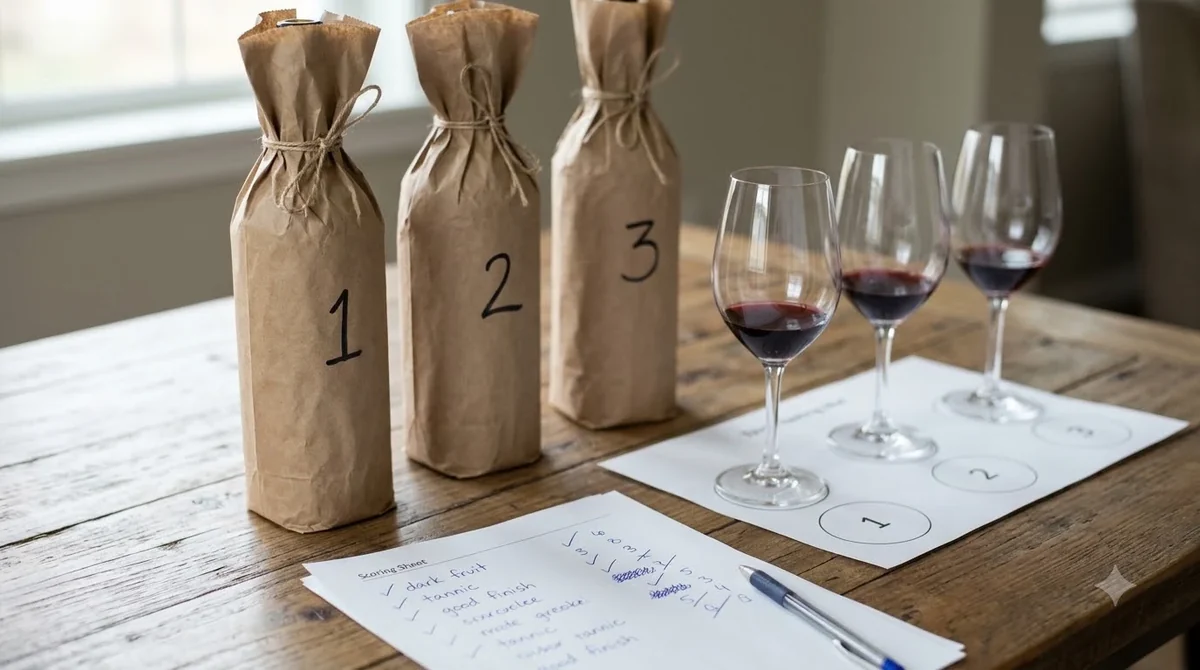
A practical starting point is a Village bottling, followed by two Premier Cru wines from different Climats. If available, finish with a mature bottle to explore how the aromas and tannins develop over time. This approach makes the tasting educational even for people who already know Burgundy Pinot Noir.
A suggested four-wine tasting sequence
Begin with a Village Aloxe-Corton. This bottle establishes the general character of the appellation and introduces the relationship between red fruit, dark fruit, and firm tannins.
Continue with a Premier Cru from Les Fournières. Pay attention to whether the wine shows additional concentration, more pronounced tannin, or a longer finish compared with the Village example.
For the third wine, choose a bottle from Les Maréchaudes or Les Vercots. These additional vineyard expressions help demonstrate why individual Climats matter in Burgundy. Differences in soil, position, producer, and vintage can create distinct tasting experiences.
Finish with an older Aloxe-Corton, ideally one with several years of bottle development. Look for changes from fresh raspberry and cherry toward mushroom, leather, dried fruit, and spice. The goal is to understand how maturity changes the wine’s aromatic and textural profile.
Suggested tasting order and comparison points
| Tasting stage | Wine selection | Primary focus | Suggested pour |
|---|---|---|---|
| 1 | Village Aloxe-Corton | Fresh fruit and basic structure | 2 oz |
| 2 | Premier Cru Les Fournières | Tannin and concentration | 2 oz |
| 3 | Premier Cru Les Maréchaudes | Vineyard character and finish | 2 oz |
| 4 | Mature Aloxe-Corton | Earthy aromas and development | 2 oz |
These 2-ounce tasting pours allow participants to compare four wines without requiring a full standard serving of each. Provide water and plain bread between samples, and avoid strongly flavored foods until the structured comparisons are complete.
Record the producer, vintage, vineyard designation, serving temperature, and personal impressions for each bottle. A simple notebook is useful because memory can make two wines seem more similar than they actually were.
For a more comprehensive regional comparison, you can also explore a different Old World and New World tasting format. A Willcox wine tasting offers an interesting contrast in climate, grape selection, and regional wine identity.
5. Serving Temperature, Decanting, and Bottle Aging
Temperature and aeration have a noticeable influence on how Aloxe-Corton expresses its fruit and tannins. Serve the wine slightly cool, generally around 59–61°F, and adjust decanting according to its age and structure.
The Bourgogne Wine Board recommends 15–16°C, equivalent to approximately 59–61°F. This range is a useful starting point because it allows the wine’s fruit and savory aromas to emerge without making the alcohol feel overly prominent.
A wine served too warm may seem heavier, with alcohol becoming more noticeable and the fruit appearing less precise. Excessive chilling can make tannins feel more prominent and suppress some of the wine’s aromatic detail.
If a bottle has been stored at normal room temperature, a short period in the refrigerator can bring it closer to the recommended serving range. Check the temperature before pouring rather than relying only on the time spent chilling.
Decanting young and mature bottles
Young, full-bodied reds can benefit from 30–60 minutes of decanting. This gives a structured Aloxe-Corton time to open up and allows its fruit, floral notes, and savory characteristics to become easier to recognize.
For an older bottle, use a more cautious approach. Mature Pinot Noir can be sensitive to prolonged exposure to air, and its delicate aromas may fade if it remains in a decanter for too long. If sediment is present, pour carefully and leave the deposit behind.
Understanding aging potential
Aloxe-Corton has meaningful cellar potential, although the appropriate aging period depends on the producer, vintage, vineyard, and storage conditions. The Bourgogne Wine Board describes a typical three-to-five-year development period, while producer recommendations can extend considerably longer for particular bottlings.
For example, Château de Meursault gives a conservation period of seven to ten years for its Aloxe-Corton from Les Cras. Its recommendation illustrates how vineyard selection and winemaking can influence a bottle’s expected development.
Store bottles horizontally in a dark, stable environment near 55°F, away from vibration and sudden temperature changes. Consistent conditions are more useful than trying to create dramatic temperature fluctuations between seasons.
The following table provides a practical reference for planning a tasting:
| Wine characteristic | Practical recommendation | Reason |
|---|---|---|
| Serving temperature | 59–61°F | Preserves freshness and aromatic detail |
| Young full red decanting | 30–60 minutes | Allows firm structure to open |
| Standard tasting pour | 5 oz | Provides a consistent comparison measure |
| Standard bottle | 750 ml | Approximately five standard glasses |
| Storage temperature | Near 55°F | Supports stable bottle development |
6. Food Pairings That Complement Aloxe-Corton’s Structure
Aloxe-Corton pairs particularly well with dishes that have enough flavor and texture to complement its dark fruit and firm tannins. Beef, lamb, roasted poultry, pork, and mature cheeses are reliable starting points for a successful meal.
The wine’s tannins interact favorably with protein and fat, which can soften their drying sensation. This makes marbled beef, slow-cooked lamb, and rich meat preparations especially suitable choices.
For a classic French pairing, serve Aloxe-Corton with rib steak or braised lamb. The savory character of the meat complements the wine’s fruit and earthy notes, while the fat provides a pleasing contrast to its tannic structure.
Roasted duck and glazed poultry are also excellent options. Their richer flavors offer enough intensity to match the wine without overwhelming its more delicate floral and red-fruit characteristics.
Traditional Burgundy-inspired dishes
Coq au vin is a natural pairing because the dish combines poultry, mushrooms, and a wine-based sauce. The earthy flavors complement mature Aloxe-Corton, while the protein and sauce soften the wine’s tannins.
Meat tajines and couscous with lamb offer another interesting direction. Aromatic spices, slow-cooked meat, and savory ingredients work particularly well with the wine’s darker fruit and developing spice notes.
For cheese, consider Époisses, Ami du Chambertin, or Livarot. These soft-centered and mature cheeses have sufficient character to complement the wine. Serve them in moderate portions so their intensity does not dominate the tasting.
Pairing choices by wine style
A younger, fruit-forward Village bottling can work well with roasted pork, grilled beef, and poultry. A structured Premier Cru may be better suited to braised lamb, game, or dishes featuring concentrated meat sauces.
Older bottles often benefit from simpler preparations. Roast duck, mushroom dishes, and gently seasoned beef can allow the wine’s tertiary aromas to remain noticeable.
Some foods are less suitable. Very spicy dishes can exaggerate alcohol and tannin, making the wine feel hotter and more astringent. Oily fish can also clash with tannic red wine, so delicate seafood preparations are generally better paired with a different style.
Balance is the main principle. Rich food can soften firm tannins, but excessive sweetness, strong chili heat, or overly acidic sauces can disrupt the relationship between the wine and the meal.
Frequently Asked Questions
Is Aloxe-Corton considered an expensive Burgundy wine?
Aloxe-Corton occupies a respected position among Burgundy’s Village appellations, with its Premier Cru vineyards offering additional distinctions. Bottle values vary according to producer reputation, vineyard designation, vintage, bottle condition, and availability. Comparing Village and Premier Cru wines is often more informative than judging the appellation by reputation alone.
Does Aloxe-Corton have any connection to Charlemagne?
The wider Corton hillside is associated with the historical name of Charlemagne and the Corton-Charlemagne Grand Cru appellation. This historical connection is part of the region’s broader identity, but Corton-Charlemagne is a separate appellation specializing in white wine. It should not be confused with the predominantly red Aloxe-Corton Village appellation.
Can Aloxe-Corton wine be made using whole clusters?
Yes. Some Burgundy producers use partial or complete whole-cluster fermentation, depending on the vintage and desired style. Retaining grape stems can influence aromatic expression, texture, and tannin perception. Other producers fully destem their grapes before fermentation, so techniques can differ considerably between wineries.
What does the word Climat mean on a Burgundy wine label?
In Burgundy, a Climat refers to a precisely defined vineyard site with its own recognized geographical identity. It is not simply a reference to weather conditions. The regional system recognizes more than 1,200 Climats in Burgundy, reflecting the importance of individual vineyard locations in the region’s wine classification.
Are there differences between Aloxe-Corton and Corton Grand Cru?
Yes. Aloxe-Corton is a Village appellation with its own 14 Premier Cru Climats, while Corton is a separate Grand Cru appellation. Corton is especially significant because it is the Côte de Beaune’s principal red Grand Cru appellation. The distinction concerns vineyard classification and geographical boundaries, not simply the producer’s winemaking reputation.
Aloxe-Corton rewards anyone interested in understanding how Burgundy’s vineyard geography shapes Pinot Noir. Begin with a Village bottling, compare it with a Premier Cru from a named Climat, and pay attention to the differences in fruit, tannin, and aromatic development. Once you recognize these characteristics, exploring the individual vineyards and producers around Corton hill becomes an even more rewarding part of discovering Burgundy.
For further regional context, explore the official Bourgogne Wine Board’s Aloxe-Corton appellation profile and the producer perspective from Albert Bichot’s Aloxe-Corton wine description before choosing bottles for your next comparative tasting.
More in Wine Regions
 Willcox Wine Trail: Discover Arizona’s High-Elevation Wine CountryUpdated Nov 20, 2026
 Yakima Valley Wine Region: Find the Best Styles to TryUpdated Nov 20, 2026
 Vosne Romanee Wine Tasting: Identify Aromas and Choose Better PairingsUpdated Nov 20, 2026
 Yakima Valley Wine Festival: Find the Best Seasonal Wine EventsUpdated Nov 20, 2026
 Wales Vineyards: Discover Cool-Climate Wines and Where to VisitUpdated Nov 20, 2026
 Yountville Wine Festival: Discover Napa Wines and Local FoodUpdated Nov 20, 2026