

We may earn a commission when you buy through links on this page, at no extra cost to you. Learn more.
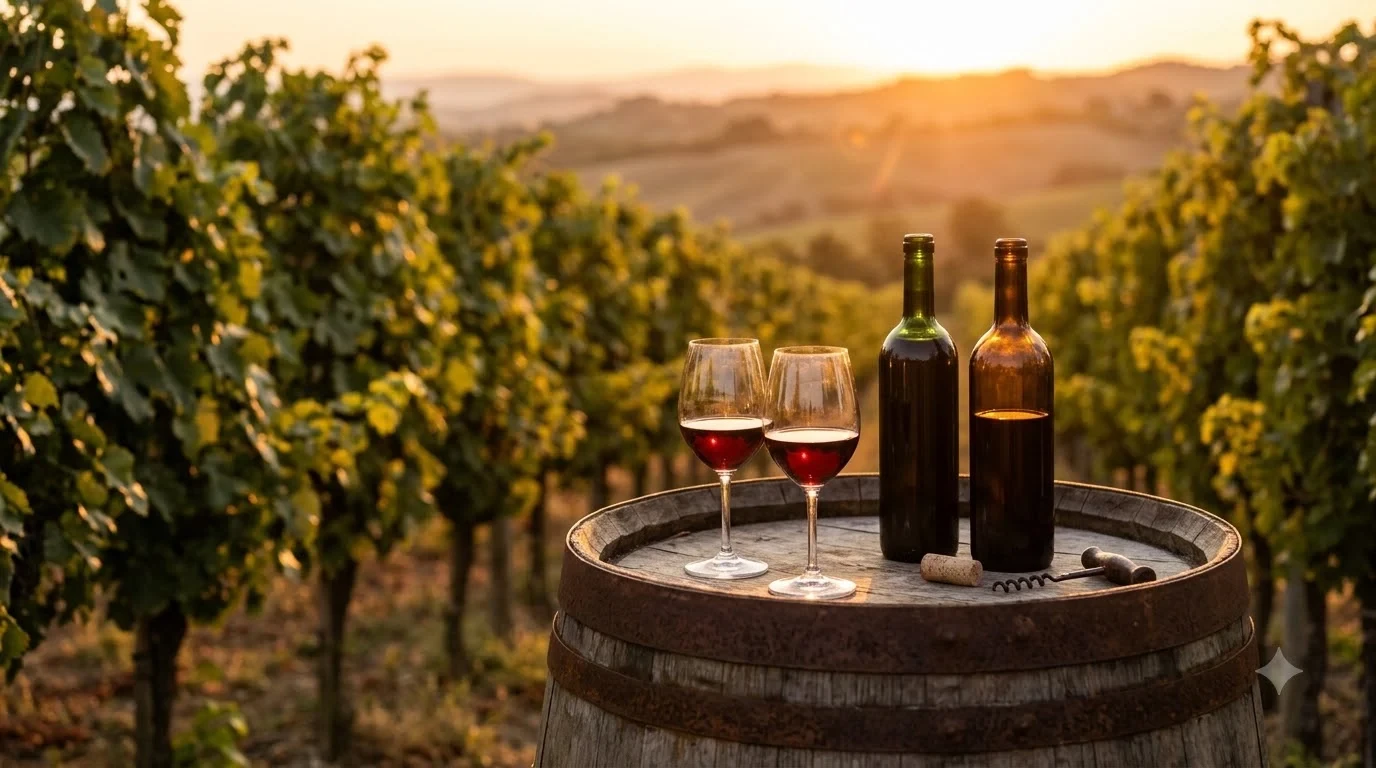
Alaska vineyards are small-scale grape-growing operations, including greenhouse-grown vineyards in Anchorage, while much of the state’s wine industry specializes in locally sourced berry, rhubarb, and honey wines. The state’s challenging climate makes conventional outdoor grape cultivation difficult, but innovative growers have found ways to produce wine from grapes and northern-grown fruit. Visitors can explore producers in Anchorage, Homer, and Kodiak, with Bear Creek Winery and Bell’s Vineyard representing two particularly interesting approaches to Alaskan winemaking.
Alaska is not a conventional wine destination like California, Oregon, or Washington, but its wine industry has a distinctive identity. Instead of relying exclusively on European grape varieties, many producers work with ingredients that thrive in northern conditions. The result is a small but interesting collection of wines that reflects Alaska’s agricultural opportunities, local fruit supplies, and willingness to experiment with growing techniques.
What Alaska Vineyards Actually Mean
Alaska’s vineyard landscape is best understood as a combination of specialized grape-growing projects and fruit-wine producers rather than a large network of traditional outdoor vineyards. Anchorage has an unusual greenhouse-grown grape operation, while producers elsewhere in the state have developed successful businesses around rhubarb, berries, and other locally available ingredients.
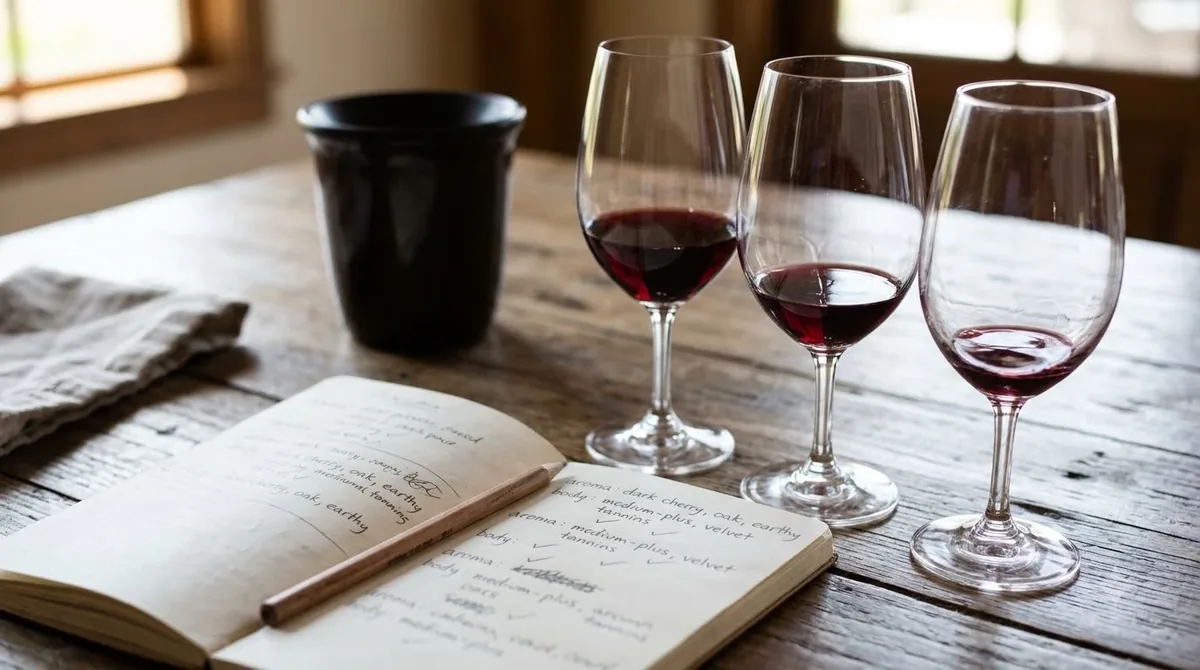
WineAmerica’s Alaska state profile identifies Denali Winery and Waites Winery in Anchorage, Alaskan Wilderness Wines in Kodiak, and Bear Creek Winery in Homer. These businesses illustrate the geographical spread of Alaska’s small wine industry. The state’s Department of Natural Resources also documents Bell’s Vineyard in Anchorage, an operation that grows grapes inside greenhouses and makes its own wine. These examples should not be confused with a collection of established grape-growing appellations. Alaska’s producers operate under very different agricultural conditions and production models.
The distinction between a winery and a vineyard matters particularly in Alaska. A winery may ferment fruit, imported grape juice, grape concentrate, or honey without growing its own grapes. A vineyard, by contrast, is a place where grapevines are cultivated. Both activities contribute to the wine industry, but they describe different stages of production. Many Alaskan consumers encounter the state’s wines through fruit-based products rather than bottles made exclusively from locally cultivated wine grapes.
For comparison, readers interested in a cooler-climate wine destination can explore Tasmania vineyards, where outdoor grape cultivation supports a more established regional wine industry. Alaska’s situation is quite different. Protected growing environments and hardy agricultural crops play a much larger role, and commercial winemaking often depends on materials gathered from farms and local suppliers rather than large blocks of vineyard land.
This unusual combination makes Alaska interesting from an agricultural perspective. It also explains why a search for traditional Cabernet Sauvignon or Chardonnay vineyards may produce a different result from a search for Alaskan wineries. The latter reveals a broader collection of fruit growers, greenhouse projects, and small producers creating regionally distinctive wines.
Alaska’s Climate and Vineyard Growing Conditions
Alaska’s principal obstacle to traditional viticulture is its combination of severe winter cold and a relatively short outdoor growing season. Long summer daylight can benefit some crops, but grape growers must also contend with the conditions experienced during winter dormancy and the time available for fruit to mature.
Traditional wine grapes, especially many Vitis vinifera varieties, are not well suited to Alaska’s exposed growing conditions. Varieties such as Cabernet Sauvignon, Merlot, and Pinot Noir are associated with established wine regions that offer suitable growing seasons and winter protection. Alaska presents a different set of challenges. A grapevine must survive the winter before it can produce fruit in the following season, and surviving winter temperatures does not automatically mean that grapes will ripen successfully.
This is why protected cultivation matters. Greenhouses and high tunnels can create more controlled growing environments, reducing direct exposure to harsh weather and giving growers more influence over temperature and growing conditions. These structures are not simply conveniences. They can make the difference between an experimental planting and an operation capable of consistently growing fruit for wine production.
Summer daylight creates another interesting consideration. The University of Alaska Fairbanks Cooperative Extension Service explains that plants in Interior Alaska benefit from extended periods of sunlight, which can support almost continuous photosynthesis. Cooler temperatures also influence how crops develop. However, exceptionally long days can cause some vegetables to flower prematurely, a process known as bolting. The same broader lesson applies to northern agriculture: growers must select varieties suited to their particular location rather than assuming that familiar southern or temperate-zone varieties will perform equally well.
Geography adds further complexity. Anchorage, Homer, and Fairbanks do not share identical growing conditions. Coastal locations, interior valleys, and protected greenhouse environments each create different possibilities for agriculture. A successful planting in one part of the state is not automatically a reliable model for another.
Alaska’s agricultural research programs reflect this need for adaptation. The Alaska Department of Natural Resources established its Plant Materials Center Horticulture Evaluation Program in 2012 to develop techniques for commercial production of fruit, vegetables, cut flowers, and ornamental crops. This work illustrates how local crop selection and production methods are important foundations for agricultural development.
Bell’s Vineyard and Greenhouse-Grown Grapes in Anchorage
Bell’s Vineyard is one of the clearest examples of Alaska’s efforts to grow actual wine grapes. Located in Anchorage and associated with Bell’s Nursery, the operation uses greenhouse cultivation to grow grapevines and produce wine rather than relying solely on imported grape materials or locally harvested berries.
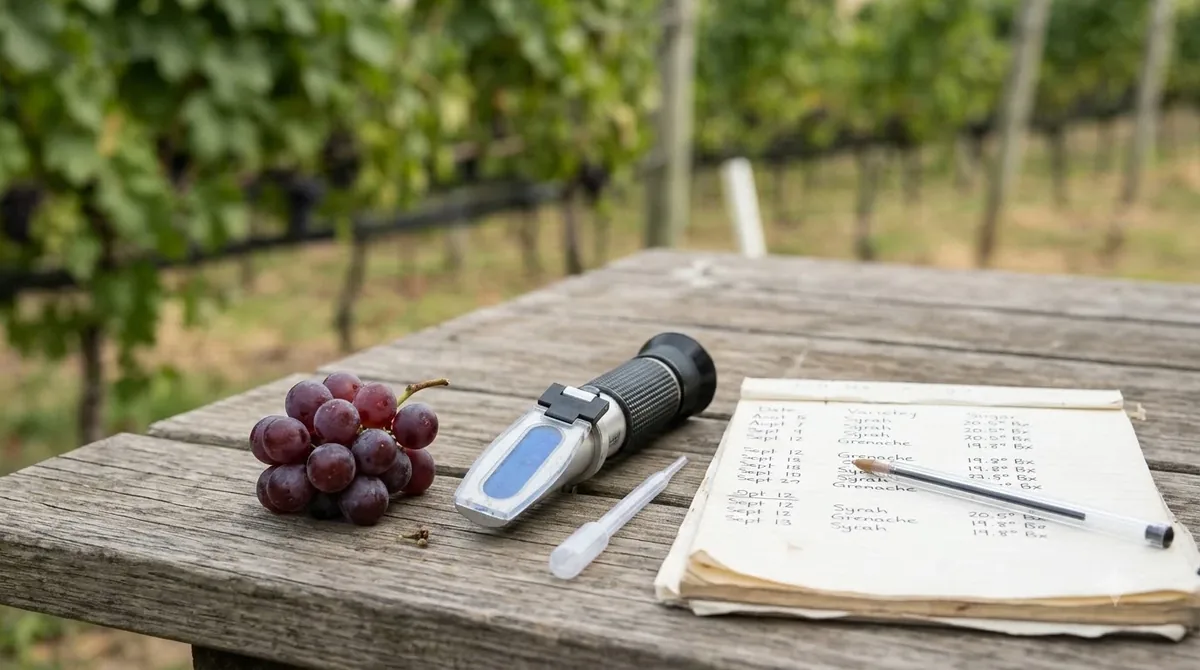
The Alaska Department of Natural Resources describes Bell’s Vineyard as having approximately an acre and a half of grapevines. Its greenhouse environment provides the protection necessary to make grape production possible under conditions that would challenge conventional outdoor vineyards. This is an important distinction: Alaska’s cold climate does not mean grapes can never grow there. It means growers must make substantial adjustments to the way they cultivate them.
The story behind Bell’s Vineyard is closely connected to the Mosesian family’s agricultural background. Founder Mike Mosesian grew up in Bakersfield, California, where his family worked with table and wine grapes. He studied viticulture before moving to Alaska in 1972 and establishing Bell’s Nursery in 1976. His previous experience with grape growing provided a foundation for adapting grape cultivation to a very different agricultural environment.
The vineyard is part of a broader family farming operation rather than an isolated wine business. Bell’s Nursery also produces greenhouse-grown vegetables and operates several locations in Anchorage. The Alaska Department of Natural Resources has highlighted the business as an example of agricultural innovation, noting that four generations of the Mosesian family have participated in the operation.
Greenhouse production makes it possible to control conditions that outdoor grape growers cannot easily manage. Temperature, ventilation, irrigation, and protection from winter weather become essential parts of production planning. These factors influence vine growth, fruit development, and the consistency of harvests. The management of a greenhouse vineyard is consequently different from the management of a hillside vineyard in a conventional wine region.
For wine enthusiasts, Bell’s offers an important reminder that wine production and wine geography are not restricted to familiar agricultural climates. Its greenhouse grapevines demonstrate that even a state better known for berry and honey wines can support an actual grape-growing operation. However, the existence of one successful protected vineyard should not be interpreted as evidence that conventional outdoor viticulture is widespread throughout Alaska.
Bear Creek Winery and Alaska’s Fruit-Wine Tradition
Bear Creek Winery in Homer demonstrates why fruit wine is such an important part of Alaska’s identity. Rather than attempting to reproduce a traditional European vineyard model, the winery developed its production around locally available fruit, including rhubarb and berries sourced from growers and pickers around the state.
Founder Bill Fry became interested in winemaking during the mid-1990s after being introduced to homemade rhubarb wine. He began experimenting with combinations of available fruits, including raspberries, blueberries, kiwi, and rhubarb. The hobby eventually developed into a commercial operation, and Bear Creek Winery and Lodging opened in Homer in 2003.
The winery’s sourcing operation demonstrates the agricultural scale required to maintain commercial fruit-wine production. According to an Alaska Business Magazine profile, Bear Creek purchases approximately 10,000 pounds of rhubarb and 5,000 pounds of black currants and assorted berries on average. Its supply network includes local friends, berry pickers, and farmers markets. Rather than relying on a single large orchard, the winery brings together fruit from several sources.
| Production detail | Reported quantity or date | Significance |
|---|---|---|
| Bear Creek opening | 2003 | Established commercial winery in Homer |
| Rhubarb purchases | Approximately 10,000 pounds | Major ingredient for fruit wines |
| Black currants and assorted berries | Approximately 5,000 pounds | Additional locally sourced fruit |
| Annual wine production | Approximately 20,000 gallons | Reported small-batch production scale |
The quantities illustrate that fruit wine can operate at a meaningful commercial scale. Rhubarb is particularly well suited to Alaska’s agricultural environment, and its distinctive tartness gives winemakers an ingredient with considerable character. Black currants and other berries contribute additional possibilities for blending and developing individual wine styles.
The production process still follows familiar winemaking principles. Fruit is crushed, its juice is fermented, and the resulting wine is aged, clarified, and bottled. However, fruit varieties do not necessarily behave like traditional grapes. Bear Creek co-owner Louis Maurer has explained that berries and grapes react differently to temperature changes during fermentation. Managing fermentation therefore requires an understanding of the particular fruit being processed.
Bear Creek also demonstrates that local and imported ingredients can coexist. WineAmerica describes its Alaskan Chardonnay as a blend containing 70 percent lightly oaked Chardonnay and 30 percent rhubarb. Its Strawberry Rhubarb wine, made with Alaska-grown ingredients, received a Double Gold award at the Finger Lakes International Wine Competition. The winery’s sister brand, Glacier Bear Wines, focuses on wines made entirely from Alaska-grown fruit.
For a closer look at the operation and its approach to local sourcing, read Alaska Business Magazine’s account of Bear Creek Winery. It provides useful background on the people, fruit supplies, and production methods behind one of the state’s best-known fruit-wine businesses.
Alaska-Grown Fruits That Support Local Winemaking
Alaska’s agricultural strengths extend beyond grapes, and the state’s fruit crops provide important opportunities for specialty wine production. Rhubarb, currants, raspberries, and other cold-adapted fruits offer producers alternatives to traditional vineyard ingredients.
Rhubarb is one of the most promising examples. The University of Alaska Fairbanks Cooperative Extension Service describes it as a perennial that generally grows well in Alaska. Its recommended varieties for Interior Alaska include Canada Red and McDonald, both identified as early varieties with high-quality yields. These characteristics make rhubarb an appealing crop for growers looking for perennial production rather than a new planting every year.
Rhubarb’s culinary qualities also contribute to its suitability for winemaking. Its naturally tart flavor provides a useful foundation for fermentation and blending. Producers can adjust the finished wine’s sweetness and balance according to their desired style. Rhubarb can also be combined with berries, creating wines that express more than one fruit characteristic.
Currants provide another opportunity. UAF Extension identifies several varieties that perform well in Alaska, including Golden Currant, Holland Longbunch, Melalathi, Red Lake, and Wilder. Melalathi is particularly notable for its vigorous growth and strongly aromatic leaves, with sweet-flavored fruit. These are valuable considerations for growers choosing crops that must perform reliably under northern conditions.
Haskaps, also known as honeyberries, add another possibility to the agricultural mix. They are listed among the fruits suitable for Interior Alaska, and their cultivation requires attention to pollination. UAF Extension explains that a different variety must be planted nearby to provide suitable pollination. Choosing compatible varieties is therefore part of planning a productive fruit-growing operation.
Other potential fruit crops include raspberries, Saskatoon berries, gooseberries, and strawberries. The Extension recommendations identify specific varieties suited to northern conditions. For example, Kiska is listed as a particularly hardy raspberry, while Martin and Smoky are recommended Saskatoon varieties that benefit from being planted together for cross-pollination.
These crops should not automatically be described as ingredients used by every Alaskan winery. A horticultural variety recommendation indicates that a plant may grow successfully in the region, not that a particular business purchases it for commercial fermentation. Winery sourcing depends on harvest quantities, fruit quality, processing requirements, and the availability of suitable suppliers.
Nevertheless, the relationship between northern agriculture and fruit wine is clear. Growing crops that tolerate local conditions provides a foundation for products that cannot easily be replicated by conventional wine-growing regions. It also gives small wineries opportunities to develop blends with recognizable regional ingredients.
Tip: When choosing an Alaska-made wine, ask whether it was produced from locally harvested fruit, greenhouse-grown grapes, imported grape juice, or a combination. This simple question helps distinguish the different production approaches and gives you a clearer understanding of what is in the bottle.
Visiting Alaska Wineries and Understanding Their Wines
Visitors interested in Alaska’s wine industry should approach it as a collection of individual producers rather than a conventional vineyard-tour circuit. Anchorage, Homer, and Kodiak are useful starting points, but each destination offers a different type of wine experience.
Anchorage is particularly interesting for anyone curious about grape cultivation. Bell’s Vineyard provides an example of greenhouse-grown grapevines, while WineAmerica also identifies Denali Winery and Waites Winery in the city. These businesses illustrate the variety of approaches used in Alaska’s wine industry. The vineyard experience at Bell’s is especially relevant to visitors interested in how agricultural technology can support grape cultivation in a cold region.
Homer offers another perspective through Bear Creek Winery and Lodging. Its operation combines fruit-based winemaking with visitor facilities. An Alaska Business Magazine profile describes guided tours, a tasting room, lodging, and a botanical garden. The winery’s location also makes it an interesting destination for visitors exploring the surrounding Kenai Peninsula.
Kodiak is represented in WineAmerica’s Alaska profile by Alaskan Wilderness Wines. The wider region provides a reminder that Alaska’s wine producers are spread across a large geographical area. Visiting several wineries can involve substantial travel, so it is practical to organize stops around broader sightseeing plans rather than expecting them to be close together.
Before making a trip, contact the individual winery to confirm whether tours, tastings, or accommodation are available on your intended date. Small producers may have operating arrangements different from larger wine destinations. A business that offers tours and tastings in one season may have different visiting arrangements at another time. Confirming directly also helps avoid an unnecessary journey.
Once you arrive, approach fruit wines with the same attention you would give a traditional grape wine. Look at its color, notice the intensity of its aromas, and consider how its acidity and sweetness interact. A rhubarb wine may be quite different from a blueberry or currant wine, and blends can introduce additional layers of fruit character.
Serving temperature deserves attention. Light white wines and rosés are generally served around 45 to 50 degrees Fahrenheit, while fuller-bodied white wines are better around 50 to 55 degrees. Sweet white wines are generally served around 43 to 50 degrees. These temperatures are useful starting points for different styles, although a fruit wine’s sweetness, acidity, and body should also influence how cold you serve it.
Food pairing is another good way to understand the wines. Fruit wines with pronounced acidity can work with richer dishes because the freshness helps balance the food. Sweeter styles may complement fruit-based desserts, provided the wine is at least as sweet as the dessert. Foods with strong acidity are generally best matched with wines of equal or higher acidity, while salt and fat can soften the sensation of tannin in grape-based reds.
For a wider understanding of how vineyards, wine-producing areas, and regional wine identities differ, the site’s introduction to Wine Regions is a useful companion. Readers comparing international wine destinations can also explore Uruguay vineyards, where traditional grape varieties and regional vineyard production follow a very different pattern from Alaska’s greenhouse and fruit-wine approaches.
Most importantly, remain open to unfamiliar styles. An Alaska-made wine does not have to imitate Cabernet Sauvignon from California or Riesling from Germany to be interesting. Its appeal often comes from ingredients, growing conditions, and winemaking decisions that reflect the place where it was produced.
Frequently Asked Questions
Alaska’s wine industry combines unusual growing methods with traditional winemaking knowledge. These additional details answer common questions about cold-hardy grape varieties, bottle sizes, serving temperatures, and wine storage.
Which cold-hardy grape variety could be suitable for Alaska?
Valiant is a cold-hardy red grape variety developed at South Dakota State University that can tolerate temperatures as low as minus 50 degrees Fahrenheit. It is generally used for blending and is grown in places including South Dakota, Minnesota, and Canadian provinces. Its hardiness makes it an interesting candidate for northern grape-growing experiments.
How many glasses can you pour from a standard bottle of wine?
A standard 750-milliliter bottle provides approximately five servings when poured in 5-ounce glasses. This is a useful measurement for planning a tasting or serving wine alongside a meal. Smaller tasting pours allow visitors to compare several fruit wines without opening multiple full bottles.
What is the best serving temperature for Alaskan red wine?
Light-bodied red wines are generally served between 55 and 60 degrees Fahrenheit, while fuller-bodied reds are better around 60 to 65 degrees. Serving them slightly below typical room temperature helps preserve freshness and makes their flavors easier to appreciate. The appropriate temperature depends on the wine’s individual style rather than simply its place of production.
How long does an opened bottle of still wine keep?
Most opened still wines retain reasonable quality for approximately three to five days when properly resealed and refrigerated. Limiting exposure to oxygen helps slow the deterioration of their aromas and flavors. Fortified wines generally last several weeks after opening, depending on their style and storage conditions.
What should you consider when pairing fruit wine with dessert?
The wine should generally be at least as sweet as the dessert. Otherwise, the dessert can make the wine seem less fruity and more acidic than it actually is. For example, a noticeably sweet fruit dessert may overwhelm a relatively dry berry wine, whereas a suitably sweet wine can create a more balanced pairing.
Alaska vineyards offer a different perspective on American winemaking, combining greenhouse-grown grapes with an established tradition of fruit-based wines. From Bell’s Vineyard in Anchorage to Bear Creek Winery in Homer, the state’s producers show how local agricultural conditions can inspire distinctive approaches to wine production. For visitors and wine enthusiasts, Alaska is an opportunity to explore wines that are closely connected to the state’s growing environment and regional character.
More in Wine Regions
 Willcox Wine Trail: Discover Arizona’s High-Elevation Wine CountryUpdated Nov 20, 2026
 Yakima Valley Wine Region: Find the Best Styles to TryUpdated Nov 20, 2026
 Vosne Romanee Wine Tasting: Identify Aromas and Choose Better PairingsUpdated Nov 20, 2026
 Yakima Valley Wine Festival: Find the Best Seasonal Wine EventsUpdated Nov 20, 2026
 Wales Vineyards: Discover Cool-Climate Wines and Where to VisitUpdated Nov 20, 2026
 Yountville Wine Festival: Discover Napa Wines and Local FoodUpdated Nov 20, 2026