

We may earn a commission when you buy through links on this page, at no extra cost to you. Learn more.
Aglianico tasting notes typically reveal a full-bodied, dry Italian red wine with black cherry, dark plum, violet, black pepper, earthy leather, firm tannins and refreshing acidity. Native to southern Italy, Aglianico is particularly associated with Campania and Basilicata, where it produces structured wines with considerable aging potential. Younger bottles tend to emphasize dark fruit and savory spice, while mature examples develop more complex aromas of tobacco, truffle, dried flowers and forest floor.
Aglianico is sometimes called the Barolo of the South because of its powerful tannic structure, natural acidity and ability to develop complexity in the bottle. However, it has a personality of its own, with darker fruit, earthy depth and distinctive Mediterranean herbal character. Understanding its aromas, regional differences and food pairings makes it easier to appreciate this remarkable Italian grape.
1. Aglianico Flavor Profile: Fruit, Flowers and Earth
Aglianico combines concentrated dark fruit with savory, earthy and floral characteristics. Its most recognizable flavors include black cherry, blackberry, plum, violet and black pepper, supported by firm tannins and lively acidity.
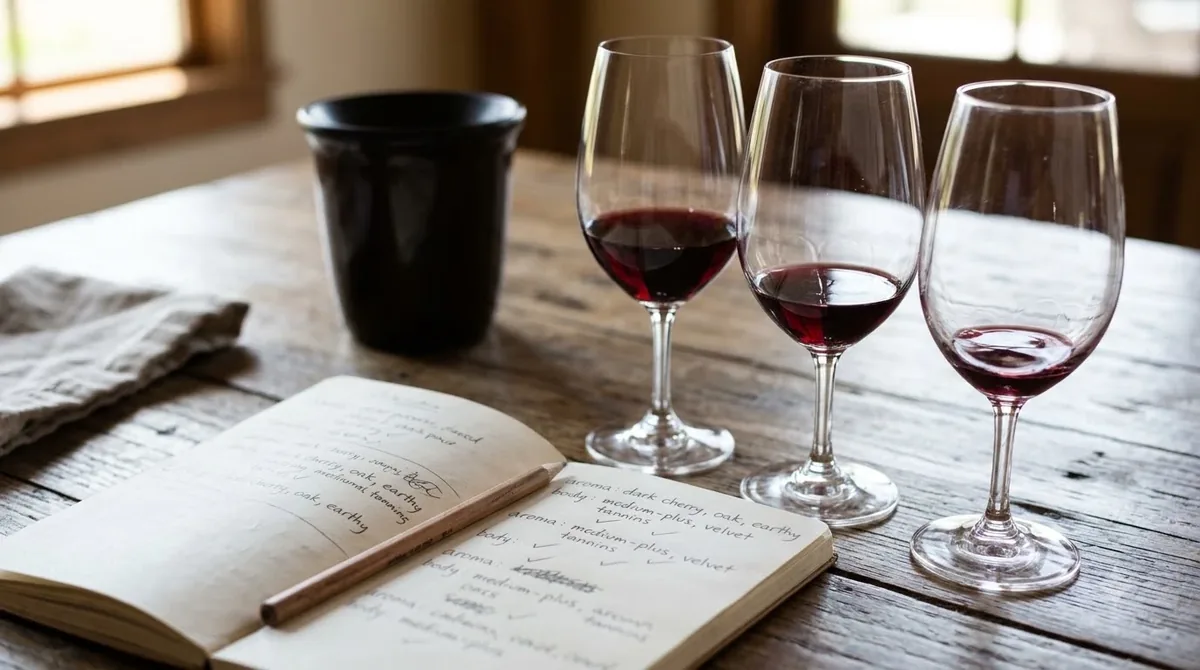
In a young bottle, dark fruit usually provides the first impression. Black cherry and blackberry are common, sometimes accompanied by black plum, blueberry and tart red berry flavors. The fruit is generally ripe but not necessarily jammy. Good examples retain enough acidity to keep the wine energetic despite its substantial body.
Floral aromas provide another important part of the profile. Violet and dried rose can appear alongside anise, licorice and cracked pepper. These characteristics are particularly noticeable in some Taurasi wines, where aromatic complexity develops alongside concentrated fruit. Depending on the vineyard and winemaking approach, the wine may also suggest balsamic herbs, oregano, smoke or a subtle mineral character.
The savory side becomes more prominent with bottle age. Leather, tobacco, mushroom, truffle, dried herbs and forest-floor aromas can gradually replace some of the fresher fruit sensations. This transformation gives mature Aglianico a more complex personality without necessarily losing its underlying freshness.
Primary and secondary flavor characteristics
- Primary fruit: Black cherry, blackberry, blueberry, plum and occasional tart red berries.
- Floral notes: Violet, dried rose and subtle dried-flower aromas.
- Spice: Black pepper, anise, licorice, cinnamon and dried Mediterranean herbs.
- Earthy notes: Leather, mushroom, forest floor, tobacco and truffle.
- Oak influences: Cedar, vanilla, coffee and cocoa in wines aged in wooden barrels.
Not every bottle displays all these characteristics. A younger, fruit-focused Aglianico may emphasize blackberry, plum and pepper, while a traditionally made Taurasi with extended aging can reveal more leather, tobacco and dried floral complexity. The grape provides the foundation, but vineyard conditions, ripeness, extraction and maturation determine the final expression.
2. Aroma, Palate and Tannin Structure
Aglianico is typically a dry, full-bodied red with high tannins, high acidity and medium to medium-plus alcohol. Its combination of concentration and freshness creates a firm, structured palate that can feel demanding in youth but rewarding with suitable aging.
On the nose, expect concentrated black fruit, violet, pepper and earthy aromas. Some examples have a smoky or slightly balsamic quality, particularly those from vineyards influenced by volcanic soils. Swirling the glass can reveal additional layers of dried herbs, licorice and dark spices.
The first sip usually confirms the wine’s substantial structure. Dark cherry and plum flavors spread across the palate, followed by firm, sometimes gripping tannins. These tannins create a drying sensation around the gums and inside the cheeks. They are an important part of Aglianico’s identity rather than a flaw, although wines made from less-than-fully-ripe grapes or handled too aggressively can taste excessively bitter or astringent.
Acidity provides an essential counterbalance. Even when the fruit feels ripe and concentrated, the wine can maintain a lively freshness that prevents the palate from becoming heavy. The finish is often long, with lingering impressions of dark berries, pepper, herbs, tobacco or mineral notes.
Typical tasting characteristics
| Characteristic | Typical expression | What it means when tasting |
|---|---|---|
| Body | Full | Rich, substantial mouthfeel |
| Sweetness | Dry | Little noticeable residual sugar |
| Acidity | High | Freshness and mouthwatering finish |
| Tannins | High | Firm, drying sensation |
| Alcohol | Medium to medium-plus | Warmth and weight on the palate |
| Fruit profile | Dark and red berries | Cherry, blackberry and plum |
| Common savory notes | Earthy and spicy | Leather, tobacco, pepper and herbs |
| Color | Deep ruby to garnet | Often develops brick-colored reflections with age |
These characteristics are useful benchmarks rather than fixed measurements. Climate, vineyard elevation, grape maturity and cellar decisions can change the balance considerably. A warmer vintage may produce riper fruit and more noticeable alcohol, while a cooler growing season can emphasize acidity and herbal notes.
For a useful comparison, consider petit verdot tasting notes. Both grapes can produce deeply colored, tannic wines, but Aglianico often offers a more pronounced combination of natural acidity, dark fruit and earthy Mediterranean character.
3. Taurasi, Aglianico del Vulture and Regional Differences
The three principal DOCG expressions of Aglianico are Taurasi in Campania, Aglianico del Taburno in Campania and Aglianico del Vulture Superiore in Basilicata. All showcase the grape’s structure, but their fruit profiles, tannins and aromatic characteristics can differ significantly.
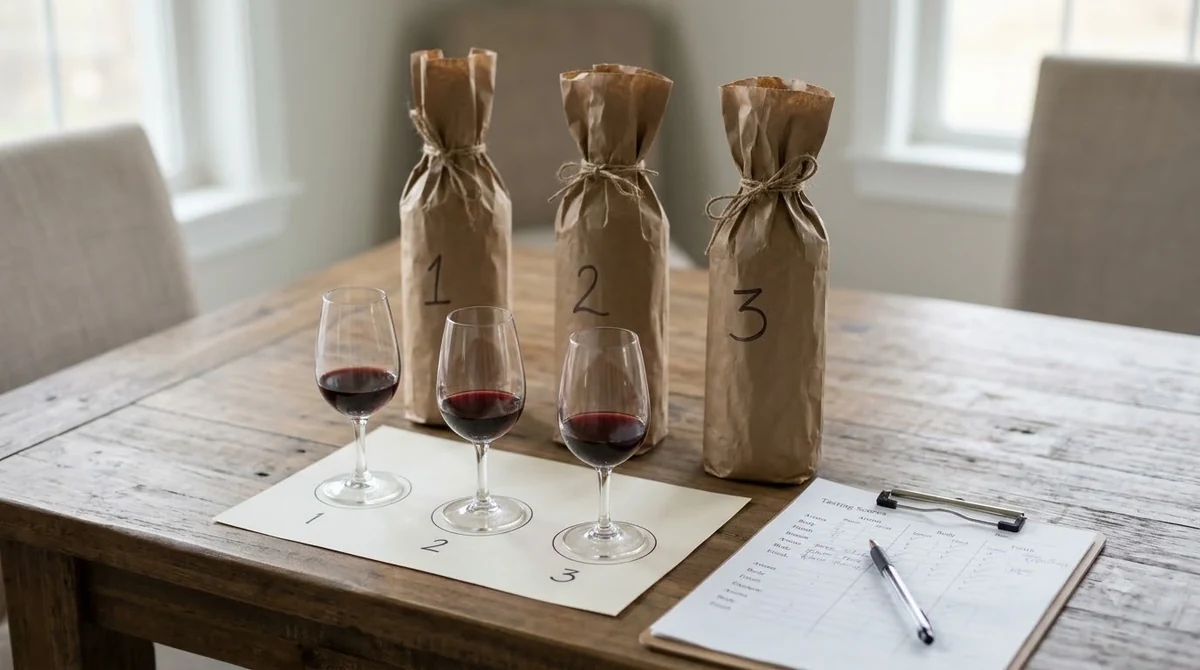
Taurasi is among the most celebrated expressions. Located in the hills of Avellino in Campania, its vineyards include calcareous clay and varying amounts of volcanic material associated with Mount Vesuvius. Taurasi wines are typically powerful, deeply colored and firmly structured. Black cherry, sour cherry, violet, black olive and dark spice are common impressions, with leather, tobacco and balsamic complexity developing over time.
The Taurasi denomination contains 17 communes, and differences in elevation, soil composition and microclimate influence the wines. Some traditional examples are particularly muscular and require patience before their tannins become more integrated. Other producers favor approaches that create a more approachable wine earlier in its development.
Aglianico del Vulture comes from Basilicata, where vineyards occupy the slopes around the extinct Mount Vulture volcano. Its wines often combine blackberry, plum and dark cherry with smoke, earthy mineral sensations, coffee and spice. Tannins remain substantial, but some examples offer a more immediately approachable balance than the most structured Taurasi bottlings.
Aglianico del Taburno comes from the Benevento province of Campania. Its wines can show red cherry, plum, violet and dried herbs, with high acidity and generally less prominent tannins than Taurasi. The resulting profile can feel more fragrant and approachable while retaining the grape’s recognizable structure.
Coastal areas such as Cilento and Paestum provide further variations. Their maritime influence can contribute to a more floral, fragrant and refined expression, contrasting with the powerful inland styles. These differences demonstrate why the region on the label can be just as informative as the grape variety itself.
Comparing the main Aglianico regions
- Taurasi, Campania: Powerful tannins, black and red cherry, violet, dark spice, black olive and considerable aging potential.
- Aglianico del Vulture, Basilicata: Dark plum, blackberry, smoky mineral notes, coffee and structured tannins.
- Aglianico del Taburno, Campania: Red fruit, violet, herbs, high acidity and a generally more approachable tannic profile.
- Cilento and Paestum, Campania: More fragrant, floral and refined expressions influenced by coastal growing conditions.
For readers exploring Italian reds, these regional distinctions are a useful introduction to the wider subject of Wine by Type. A grape variety can provide a recognizable flavor framework, but the location and production method help explain why two bottles made from the same grape may taste quite different.
For a deeper exploration of the regional differences, Decanter’s examination of Aglianico in southern Italy discusses the distinct characteristics of Taurasi, Taburno and the coastal growing areas, including the influence of soils and local geography.
4. Aging Potential and How Aglianico Develops
Aglianico has excellent aging potential because its naturally high acidity and firm tannins provide a strong structural foundation. Younger wines emphasize dark fruit and spice, while mature examples can develop leather, tobacco, dried flowers, truffle and earthy complexity.
When young, Aglianico can be tightly wound. The tannins may dominate the palate, and the fruit can seem restrained behind a firm, sometimes austere structure. This is especially true of traditional Taurasi, which often benefits from additional bottle age before reaching a more harmonious balance.
With time, the tannins gradually soften and the primary fruit becomes less dominant. Fresh black cherry can evolve toward dried cherry, prune and preserved fruit. Violet may become dried rose, while pepper and spice integrate with notes of leather, tobacco, mushroom and forest floor.
Not every Aglianico requires a decade in the cellar. Younger, fruit-forward examples and some modern interpretations are designed to be enjoyed earlier. Oak treatment, extraction and the winemaker’s approach can influence how quickly a wine becomes approachable.
Understanding Taurasi aging requirements
The appellation’s aging rules provide useful context for understanding its traditional style. According to the Taurasi DOCG requirements, standard Taurasi must undergo at least three years of aging before release, including one year in wood. Taurasi Riserva requires at least four years, including 18 months in wood.
These minimum periods do not mean every bottle reaches its peak immediately after release. They establish a regulatory foundation, while the actual drinking window depends on vintage conditions, producer decisions and storage history.
Some exceptional examples can develop for several decades. However, a wine’s ability to age should not be confused with a requirement to wait. Less concentrated bottlings can be enjoyable much earlier, especially when their fruit and acidity are already well balanced.
Tip: If a young Aglianico tastes excessively firm, give it 30–60 minutes in a decanter and revisit the glass. Aeration can help release its aromas and make the tannins feel more integrated, although it cannot replace the complexity that develops through years of bottle aging.
Readers who enjoy the relationship between structure and bottle development may also appreciate grenache tasting notes. Grenache often offers softer tannins, more immediately expressive red fruit and a different balance of alcohol and acidity, making it an interesting contrast to Aglianico.
5. Serving Temperature, Glassware and Tasting Technique
Aglianico is best served slightly cool rather than warm, generally around 60–65°F for a full-bodied red. A large-bowled wine glass and a short period of aeration help reveal its dark fruit, floral aromas and savory complexity.
Serving temperature has a noticeable effect on the wine’s balance. When served too warm, alcohol can become more prominent, making the finish feel heavy. Excessive chilling, meanwhile, can make tannins seem harder and suppress the wine’s aromatic expression.
A temperature of approximately 60–65°F provides a useful starting point. If the bottle has been stored in a warm room, a short period in the refrigerator can bring it closer to the desired range. Allow it to warm slightly in the glass if the aromas seem muted.
Choosing the right glass
A large-bowled red wine glass works well because it provides room for the wine to interact with air. The wider opening also makes it easier to evaluate the changing aromas as the wine sits in the glass.
Pour approximately 5 ounces into the glass, leaving enough room to swirl comfortably. A standard 750 ml bottle provides roughly five servings at this pour size. Avoid filling the glass to the rim, particularly when assessing a structured wine that benefits from aeration.
A simple tasting sequence
- Observe the color: Look for deep ruby, purple or garnet tones. Older examples may develop orange or brick-colored reflections at the rim.
- Evaluate the aromas: Begin with black cherry, blackberry, plum and violet. Look for pepper, licorice, herbs and earthy notes as the wine opens.
- Assess the palate: Notice the body, fruit concentration, acidity and drying sensation created by tannins.
- Consider the finish: Pay attention to how long the flavors remain and whether fruit, spice, herbs or earth dominate.
- Revisit the wine: Taste again after 15–30 minutes to see whether additional aromas emerge and the palate becomes more expressive.
Decanting is especially useful for young, concentrated Taurasi and other firmly structured examples. Mature bottles require more care because excessive exposure to oxygen can diminish delicate developed aromas. For older wines, opening the bottle and assessing its condition before deciding whether to decant is a sensible approach.
6. Best Food Pairings for Aglianico
Aglianico pairs particularly well with rich, savory dishes that have enough protein, fat and flavor intensity to complement its high tannins and acidity. Grilled beef, braised lamb, wild boar, slow-cooked tomato sauces and aged cheeses are especially suitable choices.
The wine’s tannins interact favorably with the proteins and fat in red meat, softening the drying sensation. Its acidity also helps balance rich dishes and cuts through the weight of fatty preparations. This makes Aglianico a natural companion for traditional southern Italian cooking.
Meat and game dishes
Roasted lamb is one of the strongest pairings. Garlic, rosemary and black pepper bring out the wine’s herbal and spicy notes, while the meat’s richness balances its firm tannins. Braised lamb shanks and slow-cooked beef also work well because their concentrated flavors match the wine’s intensity.
Grilled steak, beef short ribs and prime rib are other reliable options. The charred exterior of grilled meat complements Aglianico’s earthy and smoky characteristics, while the fat helps soften its tannic grip.
For something more traditional, consider wild boar ragù, venison stew or pork sausages with roasted peppers. These dishes have enough savory depth to stand alongside a structured Taurasi without overwhelming its fruit and aromatic detail.
Pasta, cheese and vegetarian dishes
Aglianico also works with tomato-based pasta because its acidity can match the brightness of the sauce. Pappardelle with slow-cooked beef ragù, baked pasta with sausage and eggplant, and pasta with mushrooms are particularly good choices.
For cheese, consider aged Pecorino, Parmigiano Reggiano, Grana Padano or mature Provolone. Their savory flavors and substantial textures complement the wine’s structure. Softer, delicate cheeses can become overwhelmed by the tannins.
Vegetarian meals can be equally successful when they have enough richness and umami. Roasted portobello mushrooms, lentil stew, black beans, grilled eggplant and tempeh provide savory depth that works with Aglianico’s earthy character.
Pairings that require care
Delicate seafood is generally less suitable, particularly oily fish, which can clash with the wine’s substantial tannins. Mild white fish, lightly dressed salads and subtle vegetable dishes may also taste overwhelmed by a powerful Taurasi.
Spicy dishes require some attention. Chili heat can become more pronounced alongside alcohol and tannins, making very hot sauces a difficult match. Choose moderately seasoned food and avoid excessive chili if you want the wine’s fruit and floral notes to remain expressive.
Sweetness is another important consideration. Aglianico is dry, so it generally works better with savory dishes than sweet desserts. For a dessert pairing, a wine should be at least as sweet as the food, making a dry red such as Aglianico a poor choice for most sweet pastries and chocolate desserts.
For a broader understanding of how grape structure influences pairing choices, compare Aglianico with sancerre tasting notes. Sancerre’s Sauvignon Blanc-based wines typically offer higher acidity, lighter body and a very different relationship with food, especially seafood and fresh goat cheese.
Frequently Asked Questions
Is Aglianico similar to Nebbiolo?
Both grapes produce structured Italian reds with substantial tannins, pronounced acidity and impressive aging potential. However, Nebbiolo is particularly associated with aromas of tar, roses and red fruit, while Aglianico often emphasizes black cherry, plum, dark spice and savory Mediterranean herbs. They share structural similarities but have distinct aromatic identities.
What does the name Aglianico mean?
The grape’s name has traditionally been associated with the Italian word form of Hellenic, reflecting a proposed connection to ancient Greek viticulture. Its precise etymological history remains debated. The variety has a long-established history in southern Italy and is now closely identified with Campania and Basilicata.
Can Aglianico be made into rosé?
Yes. Aglianico is not limited to red wine production. Its dark-skinned grapes can also be used to produce rosato, an Italian rosé style. These wines can retain some of the grape’s characteristic acidity and aromatic intensity while offering a lighter color and a different expression of its fruit.
How should an unopened Aglianico bottle be stored?
Store the bottle in a cool, dark environment with a stable temperature near 55°F. Keep cork-sealed bottles on their sides to maintain contact between the wine and cork. Avoid direct sunlight, strong temperature fluctuations and unnecessary movement, particularly if the wine is intended for extended aging.
Does Aglianico always have a smoky flavor?
No. Smoky impressions are possible, particularly in certain volcanic-soil expressions, but they are not universal. Vineyard location, soil composition, maturation and oak use all influence the aromatic profile. Some bottles emphasize fresh cherry, violet and herbs rather than smoke or mineral characteristics.
Aglianico offers a distinctive combination of dark fruit, floral aromas, earthy complexity, high acidity and firm tannins. From powerful Taurasi to the smoky expressions of Vulture and the more fragrant wines of Taburno, it provides a wide range of styles worth exploring. Whether enjoyed young with a rich meal or saved for years of bottle development, Aglianico is an excellent choice for anyone interested in discovering the character of southern Italian red wine.
More in Wine Types & Grapes
 What Does Mourvèdre Taste Like? Flavor Profile, Regions, and PairingsUpdated Nov 20, 2026
 What Does Marsanne Taste Like? Flavors, Styles, and Food PairingsUpdated Nov 20, 2026
 What Does Malvasia Taste Like? Styles, Flavors, and Food PairingsUpdated Nov 20, 2026
 What Does Grenache Blanc Taste Like? Flavor Profile, Styles, and PairingsUpdated Nov 20, 2026
 What Does Garnacha Taste Like? Key Flavors, Styles, and Pairing TipsUpdated Nov 20, 2026
 What Does Fruit Wine Taste Like? A Complete Flavor and Style BreakdownUpdated Nov 20, 2026