

We may earn a commission when you buy through links on this page, at no extra cost to you. Learn more.
Tennessee wine comes from a state with a winemaking history that stretches back to the 1800s, rebuilt after Prohibition around French hybrid and native grapes. The main production areas are in East and Middle Tennessee, where humid summers suit hardy varieties such as Norton, Vidal Blanc and Muscadine. Tennessee wineries make a range of whites, reds, and sweeter fruit-forward styles.
This guide explains how Tennessee wine developed, which grapes and regions define it, how to serve it, and what to pair it with. It also covers how to choose a bottle and what to expect on a winery visit.
A Short History of Tennessee Wine
Tennessee once had a substantial wine industry in the nineteenth century, with vineyards spread across the state. Prohibition, which began with the 18th Amendment in 1919, largely wiped out that industry. The modern revival began after the state licensed its first post-Prohibition wineries in 1980, and the industry has grown steadily since then.
Today’s producers work with grapes that suit the state’s climate. Humidity and disease pressure are constant challenges, so many growers choose French hybrids and native varieties that resist fungal problems. The result is a wine scene that looks different from California or France, with its own character and local pride.
Grapes and Regions
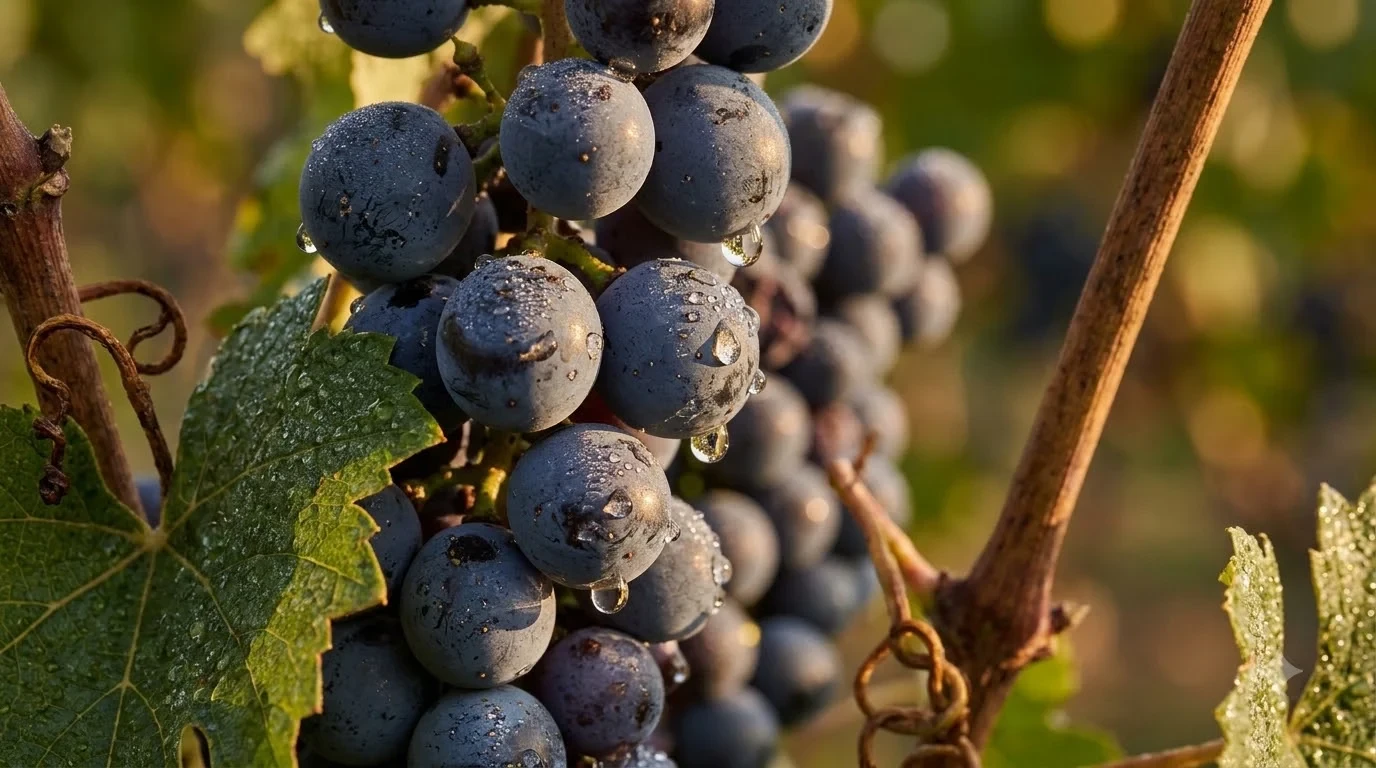
The grape mix in Tennessee is wide. The article on the state’s wine industry lists Muscadine, Norton, Chardonnay, Merlot, Cabernet Sauvignon, Vidal Blanc and Marquette among the varieties grown. Muscadine and Norton are closely tied to the Southeast, while cold-hardy whites such as Vidal Blanc are common in cooler sites.
The state contains several American Viticultural Areas. The Mississippi Delta AVA is Tennessee’s first and extends mostly into Mississippi, where Muscadine is the main crop. The Appalachian High Country AVA stretches into the state’s mountain areas, where cooler conditions favor cold-hardy grapes. In Middle Tennessee, the Upper Cumberland AVA covers several counties around Cookeville and McMinnville, and the Nine Lakes of East Tennessee AVA sits around Knoxville, which is often described as the industry’s center.
| Grape | Typical style | Why it suits the state |
|---|---|---|
| Muscadine | Sweet, musky, fruit-forward | Native to the humid Southeast |
| Norton | Dark, deep red with tart fruit | Resists fungal disease in humid summers |
| Vidal Blanc | Crisp, fruity, sometimes sweet | Cold-hardy and useful in cooler sites |
| Chardonnay and Merlot | Classic international styles | Grown in selected warmer vineyards |
For a sense of how other American regions compare, the Wine Regions guide explains how climate and grape choice shape styles across the country.
The background on the state’s grapes and AVAs comes from the Wikipedia article on Tennessee wine, which gives the history and the regional breakdown in detail.
How to Serve Tennessee Wine
Serve the lighter whites, such as Vidal Blanc, well chilled, roughly 45 to 50 degrees Fahrenheit (7 to 10 degrees Celsius). Reds like Norton are usually served a little cooler than room temperature, around 60 degrees Fahrenheit (15 degrees Celsius), so the fruit and acidity stay clear. Sweeter Muscadine-style wines are often best served cold.
A standard white or red glass works for most bottles. Young reds can be decanted for about 20 to 30 minutes to open up, but most local wines are meant to be enjoyed without much fuss. Keep opened bottles in the fridge, including reds, since humid summer air can speed up spoilage.
Tip: Taste a sweeter Muscadine style before deciding how dry you want a wine to be. Many visitors find the fruit-forward style easier to enjoy alongside barbecue.
Food Pairing Ideas
Tennessee wines fit naturally with Southern cooking. Barbecue, fried chicken, smoked pork and fresh tomato dishes all suit the bright acidity of a white and the fruit of a light red. Sweeter Muscadine styles pair well with spicy food and desserts, since the sweetness balances heat.
Lighter whites such as Vidal Blanc go well with salads, seafood and mild cheese. Chardonnay is a good match for grilled chicken or roast pork. Norton and other dark reds stand up to smoked brisket and grilled sausage.
| Wine style | Good pairing |
|---|---|
| Vidal Blanc | Fresh salads, shrimp, mild cheese |
| Chardonnay | Grilled chicken, roast pork |
| Norton | Smoked brisket, grilled sausage |
| Muscadine (sweet) | Spicy barbecue, pecan dessert |
How to Choose a Bottle
Start by checking the grape and the sweetness level on the label. Muscadine and some hybrid whites can be noticeably sweeter than European-style wines, so reading the back label or the winery’s description helps you avoid a surprise. Norton and other native reds tend to be bold and tart.
If you are new to the region, try a flight at a winery and note which styles you enjoy. A winery’s staff can explain how a wine was made and which grapes were used, and that information is often more useful than a general label.
Sweetness is the most common surprise for newcomers. A bottle labeled as a dry white may still carry more fruit flavor than a European Chardonnay, and a red can feel lighter than its color suggests. Asking the staff at the winery for a quick taste before buying a full bottle is a practical way to avoid a mismatch.
Buy from a shop that keeps bottles cool, since heat can damage wine quickly. Warm storage is the main risk, and a bottle that has sat in a hot car or a sunny window may taste dull even if it was good when it was made.
For a wider look at how climate and grape choice shape styles across America, the Calistoga vineyards in California give a useful contrast with the humid Southeast.
Local wines are not always widely distributed, so buying from the winery or a regional retailer is often the easiest route.
Visiting Tennessee Wineries
Many wineries in the state welcome visitors for tastings, tours and events, and the Upper Cumberland and Knoxville areas are good places to start. Visits show how different local conditions affect the grapes, from the cooler hills to the warmer river valleys. Booking ahead is wise, especially during harvest and on weekends.
Tasting a Tennessee flight next to a wine from a drier, sunnier region can be instructive. The Arizona wine scene, for example, sits in a very different climate, and comparing the two shows how much humidity and altitude shape a bottle. The humid conditions here favor fruit-forward, hardy-grape wines, which is a different balance from the sunnier sites.
Plan a route that includes a few different wineries rather than one large stop, since that gives you a better sense of the range. Ask about the grapes, the aging, and the sweetness level of each wine so you can compare them fairly.
Frequently Asked Questions
Does Tennessee make good wine?
Tennessee has a growing wine industry with a range of styles. Wines are usually shaped by the state’s humid climate and the hardy grapes that handle it well, so quality varies by producer and vintage.
What is Muscadine wine?
Muscadine is a native grape of the southeastern United States. Wines made from it are often sweet and fruit-forward, with a musky character that many people find distinctive.
Which grapes grow best in Tennessee?
French hybrids and native varieties such as Norton, Vidal Blanc and Muscadine tend to handle the humid climate well. Some vineyards also grow Chardonnay, Merlot and Cabernet Sauvignon in suitable sites.
Should Tennessee wine be served chilled?
Whites and sweeter styles are best cold, while reds are usually served slightly cool. Keep opened bottles refrigerated, especially in warm weather.
Tennessee wine rewards anyone curious about regional American styles and local grapes. Pick a bottle with a Southern meal or visit a winery to taste a few styles, and enjoy it responsibly.
More in Wine Regions
 Willcox Wine Trail: Discover Arizona’s High-Elevation Wine CountryUpdated Nov 20, 2026
 Yakima Valley Wine Region: Find the Best Styles to TryUpdated Nov 20, 2026
 Vosne Romanee Wine Tasting: Identify Aromas and Choose Better PairingsUpdated Nov 20, 2026
 Yakima Valley Wine Festival: Find the Best Seasonal Wine EventsUpdated Nov 20, 2026
 Wales Vineyards: Discover Cool-Climate Wines and Where to VisitUpdated Nov 20, 2026
 Yountville Wine Festival: Discover Napa Wines and Local FoodUpdated Nov 20, 2026