

We may earn a commission when you buy through links on this page, at no extra cost to you. Learn more.
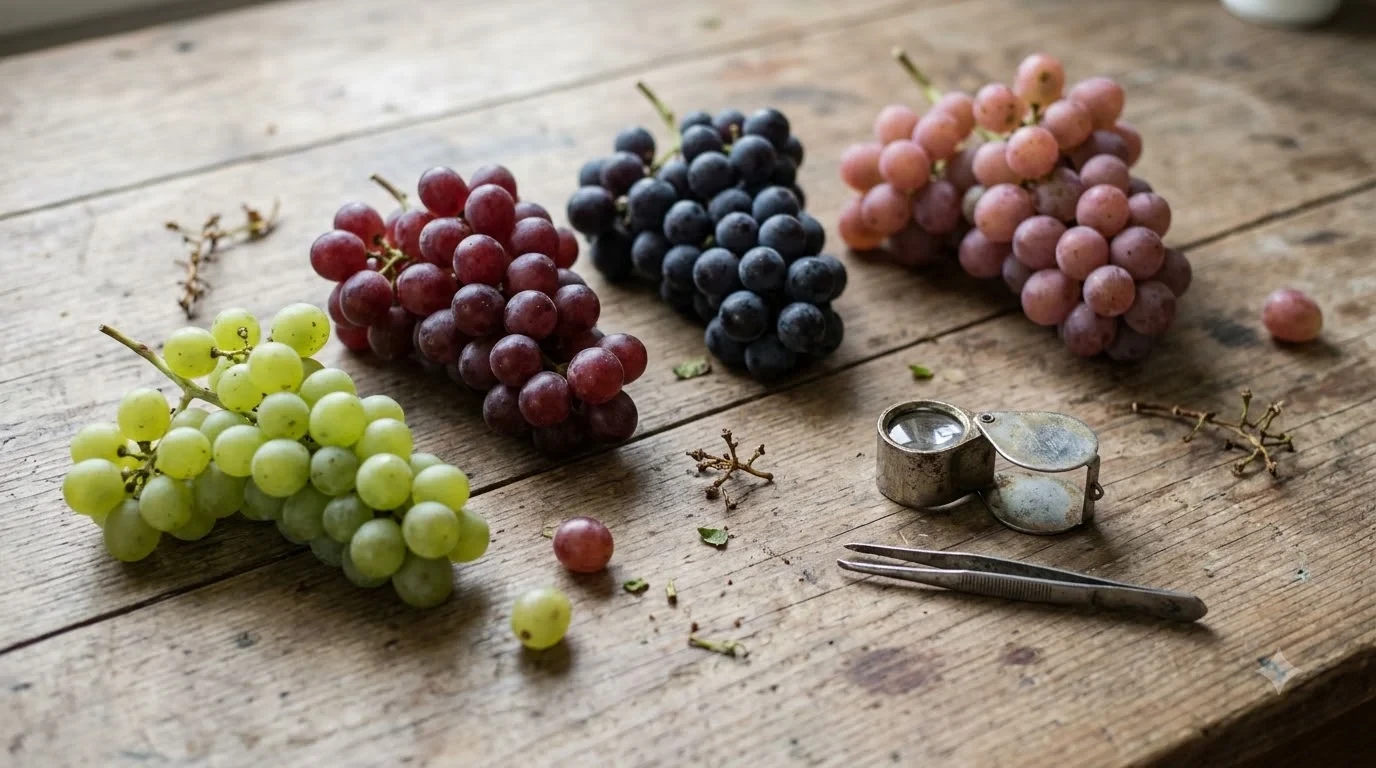
What is Norton? Norton is an American red grape, a hybrid developed in Virginia, that makes dry, deeply colored wines with black cherry, black currant, and peppery notes. It is native to the eastern United States and is best known today in the Midwest, where it is the official grape of Missouri. Its bold structure and firm tannins make it a satisfying alternative to European reds such as Cabernet Sauvignon.
Many wine drinkers have never heard of Norton, even though it has a long history in American winemaking. It is one of a handful of grapes that grew out of native American species instead of the European vines that dominate most wine regions. That background gives it a flavor and character that set it apart, and it has a loyal following among growers and drinkers who want something distinctly American.
Where Norton came from
Norton was introduced by Daniel Norborne Norton of Richmond, Virginia. According to Wikipedia, he selected the variety from seedlings he believed came from an older grape called Bland, although some doubt remains about whether Bland was the true seed source. The grape became commercially available in 1830, which makes it one of the earliest well-known American wine grapes.
Modern DNA work suggests Norton is a complex hybrid. Its ancestry includes the native species Vitis aestivalis, the European species Vitis vinifera, and the American species Vitis labrusca, and its male parent was probably a wild Vitis aestivalis vine. Genetic testing also shows that the Cynthiana grape is genetically indistinguishable from Norton, so the two names describe the same vine.
Flavor and structure
Norton wines are usually dry, with a medium-full body, medium-high tannins, and medium acidity. Wine Folly lists the alcohol at 13.5 to 15 percent ABV. The flavor profile leans toward dark fruit, with black currant and black cherry at the center and savory notes of dill, black pepper, and chocolate on the edges.
One of Norton’s most useful traits is what it lacks. Many native American grapes carry a strong “foxy” aroma, a musky, grape-candy character that some drinkers dislike. Norton does not share that trait, which makes it well suited to dry red wine. Its color is deep, and its tannins give it enough grip to age for several years.
Young Norton can taste tight and grippy, with the fruit and spice still holding back. Given time in the bottle, the tannins tend to soften and the flavors broaden into something more savory and layered. That change is part of the appeal for drinkers who enjoy watching a wine develop, and it is why many people decant a younger bottle before dinner.
Where Norton is grown
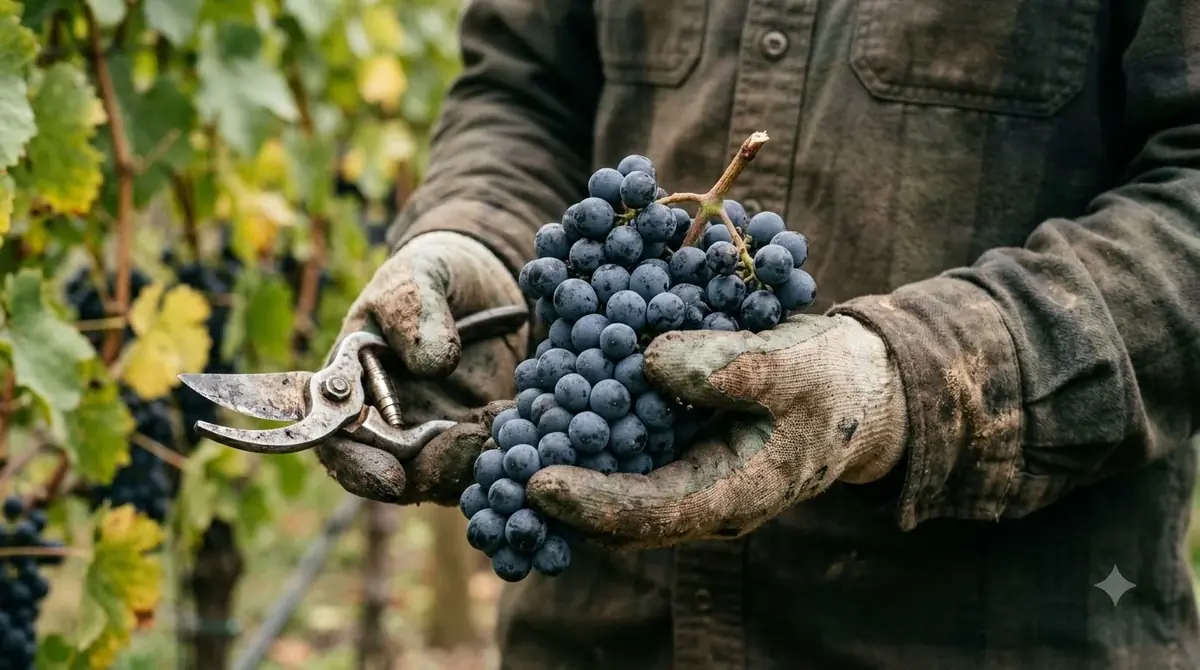
Norton is grown across the Midwestern United States, the Mid-Atlantic states, and parts of northeastern Georgia. Missouri has made it a signature grape, and it is the foundation of that state’s wine industry. Wine Folly describes the grape as showing excellent promise for winemaking in the American Midwest, a view that reflects how well it handles cold winters and humid summers.
Vineyards outside the Midwest also grow Norton, including in Virginia, where the grape was first developed, and in northeastern Georgia. The grape’s range shows that it can adapt to different climates, though its character can shift a little from one place to the next.
| Trait | What to expect |
|---|---|
| Color | Deep, dark red |
| Body | Medium-full, dry |
| Tannins and acidity | Medium-high tannins, medium acidity |
| Main flavors | Black currant, black cherry, dill, black pepper, chocolate |
| Alcohol | 13.5 to 15 percent ABV |
How to serve and age Norton
Serve Norton at a cool room temperature. Wine Folly gives the range as 60 to 68 degrees Fahrenheit, or 15 to 20 degrees Celsius, and suggests a universal glass that gives the wine room to open. A short decant of around 30 minutes helps soften the tannins in younger bottles and lets the spice come forward.
Norton can also be cellared. Wine Folly suggests three to five years for many bottles, which is long enough for the tannins to smooth and the fruit to deepen. Store bottles in a cool, dark place, and avoid large temperature swings, since they can disrupt the wine’s development. Lay corked bottles on their sides so the cork stays moist, and keep the wine away from strong odors, since a closed bottle can still pick up smells from the room.
Once a bottle is opened, re-cork it and refrigerate it if you will not finish it soon. Red wines held this way keep their fruit for a few days, which is long enough to enjoy a second glass with a later meal.
Food pairing with Norton
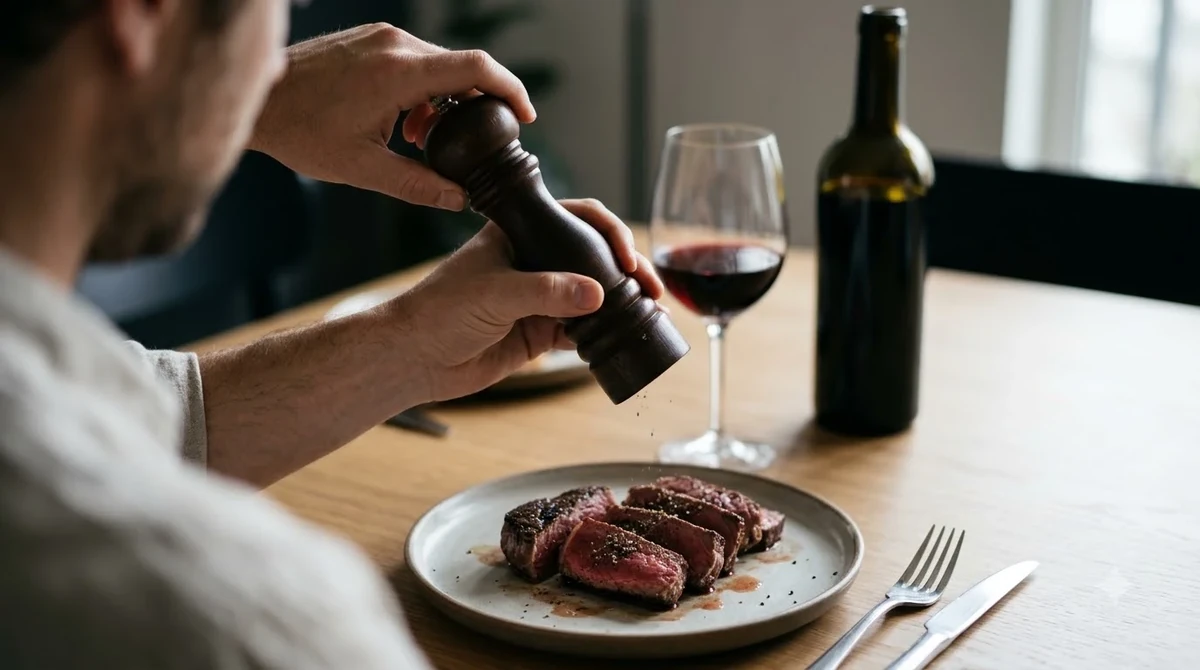
Norton’s structure makes it a strong partner for rich, savory food. Wine Folly recommends venison, beef, and blackened fish, all dishes that have enough flavor to stand up to the grape’s dark fruit and peppery edge. Grilled steak with a smoky crust, a hearty stew, or roasted game can all work well.
Because of its bright acidity and fuller body, Norton can stand in for Cabernet Sauvignon at many meals. It is a good choice for a backyard barbecue or a fall dinner, especially when the menu includes charred vegetables or pepper-spiced sauces. Bring out a bottle with a simple roast or a plate of grilled sausages, and the wine’s dark fruit and pepper will suit the smoke and seasoning well. Because it is not overly delicate, Norton also holds up to bold spice, from chili to black pepper rubs. Pair it with cheeses that have a firm texture and a savory finish rather than very soft, mild cheeses.
Norton and the broader world of American wine
Norton belongs to a group of American grapes that were developed before the country adopted European vinifera as its standard. Norton is one of the few of these hybrids that remains widely planted today, and its continued success is tied to its ability to make a dependable, dry red in the regions where it grows.
For readers who know European reds, Norton offers a different route into the same style. It is not a copy of Cabernet or Merlot. Instead, it shows what a red wine can taste like when its parents include American species, and that difference is the main reason to try it. To compare Norton with a more familiar red, read the guide to cabernet franc wine, another dry red with a distinct character.
Frequently Asked Questions
Is Norton a sweet wine?
Usually not. Norton is typically made as a dry red wine, with bold fruit and firm tannins rather than sweetness.
Is Norton the same as Cynthiana?
Genetic testing shows that Cynthiana and Norton are the same grape, though producers and regions may use one name or the other on the label.
Does Norton taste like Concord grape juice?
No. Concord is a labrusca grape with a strong foxy aroma. Norton lacks that foxy character and tastes like a dry, fruit-forward red.
Where can I find Norton wine?
Start with wineries in Missouri and the Midwest, where the grape is most established. Some wine shops in the eastern United States also carry Norton from Virginia and Georgia producers.
Norton is a grape with a story that goes back to the early 1800s, and it still has a clear identity in the glass. It rewards drinkers who want a bold red with an American character. To explore more grapes and styles, visit the wine by type guide. For details on the grape’s parentage and regions, the Wikipedia entry on Norton is a useful starting point, and the Wine Folly Norton grape guide covers flavor and serving notes.
More in Wine Types & Grapes
 Zinfandel Sugar Content: Dry Red vs. White Zinfandel GramsUpdated Nov 21, 2026
 Best Zinfandel Substitute Options for Sipping and CookingUpdated Nov 21, 2026
 Zweigelt Food Pairing: Best Dishes, Cheeses, and Serving TipsUpdated Nov 21, 2026
 Zinfandel Tannins Explained: How Structure Shapes Every BottleUpdated Nov 21, 2026
 Zinfandel Sweetness Level: Dry Red vs. Sweet White Zin ExplainedUpdated Nov 21, 2026
 Xinomavro Food Pairing: Best Dishes, Styles, and Serving TipsUpdated Nov 21, 2026