


We may earn a commission when you buy through links on this page, at no extra cost to you. Learn more.
Cavit Moscato is a sweet, light Italian white from the Cavit producer in Trentino, and it sits in the same family as the Moscato style most drinkers know. Moscato is usually low in alcohol, lightly sweet and fruity, with a gentle prickle of bubbles in many versions. The Cavit producer’s own website does not describe a Moscato specifically, so this guide uses the general Moscato style to explain what to expect and how to serve it.
Moscato is one of the easiest white wines to enjoy, and it has grown into a popular choice for brunch, dessert and casual evenings. Cavit is a well-known Italian producer, and drinkers who come across its Moscato often want to know whether it tastes like the classic Moscato d’Asti from Piedmont. This guide answers that question without overstating what the producer’s site says.
Who makes Cavit wine
Cavit is the Winery of Trentino Winegrowers, based in Trentino in northern Italy. According to the producer’s English website, the company was founded in 1950 and operates as a cooperative of 5,250 associated winemakers working across 11 wineries. The site calls the cooperative model cutting edge and describes Trentino as the cradle of the brand.
That cooperative structure matters for a shopper. A large group of growers supplies the fruit, which lets the producer work at a consistent scale and keep a recognizable house style across its lineup. The trade-off is that a Cavit wine tells you more about the region and the producer’s approach than about a single estate.
The site lists several lines. Altemasi is described as a Trentodoc sparkling wine made with the Classic Mountain Method, the traditional method used for many fine sparkling wines. The Charmat Sparkling Wines line is described as offering fresh and delicate bubbles, and the Sweet Wines line is described as excellent with certain cheeses and with traditional Italian desserts.
What Moscato is and where it comes from
Moscato is the Italian name for a group of Muscat-family styles. The best-known version is Moscato d’Asti, which Wine Folly’s guide to Moscato describes as an Italian wine from Piedmont. It is light-bodied and sweet, with tropical fruit flavors and light bubbles, and it has roughly 5.5 percent alcohol by volume, compared with about 13 percent for a typical table wine.
Cavit’s home region of Trentino is in the north of Italy, but it is not Piedmont. That difference is useful to know. A Moscato from another producer or region can taste rounder, drier or more floral, depending on how it is made and how much residual sugar it keeps. Reading the label for the region, the style and the sweetness level will tell you more than the grape name alone.
The same guide notes that still Moscato is often dry to taste, even though its fruity aromatics can make it seem sweet. Pink Moscato is mostly Muscat with a little Merlot for color, and dessert Moscatos are sweeter than Moscato d’Asti, such as the Rutherglen Muscat from Australia.

| Moscato style | What to expect | Typical use |
|---|---|---|
| Moscato d’Asti | Semi-sparkling, light, sweet, tropical fruit | Brunch, dessert, light snacks |
| Asti Spumante | Fully sparkling, same grape family | Celebrations, toasts |
| Still Moscato | Often dry to taste, fruity aromas | Aperitif, seafood, Asian food |
| Dessert Moscato | Sweeter and richer than Moscato d’Asti | Fruit desserts, cheese boards |
Tip: If a label does not say which style you are buying, check the sweetness wording and the bubble level. A sparkling or semi-sparkling Moscato usually suits lighter food, while a richer dessert style works better after the meal.
How to serve Moscato
Moscato is best served well chilled. A cold glass keeps the wine fresh and lets the sweetness feel balanced rather than heavy. Chilling the bottle in the refrigerator for a few hours before serving, or placing it in an ice bucket for half an hour, is usually enough.
A standard white wine glass or a flute works well. A flute keeps the bubbles lively for semi-sparkling styles, while a white glass gives the aromas more room. Moscato does not need decanting, and it is meant to be enjoyed young and fresh rather than cellared.
Because the alcohol level is lower than in most wines, a Moscato can be a good choice for a relaxed afternoon or an early evening drink. Pour a small glass, sip it slowly and let the fruit come through. Once opened, keep the bottle sealed and refrigerated so the bubbles and aromas hold for a day or two.
Food pairings for Moscato
Moscato’s sweetness and low alcohol make it a useful partner for spicy food. The Wine Folly guide recommends pairing it with Asian cuisine, especially dishes with heat, because the sweetness and light body balance the spice. It also suggests dim sum and a range of light meats and fish.
For cheese, the same guide points to medium to firm sheep’s or cow’s milk cheeses. This is the kind of pairing that works well on a board with fruit and nuts, and it is where a Cavit Sweet Wine style would also fit, based on the producer’s own suggestion of cheese and traditional Italian desserts.
A sparkling Moscato can also work with barbecue pork, since the bubbles and sweetness cut through smoky, sticky sauces. For dessert, try a fruit tart or a simple sponge cake with berries rather than a very rich chocolate dessert, which can make the wine taste thin.
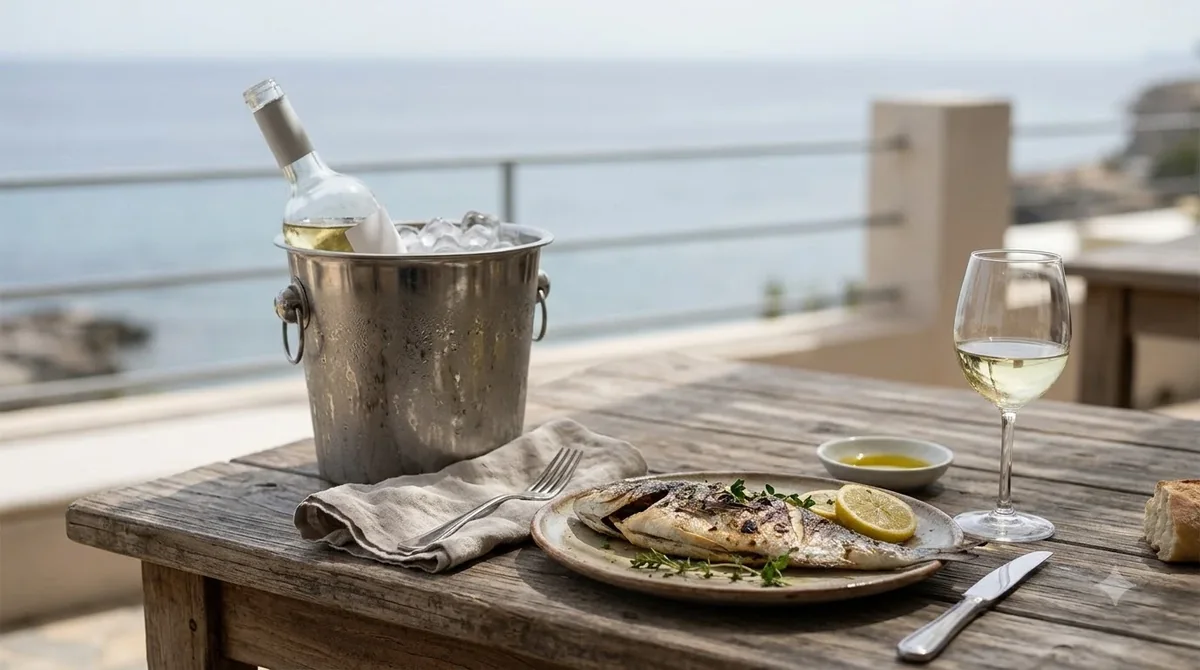
How to choose a Cavit Moscato
When you shop for a Cavit wine labeled Moscato, read the back label for the style and sweetness. If the producer’s sweet line is the right fit, it is worth knowing that the company describes its Sweet Wines as a pairing for cheese and traditional Italian desserts. Compare that with a classic Moscato d’Asti if you want to see how the regional style differs.
Look at the bubble level as well. A lightly sparkling Moscato is a versatile choice for brunch and lighter food, while a fully sparkling style is better for toasts. Still Moscato is a different experience, usually drier to taste and better suited to aperitifs or seafood.
Finally, buy for the occasion. A bottle you open for a dessert course should be sweet and lightly fizzy. A bottle for a spicy dinner should have enough freshness to cool the palate. Matching the style to the meal is the simplest way to enjoy Moscato more.
If you want to compare a Cavit wine with another producer’s approach, our Cavit wine guide covers the wider lineup, and the Yellow Tail Moscato page describes a different producer’s take on the same grape family. Our wine brands guide places these labels side by side.
Frequently Asked Questions
Is Cavit Moscato sweet?
Moscato is generally lightly sweet with fruity aromas. The producer’s own site does not describe its Moscato specifically, so check the back label for the sweetness wording on the bottle you buy.
Is Cavit Moscato sparkling?
Moscato styles vary. Moscato d’Asti is semi-sparkling, while Asti Spumante is fully sparkling. Read the label to see which style your bottle is.
What food goes with Moscato?
Spicy Asian dishes, dim sum, light meats and fish, and medium to firm cheeses are good matches. Sparkling Moscato also pairs well with barbecue pork.
Where is Cavit located?
Cavit is based in Trentino in northern Italy. The company describes itself as a cooperative of 5,250 winemakers working across 11 wineries, founded in 1950.
Cavit Moscato is worth trying if you want a light, fruity white with a relaxed sweetness. Serve it cold, match it to spicy or fruity food, and check the label for the style before you buy. The sweeter, lightly sparkling styles tend to be the most versatile at the table.
More in Wine Brands
 Underwood Wine Price: Compare Bottles, Cans, and Pack SizesUpdated Nov 21, 2026
 Zenato Wine Price: Compare Styles and Choose the Right BottleUpdated Nov 21, 2026
 Zuccardi Wine Price: Compare Bottles and Find the Right RangeUpdated Nov 21, 2026
 Yellow Tail Moscato Review: Taste, Sweetness and Serving TipsUpdated Nov 21, 2026
 Wolf Blass Yellow Label Review: Choose Your Best StyleUpdated Nov 21, 2026
 Wolffer Estate Rose Review: Choose the Right Bottle for Your TableUpdated Nov 21, 2026