


We may earn a commission when you buy through links on this page, at no extra cost to you. Learn more.
What does honey wine taste like? It tastes like fermented honey: floral, round and sweet in many styles, with aromas that follow the flower the honey came from, and it can also be dry and crisp. The exact flavor depends on the honey, the yeast, how far the fermentation goes, and whether fruit, spice or herbs are added. Honey wine is the general name for mead, a fermented drink made from honey rather than grapes or grain.
If you have seen honey wine on a menu or a shop shelf and wondered whether it will taste like a sweet dessert, a dry white or something in between, this guide explains what to expect. You will learn the main flavors, how sweetness changes the taste, how fruit styles differ, and how to serve and pair honey wine so it shows its best side.
The core flavor of honey wine
Honey wine starts with the flavor of the honey itself. Wildflower honey tends to give a rich, earthy, slightly herbal character, while orange blossom or clover honey is lighter and more perfumed. Once fermented, those honey notes turn into a drink with a smooth, silky body, often with a noticeable warmth from the alcohol.
Common aromas include honeysuckle, beeswax, dried flowers, pear and baked apple. On the palate, you may notice a honeyed sweetness balanced by acidity, and a finish that lingers on floral notes. The sweetness is often the first thing people notice, which is why it is helpful to know the style before you open the bottle.
How sweetness changes the taste
Sweetness is the central variable in honey wine. Because honey is almost pure sugar, the fermentation can stop at many points. If the yeast converts most of the sugar into alcohol, the result is a dry honey wine that tastes crisp and lean, with the floral notes showing through and less sugar on the finish. If the fermentation stops early, or sugar is added afterward, the wine stays sweet and syrupy, closer to a dessert wine.
Between those two ends sits a broad middle ground, usually labeled semi-sweet or medium. These meads balance honey richness with a clean, acidic lift. When you are choosing a bottle, read the label or ask the staff whether the mead is dry, semi-sweet or sweet, because the producer’s style matters more than the name on the front.
| Style | What you will taste |
|---|---|
| Dry traditional mead | Crisp, floral and light on sugar; honey shows as aroma more than sweetness |
| Semi-sweet mead | Balanced honey and acidity; smooth and easy to sip |
| Sweet dessert mead | Rich, syrupy and warming; best in small pours |
| Melomel (fruit mead) | Fruit leads, such as cherry, berry or citrus, with honey underneath |
| Spiced or herbal mead | Cinnamon, clove, ginger or herbs layered over the honey |
Tip: If you are new to honey wine, start with a semi-sweet bottle. It gives you the honey character without the heaviness of a dessert style, and it is easy to compare with other wines you already know.
Fruit honey wine and modern styles
Many modern honey wines are fruit-forward. A melomel adds fruit to honey and fermentation, and the fruit often becomes the main flavor. Cherry, blackberry, blueberry and citrus are popular choices, and some producers use berries from colder regions for sharper acidity. The honey stays in the background, adding body and a soft, rounded texture.
According to VinePair’s guide to mead, craft melomels are bold and intense, and drinkers are often surprised by how big the flavor is. Fruit can lead, as with cherry-based meads, and lingonberry and cloudberry melomels from Norway also stand out. The same guide notes that some meads are high-alcohol, dessert-style drinks while others are made at about beer strength, so the taste varies widely from one producer to the next.
How honey wine is made
Honey wine is fermented from honey and water, with yeast doing the work. Because there is no malt or grain, the process is simpler than brewing beer, and the quality depends largely on the honey and how cleanly the fermentation runs. Good producers choose honey for its aroma, then control temperature and nutrients so the yeast works steadily without producing off flavors.
After fermentation, many meads are aged for months or longer. Aging softens sharp edges, rounds out the honey character and can bring out toasty or nutty notes if the mead is kept in oak. Some producers stop fermentation early to keep a sweeter, fresher profile, while others let it finish dry and then age it for depth.

How to serve honey wine
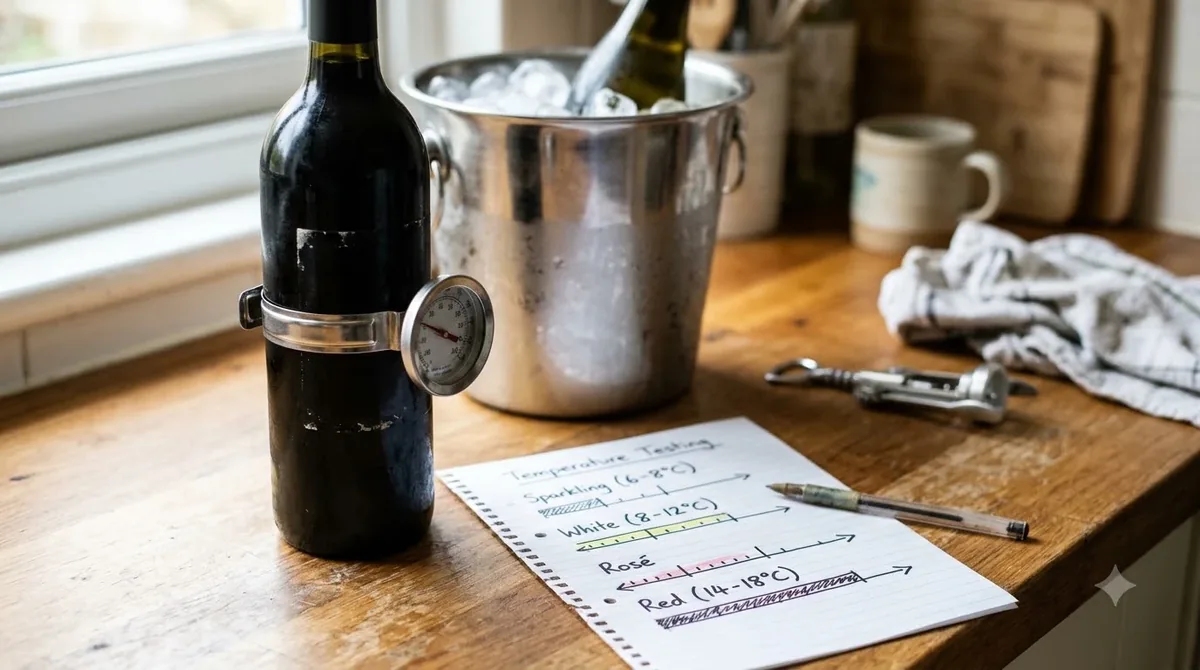
Serve honey wine chilled, around cellar temperature or a little cooler, which keeps the floral aromas lively and prevents the sweetness from feeling heavy. Sweet and dessert meads can be served slightly colder, while dry styles show more character when they are a little warmer, closer to a white wine serving temperature.
Use a standard wine glass or a tulip-shaped glass so the aromas can gather. Pour modest amounts, since many honey wines are higher in alcohol than table wine, and sweet styles are rich enough that a small glass feels satisfying. Once opened, keep the bottle sealed and refrigerated, and finish it within a few days for the freshest flavor. If a sweet mead tastes cloying, a small splash of sparkling water in the glass can lighten the body without hiding the honey.
What to pair with honey wine
Honey wine works with food in a way that surprises many people. Its sweetness and acidity pair naturally with salty cheeses such as blue or aged cheddar, which balance the sugar, and with spicy dishes, where the honey softens the heat. Fruit desserts, including baked apples, berry tarts and lemon cake, are natural partners for sweeter styles.
Dry honey wines are more flexible at the table. They suit roasted chicken, grilled fish, salads with fruit and nuts, and creamy goat cheese. Spiced or herbal meads go well with holiday dishes, roasted root vegetables and gingerbread, where the spice and honey echo each other.
Frequently Asked Questions
Is honey wine the same as mead?
Yes, in most cases. Honey wine is the general name for a drink fermented from honey and water, and mead is the traditional term for the same drink. Melomel is a related term for mead made with fruit.
Is honey wine sweet?
It can be, but it does not have to be. Many honey wines are semi-sweet or sweet, while dry styles exist and taste crisp and floral. The label or the producer’s description usually indicates the level of sweetness.
Does honey wine taste like beer or wine?
It sits between the two. It is fermented like wine, without grain, but its body, sweetness and flavor often feel closer to a light sweet wine or a fruit-forward cider. Some craft versions made at beer strength are closer in weight to a beer.
How should I store an opened bottle of honey wine?
Recork it or cover it tightly, refrigerate it and finish it within a few days. The floral aromas fade over time, so a fresher bottle tastes better than one left open for weeks.
Honey wine tastes floral, warm and often sweet, but the range is wide enough to suit dry-wine fans and dessert lovers alike. Start with a semi-sweet bottle, pay attention to the fruit or spice added, and serve it cool. For related drinks, read our guides on what mead tastes like and what champagne tastes like, or browse Wine by Type for more styles.
More in Wine Types & Grapes
 Zinfandel Sugar Content: Dry Red vs. White Zinfandel GramsUpdated Nov 21, 2026
 Best Zinfandel Substitute Options for Sipping and CookingUpdated Nov 21, 2026
 Zweigelt Food Pairing: Best Dishes, Cheeses, and Serving TipsUpdated Nov 21, 2026
 Zinfandel Tannins Explained: How Structure Shapes Every BottleUpdated Nov 21, 2026
 Zinfandel Sweetness Level: Dry Red vs. Sweet White Zin ExplainedUpdated Nov 21, 2026
 Xinomavro Food Pairing: Best Dishes, Styles, and Serving TipsUpdated Nov 21, 2026