

We may earn a commission when you buy through links on this page, at no extra cost to you. Learn more.
chateau latour red wine is a Cabernet Sauvignon-led Pauillac from Bordeaux, known for its concentrated dark fruit, firm tannins, and ability to develop over many years. Its Grand Vin comes from selected old vines in the estate’s historic Enclos, where gravelly soils over clay and the nearby Gironde estuary help shape the wine. Expect a powerful but balanced red that rewards patience, careful serving, and food with enough substance to meet its structure.
The estate makes more than one red, so understanding the vineyard, Cabernet-led blend, and bottling names helps set expectations for what is in the glass and when to open it.
What Château Latour Red Wine Includes
Château Latour is a First Growth estate in Pauillac, in Bordeaux’s Médoc region. The name most collectors have in mind is the Grand Vin, the flagship red, but the property also makes Les Forts de Latour and Le Pauillac de Château Latour. They share an estate identity but use different parcels and selection decisions, so the exact name on the label matters.
The Grand Vin is made from selected old vines in l’Enclos, the historic vineyard around the château. The estate’s description of the Grand Vin says those vines average about 60 years of age and that Cabernet Sauvignon accounts for more than 90% of the finished blend. Its description emphasizes depth, concentration, freshness, and a structure that needs time to come together. A bottle labeled simply Château Latour should therefore not be treated as though it were the same wine as Les Forts de Latour or Le Pauillac de Château Latour.
Les Forts de Latour was first labelled under that name in 1966 and uses fruit from the edge of the Enclos and other estate parcels; its blend usually contains more Merlot than the Grand Vin. Le Pauillac de Château Latour has been made every year since 1989 and is a fruit-forward introduction to the estate, made primarily from younger vines and typically containing nearly 45% Merlot. For a broader look at producer names and bottling tiers, see our guide to Wine Brands. Identifying the exact bottling is the first step in setting expectations for structure, maturity, and occasion.
Pauillac Terroir and the Enclos
The character of Latour begins with its position beside the Gironde estuary and the gravel-and-clay soils of l’Enclos. The estate is about 50 kilometers northwest of Bordeaux, and its vineyards are close enough to the water for the estuary to moderate some temperature extremes while helping grapes ripen relatively early.
Château Latour places the property about 300 meters from the estuary. Much of the vineyard is on gravelly rises 12 to 16 meters above the river, with gravel over clay and marl beneath. The gravel drains readily after rain, while deeper clay layers retain water that older vines can reach during dry periods. The estate says roots in these soils can extend to around three meters. At the center of the Enclos, the soil is more clayey gravel; toward its edges, it becomes gravelly sand.
These differences matter because the Grand Vin is not simply a blend of every grape grown on the property. Parcel identity, vine age, ripeness, and the quality of each lot influence which fruit is selected. The estate also has an extensive drainage system created in the 19th century to remove excess water before harvest. The river’s moderating influence, the gravel’s drainage, and the clay’s water reserve help explain Latour’s combination of power and freshness. Each season’s weather still gives the vintage its own balance.
Cabernet Sauvignon, Merlot, and the Blend
Cabernet Sauvignon is the principal grape in Château Latour’s Grand Vin, while Merlot and smaller amounts of other Bordeaux varieties can contribute balance and detail. The estate says Cabernet Sauvignon makes up more than 90% of the Grand Vin blend, a proportion that explains much of its firm structure and long-term aging potential.
The wider vineyard plantings are not the same as the final Grand Vin recipe. Château Latour describes its overall plantings as approximately 76% Cabernet Sauvignon, 22% Merlot, and 2% Petit Verdot. The Grand Vin draws selectively from old vines in the Enclos, so its blend can be more Cabernet-heavy than the estate-wide planting map. The final proportions are decided after the team assesses each lot, so the recipe can vary by vintage.
Cabernet Sauvignon thrives on the Enclos’s gravelly ground and contributes color, concentration, and tannin. Merlot is planted in cooler, lower parts of the site where it can ripen well; it adds roundness and a fuller mid-palate that can moderate Cabernet’s firmness. Petit Verdot is a smaller part of the estate’s plantings and can add aromatic intensity, tannin, and freshness when included. Vine age also matters: the flagship draws on old vines averaging roughly 60 years, rather than every young planting on the property. For another First Growth perspective, our Chateau Margaux red wine profile describes a different balance of structure and finesse.
Harvesting, Fermentation, and Oak Aging
Latour’s winemaking is built around keeping vineyard parcels separate for as long as possible, so the team can assess each lot before deciding where it belongs. Hand sorting, a second selection after destemming, and fermentation in stainless-steel vats are all part of that approach.
The estate says harvest usually begins in the second half of September and can continue beyond mid-October, depending on the ripeness of each plot. Workers place hand-picked bunches in crates holding no more than eight kilograms to limit crushing. Grapes are sorted to remove leaves, stalks, and unhealthy fruit, then sorted again after destemming to remove remaining stems and undersized berries. They are transferred to the vats by gravity, reducing unnecessary handling before fermentation. The renovated vat room contains more than 80 stainless-steel tanks, ranging from 12 to 164 hectoliters, so parcels and grape varieties can ferment separately. The young wine stays in temperature-controlled vats for about three weeks. After the wine is separated from skins and seeds, malolactic fermentation follows over roughly the next month; this process softens the wine and helps develop a rounder texture. Blending then involves tasting and comparing the lots to decide which belong in the Grand Vin, Les Forts de Latour, or Le Pauillac de Château Latour.
The Grand Vin matures in French oak barrels. Château Latour describes a first year in barrel followed by another 10 to 13 months in a second cellar; Decanter gives the broader maturation period as about 18 months to two years. The wine is clarified with egg white, and the estate says it holds the Grand Vin in bottle at the property for eight to ten years before release. Parcel selection, oak maturation, and extended bottle rest shape the wine’s measured development.
| Production step | Reported detail |
|---|---|
| Stainless-steel vats | More than 80 tanks |
| Tank capacity | 12 to 164 hectoliters |
| Initial fermentation | About 3 weeks |
| Second cellar barrel maturation | 10 to 13 months after the first year |
| Grand Vin bottle rest at the estate | 8 to 10 years before release |
Flavor, Structure, and Tasting Profile
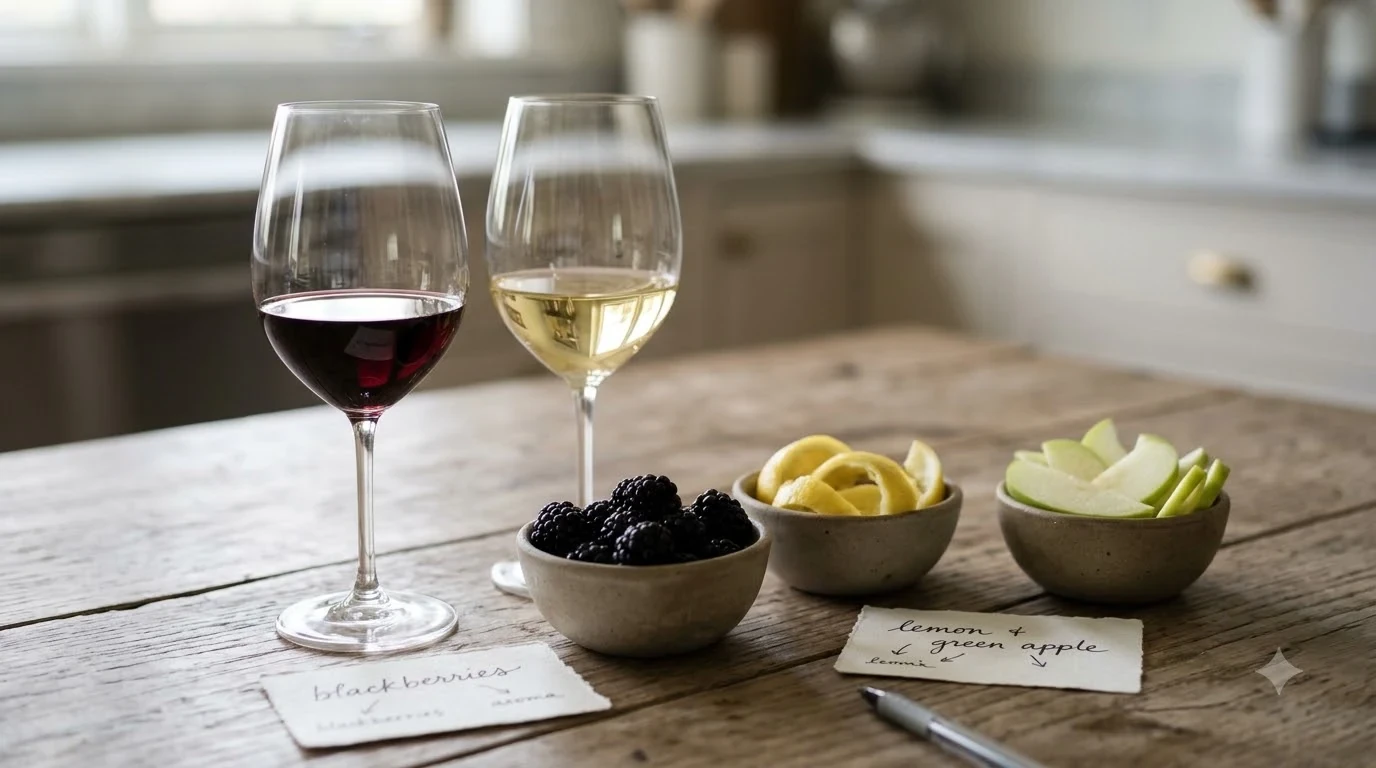
Château Latour is typically full-bodied, dry, and firmly structured, with Cabernet Sauvignon giving the wine a pronounced tannic frame. Dark fruit sits alongside savory and oak-derived notes, while acidity helps keep the palate from feeling flat. Its concentration can make it imposing when young, but the structure is also what allows it to develop complexity over time.
In a Wine Enthusiast review of the 2008 vintage, critic Roger Voss described a wine made with 94% Cabernet Sauvignon and identified black fruits, berries, toast, tannins, spice, and freshness. That is a vintage-specific example, not a guarantee that every Latour tastes the same. Other vintages may emphasize blackcurrant, cherry, cedar, tobacco, graphite, or earthy notes in different proportions, depending on growing conditions, blending, and bottle age.
In its vertical tasting of Latour vintages, Decanter describes the wine as dense and muscular while also capable of elegance, balance, and finesse. A young bottle may show tight tannins and fruit that seems held behind its structure. With time, the tannins tend to soften and the aromas can become more layered, sometimes moving toward dried fruit and savory accents. Give the wine time in the glass and notice how it changes: a mature bottle may be expressive immediately, while a younger vintage can need patience. Vintage and storage matter as much as the name.
Choosing a Vintage and Understanding Age
Château Latour is made for long aging, but that does not mean every vintage should be opened on the same schedule. The estate says its Grand Vin often needs around a decade before it begins to be ready, and that strong vintages can continue developing for several decades. These are broad expectations, not a fixed drinking window.
Vintage conditions affect ripeness, acidity, tannin, and the amount of wine selected for the flagship blend. A warmer season may lead to riper fruit and a broader impression, while a cooler or more difficult season can produce a firmer or more reserved profile. The estate’s vintage archive describes wines year by year, including harvest conditions and house tasting notes. Its vintage archive is more useful than assuming every famous year tastes alike.
For a younger Grand Vin, think in terms of patience: fruit may be present, but tannins can dominate and the aromatic profile may still feel compact. A bottle with more age can show greater integration, but the condition of the individual bottle becomes increasingly important. Provenance, storage temperature, and cork condition matter, particularly for older vintages that have passed through several cellars. The estate’s practice of keeping the Grand Vin at the property for eight to ten years before release gives it a head start, but it does not guarantee that every bottle will be at its peak on arrival. Latour’s reputation rests on a combination of site, selection, vintage character, and the ability of the wine to evolve. Readers comparing other classified Pauillac names may also find our profile of Chateau Pichon wine useful: neighboring estates can share the appellation while producing distinct expressions of Cabernet-based Bordeaux.
Serving Temperature, Decanting, and Food Pairing
Serve Château Latour around 60 to 65°F, slightly below typical room temperature, so alcohol does not dominate and the aromas remain clear. A large Bordeaux glass gives it room to open.
For a young, full-bodied vintage, decanting for about 30 to 60 minutes can help loosen the initial aromas and soften the first impression of tannin. Taste a small pour first: a very old or fragile bottle may lose its best aromas if left in a wide decanter too long. If sediment is present, stand the bottle upright before opening so the deposit settles, then pour slowly and stop when the sediment approaches the neck. Food should meet the wine’s structure rather than overwhelm it. Roast beef, grilled ribeye, lamb, venison, and slow-braised short ribs have the weight and savory depth to stand alongside Cabernet-led tannins. Salt and fat soften the perception of tannin, which is why a well-seasoned steak or lamb shoulder can make the wine seem more supple than it does on its own. Mushrooms, lentils, and dishes with rosemary or thyme can echo its earthy and savory side.
Tip: Open a young bottle with a meal that has protein and some fat, and begin tasting it before the first course. If the tannins still feel firm after 30 minutes, let the wine continue opening while the food does its work.
Avoid pairings that work against the wine’s structure. Delicate white fish can be overwhelmed, and oily fish can clash with a tannic red. Very hot chili sauces can make alcohol and tannin feel more aggressive, while sweet sauces can make a dry wine taste harder. Store unopened bottles on their side in a stable, cool place near 55°F, away from sunlight and vibration. After opening, seal and refrigerate any remaining wine; a still red is generally best enjoyed over the next three to five days. Bring it back toward 60 to 65°F before serving.
Frequently Asked Questions
These answers cover historical and production details that are easy to miss when comparing Château Latour labels and vintages.
What does the tower in Château Latour’s name refer to?
A tower was built beside the Gironde in 1331 as a defensive structure against raiders. It was known as the Tour de St-Maubert, and the name later evolved through forms including St-Mambert and St-Lambert. The landmark helps explain the estate’s name, which predates modern Bordeaux classification.
When did Château Latour begin bottling wine at the estate?
Decanter notes that Château Latour began bottling part of its production at the property in 1863, rather than selling all of it in barrel to merchants. The change is an important marker in the estate’s commercial history and predates its modern practice of extended bottle aging before release.
Which named parcels can contribute to Les Forts de Latour?
The estate names Piñada, Petit Batailley, and St. Anne among the holdings outside the Enclos that can supply the wine. Vines in those older holdings average around 40 years of age. The estate also has a seven-hectare block in Artigues that it acquired in 2005.
Does Château Latour make its Grand Vin in every vintage?
No. The estate’s vintage archive identifies 2016 and 2018 as years in which only Les Forts de Latour and Le Pauillac de Château Latour were made, rather than the Grand Vin. That selective approach reserves the flagship name for lots that meet the estate’s standards.
How large are Château Latour’s vineyards?
Decanter describes the estate as covering about 92 hectares of vineyard land, with 47 hectares in the Enclos around the château. The Enclos is therefore roughly half of the property’s total vineyard area. The Grand Vin relies on selected fruit from this core site rather than all 92 hectares.
Château Latour is best understood as a place-driven, Cabernet-led Bordeaux whose power comes with freshness, detail, and serious aging potential. Identify the exact bottling, consider the vintage and storage history, and serve it with food that can meet its tannic structure. Those steps make it easier to appreciate both the wine’s character and the reasons the Grand Vin has such a lasting reputation.
More in Wine Brands
 Underwood Wine Price: Compare Bottles, Cans, and Pack SizesUpdated Nov 21, 2026
 Zenato Wine Price: Compare Styles and Choose the Right BottleUpdated Nov 21, 2026
 Zuccardi Wine Price: Compare Bottles and Find the Right RangeUpdated Nov 21, 2026
 Yellow Tail Moscato Review: Taste, Sweetness and Serving TipsUpdated Nov 21, 2026
 Wolf Blass Yellow Label Review: Choose Your Best StyleUpdated Nov 21, 2026
 Wolffer Estate Rose Review: Choose the Right Bottle for Your TableUpdated Nov 21, 2026