

We may earn a commission when you buy through links on this page, at no extra cost to you. Learn more.
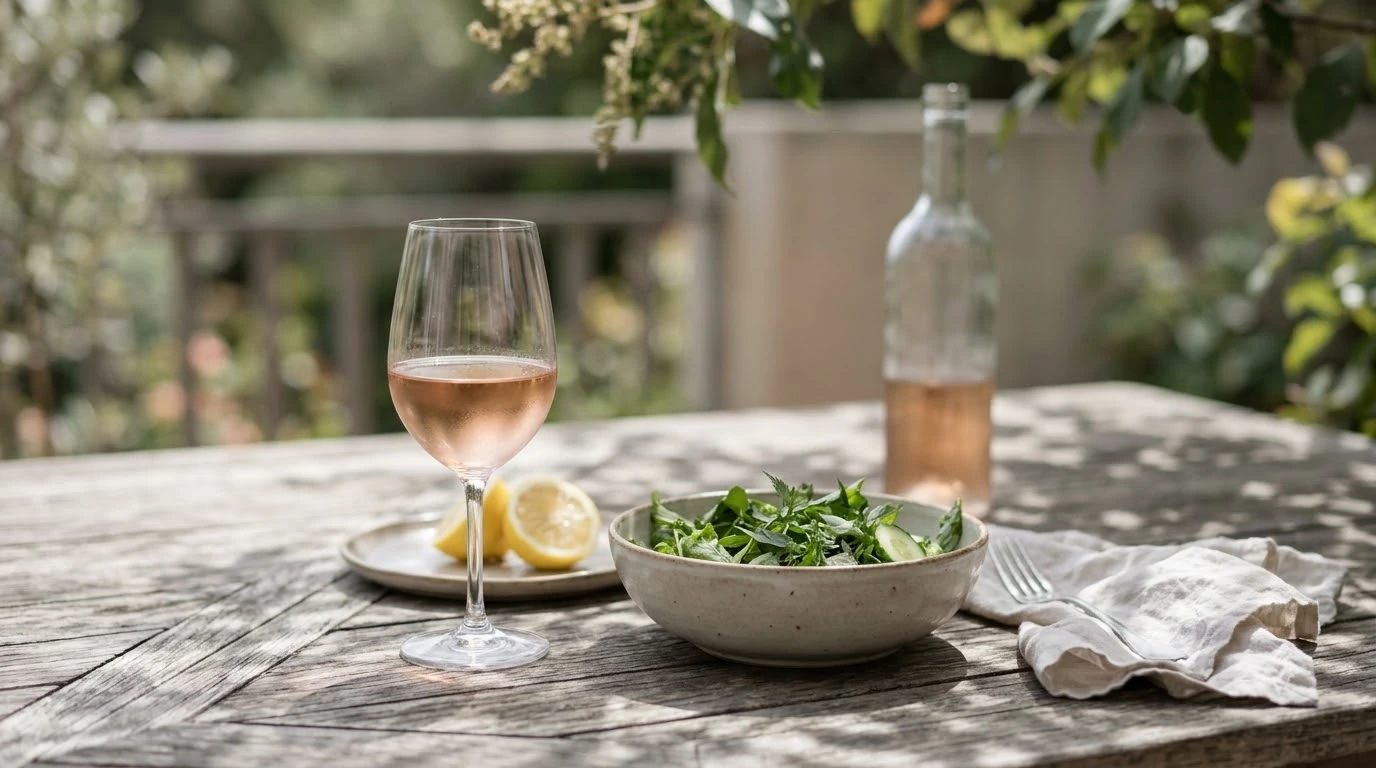
Chateau d esclans wine is a collection of premium Provence rosé wines produced at Château d’Esclans in southeastern France, best known for Whispering Angel, Rock Angel, Les Clans, and Garrus. These wines range from fresh, fruit-driven rosés fermented in stainless steel to richer, barrel-fermented expressions with greater texture and complexity. Understanding the differences between the bottles, their grape varieties, and their winemaking methods makes it easier to choose the right rosé for an aperitif, a seafood dinner, or a special occasion.
Provence has a long tradition of rosé production, but Château d’Esclans has helped establish a more ambitious approach to the category. Its wines demonstrate how grape selection, vineyard parcels, fermentation vessels, and aging techniques can produce distinctly different expressions of pink wine. Whether you recognize the name from Whispering Angel or are considering a more structured bottle such as Garrus, the estate offers plenty to explore.
What Is Château d’Esclans Wine and Where Does It Come From?
Château d’Esclans is a wine estate in the Esclans Valley of Provence, northeast of Saint-Tropez in southeastern France. Its modern identity is closely associated with Sacha Lichine, who acquired the property in 2006 and set out to demonstrate that Provence rosé could deliver the quality, depth, and refinement associated with more prestigious wine categories.
The estate’s location places it within the Mediterranean climate of Provence, a region known for sunny growing conditions and wines that often combine ripe fruit with refreshing acidity. The broader Côtes de Provence area is particularly associated with pale-colored rosés. Grenache plays a leading role in the appellation, while Cinsault, Syrah, Mourvèdre, and Carignan contribute additional blending possibilities.
According to LVMH, Château d’Esclans has approximately 240 hectares of vines and distributes its wines in more than 100 countries. Its international reputation rests largely on Whispering Angel, although the estate’s portfolio extends considerably further. The range includes wines with different levels of structure, oak influence, and aging potential.
The property’s development also reflects a deliberate effort to understand individual vineyard sites. In an interview published by Decanter, winemaker Patrick Léon discussed identifying approximately 30 combinations of soil types, exposures, and grape varieties. Rather than treating all the fruit as interchangeable, the team explored individual parcels through small-scale fermentations before developing separate wine styles.
This approach helps explain why Château d’Esclans is more than a single rosé brand. Its wines provide different interpretations of the same broad Provençal identity, from an approachable aperitif to a more concentrated bottle suited to a carefully prepared meal. The name also appears alongside several distinct labels, so it helps to understand the portfolio before choosing a bottle.
The Main Wines in the Château d’Esclans Portfolio
The Château d’Esclans collection includes several recognizable rosés, each with a different balance of fruit, freshness, texture, and oak influence. Whispering Angel is the familiar starting point, while Rock Angel, Château d’Esclans, Les Clans, and Garrus offer progressively different expressions.
Although the wines share a Provençal background, they should not be treated as interchangeable. Production methods and grape sourcing influence the character of each bottle, making some more suitable for casual gatherings and others better suited to substantial food.
| Wine | Main grapes or style | Winemaking character | Best occasion |
|---|---|---|---|
| Whispering Angel | Grenache, Cinsault, Rolle, Syrah | Temperature-controlled stainless steel | Aperitifs and seafood |
| Rock Angel | Grenache, Cinsault, Rolle, Syrah | Oak barrels and stainless steel | Grilled fish and richer dishes |
| Château d’Esclans | Estate rosé expression | More developed estate style | Versatile dinner pairing |
| Les Clans | Primarily Grenache and Rolle | Large French oak barrels | Roasted poultry and seafood |
| Garrus | Grenache and Rolle | New French oak and extended aging | Special meals and fine dining |
The table provides a practical overview rather than a fixed ranking of quality. The differences are especially noticeable when comparing the stainless-steel fermentation used for Whispering Angel with the extended barrel treatment used for Garrus.
Whispering Angel is the most recognizable name in the portfolio and an accessible introduction to the estate’s style. Rock Angel offers more structure, while Les Clans and Garrus demonstrate how oak fermentation and longer periods of maturation can create a fuller, more layered rosé. Château d’Esclans occupies an important place in the estate collection, offering another expression of its vineyard character.
For readers exploring established French wine producers, the distinction between a château name and an individual wine label is important. This is also true of Bordeaux properties such as those producing Chateau Margaux red wine and Chateau Latour red wine. The producer’s identity provides context, but the specific bottle determines the wine’s actual style.
Grape Varieties and Flavor Profiles
Grenache, Cinsault, Rolle, and Syrah are central to understanding the estate’s rosés. These grapes contribute different qualities to a blend, from ripe red fruit and body to citrus freshness, aromatic detail, and additional structure.
Grenache is particularly important in Provence rosé. It can contribute strawberry, raspberry, and ripe cherry flavors, along with a rounded texture and generous fruit character. In warmer growing conditions, it can also develop substantial alcohol, so careful harvest timing is important for maintaining freshness.
Cinsault is commonly used in southern French rosé because of its delicate fruit and relatively light structure. It can contribute red berry aromas and a softer palate without making a wine feel excessively heavy. Its role is especially useful when the goal is an elegant, refreshing style.
Rolle, also known as Vermentino, is a white grape that contributes freshness, citrus character, and aromatic complexity. Depending on the vineyard and growing conditions, it can bring impressions of lemon, pear, white flowers, and subtle herbal notes.
Syrah can provide additional color, fruit intensity, and structure. It is associated with darker berry flavors, including blackberry and blueberry, as well as peppery or savory nuances. Its contribution can help make a rosé feel more substantial alongside food.
The exact blend varies among wines and can differ between vintages. The producer’s published information lists Grenache, Cinsault, Rolle, and Syrah for Whispering Angel and Rock Angel, while Garrus is made from Grenache and Rolle. Garrus also draws heavily on fruit from an individual parcel containing nearly 100-year-old Grenache vines.
These varieties help explain why the wines can taste different despite sharing a regional identity. A Grenache-led blend may emphasize ripe red berries, while the addition of Rolle can bring a brighter citrus impression. Syrah can contribute a deeper fruit character and additional presence on the palate.
What to Expect in the Glass
Expect pale salmon, peach, or pink hues across many of the estate’s rosés, although the exact color depends on the grapes, vintage, and winemaking decisions. The aroma can suggest strawberries, raspberries, citrus, white peach, melon, and flowers. More structured examples may also show subtle spice, savory details, or a creamy impression from oak aging.
Color alone does not determine sweetness or quality. A pale rosé can be completely dry, and a fuller-bodied pink wine does not necessarily contain more residual sugar. The balance between fruit, acidity, alcohol, and texture provides a much better indication of the overall style.
Whispering Angel, Rock Angel, and Garrus Compared
Whispering Angel, Rock Angel, and Garrus illustrate three distinct approaches within the Château d’Esclans portfolio. Their differences are especially clear in fermentation, barrel use, alcohol level, and recommended serving temperature.
Whispering Angel: Fresh and Approachable
Whispering Angel is the estate’s best-known wine and a widely recognized example of Provence rosé. It is produced using Grenache, Cinsault, Rolle, and Syrah, with grapes sourced from selected vineyards around the Esclans Valley and the wider Côtes de Provence area.
The grapes are harvested at night to help preserve freshness and avoid excessive daytime heat. After sorting and soft crushing, the fruit undergoes temperature reduction before pressing. Fermentation takes place in temperature-controlled stainless-steel tanks, and the producer describes bâtonnage twice weekly during the process.
The result is a dry rosé with a smooth finish and a full, fresh fruit character. Strawberry, citrus, and soft stone-fruit impressions make it versatile enough for casual entertaining, outdoor lunches, and seafood appetizers. The producer lists it at 13% alcohol by volume and recommends serving it at 8–12°C.
Rock Angel: More Structure and Complexity
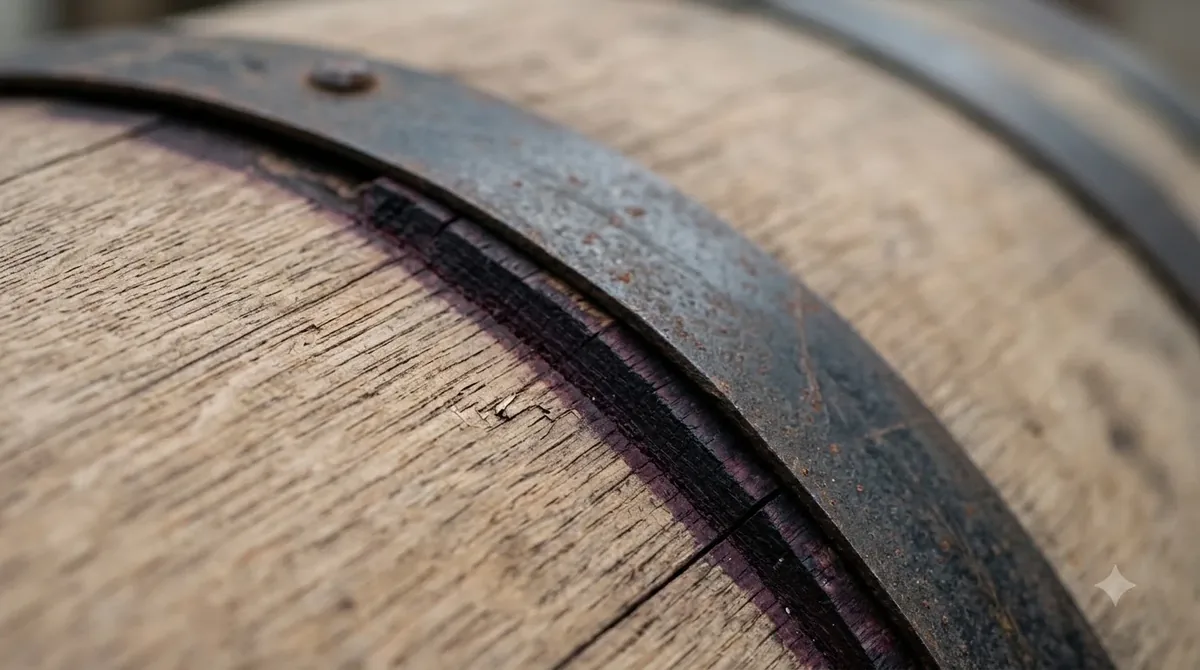
Rock Angel takes a more substantial approach. It uses Grenache, Cinsault, Rolle, and Syrah, but the winemaking includes a significant contribution from oak barrels rather than relying entirely on stainless steel.
According to the producer, Rock Angel is fermented primarily in 600-liter temperature-controlled oak barrels, with stainless-steel tanks also used. The wine undergoes bâtonnage twice weekly over approximately six months before bottling. This process can help develop a broader texture and additional complexity.
The resulting style is more structured and pronounced than Whispering Angel. Its fruit character can include red berries and citrus, while the additional texture makes it suitable for grilled fish, seafood pasta, and roasted chicken. The producer lists 13.5% alcohol by volume, a recommended serving temperature of 8–12°C, and an aging potential of one to two years.
Garrus: The Estate’s Prestige Rosé
Garrus is the most distinctive expression among these three wines. It is made from Grenache and Rolle, with a substantial proportion of the Grenache coming from a single parcel of nearly 100-year-old vines at the estate.
The grapes are harvested in the morning to avoid excessive heat and maintain freshness. Following sorting, soft crushing, and temperature reduction, the juice is pressed with minimal oxidation. The producer describes fermentation and aging in new French oak barrels, specifically 600-liter temperature-controlled demi-muids.
Garrus receives bâtonnage twice weekly over approximately eleven months before bottling. This extended barrel treatment contributes to its broader texture and more developed character. Rather than tasting like a simple summer rosé, it is intended to offer the depth and concentration needed to accompany more elaborate food.
The producer lists Garrus at 14% alcohol by volume, recommends serving it at 12–14°C, and gives it an aging potential of up to ten years. These figures distinguish it from the lighter, younger-drinking Whispering Angel and Rock Angel styles.
For a broader perspective on the estate’s approach to premium rosé, Decanter’s interview with Sacha Lichine discusses the early decisions behind the vineyard selection and the development of separate wine styles.
How to Serve and Store Château d’Esclans Rosé
Serving temperature has a direct effect on how a rosé expresses its fruit, acidity, and texture. Most lighter Provence rosés are best served well chilled, while fuller, barrel-influenced examples benefit from slightly warmer temperatures.
For Whispering Angel and Rock Angel, a temperature around 45–50°F is a practical starting point. The producer’s recommended range of 8–12°C for both wines translates to approximately 46–54°F. A slightly cooler pour can emphasize freshness, while allowing the wine to warm gently in the glass reveals more of its aromatic character.
Garrus benefits from a warmer serving temperature because its fuller body and barrel influence can become more expressive when the wine is not excessively cold. The producer recommends 12–14°C, approximately 54–57°F. This is a useful distinction for anyone serving several estate wines during the same meal.
Tip: Chill Whispering Angel or Rock Angel in the refrigerator for a few hours before serving. For Garrus, aim for approximately 54–57°F rather than serving it straight from an especially cold refrigerator. Allow fuller rosés a few minutes in the glass to reveal their aromas and texture.
A standard wine pour is approximately 5 ounces, meaning a 750 ml bottle provides about five glasses. For a dinner with six adults, two bottles will generally provide enough for a moderate pour, although a larger gathering or longer meal may require additional bottles.
Storage also matters. Keep unopened bottles in a cool, dark place, ideally around 55°F, away from direct sunlight and significant temperature fluctuations. Bottles with natural cork closures are generally best stored horizontally when being kept for an extended period.
Whispering Angel and Rock Angel are generally intended for drinking relatively young, with the producer listing one to two years of aging potential. Garrus has a longer stated aging potential of up to ten years, although proper storage conditions are essential if you plan to keep it.
Once opened, refrigerate still rosé and use a suitable closure to limit oxygen exposure. Most opened still wines remain enjoyable for approximately three to five days, although their fresh fruit aromas can become less pronounced over time. Let a refrigerated bottle warm slightly before pouring another glass.
Food Pairings for Different Château d’Esclans Wines
The freshness and fruit character of Provence rosé make it particularly versatile with Mediterranean food. Seafood, grilled vegetables, poultry, salads, and herb-seasoned dishes are natural partners, but the best pairing depends on the structure of the particular bottle.
Seafood and Lighter Dishes
Whispering Angel is a particularly useful choice for shrimp, oysters, scallops, crab cakes, and grilled white fish. Its refreshing profile works well with lemon, fresh herbs, and olive oil. These ingredients complement the wine’s fruit without overpowering its delicate character.
It also works with Mediterranean salads containing cucumber, tomatoes, olives, feta, and grilled vegetables. The wine’s dryness helps balance the natural sweetness of ripe tomatoes, while its acidity refreshes the palate after salty cheese and olive oil.
One important distinction concerns oily fish. Rosé is not automatically a perfect match for every seafood preparation. Rich, oily fish such as mackerel can be more challenging with strongly tannic reds, so a fresh, low-tannin rosé or crisp white is generally a more suitable direction.
Grilled Food and Richer Meals
Rock Angel can handle more substantial dishes than a delicate aperitif-style rosé. Try it with grilled salmon, roasted chicken, pork tenderloin, or seafood pasta with a lightly creamy sauce. Its oak-influenced texture gives it more presence against richer ingredients.
Grilled Mediterranean vegetables are another excellent option. Eggplant, zucchini, bell peppers, and mushrooms develop savory and slightly smoky flavors during cooking. These characteristics complement the wine’s fruit and structure, particularly when the vegetables are dressed with olive oil and fresh thyme.
Garrus is suited to more elaborate dishes. Consider roasted chicken with herbs, lobster with butter, seared scallops, or a seafood risotto. Its additional weight and barrel-derived complexity make it a stronger partner for dishes with concentrated flavors.
Cheese and Charcuterie
Soft cheeses such as Brie and fresh goat cheese can work particularly well with the fresher wines in the collection. Goat cheese is especially useful because its tangy acidity complements the bright character of a dry rosé.
For a casual gathering, serve Whispering Angel with cured ham, mild salami, olives, toasted bread, and soft cheeses. Salt can soften the perception of tannin, although these rosés are generally not highly tannic in the first place. The combination of savory ingredients and refreshing wine keeps the pairing balanced.
For Garrus, consider aged hard cheeses, roasted nuts, and dishes with a little more richness. Avoid extremely pungent cheeses that can overwhelm the wine’s more subtle aromas.
Spicy Food and Desserts
Moderately spicy dishes can work with rosé, especially when they include citrus, herbs, or grilled seafood. However, strong chili heat can become more pronounced with higher alcohol levels. Because the estate’s wines range from 13% to 14% alcohol in the examples discussed, extremely hot dishes may make the wine seem warmer and less refreshing.
For dessert, the general rule is that the wine should be at least as sweet as the food. These dry rosés are therefore better suited to fruit-based savory courses than very sweet desserts. A sugary pastry or syrup-heavy fruit dish can make a dry wine taste sour or thin.
For additional inspiration, consider how different producers and grape styles influence food pairing throughout the broader Wine Brands category.
How Château d’Esclans Fits into the World of French Wine
Château d’Esclans occupies a distinctive position in French wine because it has focused on demonstrating the range of quality and style possible within Provence rosé. Its portfolio moves beyond the idea that pink wine should be simple, inexpensive, and consumed immediately after purchase.
The estate’s strategy has similarities to the way established Bordeaux properties distinguish their wines through vineyard selection and winemaking decisions. However, the wines serve different purposes. A bottle from a classified Bordeaux château is generally associated with red wine and its tannin structure, whereas Château d’Esclans concentrates on rosé and the balance between fruit, freshness, and texture.
For example, Château Pichon wines from Pauillac demonstrate how Cabernet Sauvignon, Merlot, and other Bordeaux varieties can produce structured red wines with significant aging potential. Château d’Esclans approaches complexity differently, using grape selection, pressing decisions, stainless steel, and oak fermentation to create distinct rosé expressions. Readers interested in Bordeaux can also explore Chateau Pichon wine for comparison.
The wider Provençal context is important as well. Provence includes several appellations and a range of wine styles, rather than producing only one type of pale pink rosé. Côtes de Provence is especially associated with Grenache-led blends, while Bandol is known for rosé and ageworthy reds based on Mourvèdre.
Château d’Esclans has helped bring international attention to this region through a portfolio that offers different entry points for wine drinkers. Whispering Angel is familiar to many consumers, but Rock Angel, Les Clans, and Garrus reveal how far the estate can take the same broad regional identity through more specialized winemaking.
For American wine drinkers, the main takeaway is that the estate is best understood as a producer rather than a single bottle. Choosing the right wine depends on whether the occasion calls for freshness, additional structure, or a more concentrated expression suited to an elaborate meal.
Frequently Asked Questions
Is Château d’Esclans owned by LVMH?
LVMH’s corporate profile identifies Château d’Esclans within its wines and spirits portfolio. The estate’s modern development began with Sacha Lichine’s acquisition in 2006, and its international distribution has helped establish the brand across major wine markets. Its portfolio includes both Caves d’Esclans and Château d’Esclans labels.
What does the name Whispering Angel mean?
The name is connected to the estate’s Esclans Valley setting and its association with angels. Founder Sacha Lichine has described the idea through the poetic suggestion that angels whisper in the valley. It gives the wine a distinctive identity separate from the more traditional château-style naming used elsewhere in French wine.
Can Château d’Esclans rosé be used in cocktails?
Yes. A fresh, dry rosé such as Whispering Angel can be used in a simple wine spritz with sparkling water, citrus, and fresh herbs. A 4-ounce rosé pour with 2 ounces of sparkling water provides a straightforward starting ratio. Avoid using the more elaborate barrel-aged bottles for recipes that would obscure their texture and aromatic detail.
What is the difference between Côtes de Provence and Provence rosé?
Provence is the broader wine region in southeastern France, while Côtes de Provence is a specific appellation within it. A wine carrying the Côtes de Provence designation must comply with the applicable regional production rules. Bandol and Coteaux d’Aix-en-Provence are examples of other Provençal appellations with their own identities.
Does Château d’Esclans produce only rosé wine?
The estate’s modern international identity and principal portfolio are centered on rosé. Its collection includes several distinct labels rather than a single wine, with different grape combinations and fermentation techniques. This specialization is closely associated with the direction established after the 2006 acquisition.
Château d’Esclans demonstrates how Provence rosé can range from fresh and approachable to structured, complex, and suitable for more ambitious meals. Whispering Angel is an excellent introduction, Rock Angel offers additional texture, and Garrus provides a more concentrated expression of the estate’s winemaking approach. Understanding these differences makes it easier to select a bottle that suits both the food and the occasion.
More in Wine Brands
 Underwood Wine Price: Compare Bottles, Cans, and Pack SizesUpdated Nov 21, 2026
 Zenato Wine Price: Compare Styles and Choose the Right BottleUpdated Nov 21, 2026
 Zuccardi Wine Price: Compare Bottles and Find the Right RangeUpdated Nov 21, 2026
 Yellow Tail Moscato Review: Taste, Sweetness and Serving TipsUpdated Nov 21, 2026
 Wolf Blass Yellow Label Review: Choose Your Best StyleUpdated Nov 21, 2026
 Wolffer Estate Rose Review: Choose the Right Bottle for Your TableUpdated Nov 21, 2026