


We may earn a commission when you buy through links on this page, at no extra cost to you. Learn more.
Fetzer Gewurztraminer wine is a fragrant white from the Fetzer lineup, built around the lychee and rose aromas that define the Gewurztraminer grape. The winery’s homepage promotes it with a food pairing, calling it “nice with spice,” which is a good clue to how it is meant to be enjoyed. Serve it well chilled and pair it with bold, spiced dishes rather than plain, mild food.
Gewurztraminer is one of the most recognizable white grapes, and a bottle with a clear varietal name on the label tells you a lot before you open it. This guide explains what to expect from the grape in general, how Fetzer’s version fits into the winery’s range, how to serve it, and which dishes it pairs with well.
What Gewurztraminer tastes like
Gewurztraminer is known for intense floral aromas, and lychee and rose are its signature notes. Depending on the wine and the style, you may also notice ginger, orange blossom and delicate spice. The grape’s aromatic character is strong enough that many people can identify it blind, even before tasting.
On the palate, Wine Folly’s Gewurztraminer guide describes the body as medium to full, sometimes with a slightly oily, textured richness. Acidity is moderate to low, which is why the best examples still taste fresh and balanced rather than heavy. Primary flavors often include grapefruit and tangerine alongside the perfumed notes. The combination of big aroma and a rounder texture is what makes the wine stand out at the table.
Dry, off-dry or sweet: how to read the style
Gewurztraminer covers a wide sweetness range. Many wines made from it are dry, with little or no residual sugar, even though they smell sweet. Others are off-dry or sweet, including late-harvest and botrytized styles that bring honeyed, concentrated flavors. Wine Folly notes that alcohol usually sits between 13.5% and 15% ABV, since the grape ripens quickly and can build sugar fast.
For a bottle on a shelf, the back label or the producer’s sheet is the best place to check sweetness. A dry Gewurztraminer will feel lively and aromatic with a clean finish, while a sweeter version will coat the palate more and suit dessert or a spicy meal with a touch of sugar in the sauce.
Fetzer’s place in the lineup
Fetzer is a California producer based in Hopland, and its website describes the company as a certified B Corporation, saying it meets B Corp’s standards for environmental, social and governance practice. The site lists a white lineup alongside Gewurztraminer, including Chardonnay, Pinot Grigio, Riesling and Sauvignon Blanc, and it also shows cabernet sauvignon, merlot and a reserve port among its reds.
The winery’s homepage gives each white a short food cue. For Gewurztraminer, that cue is “nice with spice,” which points to the grape’s natural fit with bold seasoning rather than a light, plain menu. The page also lists a 90-point rating for the Gewurztraminer, but it does not name the reviewer or publication, so treat that figure as the producer’s claim rather than an independent score.

| Aspect | What to expect from Gewurztraminer |
|---|---|
| Aromas | Lychee, rose, ginger, orange blossom |
| Body | Medium to full, sometimes slightly oily |
| Acidity | Moderate to low |
| Alcohol | Typically 13.5% to 15% ABV |
| Sweetness | Mostly dry, with off-dry and sweet styles |
| Serving | Well chilled, about 38 to 45°F (4 to 6°C), white wine glass |
How to serve Fetzer Gewurztraminer
Serve the wine well chilled. Wine Folly recommends a temperature of about 38 to 45°F (4 to 6°C) for Gewurztraminer, and that range keeps the aromatics lifted without making the wine taste dull. A standard white wine glass is enough to show off the nose. Decanting is not needed, so you can open the bottle and pour when you are ready.
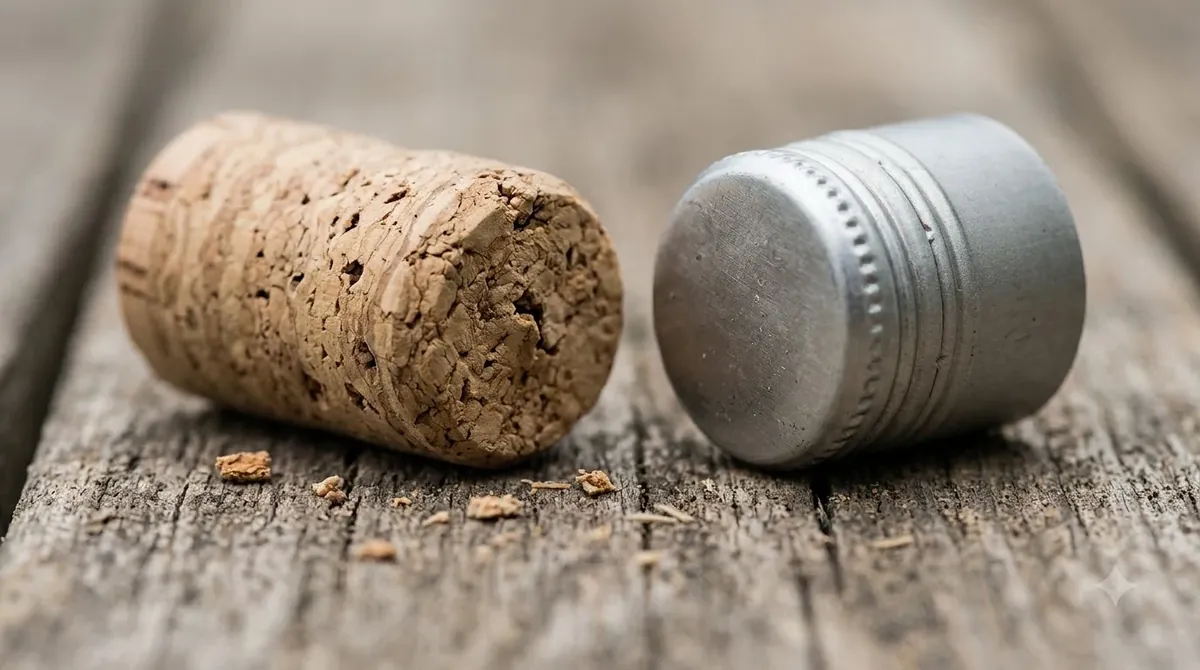
Because the aromas are so forward, the wine is best enjoyed fairly soon after opening. If you are pouring a bottle over an evening, keep the cork in and the bottle cool between glasses so the floral notes do not fade. Drinking the wine in the first day or two after opening usually gives the best aromatic experience.
Glass shape matters less with this wine than with bigger reds, but a glass with a moderate bowl helps gather the aromas without letting them overpower the nose. Pour a modest amount, about a third to half of the glass, so the wine has room to show its aromatics as it warms slightly in the glass. Many drinkers find that a Gewurztraminer tastes more expressive a few minutes after pouring than it does straight from the fridge, so it is worth giving the glass a moment before the first sip.
Food pairings that suit the wine
Gewurztraminer is famous for matching spicy and aromatic food, and the reason is simple: its floral intensity can stand up to heat and bold seasoning without being overwhelmed. Wine Folly suggests soft, pungent cheeses such as Munster or Gorgonzola, along with intensely flavored Middle Eastern and Moroccan dishes such as tagines. Thai and Indian curries with a little sweetness are also a strong match, as are dishes with ginger, chili or star anise.
Sweeter styles suit desserts with aromatic character. Wine Folly mentions mango sorbet and rose-water baklava as good companions for a sweet Gewurztraminer. In general, avoid pairing a dry bottle with very sweet desserts, since the wine will taste thinner next to sugar.
Tip: Try the wine with a dish that has heat and a little sweetness, such as a coconut curry or a glazed pork dish. That contrast shows off the aromatics better than a plain grilled fish.
Who should try this wine
Fetzer Gewurztraminer suits drinkers who enjoy aromatic whites and want something more distinctive than a standard Chardonnay or Pinot Grigio. If you already like Riesling, the Gewurztraminer will feel like a bolder step up, with more perfume and a fuller texture, so it is a logical next bottle to try from that family. It is a natural choice for spicy takeout, potluck tables with a mix of dishes, and for guests who like floral or fruity flavors. It is a practical choice for a casual dinner when you want a white with more character than the usual options.
It may be less appealing to people who want a crisp, neutral white for simple seafood or a full-bodied oaky wine. In that case, a dry Sauvignon Blanc or an unoaked Chardonnay would be a better fit. If you are building a shortlist of brands to compare, the wine brands guide is a useful starting point.
Frequently Asked Questions
What does Fetzer Gewurztraminer taste like?
Expect a perfumed, aromatic white with lychee and rose notes, often joined by ginger or citrus. The body is typically medium to full, and the acidity is moderate, so the wine tastes fresh rather than heavy.
Is Fetzer Gewurztraminer dry or sweet?
Gewurztraminer is often dry even though it smells sweet, and many producers make dry versions. Check the back label or the producer’s technical sheet for the sweetness level of a specific bottle, since styles vary.
How should I serve Gewurztraminer?
Serve it well chilled, around 38 to 45°F, in a white wine glass. There is no need to decant, and it is best enjoyed fairly soon after opening to keep the aromatics lively.
What foods go well with Gewurztraminer?
Spicy dishes, Thai and Indian curries, Moroccan tagines and soft pungent cheeses such as Munster are classic matches. Sweeter styles also pair with aromatic desserts like mango sorbet.
Fetzer Gewurztraminer is an aromatic, food-friendly white that rewards bold cooking and a well-chilled glass. For more on the brand’s wider range, the Fetzer wine guide covers the other bottles, and the Spottswoode wine page offers a different take on a California white from a very different producer.
More in Wine Brands
 Underwood Wine Price: Compare Bottles, Cans, and Pack SizesUpdated Nov 21, 2026
 Zenato Wine Price: Compare Styles and Choose the Right BottleUpdated Nov 21, 2026
 Zuccardi Wine Price: Compare Bottles and Find the Right RangeUpdated Nov 21, 2026
 Yellow Tail Moscato Review: Taste, Sweetness and Serving TipsUpdated Nov 21, 2026
 Wolf Blass Yellow Label Review: Choose Your Best StyleUpdated Nov 21, 2026
 Wolffer Estate Rose Review: Choose the Right Bottle for Your TableUpdated Nov 21, 2026