

We may earn a commission when you buy through links on this page, at no extra cost to you. Learn more.
Bota Box Cabernet is a boxed red wine made by Bota Box Vineyards in Manteca, California, and it is built for easy, casual drinking. The wine comes in a three-liter box that holds four bottles’ worth, which makes it a practical choice for gatherings. Cabernet Sauvignon is one of the grapes the brand highlights, so this guide explains what that grape usually tastes like and how to serve it from a box.
Bota Box has become one of the best-known names in boxed wine, and its Cabernet is a common pick for people who want a full-bodied red without opening a bottle. The producer describes its wines as approachable and portable, which fits the way many people drink them: at picnics, parties and weeknight dinners rather than at a formal tasting.
Who makes Bota Box Cabernet
Bota Box is a boxed wine brand from Bota Box Vineyards, located in Manteca, California. The brand’s official website presents its wines as easygoing options for casual get-togethers and describes them as “effortlessly portable and pourable.”
The site describes the wines as fruit forward and consistently true to their varietal expressions. In other words, the aim is a recognizable grape character in every box rather than a complicated, layered style. For a Cabernet, that means you should expect a red that tastes clearly of the grape and is easy to drink.
The brand also offers related lines. The Nighthawk range is described as bolder and richer versions of its top varietals, while Bota Box Breeze is a lighter, low-carb and low-calorie line made from grapes harvested earlier in the season. If you want a fuller red than the standard Cabernet, Nighthawk is the line to compare.
What Cabernet Sauvignon tastes like
Cabernet Sauvignon is the world’s most popular red wine grape, according to Wine Folly’s grape profile. It is a natural cross between Cabernet Franc and Sauvignon Blanc that originated in Bordeaux, in the region now called Nouvelle-Aquitaine. Researchers at UC Davis identified its parentage in 1997.
In the glass, Cabernet Sauvignon is typically full-bodied with medium-high tannin and medium-high acidity. Those structural features are why the grape can age for years in a cellar, and they are also why it feels firm on the palate. The fruit tends toward dark berries, with notes that many drinkers describe as cassis, plum and a hint of spice or oak, depending on how the wine was made.
A Cabernet from a box will not taste exactly like a bottle from a famous estate, and it does not need to. The point of a varietal Cabernet at a value price point is to deliver the grape’s core character in a format that is easy to open, pour and finish within a few days.
| Feature | Typical Cabernet Sauvignon | What it means at the table |
|---|---|---|
| Body | Full | Pairs with hearty, savory dishes |
| Tannin | Medium-high | Dries the mouth, so it balances fatty meat well |
| Acidity | Medium-high | Keeps the wine lively with food |
| Serving temperature | About 60–68°F (15–20°C) | Slightly cool, not warm from the room |
Tip: Once a Cabernet has been open for a while, its fruit can fade. Boxed wine is designed to keep the contents fresh longer than a bottle, but it still tastes best within the period the producer recommends.
How to serve Bota Box Cabernet
Cabernet Sauvignon is best served slightly cooler than room temperature. Wine Folly recommends a range of about 60 to 68 degrees Fahrenheit for the grape, so a short time in the refrigerator before pouring can bring the wine into that zone. A red that is too warm can taste hot and heavy, with the alcohol more noticeable than the fruit.
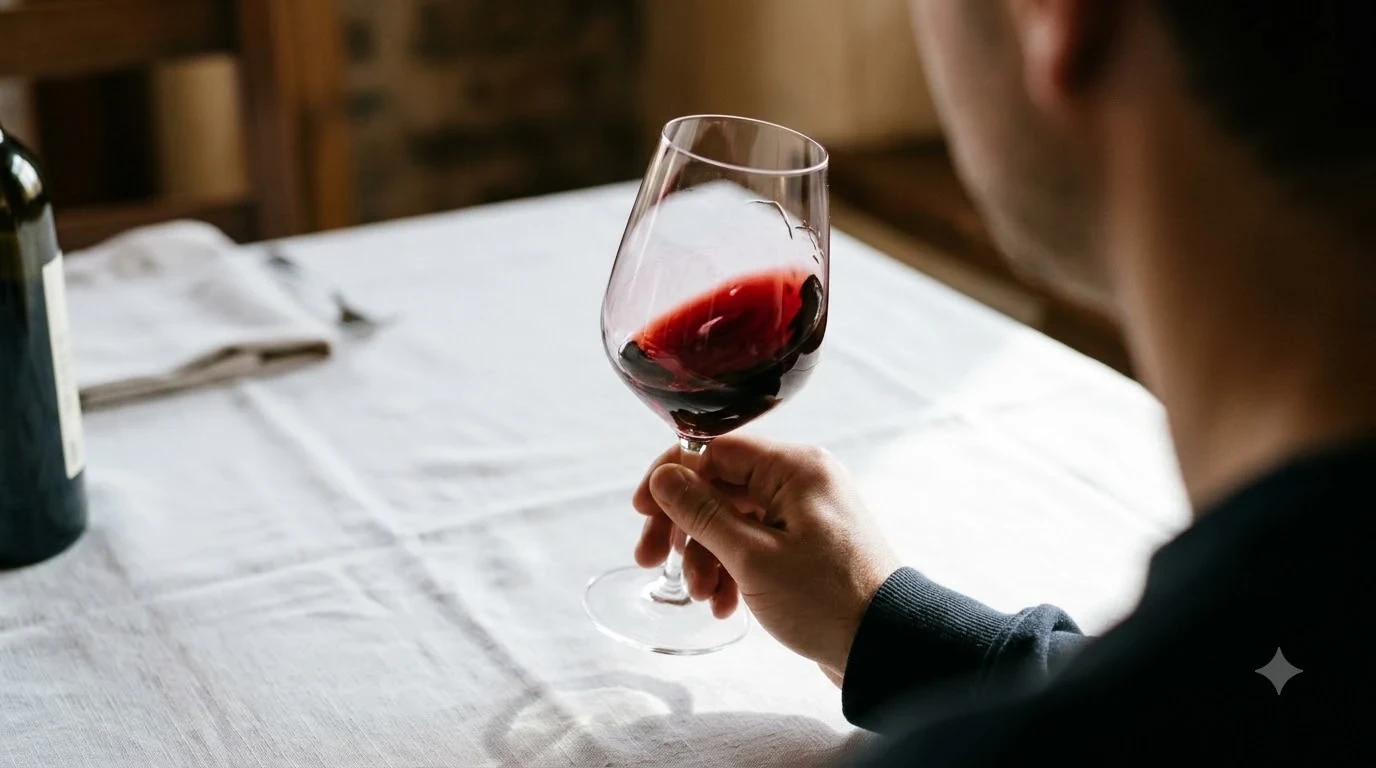
The same source suggests using an oversized glass, which gives the aromas room to develop. A boxed wine can be poured straight into a good-sized glass, and giving it a minute or two in the glass before the first sip helps the aromas open up.
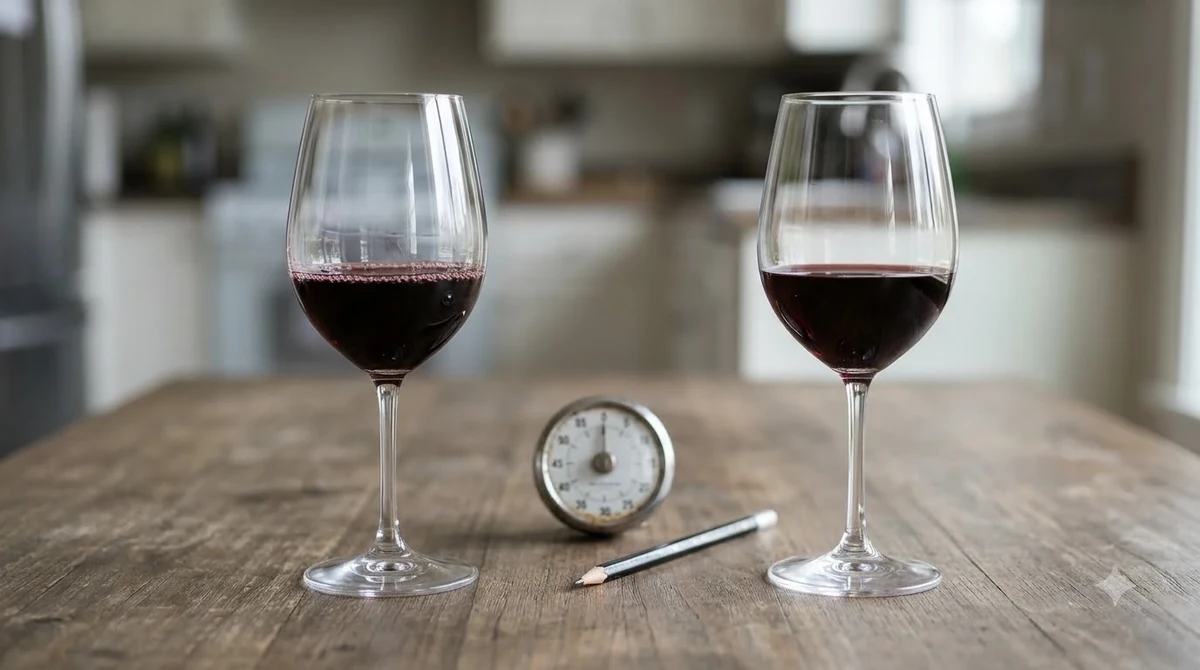
Decanting is a standard step for many bottled Cabernets. For a boxed wine, a decanter is usually unnecessary, but letting the pour sit for a short time is still useful. Many people also find that a red poured from a box tastes softer after it has stood for a few minutes.
Food pairings for Cabernet Sauvignon
Cabernet Sauvignon’s rich flavor and high tannin content make it a good partner for grilled meats, peppery sauces and boldly flavored dishes. Steak, burgers, lamb chops and roast beef are classic matches, because the tannin cuts through fat and the fruit balances the char of the grill.
Tomato-based dishes also work well. A simple pasta with a meat ragù or a baked dish with beans and sausage gives the wine enough savory weight to keep up. For a lighter meal, the Bota Box Breeze line is a different style entirely, so you can choose based on how heavy the food is rather than forcing a big red onto a delicate plate.
When pairing, think about the sauce as much as the protein. A creamy sauce can soften the tannin, while a spicy or smoky rub brings out the wine’s fruit. Trying two or three combinations at a casual dinner is an easy way to learn your own preferences.
How to choose a Bota Box Cabernet
When you shop for a boxed Cabernet, check the label for the varietal and the box size. The standard three-liter format is the most common, and the brand also offers a smaller option described on its site as a mini pack containing three glasses. The smaller pack suits a single evening, while the larger box is better for groups.
Consider which line you want. The standard Cabernet gives you the core varietal character, while Nighthawk is the bolder choice. If you are cooking a rich meal and want a red with more weight, Nighthawk is worth a look. If you want a lighter red with fewer calories, Breeze is the line the brand designs for that purpose.
Finally, store the box in a cool, dark place before opening, and keep it sealed between pours. Boxed wine is packaged to stay fresh once opened for longer than a standard bottle, but heat and light still work against any wine.
If you want to compare the Cabernet with other boxed or bottled reds, our guide to Black Box Cabernet covers a similar style from another brand, and the Dark Horse Cabernet page describes another value-oriented red. Our wine brands guide places these producers side by side.
Frequently Asked Questions
Is Bota Box Cabernet a full-bodied wine?
Cabernet Sauvignon is generally described as full-bodied with medium-high tannin and acidity. The brand presents its Cabernet as fruit forward and approachable, so it is a bold red that still drinks easily.
How much wine is in a Bota Box?
The standard box holds three liters, which the brand describes as four bottles’ worth. The mini option contains three glasses, which suits a smaller gathering.
What food goes with Bota Box Cabernet?
Grilled steak, burgers, lamb and roast beef are reliable choices. Tomato-based pasta sauces with meat also work well because the wine’s tannin balances the richness.
Should Bota Box Cabernet be served chilled?
Serve it slightly cool rather than ice cold. A temperature in the range of roughly 60 to 68 degrees Fahrenheit lets the fruit show without making the wine feel hot.
Bota Box Cabernet is an easy way to try a varietal red in a convenient format. Serve it slightly cool, give it a few minutes to open up, and pair it with grilled or savory food. If you want a lighter or bolder version, the brand’s other lines give you options without changing the format.
More in Wine Brands
 Underwood Wine Price: Compare Bottles, Cans, and Pack SizesUpdated Nov 21, 2026
 Zenato Wine Price: Compare Styles and Choose the Right BottleUpdated Nov 21, 2026
 Zuccardi Wine Price: Compare Bottles and Find the Right RangeUpdated Nov 21, 2026
 Yellow Tail Moscato Review: Taste, Sweetness and Serving TipsUpdated Nov 21, 2026
 Wolf Blass Yellow Label Review: Choose Your Best StyleUpdated Nov 21, 2026
 Wolffer Estate Rose Review: Choose the Right Bottle for Your TableUpdated Nov 21, 2026