

We may earn a commission when you buy through links on this page, at no extra cost to you. Learn more.
Indiana wine is made from a mix of hybrid, French-American and vinifera grapes grown across the state, with the most established wineries and tasting rooms clustered in the south. Indiana has a long and uneven winemaking history, from early French vineyards to the Prohibition years and the 1971 law that let small wineries sell directly to visitors. Today the state’s wines are known for approachable styles, fruit-forward reds and sweeter whites, and the state has two federally recognized wine regions.
If you are curious about wine made closer to home, Indiana is worth a look. The state’s producers work with cold winters and humid summers, which shapes which grapes succeed. This guide covers the history, the grapes that matter most, the regions and how to choose an Indiana bottle.
A Short History of Indiana Wine
Grape growing in Indiana started with French cultivation by the 1735 period, but early attempts largely failed. Early sources point to native grape flavors, immature vineyards, disease and a colder climate as reasons. Some vineyards were replaced by tobacco, and by the mid-19th century the state ranked as the tenth-largest winegrape producer in the country.
After Prohibition, wineries struggled for decades. The 1971 Small Winery Act changed that by allowing direct sales to the public, and small wineries grew from there. The state’s trade group, the Indiana Winery & Vineyard Association, traces its roots to the Indiana Wine Growers Guild, founded in 1971, and it has been a voice for the industry ever since. A 2006 ruling on interstate shipping later led to a ban on direct shipping that forced some small producers to close, which is one reason the state’s industry looks different from neighboring regions today.
Grapes That Define Indiana Wine
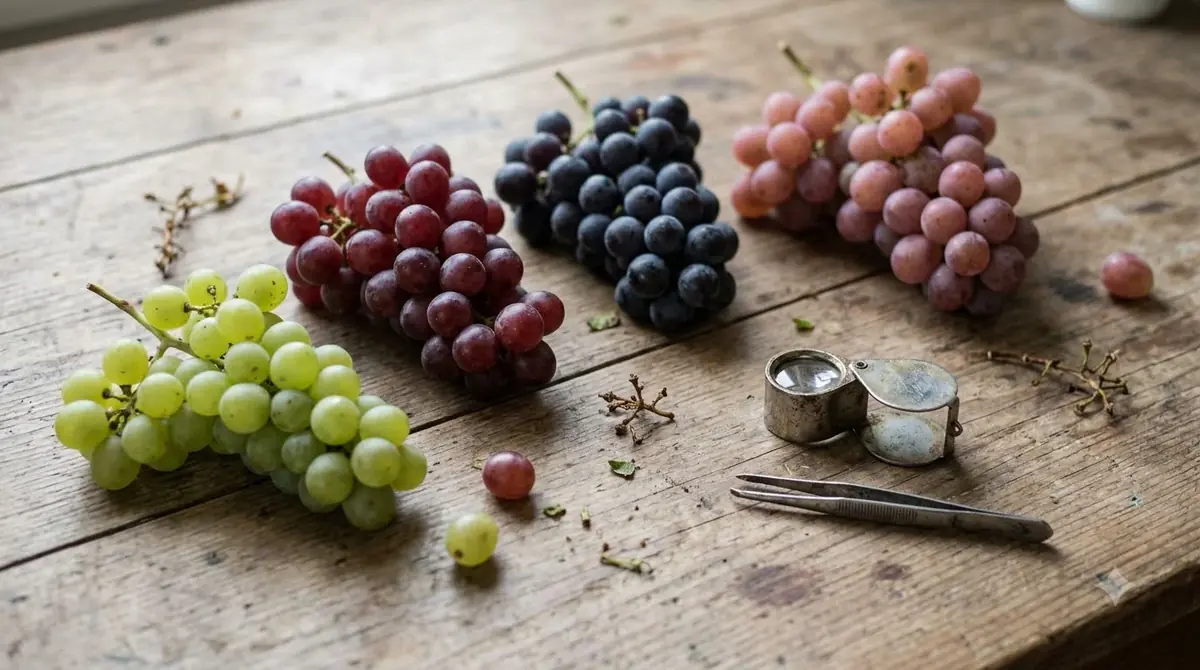
Indiana’s vineyards grow around thirty grape varieties, and many of the best-known wines come from hybrids developed to survive Midwestern winters and humidity. Hybrid grapes can give fruit-forward reds and whites with good disease resistance. Vinifera varieties such as Chardonnay and Cabernet Franc are also planted, usually in the warmer sites that suit them.
Among the most common varieties named in Indiana are Aurore, Baco noir, Cabernet Franc, Catawba, Chambourcin, Chardonnay, Concord, Traminette, Vidal blanc and Vignoles. Traminette is notable as a Purdue-bred white that the state’s wine community has promoted, and it is often made in an off-dry style.
| Grape | Color | What to expect |
|---|---|---|
| Traminette | White | Aromatic, often off-dry, with floral and fruit notes |
| Vidal blanc | White | Crisp and bright, frequently used for lighter whites |
| Chardonnay | White | Fuller style with ripe fruit, styles vary by winery |
| Norton | Red | Dark fruit with savory and peppery character |
| Cabernet Franc | Red | Herbal and red-fruited, with a medium body |
One of the more distinctive reds you may see is Norton, an American hybrid bred from European and native American grape species. The Wine Folly grape guide to Norton describes it as one of the Midwest’s more promising grapes for winemaking, with wines that can show fruity and savory notes. You may find black cherry, black pepper and chocolate-like flavors in a well-made bottle, which makes it a good choice for people who want a red that is bold without being tannic.
Where Indiana Wine Is Made
Indiana has two American Viticultural Areas. The Ohio River Valley AVA is a multi-state area that extends into Kentucky and Ohio, and the Indiana Uplands AVA lies entirely in the south-central part of the state. Those boundaries matter because a label that names an AVA tells you where the grapes were grown, not only where the bottle was bottled.
Wineries are most concentrated in the south, where rolling hills, soils and the proximity to larger cities create a strong tourism base. Wikipedia’s Indiana wine entry counts about 89 wineries in the state, and the industry’s production has grown substantially since the late 1980s, from about 36,000 gallons in 1989 to roughly 6.7 million gallons in the most recent figures it cites. The largest producer named there is Oliver Winery in Bloomington, which opened in 1972. For a broader comparison of how different regions shape flavor, read our guide to wine regions.
Tip: Many Indiana tasting rooms sell wine by the glass and by the bottle, so you can try a few styles before buying. Staff can usually explain the grape, the sweetness level and how the wine was made.
How to Choose an Indiana Bottle
Start with the style you like, not the origin. Sweeter whites such as Traminette and Vidal blanc suit people who enjoy aromatic, fruit-led wines, while Chardonnay and Cabernet Franc will feel closer to the bottles many people already know. If you want a red for a casual dinner, Norton and Chambourcin-style blends are good places to begin.
Read the back label for sweetness, grape and the appellation. A label that says Indiana tells you the grapes came from the state, while a more specific region tells you more about the growing conditions. If you enjoy comparing across states, the same approach works for Arizona wine, which is grown in a very different climate.
Sweetness is the first thing many visitors notice, and it is worth asking about before you taste. A wine with noticeable sugar can taste lighter and fruitier than a dry wine with the same alcohol, which is why it suits spicy dishes and fresh fruit. A drier label of the same grape will feel crisper and may pair better with simple grilled food. Knowing which direction you prefer makes every later bottle easier to choose.
Serving and Food Pairing
Indiana whites are generally best served chilled, not ice cold, so the aromas can show. Sweeter styles pair well with spicy food, pork and fruit-based desserts, while drier Chardonnay goes with roasted chicken, creamy sauces and grilled fish. Reds such as Norton and Cabernet Franc are good with burgers, roasted vegetables and tomato-based dishes.
If you plan to visit a winery in person, weekends tend to be the busiest time, so calling ahead for a seat or tour is a good idea. Wineries in the south are often close to towns with restaurants and lodging, which makes a day trip easy to plan. Arrange a designated driver or a ride service, and pace your tastings with water and food.
Because many Indiana wines are made for everyday enjoyment, you do not need a formal setup to appreciate them. A basic set of glasses and a bottle opener are enough, and the wines work well for casual gatherings and for trying something local alongside familiar imports.
Frequently Asked Questions
Is Indiana known for wine?
Indiana is known more as a growing wine state than as a famous one. It has a long history, dozens of wineries and two federally recognized wine regions, and its producers focus on hybrid grapes suited to the Midwest climate.
What grapes grow best in Indiana?
Hybrid grapes such as Traminette, Vidal blanc, Chambourcin and Norton are widely planted because they handle Midwestern winters and humidity better than many classic European varieties. Chardonnay and Cabernet Franc also grow in the state, usually on carefully chosen sites.
Are Indiana wines sweet?
Many Indiana wines are made in an off-dry or sweeter style, especially whites made from aromatic hybrids. Drier wines also exist, so check the label or ask the staff at the tasting room about sweetness before you buy.
What are the two wine regions in Indiana?
The two named American Viticultural Areas are the Ohio River Valley AVA, which extends into Kentucky and Ohio, and the Indiana Uplands AVA, which lies entirely in south-central Indiana.
Indiana wine rewards curiosity. Start with a white you can enjoy chilled, try a hybrid red for a casual dinner, and use your first few bottles to learn which styles you prefer before you visit a winery in person.
More in Wine Regions
 Willcox Wine Trail: Discover Arizona’s High-Elevation Wine CountryUpdated Nov 20, 2026
 Yakima Valley Wine Region: Find the Best Styles to TryUpdated Nov 20, 2026
 Vosne Romanee Wine Tasting: Identify Aromas and Choose Better PairingsUpdated Nov 20, 2026
 Yakima Valley Wine Festival: Find the Best Seasonal Wine EventsUpdated Nov 20, 2026
 Wales Vineyards: Discover Cool-Climate Wines and Where to VisitUpdated Nov 20, 2026
 Yountville Wine Festival: Discover Napa Wines and Local FoodUpdated Nov 20, 2026