

We may earn a commission when you buy through links on this page, at no extra cost to you. Learn more.
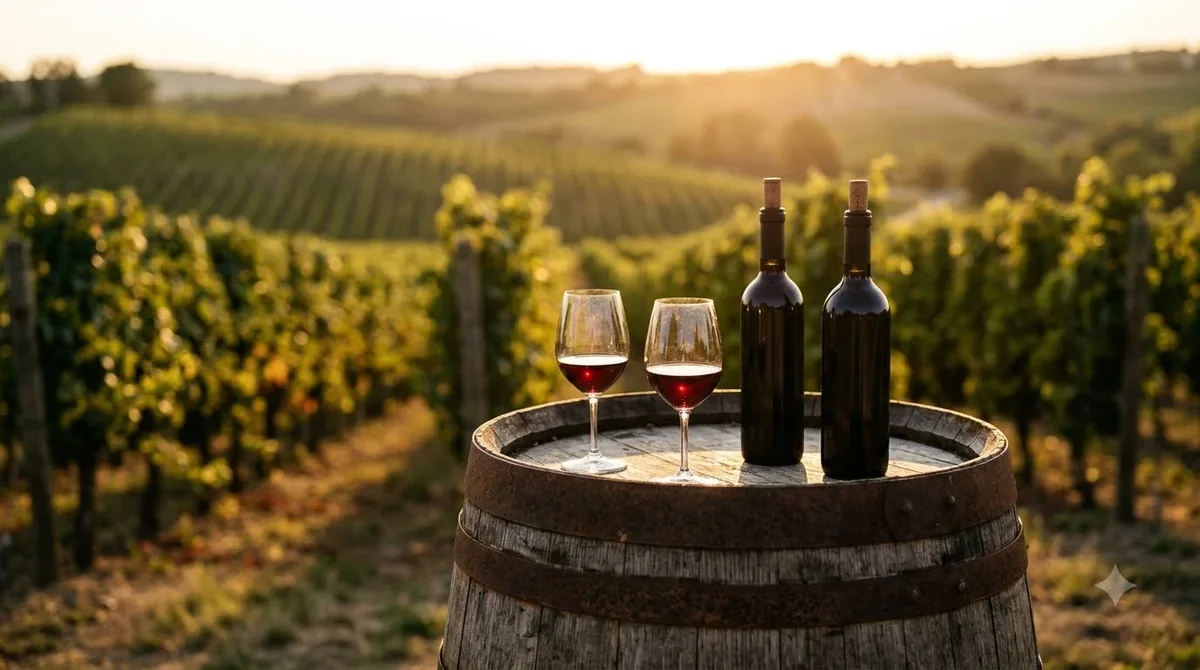
Italy wine is made in every region of the country, from the Alpine north to Sicily in the south, and the country is often the largest wine producer by volume. The best-known wines include Barolo and Barbaresco from Piedmont, Chianti and Brunello from Tuscany, and Prosecco and Amarone from Veneto. Italy is famous for its many native grape varieties, which give the country a wider range of flavors than almost any other wine nation.
This guide walks through Italy’s major wine regions, the grapes that define them, how Italian wine is classified on the label, and how to choose a bottle. It is a practical starting point for anyone who wants to explore Italian wine beyond the familiar names on restaurant lists.
Why Italy Is So Varied
Italy’s wine landscape is shaped by mountains, coastline, and a long history of local grape growing. According to the Wikipedia entry on Italian wine, wine is made in every region of Italy, and the country has more than 700,000 hectares under vineyards. That variety means many grapes are grown only in one small area, and a single region can produce a dozen different styles.
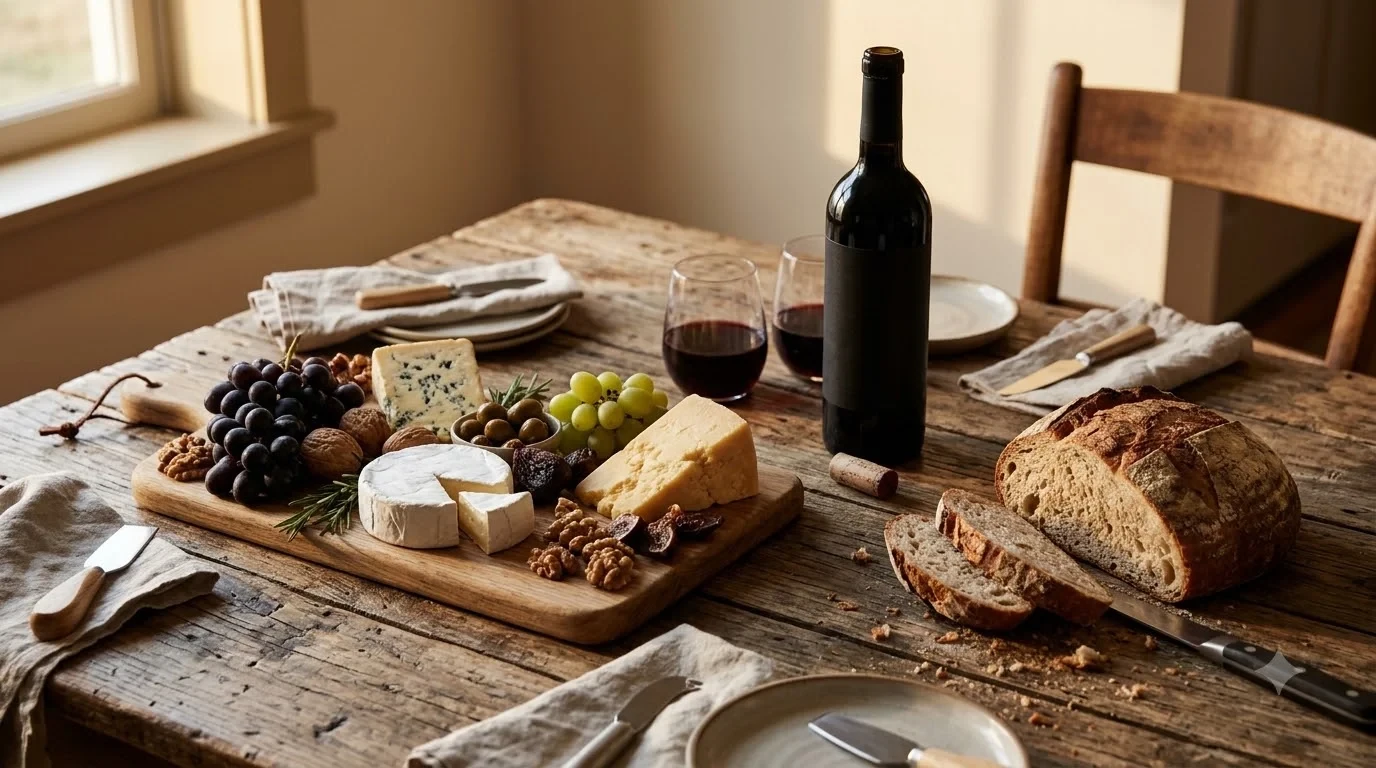
The country’s wine culture is also unusually local. Many Italian families drink wine from a nearby producer, and the wines often reflect the food of that place. A glass of red from Piedmont pairs naturally with the rich dishes of the north, while a crisp white from the coast suits the fish and vegetables of the south. This food-and-wine connection is one reason Italian wine is so easy to enjoy at the table.
The Major Wine Regions
Italy’s wine map is best understood through a handful of regions. Each one has its own signature grapes, climate, and style, and each has a loyal following among wine drinkers.
Piedmont, in the northwest, is the home of Barolo and Barbaresco, both made from the Nebbiolo grape. These are firm, structured reds with high acidity and tannin that age for many years. Piedmont also makes Barbera and Dolcetto, which are fresher and easier to drink young. Tuscany, in central Italy, is the heart of Chianti and Brunello di Montalcino, both built on Sangiovese. The Chianti Classico consortium describes its zone as about 70,000 hectares centered on Castellina, Gaiole, Greve and Radda, and it uses the black rooster (Gallo Nero) as the shared symbol of the area, as the official Chianti Classico site explains. Its coastal and hillside vineyards also produced the so-called Super Tuscans, bold blends that broke the traditional rules.
Veneto, in the northeast, is known for Valpolicella and Amarone, made from the Corvina grape, as well as for the sparkling Prosecco made from Glera. Sicily, in the south, is famous for Nero d’Avola reds, Etna wines grown on the slopes of the volcano, and the fortified Marsala. Sicily is also among the largest wine-producing areas in the country by planted area.
The Grapes That Define Italian Wine
Italian wine is built on native grapes, and a few of them appear again and again. Sangiovese is the backbone of Tuscany and the most important red for many Italian drinkers. Nebbiolo is the grape behind the country’s most age-worthy wines, and it is notoriously difficult to grow. Barbera and Montepulciano offer everyday reds with good fruit and moderate tannin.
White wines are just as distinctive. Trebbiano is the most widely planted white grape, while Garganega makes the light, mineral Soave of Veneto. Glera gives Prosecco its fresh, floral character, and Grillo and Catarratto are common in Sicily. The range of grapes is one reason Italy is often described as a museum of native varieties.
| Region | Signature wines | Main grape | Typical style |
|---|---|---|---|
| Piedmont | Barolo, Barbaresco, Barbera | Nebbiolo, Barbera | Structured, high-acid reds |
| Tuscany | Chianti, Brunello di Montalcino | Sangiovese | Bright red fruit and savory herbs |
| Veneto | Amarone, Valpolicella, Soave, Prosecco | Corvina, Garganega, Glera | Rich reds, light whites, sparkling |
| Sicily | Nero d’Avola, Etna, Marsala | Nero d’Avola, Grillo | Ripe reds, mineral whites, fortified |
Tip: If you enjoy Italian reds, a useful comparison is French Bordeaux, which is also built on structured blends. Our notes on bordeaux wine can help you compare the two styles side by side.
How Italian Wine Is Classified
Italian labels can look confusing, but the system follows a clear ladder. The lowest tier is the table wine, which carries no required grape or place. Above it is the IGT, or typical geographical indication, which names a region and may list the grape, vintage, and area. The DOC, or controlled designation of origin, sets stricter rules on grapes, yields, and aging, and a wine must have been an IGT for several years before it can become a DOC.
The top tier is the DOCG, the controlled and guaranteed designation of origin. A DOCG wine must have been a DOC for a minimum period, must pass batch-by-batch analysis, and carries a control band on the bottle. For buyers, the practical rule is simple: a DOCG label is a strong sign of a wine made to a defined standard, though a good IGT wine can still be excellent.
Italian Wine Styles to Look For
Italian wine styles range from light and quick to heavy and long-lived. Among reds, Chianti Classico tends to be bright and food friendly, while Brunello is more structured and needs time. Valpolicella offers fresh cherry and bitter almond notes at a gentler level than Amarone, which is made from dried grapes and is rich and concentrated.
Among whites, Soave and Verdicchio are crisp and mineral, suited to seafood and salads. Italian sparkling wine is also varied. Prosecco is light and fruity and usually drunk young, while Franciacorta is a traditional-method sparkling wine from Lombardy with more depth and toasty character.
How to Choose an Italian Wine
Start with the food you plan to eat. Italian wine pairs most naturally with the dishes from its own region, so a tomato-based pasta suits Sangiovese, while a meat ragù or roast often goes well with Nebbiolo. A fresh white or sparkling wine is an easy choice for antipasti and lighter meals.
When you are shopping, look for the region and the grape on the label rather than only the brand. Many Italian wines are named for their place, so learning a few regional names quickly makes the shelf easier to navigate. Sticking to one region at a time is a good way to build your palate.
Serving temperature makes a real difference too. Sparkling and white wines are best served well chilled, while lighter reds such as Dolcetto or Valpolicella taste better slightly cool rather than warm. Big, tannic reds such as Barolo and Brunello benefit from a short stay in the glass before drinking, which lets the aromas open. Sweetness is worth checking as well, since labels marked “secco” for dry and “dolce” for sweet are common on Italian bottles, and a sweet style like Moscato d’Asti is lighter and lower in alcohol than most dry wines.
Frequently Asked Questions
What is the most famous Italian wine?
Barolo and Barbaresco from Piedmont, Chianti from Tuscany, and Prosecco from Veneto are among the best known. Each is famous for a different reason, from aging ability to everyday sparkling wine appeal.
Does Italy make more wine than France?
Italy and France trade places as the largest producer depending on the year. Italy has been the top producer in many recent vintages, though production can shift sharply from one harvest to the next.
What does DOCG mean on an Italian label?
DOCG stands for controlled and guaranteed designation of origin. It is the highest classification in Italy and means the wine meets strict rules on grapes, production, and testing, and carries a control band on the bottle.
What is a good first Italian wine to try?
A Chianti or a Montepulciano d’Abruzzo is a good starting red, and a Soave or Pinot grigio from the north is an easy white. Prosecco is a reliable choice for a light, fresh sparkling wine.
Italian wine rewards patient exploration. Pick one region, learn its grapes, and taste across a few producers before moving on. For a wider view of how wine is grouped by place, the Wine Regions guide is a useful next step.
More in Wine Regions
 Willcox Wine Trail: Discover Arizona’s High-Elevation Wine CountryUpdated Nov 20, 2026
 Yakima Valley Wine Region: Find the Best Styles to TryUpdated Nov 20, 2026
 Vosne Romanee Wine Tasting: Identify Aromas and Choose Better PairingsUpdated Nov 20, 2026
 Yakima Valley Wine Festival: Find the Best Seasonal Wine EventsUpdated Nov 20, 2026
 Wales Vineyards: Discover Cool-Climate Wines and Where to VisitUpdated Nov 20, 2026
 Yountville Wine Festival: Discover Napa Wines and Local FoodUpdated Nov 20, 2026