

We may earn a commission when you buy through links on this page, at no extra cost to you. Learn more.
Saint Emilion wine comes from a historic village and surrounding vineyards about 40 kilometers northeast of Bordeaux, France. The reds are usually Merlot-led blends with Cabernet Franc, and they tend to show plum, cherry, chocolate and spice. The area’s limestone and clay slopes give the wines structure and a long, savory finish.
This guide covers where Saint Emilion wine is made, what its blends taste like, how to serve it, and what to eat with it. It also explains how to choose a bottle and what to expect when you visit the estates.
Where Saint Emilion Is
Saint-Émilion is a village on a hillside north of the Dordogne River, roughly 40 kilometers northeast of Bordeaux and 8 kilometers from Libourne. The surrounding vineyards are among the best known in the world, and the historic village and its cultural landscape have been on the UNESCO World Heritage list since 1999.
The appellation is on the Right Bank of Bordeaux, where Merlot plays a larger role than on the Left Bank. Its reds are built around Merlot with Cabernet Franc adding freshness and backbone. The Saint Emilion name on a label tells you the wine comes from this specific place, so it is worth reading the full appellation line before buying.
Flavor and Style
A typical Saint Emilion wine shows dark cherry, plum and blackcurrant, often with a note of chocolate and spice. The wines are usually medium to full bodied, with soft tannins that make them approachable younger than many Left Bank reds. Older bottles can develop earthy, meaty and cocoa-like notes that give them more depth.
Merlot is naturally softer and less astringent than Cabernet Sauvignon, which is one reason Saint Emilion blends often feel rounder in the mouth. Oak aging adds vanilla and toast, and the best producers balance that with the fruit and the minerality from the soil.
The table below gives a quick overview of what to expect from the main elements of a Saint Emilion blend.
| Element | What you typically find | Where it comes from |
|---|---|---|
| Merlot | Plum, cherry, soft texture | The main grape on the Right Bank |
| Cabernet Franc | Fresh red fruit, herbal lift, structure | Added in smaller shares to the blend |
| Limestone and clay | Mineral backbone and tension | The hillside soils around the village |
| Oak aging | Vanilla, spice, toasted notes | Barrel maturation at the estate |
How the Grapes Grow
Merlot does well in Bordeaux because its early ripening suits the region’s climate, and clay-rich soils help the vines on the Right Bank. Warmer seasons tend to produce riper fruit and higher alcohol, while cooler years bring brighter fruit and sharper acidity. Each vintage can look quite different, which is part of why collectors follow individual estates closely.
Merlot is one of the most widely planted red grapes in the world, and it appears in many countries. Readers who want to compare Bordeaux with other regions can look at the Wine Regions guide, which sets out how climate and soil shape the wines in different places.
New World Merlot often tastes riper than its French counterpart. Warm sites such as the Calistoga vineyards in Napa Valley tend to give fuller, more fruit-forward reds, while the Arizona wine scene shows how hot, high-altitude conditions change the same grape again. Tasting Saint Emilion next to these styles makes the influence of the Bordeaux hillside much easier to spot.
For a grape-level reference, the Wine Folly Merlot guide describes how the variety changes with climate, from fresh plum in cooler sites to baked blackberry in warmer ones.
How to Serve Saint Emilion Wine
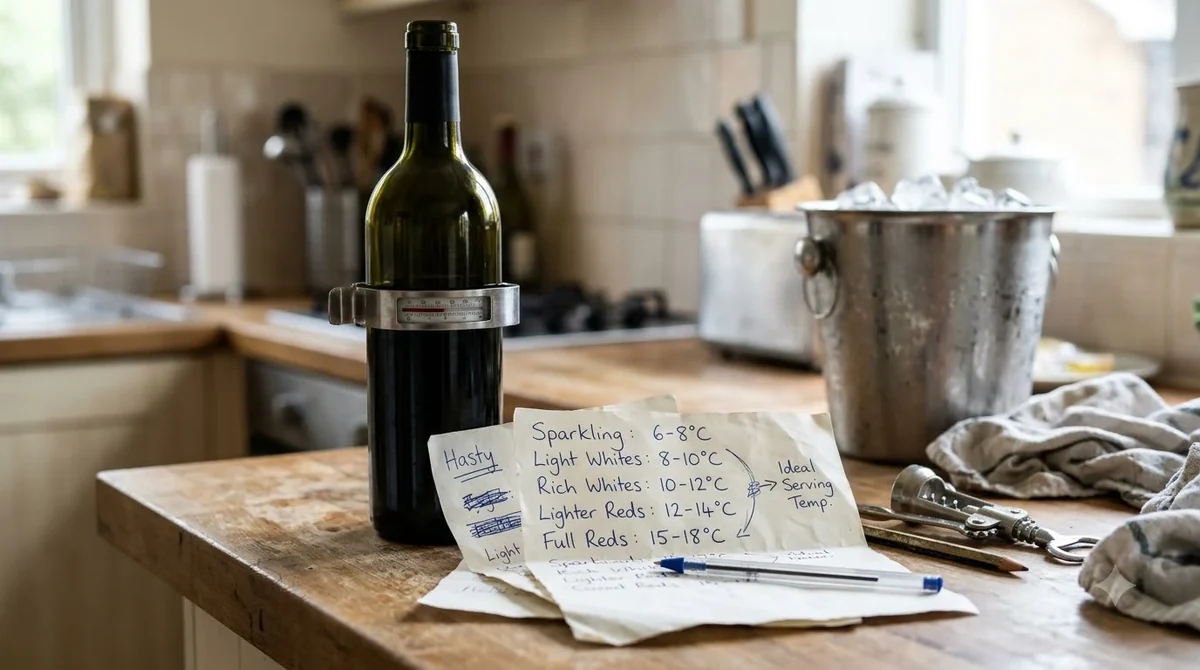
Serve red Saint Emilion slightly below room temperature. A range of about 60 to 68 degrees Fahrenheit (15 to 20 degrees Celsius) keeps the fruit lively and stops the alcohol from feeling heavy. If the bottle is too warm, the wine can taste flat and soupy.
Young wines benefit from decanting for about 30 minutes, which softens the tannins and opens the aromas. Older bottles should be decanted more gently, since they can throw sediment and may fade quickly once exposed to air. A large glass with a generous bowl helps the complex aromas reach your nose.
Tip: If a bottle has been stored in a warm room, put it in the fridge for 20 to 30 minutes before serving. That is usually enough to bring it into the right range.
Food Pairing Ideas
Saint Emilion’s soft tannins and savory notes suit a wide range of dishes. Roast beef, lamb and braised short ribs are classic matches, because the wine’s structure can handle rich meat without overpowering it. Roast turkey and mushroom dishes also work well with the earthier notes of an older bottle.
For lighter meals, try grilled chicken with herbs or a rustic vegetable stew. The wine’s fruit balances smoky and charred flavors, so it is a good choice for a barbecue as long as the sauce is not too sweet.
| Dish | Why it works |
|---|---|
| Roast beef or braised short rib | Rich meat matches the wine’s structure and body |
| Roast turkey with mushrooms | Earthy notes echo the aged-wine character |
| Grilled chicken with herbs | Herbal and smoky flavors meet the red fruit |
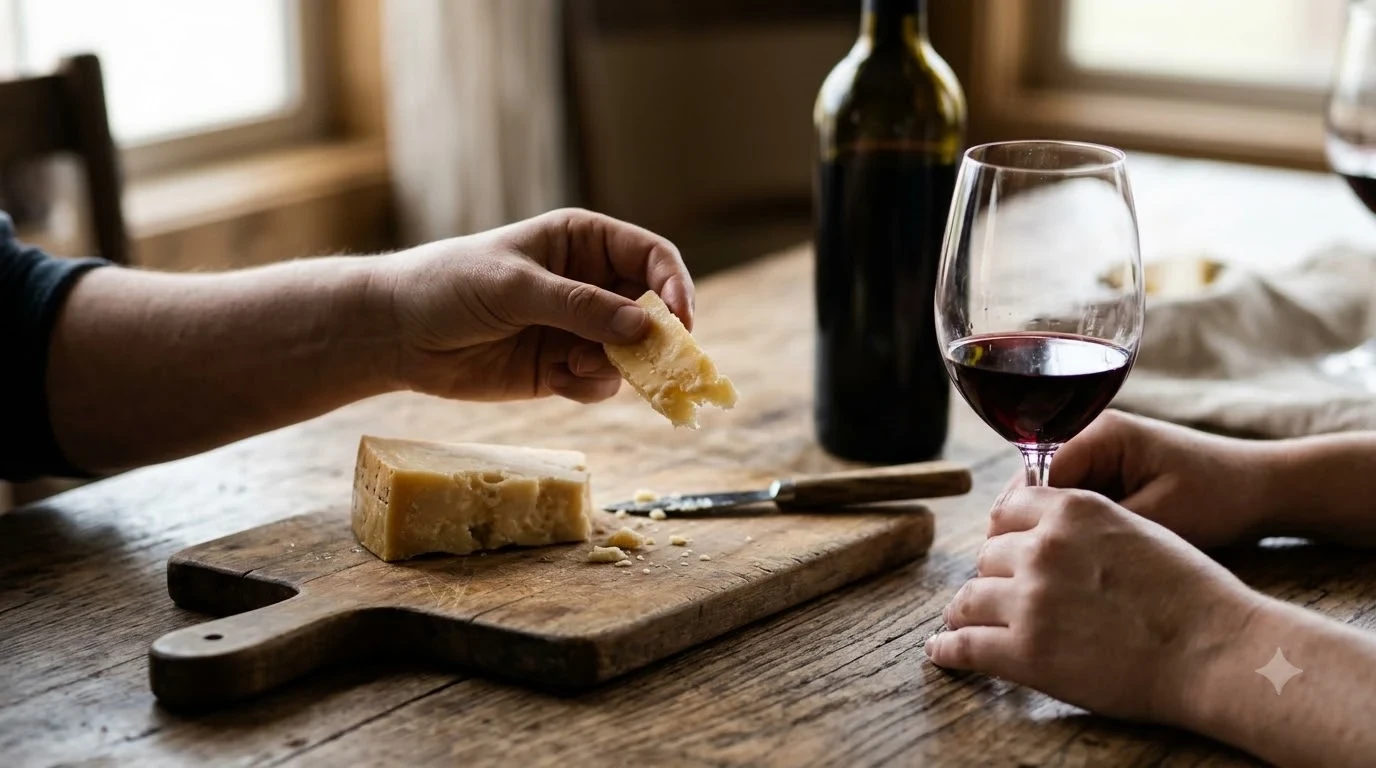
| Aged hard cheese | Savory cheese softens the tannins |
How to Choose a Bottle
Start by reading the appellation name and the vintage on the label. Saint Emilion covers a range of estates, and their styles differ, so the producer matters as much as the place. A younger bottle from a good year will show bright fruit, while an older bottle will tend toward savory, mellow notes.
If you want an approachable wine for a weeknight dinner, look for a recent vintage with a clear description of soft tannins and red fruit. If you plan to keep a bottle for years, check the producer’s guidance on aging and buy from a reliable retailer that stores wine properly. Reviewers at major wine publications often use tasting notes to describe how a vintage has developed, and those notes are useful when comparing options.
Wine that has been stored badly can taste dull or oxidized, so buying from a seller who keeps bottles cool and away from light is a sensible precaution.
Visiting Saint Emilion
The village is a popular day trip from Bordeaux, and many estates offer visits and tastings. The official tourism office lists wine tours, vineyard experiences and guided visits to the historic village, so planning ahead helps when the schedule is busy. Visits give you a chance to taste several vintages and see how the local soils change from one hillside to the next.
Check opening times and book tastings in advance, especially during harvest season and summer weekends. Many estates also welcome visitors who want a more relaxed look at the vineyards, so a short walk through the village before lunch makes a good start.
Frequently Asked Questions
Is Saint Emilion wine the same as Bordeaux wine?
Saint Emilion is one of the appellations within the wider Bordeaux region. Bordeaux as a whole covers many areas and styles, while Saint Emilion has its own rules and a distinctive Merlot-led character.
What grapes are in Saint Emilion wine?
Merlot is the leading grape, usually blended with Cabernet Franc. Some producers add small amounts of other permitted varieties, but Merlot and Cabernet Franc define the typical style.
Should Saint Emilion wine be decanted?
Younger bottles often benefit from about 30 minutes in a decanter to open up. Older wines are better decanted gently and served soon afterward, since sediment can form over time.
How long can you keep a bottle?
Many wines are ready to drink within a few years of the vintage, and the best examples from strong years can age for a decade or more. Check the producer’s guidance and store bottles cool, dark and still.
Saint Emilion wine rewards anyone who enjoys structured reds with plenty of fruit and savory depth. Try a bottle with a roast or a hearty stew, and enjoy it responsibly.
More in Wine Regions
 Willcox Wine Trail: Discover Arizona’s High-Elevation Wine CountryUpdated Nov 20, 2026
 Yakima Valley Wine Region: Find the Best Styles to TryUpdated Nov 20, 2026
 Vosne Romanee Wine Tasting: Identify Aromas and Choose Better PairingsUpdated Nov 20, 2026
 Yakima Valley Wine Festival: Find the Best Seasonal Wine EventsUpdated Nov 20, 2026
 Wales Vineyards: Discover Cool-Climate Wines and Where to VisitUpdated Nov 20, 2026
 Yountville Wine Festival: Discover Napa Wines and Local FoodUpdated Nov 20, 2026