

We may earn a commission when you buy through links on this page, at no extra cost to you. Learn more.
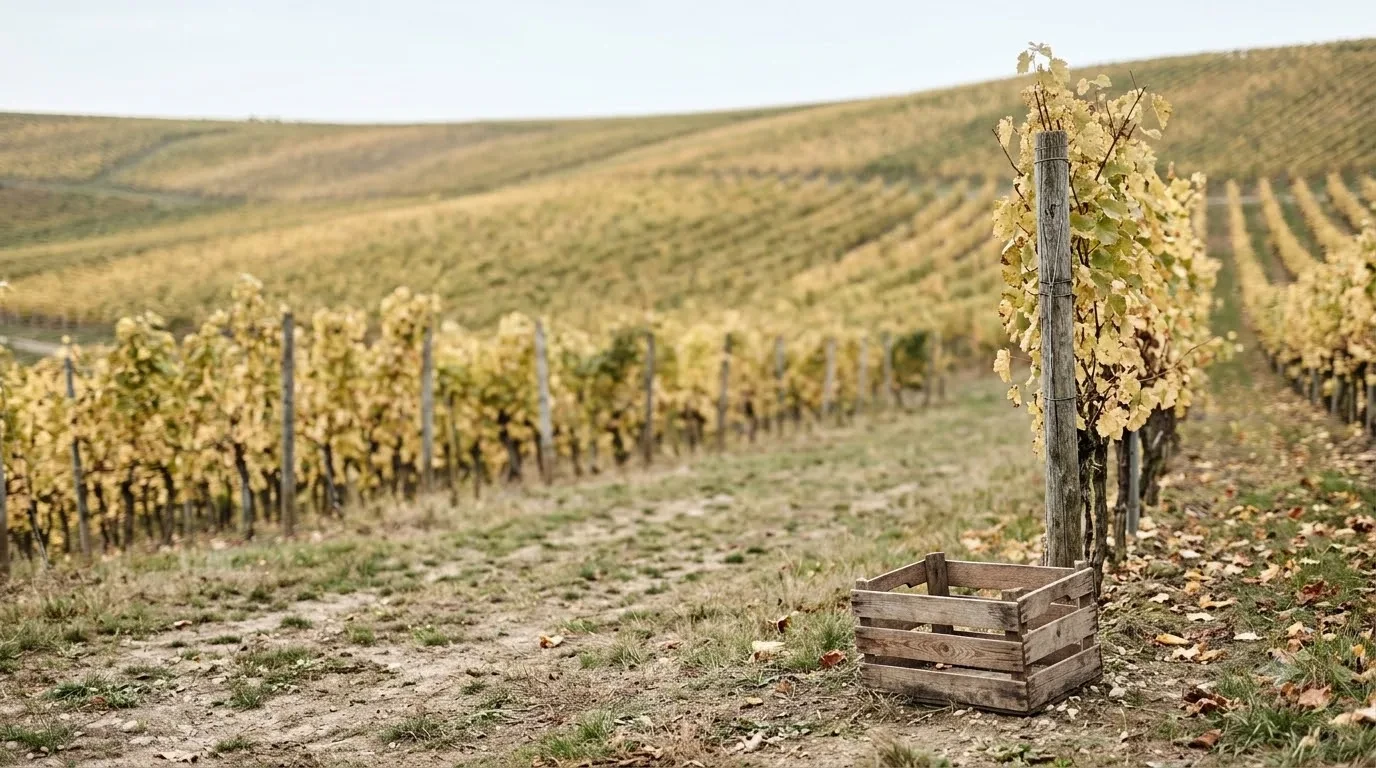
Yountville vineyards sit inside the Yountville AVA, a cool, compact appellation of about 8,260 acres in the southern part of Napa Valley, where 100 vineyards and 34 wineries operate. Cabernet Sauvignon is the signature grape, and the district is known for tannic, age-worthy reds. Most of the vineyards are within a short drive of the town itself, which makes the area one of the easiest places in the valley to visit.
Yountville is a small town, but its surrounding vineyards carry a lot of history and a distinct style. If you are planning a tasting trip, buying a bottle for a dinner, or simply trying to understand what makes this part of Napa different from its neighbors, this guide covers the basics in plain terms.
What the Yountville AVA covers
The Yountville American Viticultural Area was established on March 19, 1999, and it is one of the smaller official growing zones in Napa Valley. It covers roughly 8,260 acres, or about 13 square miles, and the Wikipedia entry for the AVA reports 100 vineyards and 34 wineries inside its boundaries. The area is compact, so producers here often work with the same soils and weather patterns, which helps give their wines a shared character.
Because the AVA is small, the name on a label carries real information. A bottle labeled Yountville tells you the grapes came from this specific zone rather than from a broader Napa blend. Many shoppers look for that label when they want a wine that reflects one place.
Climate and growing conditions
Yountville is one of the cooler districts in Napa Valley. According to the Yountville AVA summary on Wikipedia, the growing season runs about 249 days, and the area falls into Region II on the heat summation scale. Annual rainfall averages about 26 inches. Those numbers matter because cooler conditions slow ripening, which tends to keep acidity higher and flavors more focused than in hotter parts of the valley.
The cool air also helps explain why Cabernet Sauvignon here often shows firm tannins. Grapes that ripen gradually can develop more structure, and that structure is what lets many Yountville reds age for years in the cellar. Growers in the area also face the same challenges as the rest of Napa, including heat spikes in late summer and the need for careful irrigation during dry years.
Grape varieties and wine styles
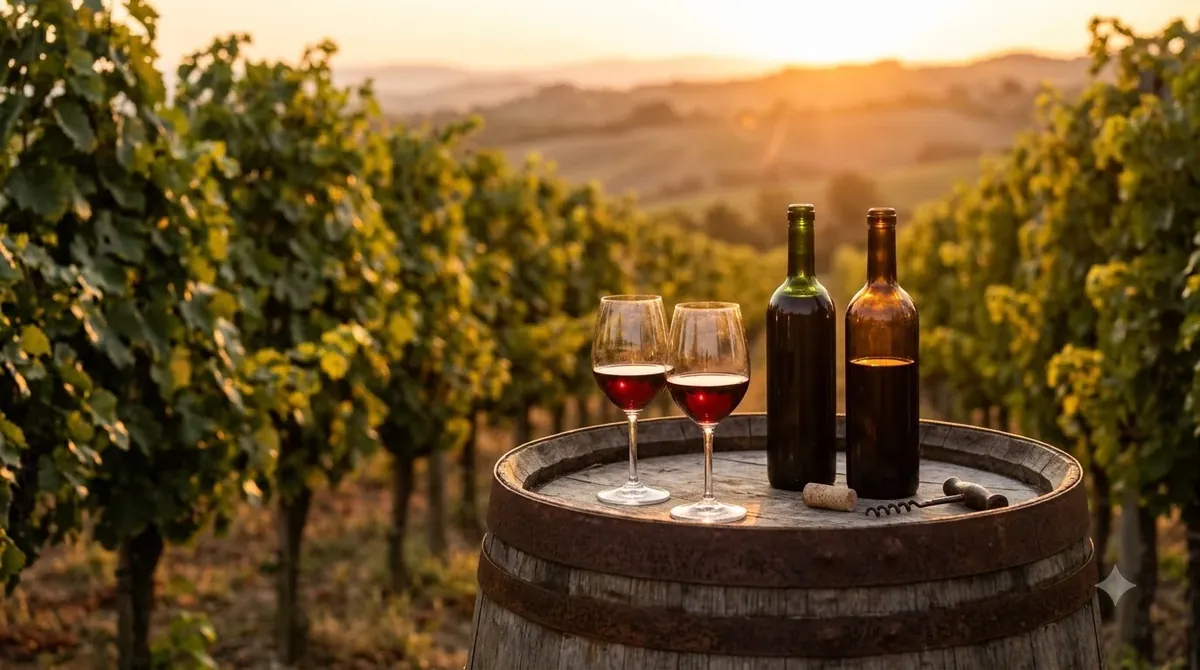
Cabernet Sauvignon leads the plantings, and the AVA’s reputation rests largely on it. The Wikipedia summary describes the area’s Cabernets as very tannic and suited to long aging. Other varieties grown in the district include Cabernet Franc, Merlot, Chardonnay, Pinot Noir, Sauvignon Blanc, and Syrah. Napa Valley as a whole grows more than three dozen white and red varieties, according to the Napa Valley Vintners, so Yountville producers have plenty of options even within a small footprint.
When you compare Yountville reds with wines from warmer sub-regions, expect more restraint in the fruit and more grip in the finish. Whites from the area, especially Chardonnay and Sauvignon Blanc, tend to show brighter acidity than the broad, buttery style many people associate with California Chardonnay. Pinot Noir is less common, but it is a good choice if you prefer lighter, more elegant reds.
Yountville’s place in Napa history
Yountville has a claim that many visitors find surprising: the Yountville visitor site notes that the town was the location of Napa Valley’s first planted grapevines. That early planting set the stage for a century of growth, followed by a long pause during Prohibition and a revival from the 1960s onward. Today the town sits at the center of a dense cluster of tasting rooms and estates, and that concentration makes it a common base for exploring the valley.
The history is also visible in the variety of producers. Some wineries have been operating for decades, while newer tasting rooms have opened in restored buildings around town. The visitor site lists names such as Cliff Lede Vineyards and Alpha Omega among the local wineries, and it highlights a range of tasting rooms that cater to different budgets and tastes.
How to buy Yountville wine
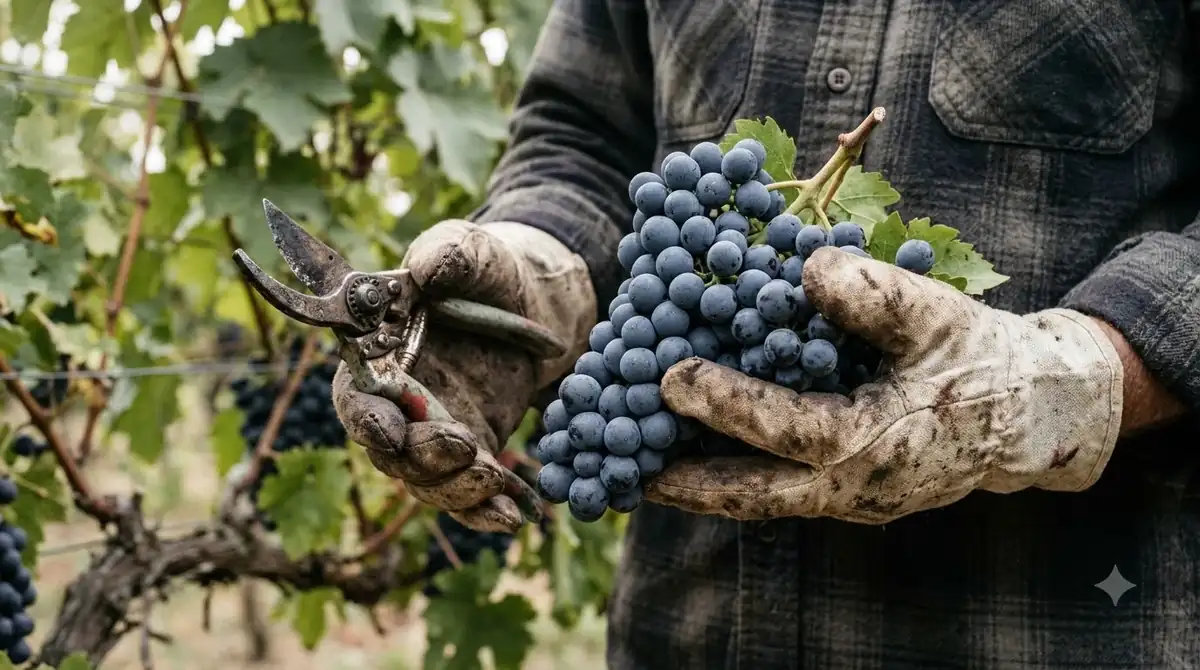
Shoppers usually find Yountville wines in two places: at the tasting rooms themselves and through retailers that stock Napa Valley bottlings. When you are scanning a shelf, look for the Yountville name on the back label. Under U.S. labeling rules, an AVA name on a label generally requires that most of the grapes come from that appellation, so the designation is a useful signal of origin.
Price varies widely across the valley, and the cost of a bottle often reflects production scale and reputation more than the AVA alone. Instead of comparing only price, check the vintage, the grape, and whether the producer lists the vineyard block or estate. Those details help you match a bottle to the style you enjoy.
For a first purchase, a Cabernet Sauvignon from the district gives you the clearest picture of the area. A white from the same AVA is a useful comparison, because it shows how the cool climate shapes acidity and aroma in a different way.
Visiting Yountville vineyards
Most visitors experience Yountville through its tasting rooms rather than through long vineyard tours. The town is walkable, and many of the best-known wineries are close enough to reach without a car, although the most rural estates require transportation. Booking ahead is a smart move during harvest season and on weekends, when popular rooms fill up quickly.
If you want to see vines up close, ask the tasting room whether they offer a vineyard walk or a guided tour. Many estates schedule these by appointment, and the guide can explain how the soils and slope of their particular block affect the wine you are tasting.
| Feature | Yountville AVA |
|---|---|
| Established | March 19, 1999 |
| Area | About 8,260 acres (13 sq mi) |
| Vineyards and wineries | 100 vineyards, 34 wineries |
| Signature grape | Cabernet Sauvignon |
| Growing season | About 249 days |
| Annual rainfall | About 26 inches |
Tip: If you are new to the area, start with a Cabernet flight and one white. That pairing shows the range of the district in a single visit.
Food pairing is where the Yountville style becomes easy to appreciate. The firm tannins of a local Cabernet pair well with grilled meats, roasted lamb, and aged cheeses, because the structure of the wine balances fat and protein. Lighter whites from the same district work well with seafood and fresh herbs. Matching the wine to the weight of the dish matters more than matching it to a fixed rule.
Frequently Asked Questions
How many vineyards are in the Yountville AVA?
The Wikipedia entry for the Yountville AVA reports 100 vineyards and 34 wineries within its boundaries. Counts can change as properties open, close, or merge, so check a current source if you need an exact number.
What grape is Yountville best known for?
Cabernet Sauvignon is the area’s signature grape. Local Cabernets are usually described as structured and tannic, with enough backbone to age well in the cellar.
Is Yountville a good place to visit wineries without a car?
The town is small and walkable, so many tasting rooms are within easy reach on foot. Rural estates outside the town usually require a car, a driver, or a booked tour.
Does the Yountville climate differ from the rest of Napa Valley?
Yes. The AVA is one of the cooler districts in Napa Valley, with a long growing season and a relatively low heat summation. Cooler conditions tend to produce wines with more acidity and firmer tannins.
Yountville vineyards offer a compact way to understand Napa Valley, from its early history to its modern Cabernet style. For more context on the valley’s wine regions, browse the wine regions guide, and read about other growing areas in Arizona vineyards and Calistoga vineyards for comparison.
More in Wine Regions
 Willcox Wine Trail: Discover Arizona’s High-Elevation Wine CountryUpdated Nov 20, 2026
 Yakima Valley Wine Region: Find the Best Styles to TryUpdated Nov 20, 2026
 Vosne Romanee Wine Tasting: Identify Aromas and Choose Better PairingsUpdated Nov 20, 2026
 Yakima Valley Wine Festival: Find the Best Seasonal Wine EventsUpdated Nov 20, 2026
 Wales Vineyards: Discover Cool-Climate Wines and Where to VisitUpdated Nov 20, 2026
 Yountville Wine Festival: Discover Napa Wines and Local FoodUpdated Nov 20, 2026