

We may earn a commission when you buy through links on this page, at no extra cost to you. Learn more.
Edna Valley wine comes from a cool, compact appellation in San Luis Obispo County, California, where Pacific breezes and morning fog slow ripening and help the wines keep their acidity. The valley is best known for Chardonnay, Pinot Noir and Syrah, and its long growing season gives those grapes time to build layered flavor. This guide explains what sets the region apart, which grapes to look for and how to choose a bottle.
If you are new to the Central Coast, Edna Valley is one of the easiest parts of California to start with. The region is small, the wines are easy to map to the grapes on the label, and the valley sits close enough to the town of San Luis Obispo that it is simple to visit. Below you will find the basics of its geography, climate, grapes and serving habits.
Where Edna Valley Sits
Edna Valley is an American Viticultural Area in San Luis Obispo County, about nine miles southeast of the city of San Luis Obispo. The valley runs northwest to southeast, with the Santa Lucia Mountains along its western side. The federal government established the appellation on May 12, 1982, and in April 2022 it became a sub-appellation of the larger San Luis Obispo Coast AVA.
That placement helps explain the wines. Because the valley is narrow and open at one end, cooling air from the Pacific can reach the vineyards, and the hills on either side shape how much of that air settles in. Growers here work with a climate that is mild for most of the year rather than hot and dry like the inland valleys of California.
Climate and Growing Season
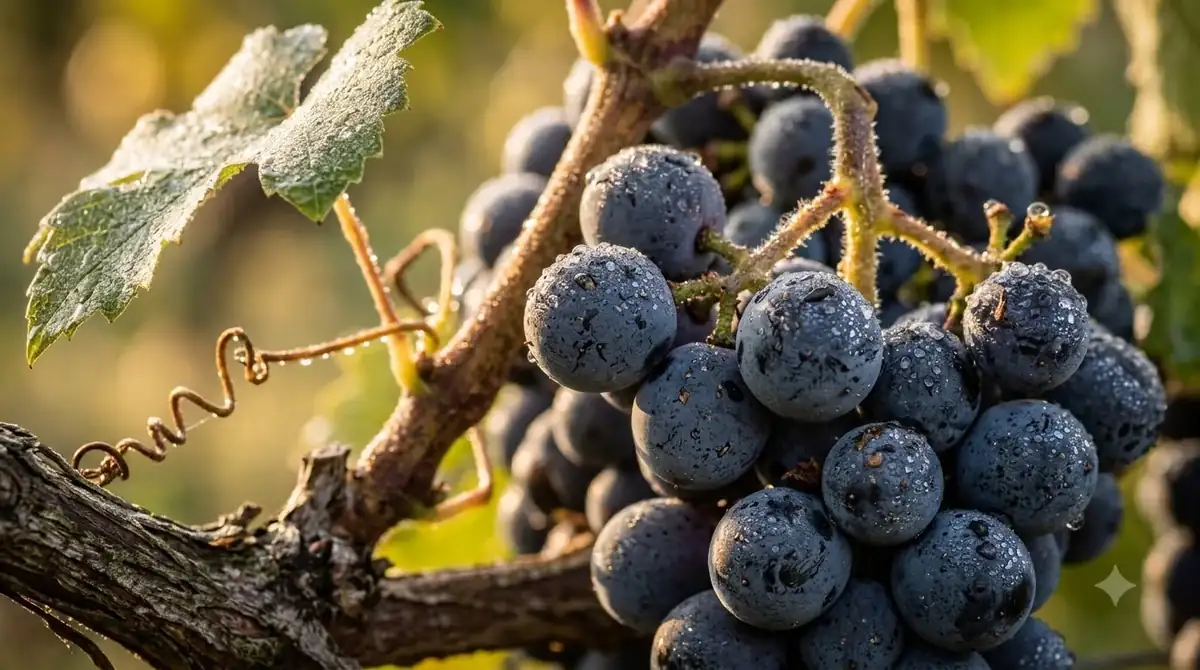
Climate is the main reason Edna Valley wines taste the way they do. Cool Pacific breezes and morning fog keep the vines from overheating, and killing frosts are rare. One published description of the appellation calls it California’s longest growing season, citing about 287 days, which gives grapes a long, slow ripening period.
A long season means the fruit can hang on the vine while its sugars and flavors develop without the heat pushing alcohol and jammy character too far. The result is usually wine with brighter acidity, more defined fruit and a finish that feels fresh rather than heavy. The valley falls in USDA plant hardiness zones 9b to 10a, which is warm enough for a wide range of varieties but still moderated by the coast.
Tip: When a label says “Central Coast,” the bottle may blend fruit from several sub-regions. A label that names Edna Valley or the San Luis Obispo Coast AVA tells you the grapes came from this cooler zone.
Key Grapes in the Valley
Three varieties define the region in most conversations about Edna Valley wine: Chardonnay, Pinot Noir and Syrah. Those are the wines most often poured in tasting rooms and most often recommended by sommeliers who work with Central Coast bottles. The valley also grows a wider mix of varieties, and the federal appellation description lists twelve grapes in total.
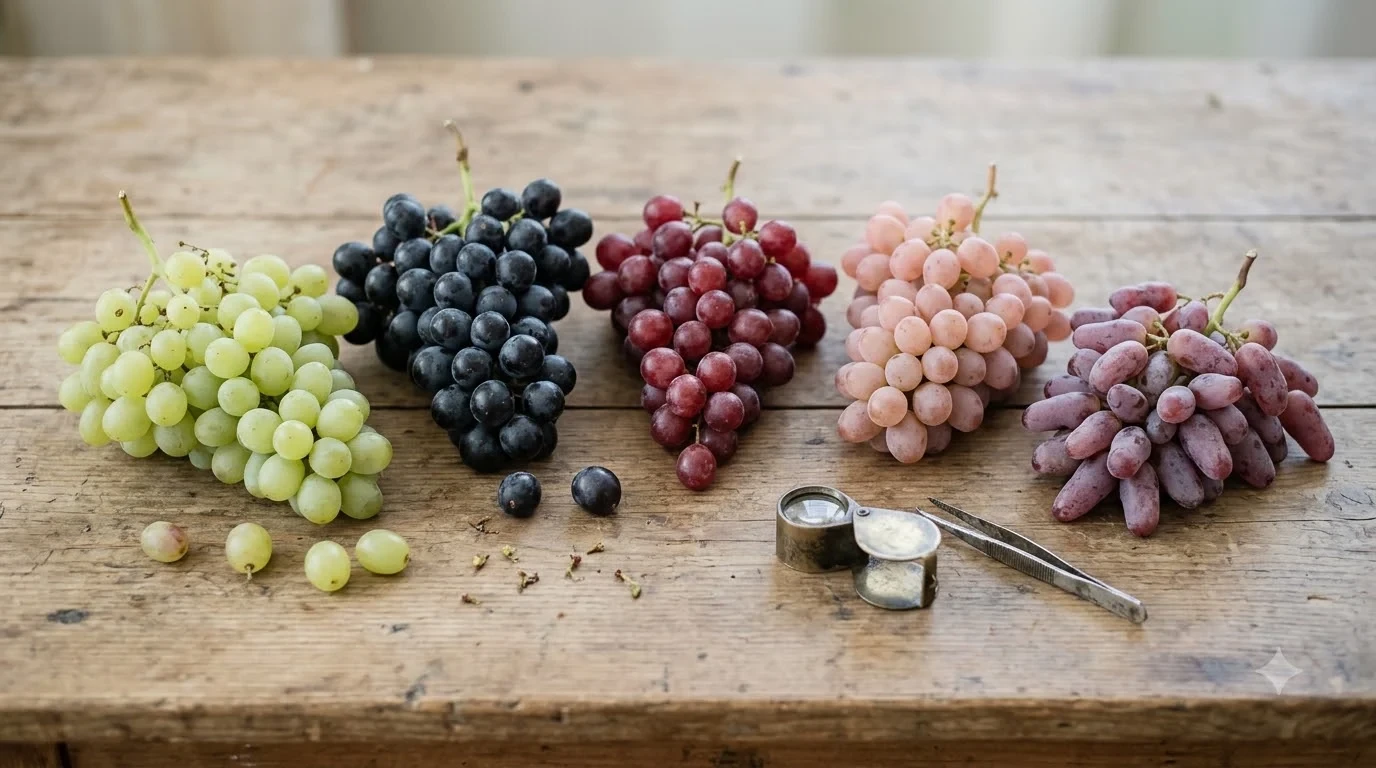
The full list includes Albariño, Chardonnay, Grenache, Merlot, Mourvèdre, Petite Sirah, Pinot gris, Pinot noir, Sauvignon blanc, Syrah, Teroldego and Viognier. You will not see most of these on every shelf, but a few appear regularly in small-production bottlings. If you are trying to understand a specific label, the grape name on the back is the best guide to what you will taste.
| Grape | Color | Typical character in this valley |
|---|---|---|
| Chardonnay | White | Ripe orchard fruit with balancing acidity; oak influence varies by producer |
| Pinot Noir | Red | Red fruit, lighter body and a silky texture |
| Syrah | Red | Dark fruit with savory or peppery notes and firm structure |
| Sauvignon Blanc | White | Crisp, fresh and often herbal |
| Viognier | White | Aromatic, with stone fruit and floral notes |
How Edna Valley Wines Taste
Edna Valley wines are usually described as balanced rather than extreme. The cool climate gives whites a clean line of acidity, and it lets reds keep their fruit without tipping into heavy, overripe flavor. That balance is why many people reach for these bottles when they want something structured but not heavy.
Styles still vary from one winery to another. Some producers age Chardonnay in oak for a rounder, toasted profile, while others choose stainless steel to keep it lean and crisp. Pinot Noir and Syrah also differ depending on how much time they spend in barrel and how the fruit was picked. When you compare two bottles, look at the winemaker’s notes on oak and style, not only the grape.
How to Serve Edna Valley Wine
Serving temperature changes how the wines show. Whites and lighter reds are best poured cool rather than cold, so the fruit and acidity can come through. Fuller reds such as Syrah are usually more enjoyable a little cooler than room temperature, which keeps the alcohol from feeling hot. Decanting is rarely necessary for young Pinot Noir, but a Syrah with firm tannins can open up when poured into a glass or decanter ahead of time.
For food, Chardonnay pairs well with roasted chicken, creamy pasta and mild seafood. Pinot Noir works with salmon, mushrooms and roasted vegetables, and Syrah fits grilled meats and dishes with smoky spices. The valley’s acidity also makes its wines useful at the table with tomato-based sauces, which many heavier reds struggle with.
How to Choose a Bottle
Start with the grape you already enjoy, then look for the appellation on the label. A bottle labeled Edna Valley means at least the stated percentage of grapes came from the valley, which is a useful signal of the regional style. If you want to explore more widely, you can compare with other cool-climate regions in California and the Pacific Northwest. Our guide to wine regions shows how climate and geography change flavor across different areas.
Visitors who want to taste in person will find the valley easy to reach from San Luis Obispo. Wineries in this area often run small tastings, and many can answer questions about their vineyards directly. Learn more about individual estates in our guide to Edna Valley vineyards.
The region’s history is also part of its appeal. The valley’s modern winemaking revival began in the 1970s, when vineyards were replanted and new producers entered the market. Edna Valley Vineyard is one of the best-known names from that period. For a broader look at how the Central Coast fits into California wine, the Edna Valley AVA entry on Wikipedia summarizes the appellation’s boundaries, history and grape list.
Frequently Asked Questions
What is Edna Valley known for?
Edna Valley is known for cool-climate wines from San Luis Obispo County. Chardonnay, Pinot Noir and Syrah are the varieties most often associated with the valley, and the wines tend to be balanced, with good acidity and fresh fruit.
Where is Edna Valley located?
Edna Valley is about nine miles southeast of the city of San Luis Obispo in California. It is a federally recognized American Viticultural Area and is now a sub-appellation of the San Luis Obispo Coast AVA.
Why are Edna Valley wines cooler in style?
Cool Pacific breezes and morning fog keep the vineyards cooler than many inland California regions. The long growing season lets grapes ripen slowly, which tends to preserve acidity and fresh fruit flavors.
Should I decant an Edna Valley red wine?
Young Pinot Noir rarely needs decanting. A firmer Syrah may benefit from opening for a short time, but how long depends on the bottle, so check the producer’s notes or taste as you go.
Edna Valley rewards anyone who likes balanced, cool-climate wine from California. Start with a Chardonnay or Pinot Noir, pay attention to the producer’s style notes, and use the valley as a reference point as you explore the rest of the Central Coast.
More in Wine Regions
 Willcox Wine Trail: Discover Arizona’s High-Elevation Wine CountryUpdated Nov 20, 2026
 Yakima Valley Wine Region: Find the Best Styles to TryUpdated Nov 20, 2026
 Vosne Romanee Wine Tasting: Identify Aromas and Choose Better PairingsUpdated Nov 20, 2026
 Yakima Valley Wine Festival: Find the Best Seasonal Wine EventsUpdated Nov 20, 2026
 Wales Vineyards: Discover Cool-Climate Wines and Where to VisitUpdated Nov 20, 2026
 Yountville Wine Festival: Discover Napa Wines and Local FoodUpdated Nov 20, 2026