

We may earn a commission when you buy through links on this page, at no extra cost to you. Learn more.
Carmel Valley wine is built mainly on Cabernet Sauvignon and Merlot, with smaller plantings of Chardonnay, Pinot Noir, Syrah, and Zinfandel. The valley’s warm days and cool nights give the reds ripe fruit and firm structure, while the whites range from crisp to rich depending on how they are made. If you are new to the area, start with a Cabernet blend and a Chardonnay to see both sides of its style.
This guide looks at the wines themselves: their flavor, structure, serving temperature, and the foods that suit them. It is useful for anyone choosing a bottle from the valley for a dinner, a gift, or a tasting visit. Each section below covers one style and how to serve it.
What shapes the taste of Carmel Valley wine
The valley is inland, roughly five miles from the Pacific, and it sits in a part of Monterey County where summers are warm and nights cool down noticeably. Those daily swings let the grapes ripen fully while holding onto acidity, which is what keeps the wines from tasting flat or overly heavy.
The soils are mostly sandy and loamy, and they drain well. That tends to limit vine vigor and concentrate flavor in the fruit. Elevation also matters. Vineyards range from low valley floors to slopes above 1,000 feet, so two wines of the same grape can differ in fruit weight and freshness depending on the site.
Cabernet Sauvignon: the valley’s anchor
Cabernet Sauvignon is the grape most closely associated with the valley, and it is a large share of the planted vines. Wine Folly’s Cabernet Sauvignon guide describes the grape as dry and full-bodied, with black cherry, black currant, cedar, and baking spice. Tannin and acidity are both medium-high, which gives the wine a firm frame.
In practice, a valley Cabernet tends to be structured rather than soft. It rewards decanting and food. Serve it at around 60 to 68 degrees Fahrenheit, and give it about an hour in a large glass if it is young. Grilled steak, lamb, and peppery sauces are classic partners because their richness matches the tannin.
Merlot: softer, rounder and often blended
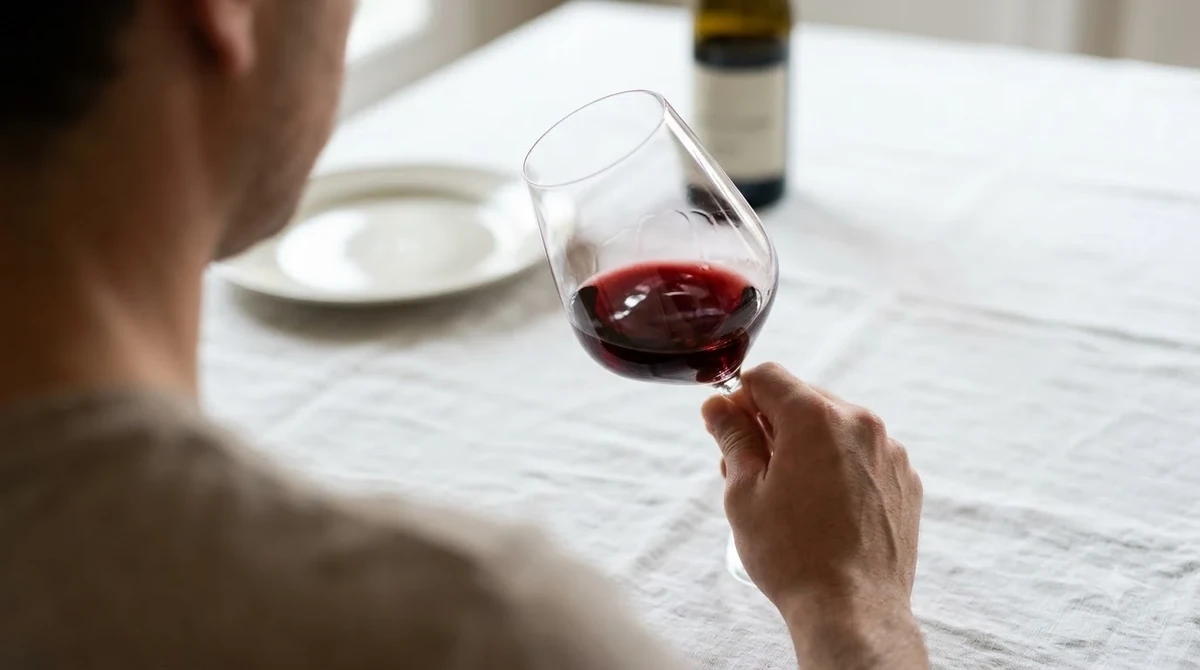
Merlot is the second major red in the valley, and it plays a different role. It has thinner skins and softer tannin than Cabernet, so it feels rounder on the palate. Wine Folly’s Merlot guide calls the grape a smooth operator and notes that it has medium-high tannin with medium acidity.
Many winemakers use Merlot to soften a Cabernet-based blend, which is a long-standing approach in Bordeaux. On its own, a valley Merlot can show plum and blackberry with a hint of spice. Serve it slightly below room temperature, around 60 to 68 degrees, and pair it with roast chicken, pasta, or barbecue.
| Wine | Typical profile in the valley | Easy food match |
|---|---|---|
| Cabernet Sauvignon | Black currant, cedar, firm tannin | Grilled steak, lamb, peppery sauces |
| Merlot | Plum, blackberry, softer tannin | Roast chicken, pasta, barbecue |
| Chardonnay | Citrus and stone fruit, crisp or creamy | Seafood, creamy pasta, roast pork |
| Pinot Noir | Red cherry, earthy notes, silky texture | Salmon, duck, mushroom dishes |
Tip: Ask whether a Cabernet or Merlot is a blend. Many valley bottles mix the two, and that answer explains a lot about the texture you will taste.
Chardonnay: crisp or creamy, depending on the glass
Chardonnay is the valley’s main white, and it can take very different forms depending on how the winemaker handles the grapes and the barrel. Wine Folly’s Chardonnay guide explains that unoaked, cool-climate styles are lean and crisp with green apple, pear, and a mineral edge, while oaked styles are fuller and creamier with peach, vanilla, and baking spice. Ask the tasting room which style they are pouring, because oak changes the wine far more than the label might suggest.
Serve lean Chardonnay cooler, around 45 degrees Fahrenheit, and oaked styles a little warmer, near 55 degrees. Lean examples suit seafood and light dishes, while the richer, oaked versions pair with creamy sauces and roast pork.
Pinot Noir and other reds from the valley
Pinot Noir is a smaller part of the planting, and it prefers cooler sites. When it works, it gives red cherry, earthy notes, and a silky texture with lower tannin than Cabernet. It is a good choice for people who want a lighter red with plenty of flavor.
Syrah and Zinfandel appear in smaller amounts. They tend to show darker fruit and more spice, and they are often sold as single-vineyard or small-lot bottlings. If you find one, treat it as a chance to taste something less common from the valley.
How to choose a Carmel Valley bottle
Start with the grape on the label. A Cabernet or Merlot will show the valley’s main character, while a Chardonnay is a good way to see the white side of the region. Check the vintage too, since a young red will need time or decanting, while an older bottle may already be soft and ready to drink.
Read the back label for the vineyard name or the producer’s description of the site. Vineyards in the valley vary in elevation and soil, so a bottle that names its vineyard gives you a clearer sense of what you are buying. If you are unsure, buy a single bottle of each grape and compare them with the same meal.
Common mistakes with Carmel Valley wine
The most common mistake is serving the reds too warm. In a hot room, a valley Cabernet can taste heavy and alcoholic, so move the bottle to a cooler spot for ten or fifteen minutes before pouring. Another mistake is treating all Chardonnay the same. A lean, crisp bottle and a creamy, oaked one can taste like different wines, so serve each at its own temperature.
Keep in mind that a wine with oak can feel richer and rounder even when it is served at the same temperature as a lighter bottle. Finally, do not judge the valley by one tasting. Compare a Cabernet, a Merlot, and a Chardonnay from different producers if you can. That range shows the valley’s style far better than a single bottle.
Frequently Asked Questions
What is Carmel Valley best known for in wine?
The valley is best known for Cabernet Sauvignon and Merlot. Together they account for more than 70 percent of the planted vines, and the valley’s reds have ripe fruit and firm structure.
Is Carmel Valley wine good for beginners?
Yes. A Merlot or a Chardonnay is a friendly place to start, since both are approachable. Once you know what you like, a Cabernet will show the valley’s more structured side.
What temperature should I serve Carmel Valley reds at?
Serve Cabernet and Merlot at around 60 to 68 degrees Fahrenheit. Decant young Cabernet for about an hour, while Merlot needs less time.
Which white wine should I try from the valley?
Chardonnay is the main white. Choose a crisp, unoaked bottle for seafood, or a richer oaked version for creamy dishes and roast pork.
Carmel Valley wine rewards people who like focused, structured reds and whites with a clear sense of place. Start with a Cabernet, compare it with a Merlot, and then try a Chardonnay to see the valley’s range. For a closer look at the vineyards behind these wines, read the Carmel Valley vineyards guide, and the wine regions overview for comparison with other areas.
If you enjoy cooler-climate reds, the Willamette Valley wine profile covers a region where Pinot Noir takes center stage, which makes a useful contrast with the warmer Carmel Valley.
More in Wine Regions
 Willcox Wine Trail: Discover Arizona’s High-Elevation Wine CountryUpdated Nov 20, 2026
 Yakima Valley Wine Region: Find the Best Styles to TryUpdated Nov 20, 2026
 Vosne Romanee Wine Tasting: Identify Aromas and Choose Better PairingsUpdated Nov 20, 2026
 Yakima Valley Wine Festival: Find the Best Seasonal Wine EventsUpdated Nov 20, 2026
 Wales Vineyards: Discover Cool-Climate Wines and Where to VisitUpdated Nov 20, 2026
 Yountville Wine Festival: Discover Napa Wines and Local FoodUpdated Nov 20, 2026