

We may earn a commission when you buy through links on this page, at no extra cost to you. Learn more.
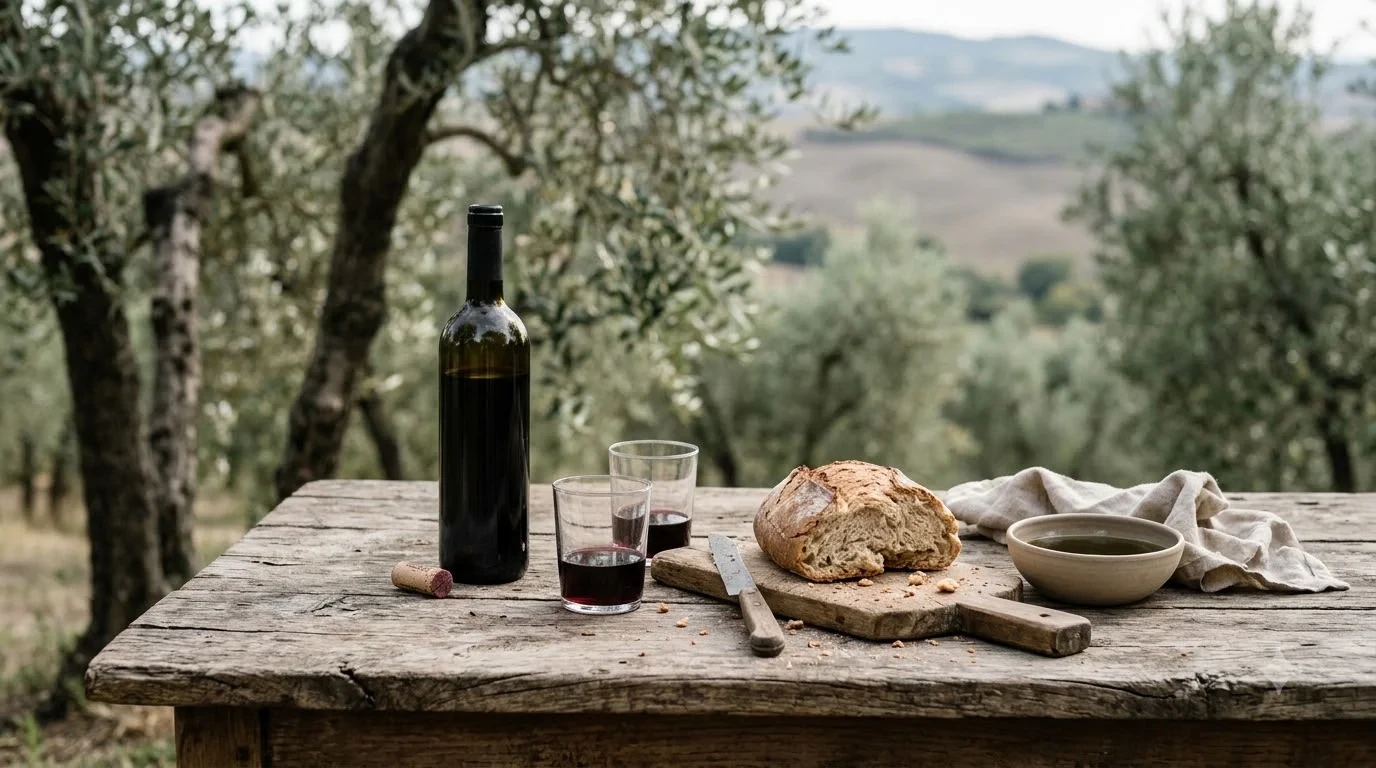
Sea Smoke wine is best understood through the cool, foggy Sta. Rita Hills appellation of Santa Barbara County, California, where Chardonnay and Pinot Noir are the predominant grapes. The region sits in the Santa Ynez Valley, and ocean breezes and coastal fog keep its vineyards cooler than the warmer valley to the east. Because the appellation shapes the grape styles, it is the most useful context for reading a Sea Smoke label.
This guide explains what the Sta. Rita Hills offers Pinot Noir and Chardonnay drinkers, how the climate and soils shape the wines, and how to serve and pair them. It focuses on the region and grape styles that can be verified from published sources. Brand-specific details, such as founding history and production volume, are best checked on the label and on the producer’s own website.
What the Sta. Rita Hills Is
The Sta. Rita Hills is a federally recognized American Viticultural Area located in Santa Barbara County, within the Santa Ynez Valley. According to the AVA’s entry on Wikipedia, the federal government designated it in 2001, and the Alcohol and Tobacco Tax and Trade Bureau later expanded it in 2016. Purisima Hills form its northern edge, and the Santa Rosa Hills form its southern edge.
The appellation is a zone within a larger wine county, which is why labels from the area often name the Sta. Rita Hills directly. For a shopper, that name is a clue to the style: it signals a cool-climate bottling rather than the warm, sun-ripened wines from the valley floor.
Climate and Soils That Shape the Wines
The region’s climate is cool and shaped by maritime influence. Ocean breezes and coastal fog reach its valleys, and that keeps the vineyards cooler than the warmer Santa Ynez Valley to the east. Cool nights and long, gentle ripening periods help grapes keep their acidity, which is one reason the area is known for Pinot Noir and Chardonnay.
The most common soils are loams, sandy loams, silt loams, and clay loams. They formed largely from dune sand, marine deposits, and alluvial material.
| Factor | What the region is known for | What it tends to do in the glass |
|---|---|---|
| Maritime fog and breezes | Cool daytime and nighttime temperatures | Keeps acidity lively and aromas fresh |
| Loam-based soils | Good drainage with varied texture | Balanced fruit concentration |
| Long growing season | Slow, steady ripening | Layered flavor without excess heaviness |
| Santa Ynez Valley setting | Warmer valley to the east | A cooler, leaner profile than valley-floor wines |
Tip: When a label names the Sta. Rita Hills, expect a cool-climate style. If you prefer richer, warmer fruit, compare the bottle with a Pinot Noir from a warmer Californian appellation.
The Grapes: Pinot Noir and Chardonnay
Chardonnay and Pinot Noir are the predominant winegrapes in the Sta. Rita Hills, and many other varieties are also grown there. That focus matters because it shapes what you will find on most labels from the region. Pinot Noir tends to be the signature red, while Chardonnay is the leading white, and the best bottles usually show how the cool climate affects each grape.

Pinot Noir has roots going back to ancient Burgundy. Wine Folly’s Pinot Noir guide notes that California versions are generally bigger, lusher, and more fruit-forward than Burgundian examples, thanks to extra sunshine and heat. Cool-climate sites such as the Sta. Rita Hills can give a more restrained version of that fruit, with brighter acidity and a leaner frame.
Tasting Styles to Expect
Cool-climate Pinot Noir from this part of California is usually medium-bodied, with red and dark cherry notes, fresh acidity, and soft tannins. Expect a wine that is more about freshness and balance than about big, jammy fruit. Oak can add a spice or vanilla layer, but the fruit and acidity generally lead.
Chardonnay from cool coastal vineyards tends to be more precise than a warm-climate bottling. Lean styles show green apple, citrus, and a mineral edge, while oaked styles add creamy texture and toasty spice. The balance depends on winemaking choices, not only on the grape, so it is worth reading the back label for the oak and fermentation notes.
How to Serve Sea Smoke Style Wines
Serve Pinot Noir slightly cooler than room temperature. Wine Folly’s guide gives 55 to 60°F (12 to 15°C) as the ideal range for Pinot Noir, which keeps the fruit lively and the acidity fresh. A light chill of about 15 minutes in the refrigerator before pouring is usually enough to reach that range.
Chardonnay from a cool coastal site is best served a little cooler than a big oaked bottle. Lean styles are fine around 45°F, while oaked styles taste balanced closer to 55°F. Use a glass with enough room for the aromas to develop, and give the wine a few minutes in the glass before judging it.
Food Pairing Ideas
Pinot Noir from the Sta. Rita Hills is a versatile food wine. Its acidity and modest tannins suit salmon, roast duck, mushroom dishes, and grilled vegetables. Lighter pork and roast chicken with herbs also work well. For cheese, try soft cheeses or aged Gouda, which pair with the wine’s fruit and gentle structure.
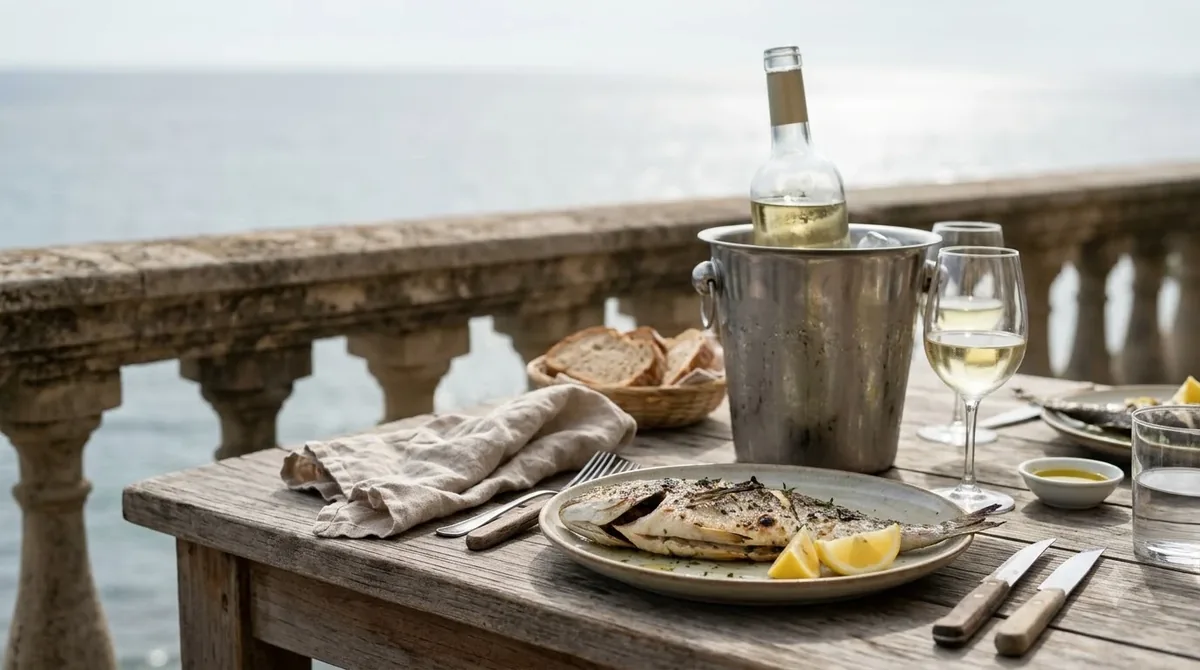
Chardonnay from the same region pairs well with seafood, especially lobster, crab, or simply cooked fish with lemon. Lean styles match fresh salads and goat cheese, while oaked versions suit roasted chicken, creamy pasta, and buttery sauces that echo the wine’s texture.
How to Choose a Bottle
Start with the label. Check the appellation, the grape, and the vintage, then decide whether you want a red or a white. If you like a lighter, fresher red, a cool-climate Pinot Noir from this region is a good starting point. If you like a rounder, more fruit-forward style, compare it with a Pinot Noir from a warmer appellation.
For a comparison with a different American style, the Spottswoode wine guide covers a Napa Cabernet from a single estate, which shows how a warmer region changes the grape. For more on how producers and appellations are organized, the wine brands guide is a practical reference.
Serve responsibly, and remember that alcohol content varies by vintage and producer. A glass or two with a meal is a sensible way to enjoy these wines.
Frequently Asked Questions
What is the Sta. Rita Hills known for?
The appellation is known for cool-climate Chardonnay and Pinot Noir. Maritime fog and breezes from the ocean keep the vineyards cooler than the wider Santa Ynez Valley.
Is Sea Smoke wine always Pinot Noir?
Pinot Noir and Chardonnay are the grapes most associated with the region, so these are the styles to look for. Check the bottle label for the exact grape and vintage, since producers may offer different bottlings.
How should I serve Pinot Noir from this region?
A range of about 55 to 60°F works well for Pinot Noir. A short chill in the refrigerator before pouring is usually enough to bring the wine into that range.
When was the Sta. Rita Hills appellation created?
The federal government designated the appellation in 2001, and the Alcohol and Tobacco Tax and Trade Bureau expanded it in 2016.
The Sta. Rita Hills is a clear example of how a cool coastal climate shapes American Pinot Noir and Chardonnay. Start with the region, check the grape and vintage on the label, and taste a cool-climate bottle beside a warmer one to see the difference. For a broader view of how wine brands and regions are grouped, visit the wine brands guide.
More in Wine Brands
 Underwood Wine Price: Compare Bottles, Cans, and Pack SizesUpdated Nov 21, 2026
 Zenato Wine Price: Compare Styles and Choose the Right BottleUpdated Nov 21, 2026
 Zuccardi Wine Price: Compare Bottles and Find the Right RangeUpdated Nov 21, 2026
 Yellow Tail Moscato Review: Taste, Sweetness and Serving TipsUpdated Nov 21, 2026
 Wolf Blass Yellow Label Review: Choose Your Best StyleUpdated Nov 21, 2026
 Wolffer Estate Rose Review: Choose the Right Bottle for Your TableUpdated Nov 21, 2026